
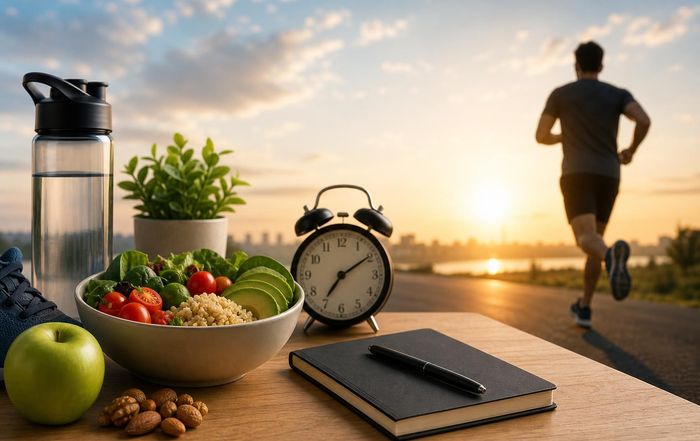
Healthy Choices That Improve Daily Performance
In 2026, women across industries and continents are redefining what it means to perform at a high level, not by working longer hours or sacrificing their wellbeing, but by making intentional, evidence-based healthy choices that compound into sustainable daily performance. On HerStage, this conversation is particularly personal, because it sits at the intersection of ambition, wellbeing, and identity, reflecting the lived reality of women who are balancing leadership, family, community, and their own aspirations while navigating a rapidly changing global landscape.
Rethinking Performance: From Burnout Culture to Sustainable Excellence
The last decade has seen a decisive shift away from hustle culture toward a more nuanced understanding of performance that recognizes the physiological, psychological, and social foundations of achievement. Research from organizations such as Harvard Medical School has shown that chronic stress, sleep deprivation, and poor nutrition undermine cognitive function, emotional regulation, and long-term health, even when short-term productivity appears high. Learn more about the health impact of chronic stress through resources from Harvard Health Publishing.
For women in leadership roles, this shift is particularly significant. As more women rise to senior positions in the United States, Europe, Asia, and beyond, they are challenging outdated models that equate success with constant availability and self-neglect. Instead, they are building cultures that honor recovery, boundaries, and whole-person health. This evolving philosophy aligns closely with the editorial mission of HerStage, where stories of women's resilience, strategic self-care, and intentional growth are central. Readers exploring the HerStage sections on women's journeys and leadership will recognize a consistent theme: sustainable high performance is built from the inside out, through daily choices that support both body and mind.
The Science of Energy: Why Healthy Choices Matter More Than Time Management
Performance is often framed as a time management problem, yet modern neuroscience and physiology emphasize that energy management is the more decisive variable. Time is fixed, but energy-physical, mental, and emotional-can be renewed or depleted depending on lifestyle behaviors. Institutions such as Stanford University and MIT have repeatedly highlighted how sleep, movement, nutrition, and psychological safety influence cognitive flexibility, creativity, and decision-making. For a deeper understanding of how brain function responds to lifestyle, explore materials from the Stanford Center for Health Education.
At the biological level, quality sleep consolidates memory, regulates hormones, and restores metabolic balance, while regular physical activity improves blood flow to the brain, enhances mood through endorphin release, and supports executive function. Nutrient-dense foods stabilize blood sugar, which in turn stabilizes energy and mood throughout the day. Emotional wellbeing, supported by strong relationships and practices such as mindfulness, modulates the stress response and reduces the cognitive load associated with worry. Together, these factors determine whether a woman arrives at her workday mentally clear, emotionally centered, and physically energized, or whether she is operating in a fog of fatigue and distraction.
On HerStage, the conversation about self-improvement is grounded in this scientific understanding rather than in vague notions of "willpower" or "grit." Readers who visit the platform's self-improvement and mindfulness sections encounter strategies that respect the body's natural rhythms, cultural context, and personal values, recognizing that women from Sweden to Singapore, from Brazil to South Africa, bring different lived experiences to the same universal quest for high performance.
Sleep as a Strategic Asset for Women's Performance
Sleep is often the first sacrifice made in demanding careers, yet it is arguably the most strategic performance asset available. According to the World Health Organization, insufficient sleep is associated with increased risk of cardiovascular disease, diabetes, depression, and impaired immune function, in addition to diminished concentration and reaction time. Learn more about the global health implications of sleep from the World Health Organization.
For women, the sleep-performance relationship is further shaped by hormonal cycles, caregiving responsibilities, and cultural expectations. Women in their thirties and forties, especially in countries such as the United States, the United Kingdom, Germany, and Japan, often navigate simultaneous pressures of career progression and family care, leading to fragmented sleep and chronic exhaustion. Addressing this reality requires both individual strategies and organizational change. Individually, practices such as maintaining a consistent sleep schedule, limiting caffeine late in the day, and creating a wind-down routine that excludes work email and social media can significantly improve sleep quality. Research from The Sleep Foundation and similar organizations has reinforced that even small improvements in sleep hygiene can yield measurable gains in alertness and mood. Explore practical guidance on healthy sleep practices through the Sleep Foundation.
Organizationally, leaders who normalize boundaries-such as avoiding late-night messaging, respecting time zones in global teams, and discouraging "always on" expectations-create conditions in which women can protect their sleep without fear of being perceived as less committed. On HerStage, stories of women executives who have restructured team norms to support healthier rhythms illustrate how sleep, once seen as a private concern, is becoming a strategic leadership issue that shapes performance, retention, and innovation.
Nutrition and Daily Fuel: Building a Performance Plate
Food choices are another powerful lever for daily performance, influencing not only physical stamina but also mental clarity and emotional steadiness. The World Health Organization and national health agencies in Canada, Australia, France, and other regions have consistently emphasized the role of balanced diets rich in whole grains, lean proteins, healthy fats, fruits, and vegetables in reducing chronic disease risk and supporting cognitive function. Learn more about sustainable dietary patterns through the World Health Organization's nutrition resources.
For high-performing women, the challenge is often not a lack of knowledge but a lack of time and structure. Back-to-back meetings, travel across time zones, and family responsibilities can lead to skipped meals, reliance on ultra-processed snacks, and irregular eating patterns that spike and crash blood sugar, undermining steady focus. Integrating performance-oriented nutrition into daily routines-such as preparing simple, portable meals, keeping nutrient-dense snacks at hand, and hydrating consistently-can transform the workday experience. Research from institutions like Johns Hopkins Medicine has highlighted how Mediterranean-style eating patterns, which emphasize plant-based foods and healthy fats, support brain health and longevity. Those interested in deeper insights into evidence-based diets can explore the Johns Hopkins Medicine health library.
On HerStage, the intersection of food, performance, and pleasure is an important editorial theme. The platform's food and health sections feature perspectives that respect cultural food traditions from Italy to Thailand and from Norway to South Africa, while encouraging women to see every meal as an opportunity to invest in their future energy and resilience. Rather than promoting restrictive or appearance-driven diets, the focus is on nourishment that supports complex lives, ambitious goals, and diverse bodies.
Movement, Strength, and Cognitive Edge
Regular physical activity is one of the most reliable predictors of long-term health and daily performance, with benefits that extend far beyond physical appearance. Studies from The Mayo Clinic and similar institutions demonstrate that moderate exercise improves cardiovascular health, supports healthy weight, enhances mood, and reduces anxiety and depression, while also boosting cognitive function, especially in areas related to planning, problem-solving, and attention. Those seeking science-based exercise guidance can review resources from the Mayo Clinic.
For women navigating demanding careers in finance, technology, healthcare, education, and public service, movement can become a non-negotiable performance tool rather than an optional leisure activity. Short, consistent bouts of exercise-such as brisk walking, strength training, or yoga-integrated into daily routines can be more sustainable than sporadic intense workouts. Women in cities from London and Berlin to Singapore and Seoul are increasingly using micro-movement strategies, such as walking meetings, active commuting, and brief stretch sessions between virtual calls, to maintain energy and reduce the musculoskeletal strain associated with prolonged sitting.
On HerStage, the conversation about movement is deliberately inclusive, recognizing that women's bodies, abilities, and preferences are diverse. The platform's lifestyle coverage often highlights how movement intersects with mental health, creativity, and leadership presence, emphasizing that strength and stamina are not only physical attributes but also metaphors for resilience in the boardroom and beyond.
Mental Health, Mindfulness, and Emotional Regulation
As mental health has moved to the center of public discourse in North America, Europe, Asia, and Africa, it has become clear that emotional wellbeing is inseparable from daily performance. Anxiety, depression, and chronic stress erode concentration, memory, and interpersonal effectiveness, even in individuals who appear outwardly successful. Organizations such as The American Psychological Association and Mind in the United Kingdom have documented the impact of unaddressed mental health challenges on productivity, absenteeism, and workplace culture. Learn more about workplace mental health through the American Psychological Association and explore additional perspectives from Mind.
Healthy choices in this domain include setting psychological boundaries, seeking therapy or coaching when needed, and practicing mindfulness or contemplative techniques that help regulate the nervous system. Mindfulness, in particular, has gained traction among women leaders and entrepreneurs worldwide as a practical tool for managing complex decision-making, conflict, and uncertainty. Research from UCLA and Oxford University has shown that regular mindfulness practice can improve attention, emotional regulation, and resilience in the face of stress. Those interested in structured mindfulness programs can review resources from the Oxford Mindfulness Foundation.
For HerStage, mindfulness is not treated as a trend but as a core competency for modern leadership and self-care, especially for women who are often socialized to prioritize others' needs over their own. The platform's mindfulness and self-improvement sections present approaches that are compatible with busy schedules and different cultural traditions, whether that means formal meditation, reflective journaling, or mindful walking in a city park.
Learning, Cognitive Growth, and the Role of Education
In a world defined by rapid technological change, geopolitical shifts, and evolving social norms, continuous learning has become a central pillar of daily performance. Women across industries in Canada, Australia, Singapore, and beyond are increasingly engaging in lifelong education to remain competitive and fulfilled, whether through formal degrees, short professional courses, or self-directed study. Leading institutions such as Coursera, edX, and major universities have made high-quality education accessible globally, allowing women in emerging markets as well as established economies to upskill without relocating. Explore global online learning opportunities through edX and Coursera.
Healthy choices in this context involve not only what to learn, but how to structure learning so that it enhances rather than overwhelms daily life. Setting realistic learning goals, aligning education with career strategy, and integrating study into existing routines can transform learning from an additional burden into an energizing source of growth. Cognitive neuroscience suggests that ongoing learning supports brain plasticity and may delay cognitive decline, which is particularly relevant as more women plan for longer working lives and portfolio careers. Those interested in the intersection of learning and brain health can explore resources from the National Institute on Aging.
On HerStage, the education and career sections frequently highlight women who are reinventing their professional paths through strategic learning, whether transitioning from corporate roles in New York to entrepreneurial ventures in Nairobi, or from public sector work in Paris to tech leadership in Seoul. These stories reinforce a central message: investing in one's own education is a powerful healthy choice that boosts confidence, adaptability, and long-term performance.
Identity, Appearance, and Confidence: Beauty and Fashion as Performance Enablers
While discussions of performance often focus on internal states, external presentation-through beauty, grooming, and fashion-also plays a meaningful role in how women experience their professional lives. Confidence is influenced not only by competence but also by the sense of alignment between inner identity and outward appearance. Studies in social psychology, including work published by The American Psychological Association, indicate that when individuals feel appropriately and authentically dressed for their roles, they tend to perform better in tasks requiring abstract thinking and negotiation. Learn more about the psychology of appearance and confidence via resources from the American Psychological Association.
Healthy choices in beauty and fashion are not about conforming to narrow standards, but about using appearance as a tool for self-expression and empowerment. Women in metropolitan centers from London and Milan to Tokyo and São Paulo are increasingly prioritizing skincare health, sustainable fashion, and personal style over fleeting trends. This shift is supported by dermatological research from organizations such as The British Association of Dermatologists, which provides guidance on sun protection, skin barrier health, and the risks of unregulated cosmetic products. Those interested in evidence-based skincare can consult the British Association of Dermatologists.
For HerStage, which curates content on beauty, fashion, and glamour, the emphasis remains on choices that respect health, individuality, and environmental impact. Articles often explore how women in different cultures negotiate dress codes, cultural expectations, and personal values, demonstrating that feeling at ease in one's own skin can be a quiet but powerful performance enhancer in meetings, negotiations, and public speaking.
Leadership, Culture, and the Power of Example
Healthy choices that improve daily performance are not made in a vacuum; they are shaped by workplace cultures, leadership norms, and social expectations. Women in leadership roles-from executives in Fortune 500 companies in the United States to founders of high-growth startups in India and South Africa-have a unique opportunity to model and institutionalize practices that support holistic performance. Research from organizations such as McKinsey & Company and Deloitte has consistently shown that inclusive, wellbeing-oriented cultures correlate with higher engagement, lower turnover, and better financial performance. Learn more about inclusive leadership and wellbeing in business through McKinsey & Company's insights and explore additional perspectives from Deloitte Insights.
When leaders openly prioritize sleep, set boundaries around work hours, encourage mental health days, and support flexible work arrangements, they give their teams implicit permission to do the same. In many organizations across Europe, Asia, and North America, women leaders have been at the forefront of implementing policies such as no-meeting Fridays, protected focus time, and comprehensive wellbeing benefits. These choices are not acts of indulgence; they are strategic decisions that recognize human sustainability as a core business asset.
On HerStage, the business and leadership sections frequently spotlight such leaders, demonstrating that the most influential women of 2026 are those who align their personal healthy choices with systemic change, ensuring that performance is not achieved at the cost of the next generation's health.
Global Perspectives: Regional Nuances, Shared Aspirations
Although the principles of healthy performance are universal, their application varies across regions due to differences in culture, infrastructure, policy, and social norms. In Nordic countries such as Sweden, Norway, Denmark, and Finland, strong social safety nets, parental leave policies, and cultural attitudes toward work-life balance create conditions in which healthy choices are more easily integrated into daily life. In contrast, women in rapidly urbanizing regions of Asia, including China, South Korea, Thailand, and Malaysia, may face longer working hours and commutes, yet they are also at the forefront of adopting digital health tools, from sleep-tracking wearables to mindfulness apps, to support performance.
In North America and Western Europe, the conversation increasingly centers on equity and access: ensuring that women from all socioeconomic backgrounds, including those in caregiving or frontline roles, have the resources and autonomy to make healthy choices. Organizations such as The World Economic Forum and UN Women have highlighted the link between gender equality, health access, and economic performance, making clear that women's wellbeing is not only a personal issue but a macroeconomic imperative. Explore these global perspectives through the World Economic Forum and UN Women.
HerStage, with its global readership spanning the United States, the United Kingdom, Germany, Canada, Australia, France, Italy, Spain, the Netherlands, Switzerland, South Africa, Brazil, New Zealand, and beyond, is uniquely positioned to weave these regional nuances into a cohesive narrative. The platform's world coverage often underscores that while contexts differ, women everywhere are negotiating similar tensions between ambition and wellbeing, tradition and autonomy, external expectations and internal truth.
Integrating Healthy Choices into the Rhythm of Everyday Life
Ultimately, the healthy choices that improve daily performance are not dramatic reinventions but steady, cumulative decisions woven into the fabric of ordinary days. They involve choosing sleep over late-night scrolling, a balanced meal over a rushed sugar fix, a short walk over another half hour at the desk, a moment of mindful breathing before a difficult conversation, or a boundary that protects time for learning, family, or rest. These decisions, repeated over weeks and years, reconfigure not only individual lives but also organizational cultures and societal expectations.
For women who turn to HerStage as a trusted companion in their journeys through leadership, self-improvement, health, and lifestyle, the message is both aspirational and practical: high performance in 2026 and beyond will belong to those who treat their bodies and minds as strategic assets, worthy of protection, investment, and respect. By aligning daily choices with long-term values, and by supporting one another in this alignment across borders and industries, women are quietly redesigning the architecture of success itself.
Readers who wish to deepen this journey can explore curated guidance across HerStage, from health and wellbeing to career growth and the broader guide to intentional living. In doing so, they participate in a global movement that recognizes that the most powerful performance strategy is not to push harder, but to live, lead, and work in a way that is fully, sustainably, and unapologetically alive.
