
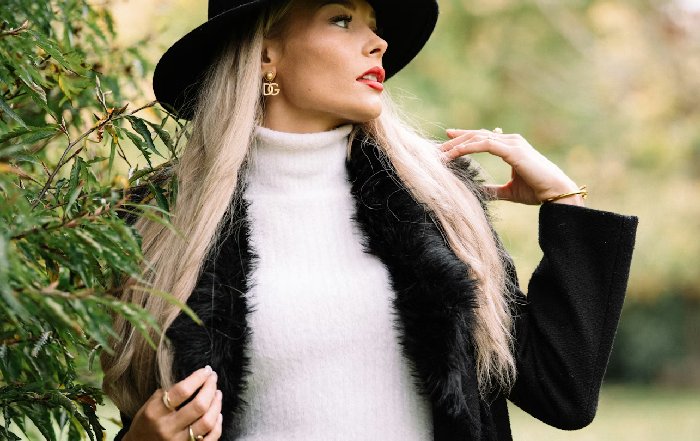
Redefining Glamour for the Modern Woman
Glamour in 2026: From Surface to Substance
The word "glamour" no longer belongs exclusively to red carpets, airbrushed magazine covers, and inaccessible lifestyles. Across major cultural hubs from New York and London to Seoul, Berlin, and São Paulo, glamour is being redefined by women who insist that beauty, ambition, wellbeing, and social impact must coexist. On HerStage, this fashionable evolution is not just a topic of interest; it is the lens through which stories are curated, voices are amplified, and a new standard for female success and visibility is articulated. Where glamour once meant perfection at any cost, it now increasingly signals authenticity, agency, and alignment between inner values and outward presence.
This shift has been accelerated by several forces: the rise of women leaders across industries, the visibility of diverse body types and identities in media, the maturation of digital culture, and a global rethinking of work, health, and lifestyle in the wake of technological disruption and social change. As women navigate careers, family life, entrepreneurship, and personal growth, they are rejecting a narrow ideal in favor of a more expansive, self-defined expression of glamour that prioritizes confidence, competence, and character as much as cosmetics and couture. In this context, glamour becomes less about conforming to an external standard and more about crafting a life that feels as good as it looks.
The Evolution of Glamour: From Hollywood Myth to Human Reality
Historically, glamour was crafted as a carefully controlled illusion. Early Hollywood studios in the United States engineered the images of stars like Marlene Dietrich and Audrey Hepburn, using lighting, styling, and narrative to produce an aura that felt dazzling yet distant, an aesthetic that echoed across Europe, Asia, and beyond. Glamour was aspirational but rarely attainable, reserved for those who had access to stylists, photographers, and publicists. As documented by institutions such as the Victoria and Albert Museum in London, the golden age of cinema established visual codes that still influence fashion and beauty today; learn more about the history of fashion and glamour through the collections of the Victoria and Albert Museum.
By the late twentieth century, that cinematic glamour was joined by the rise of the global supermodel, luxury brands, and glossy advertising campaigns, many of which projected a narrow, Western-centric ideal of beauty. Globalization exported this image to cities from Tokyo to Johannesburg, often overshadowing local aesthetics and traditions. Yet beneath the surface, resistance was building. Feminist thinkers, cultural critics, and women's organizations began questioning why glamour seemed to demand self-erasure, why the pursuit of beauty was so often linked to silence, and why success for women was framed in terms of appearance rather than influence. Publications such as Ms. Magazine and research from organizations like the American Psychological Association started to unpack the psychological and social impact of hyper-idealized imagery; explore contemporary psychological research on media and body image at the American Psychological Association.
The digital revolution initially intensified these pressures, as social media platforms rewarded highly curated images and filters that approximated perfection. Yet over time, the same tools that amplified unrealistic standards also became vehicles for disruption. Women across continents began using platforms like Instagram, YouTube, and TikTok to show unretouched skin, textured hair, disability, aging, and postpartum bodies, and to speak openly about mental health, burnout, and career setbacks. Influencers, entrepreneurs, and activists from Canada to South Korea challenged the idea that glamour required hiding flaws, instead presenting themselves as both aspirational and relatable. On HerStage, this tension between image and reality is a recurring theme, reflecting a global appetite for stories that acknowledge imperfection without surrendering style or ambition.
The New Glamour: Confidence, Competence, and Character
In the emerging paradigm, glamour is not a mask but a manifestation of a woman's self-knowledge and self-respect. It is increasingly defined by three interlocking elements: confidence, competence, and character. Confidence refers to the internal sense of worth that allows a woman to walk into a boardroom in New York, a startup hub in Berlin, or a creative studio in Seoul knowing she belongs. Competence reflects the skills, expertise, and results that command respect in fields ranging from finance and technology to education, healthcare, and the arts. Character encompasses integrity, empathy, and resilience, traits that are increasingly recognized as essential for leadership in a volatile global environment.
Research from organizations such as McKinsey & Company and Catalyst has consistently shown that companies with more women in leadership outperform peers on key financial and innovation metrics, underscoring that women's competence is not a matter of aspiration but of documented fact. Readers can explore data on women's leadership and performance outcomes through resources such as McKinsey's Women in the Workplace reports and Catalyst's research on women in leadership. At the same time, trust in leaders is increasingly tied to authenticity and ethical behavior, as documented by surveys from Edelman and the World Economic Forum; learn more about global trust and leadership trends at the World Economic Forum.
On HerStage, glamour is therefore presented as a holistic concept, where a tailored suit or a bold lipstick is not trivial but part of a broader narrative of self-definition. An executive in London who mentors younger women, a founder in Nairobi who builds a sustainable beauty brand, or a researcher in Tokyo advancing climate science all embody a new glamour that blends achievement with aesthetics, purpose with presence. Their stories align with the platform's emphasis on leadership, career, and business, demonstrating that style and substance need not be in conflict when guided by clear values and a commitment to impact.
Beauty, Health, and Mindfulness: The Inner Infrastructure of Glamour
The modern woman's understanding of glamour is inseparable from health and wellbeing. In the past, beauty rituals often demanded sacrifice: restrictive diets, harmful products, and punishing schedules that eroded physical and mental health. Today, a more informed and discerning audience demands products and practices that support longevity, vitality, and emotional balance. Organizations such as the World Health Organization and Mayo Clinic have emphasized the importance of holistic health, including sleep, nutrition, movement, and stress management, as foundations for sustainable performance; learn more about holistic health guidance at the World Health Organization and Mayo Clinic.
This shift is reflected in the global wellness economy, where women in countries from the United States and Germany to Singapore and Brazil invest in mindfulness, therapy, fitness, and preventative care as integral parts of their lifestyle. Practices such as meditation, yoga, and breathwork, once seen as niche, are now mainstream tools for managing the cognitive and emotional load of modern life. Platforms like Headspace and Calm have normalized everyday mental hygiene, while clinical research from institutions such as Harvard Medical School has explored the neurological benefits of mindfulness; explore more about the science of mindfulness through Harvard Health Publishing.
On HerStage, sections such as health and mindfulness highlight how wellbeing practices are integrated into the daily routines of women leaders, creatives, and professionals, reinforcing that true glamour cannot be sustained on burnout and self-neglect. A founder in Toronto who schedules non-negotiable therapy sessions, a lawyer in Paris who structures her week around sleep and exercise, or a content creator in Bangkok who speaks openly about anxiety and recovery all exemplify a glamour that honors the body and mind as assets to be protected rather than exploited. This perspective resonates with the platform's broader lifestyle coverage, which frames health as a strategic advantage rather than a luxury.
Sustainable Style: Fashion, Ethics, and the Power of Choice
Fashion remains a central expression of glamour, yet in 2026 it is increasingly filtered through the lens of sustainability, ethics, and cultural respect. Consumers, particularly women, are more aware of the environmental and social costs of fast fashion, from carbon emissions and water usage to labor exploitation in supply chains across Asia, Africa, and Latin America. Organizations such as the Ellen MacArthur Foundation and Fashion Revolution have documented the industry's impact and advocated for circularity, transparency, and responsible consumption; learn more about sustainable fashion principles through the Ellen MacArthur Foundation and global campaigns like Fashion Revolution.
In response, many women are redefining glamour through intentional wardrobes that prioritize quality over quantity, timeless silhouettes over micro-trends, and brands that align with their values. Capsule wardrobes, clothing rental services, resale platforms, and locally made pieces are no longer fringe choices but mainstream strategies used by professionals from Stockholm to Melbourne to maintain a polished appearance without compromising ethics. High-profile houses such as Stella McCartney and emerging designers in cities like Copenhagen and Seoul are championing materials innovation and responsible sourcing, while certifications and ratings from organizations such as B Corp and Global Organic Textile Standard (GOTS) help consumers make informed decisions; explore sustainable business certifications via B Lab Global.
For HerStage, which regularly explores fashion and beauty, sustainable style is presented as a sophisticated evolution of glamour rather than a constraint. A woman in Zurich who invests in a few impeccably tailored pieces, a creative director in Los Angeles who mixes vintage with contemporary labels, or an entrepreneur in Cape Town who builds a brand around indigenous textiles all reflect a glamour that is deeply rooted in responsibility, cultural appreciation, and long-term thinking. This narrative underscores that elegance and environmental stewardship can reinforce each other, and that every wardrobe choice is an opportunity to express both personal taste and global awareness.
Glamour in the Age of Digital Visibility
The digital era has transformed glamour into a 24/7 performance for many women, with social media feeds, video calls, and online portfolios creating a constant stage. While this visibility offers unprecedented opportunities for self-expression, networking, and entrepreneurship, it also introduces new pressures to appear "on" at all times. Research from organizations such as Pew Research Center and UN Women has highlighted both the empowerment and the risks associated with women's digital presence, including online harassment, image-based abuse, and algorithmic biases that favor certain aesthetics; learn more about digital gender issues through UN Women's resources.
In response, a more conscious digital glamour is emerging. Women from London to Lagos are curating their online identities with an eye toward alignment rather than perfection, ensuring that what appears on screen reflects their real values, priorities, and boundaries. Many are setting explicit limits on what aspects of their personal lives are shared, using tools for content moderation and digital wellbeing, and choosing platforms and communities that support psychological safety. At the same time, they leverage digital storytelling to showcase their expertise, amplify causes, and build businesses, recognizing that visibility can be a powerful currency when managed intentionally.
On HerStage, which engages readers on topics ranging from world affairs to education and self-improvement, digital glamour is explored as a strategic skill. A data scientist in Amsterdam who uses LinkedIn to share insights on AI ethics, a chef in Mexico City who builds a following through thoughtful culinary content, or a policy advocate in Nairobi who uses Twitter Spaces to convene conversations on gender equity all demonstrate that digital presence, when rooted in substance, can extend a woman's influence far beyond traditional corridors of power. The key is not to escape the digital stage but to rewrite the script, choosing authenticity, clarity, and impact over mere spectacle.
Leadership, Influence, and the Glamour of Impact
As more women ascend to leadership roles in politics, business, academia, and civil society, the image of glamour is increasingly associated with impact rather than ornamentation. Figures such as Jacinda Ardern, Ngozi Okonjo-Iweala, Christine Lagarde, and countless less-publicized leaders in cities from Toronto and Singapore to Nairobi and Madrid embody a style of leadership that balances gravitas with relatability. Their presence in global forums, boardrooms, and negotiations challenges the outdated assumption that power must look or sound a certain way, instead demonstrating that empathy, collaboration, and clear communication can be as persuasive as traditional displays of authority.
Global institutions such as the United Nations, the OECD, and the World Bank have documented the economic and social benefits of women's leadership, including improved governance, more inclusive policy outcomes, and stronger resilience to crises; learn more about gender and leadership outcomes through UN Women's data and reports and OECD gender equality resources. These findings reinforce what many women have long known intuitively: that the glamour of leadership lies not in titles or photo opportunities but in the ability to shape decisions that improve lives, protect rights, and expand opportunity.
On HerStage, the intersection of women, business, and leadership is a central narrative thread, highlighting women who redefine what leadership looks like in sectors as varied as technology, healthcare, creative industries, and public service. A venture capitalist in San Francisco who allocates capital to female founders, a public health leader in Johannesburg guiding community responses to epidemics, or a climate negotiator from Sweden influencing international agreements all represent a glamour rooted in competence, courage, and contribution. Their stories demonstrate to readers from the United States, Europe, Asia, Africa, and South America that leadership is not an abstract aspiration but a lived practice available at every career stage and in every community.
Everyday Glamour: Food, Rituals, and the Art of Living Well
Beyond boardrooms and global stages, glamour in 2026 is also being reclaimed in the intimate spaces of daily life. The way a woman prepares her morning coffee in Melbourne, chooses fresh ingredients at a market in Barcelona, or sets a simple but thoughtful table in Toronto can be an expression of care and aesthetic pleasure that counters the speed and fragmentation of modern routines. Culinary culture, in particular, has become a domain where women blend heritage, health, and creativity, drawing on global influences while honoring local traditions. Platforms such as Bon Appétit, BBC Good Food, and New York Times Cooking have showcased the sophistication of home cooking and the role of food in identity and community; explore global culinary inspiration through BBC Good Food.
On HerStage, the food and lifestyle sections often frame these everyday rituals as micro-expressions of glamour: a nourishing breakfast that supports a demanding day, a weekend gathering that blends conversation, culture, and cuisine, or a solo dinner that becomes an act of self-respect rather than an afterthought. Similarly, the platform's focus on glamour and beauty extends beyond products to encompass the small, deliberate choices that make a woman feel grounded, confident, and aligned with herself, whether she is in New York, Seoul, Johannesburg, or Copenhagen.
These practices are not trivial in a world where burnout and disconnection are pervasive. Research from institutions such as Stanford University and University College London has underscored the importance of rest, social connection, and joyful activities for cognitive function and emotional resilience; learn more about the science of wellbeing through resources like Stanford's Center for Compassion and Altruism Research and Education. By treating everyday life as a canvas for aesthetic and emotional nourishment, women are asserting that glamour is not reserved for rare occasions but can be woven into the fabric of ordinary days.
Education, Lifelong Learning, and the Glamour of Growth
In a rapidly changing global economy shaped by artificial intelligence, climate change, demographic shifts, and geopolitical uncertainty, the ability to learn and adapt has become a defining trait of the modern glamorous woman. Education is no longer confined to formal degrees earned in early adulthood; instead, lifelong learning through online courses, professional certifications, mentorship, and self-directed study is increasingly seen as essential to staying relevant and fulfilled. Leading universities and platforms such as MIT OpenCourseWare, Coursera, and edX have expanded access to high-quality education for learners worldwide, from Germany and India to Brazil and South Africa; explore open learning resources through MIT OpenCourseWare.
On HerStage, the education, self-improvement, and guide sections emphasize that intellectual curiosity is a core component of modern glamour. A software engineer in Singapore who learns about design thinking, a fashion buyer in Milan who studies sustainability, or a teacher in Nairobi who explores digital pedagogy all embody a glamour that values mental agility and openness. Their commitment to growth sends a powerful message: that glamour is not static but evolves with each new skill, insight, and perspective acquired.
This emphasis on learning also intersects with global conversations about gender equity in STEM, entrepreneurship, and leadership. Organizations such as UNESCO, Girls Who Code, and Women in Tech highlight the importance of closing education and skills gaps for women and girls, particularly in regions where barriers remain high; learn more about global education initiatives through UNESCO. By celebrating women who pursue knowledge in all its forms, HerStage reinforces that expertise and informed decision-making are among the most compelling and credible expressions of glamour available to the modern woman.
Toward a More Inclusive, Integrated Vision of Glamour
As time unwinds, the redefinition of glamour for the modern woman is not a passing trend but a structural shift. Across continents and cultures, women are asserting that glamour must be inclusive of different ages, body types, ethnicities, abilities, and life paths, and that it must be compatible with health, ethics, and meaningful work. The old dichotomy between "serious" women and "glamorous" women is being dismantled, replaced by a recognition that intelligence, ambition, and aesthetic expression can reinforce rather than undermine each other when anchored in authenticity and respect.
For HerStage, this evolving new vision is both mission and mirror. The platform's coverage of women, career, business, fashion, and mindfulness reflects a belief that every woman, whether in the United Kingdom, Germany, Canada, Australia, France, Italy, Spain, the Netherlands, Switzerland, China, New Zealand, or anywhere else in the world, deserves to see herself as the protagonist of her own narrative of glamour. This narrative is not dictated by external gatekeepers but crafted through daily choices, long-term ambitions, and the courage to align appearance with purpose.
In this sense, redefining glamour for the modern woman is ultimately about reclaiming power: the power to define success on one's own terms, to inhabit one's body and story without apology, and to use visibility not as an end in itself but as a vehicle for influence, connection, and change. As more women step onto this expanded stage-professional, digital, and personal-the world's understanding of glamour will continue to evolve, becoming richer, more diverse, and more deeply rooted in the realities and aspirations of women everywhere.
