
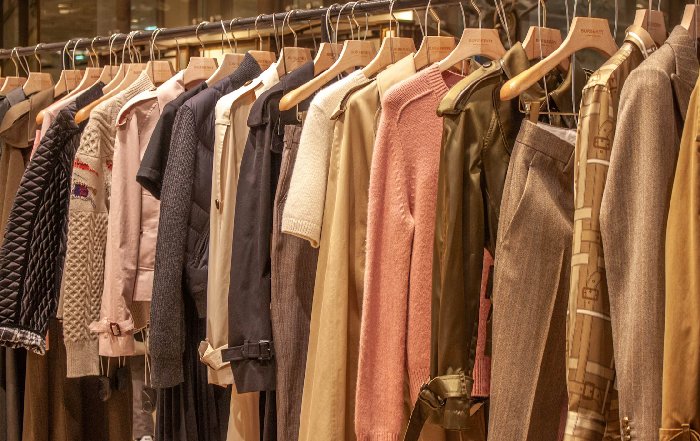
Curating a Wardrobe That Tells Your Story
Why Personal Style Matters More Than Ever
As hybrid work, global mobility and digital presence reshape how people show up in the world, clothing has evolved far beyond surface-level aesthetics and seasonal trends; it has become a strategic language of identity, credibility and aspiration. For women navigating leadership, entrepreneurship, creative careers and complex personal lives, the wardrobe is no longer a passive collection of garments but an active storytelling tool, revealing values, ambitions and cultural roots long before a single word is spoken. On Herstage, where women come to explore fashion, leadership, lifestyle and self-expression, the conversation around style is inseparable from discussions of confidence, authority and wellbeing, because what is worn daily inevitably shapes how others respond and how one feels about herself.
Fashion research from institutions such as the London College of Fashion and Harvard Business School has long demonstrated that clothing influences not only external perceptions but also internal states, affecting cognitive performance, self-perception and even negotiation outcomes; readers can explore how attire impacts behavior through resources like Harvard Business Review. In this context, curating a wardrobe that tells a coherent and empowering story is not an indulgence, but a strategic form of self-management, especially for women balancing visibility and vulnerability in boardrooms, classrooms, creative studios and digital platforms worldwide.
From Closet Chaos to Narrative Clarity
Many professional women across the United States, Europe and Asia describe the same morning ritual: standing in front of an overstuffed closet, feeling there is nothing to wear that truly reflects who they are today. This disconnect rarely stems from a lack of clothing; it arises from a lack of narrative. Wardrobes are often historical archives of former roles, sizes, trends and impulse purchases, rather than curated collections aligned with present values and future goals. On Herstage, where readers explore self-improvement and career evolution, this tension between past and present identity frequently surfaces in conversations about reinvention, whether after a promotion, relocation, career pivot or major life transition.
Psychologists writing for platforms such as the American Psychological Association have highlighted how visual symbols, including clothing, anchor identity and support behavior change; those interested in the psychological dimension of style can learn more about self-concept and behavior. When a wardrobe is intentionally built around a clear personal story, it becomes easier to make aligned decisions, reduce decision fatigue and move through the day with a sense of continuity between inner life and outward presentation. In other words, a curated wardrobe creates narrative clarity, turning the closet from a source of stress into a strategic ally.
Defining the Story: Values, Roles and Aspirations
Before a single garment is purchased or donated, the critical work lies in defining the story the wardrobe should tell. For readers of Herstage, whose interests span career, business, world affairs and creative lifestyle, this story is rarely one-dimensional; it often weaves together professional authority, cultural identity, personal passions and evolving life stages. A senior leader in New York, a tech founder in Berlin, a creative director in Seoul and a social entrepreneur in Nairobi may have distinct sartorial languages, yet they share a common need: clothing that reflects both where they come from and where they intend to go.
Strategic reflection tools used in leadership development, such as values clarification and role mapping, can be directly applied to wardrobe curation. Resources from organizations like Center for Creative Leadership and McKinsey & Company provide frameworks for clarifying leadership identity; readers can explore how values drive visible behavior through insights on purpose-driven leadership. Translating this into style might mean identifying three to five core words that describe the desired personal brand-perhaps "innovative, grounded, global, feminine" or "precise, approachable, artistic, resilient"-and using these as a filter for every wardrobe decision. In doing so, clothing becomes a visual shorthand for deeply held values, rather than a reaction to fleeting trends.
The Architecture of a Narrative Wardrobe
Once the story is defined, the practical architecture of the wardrobe can be designed with intention. Stylists working with executives and public figures across the United States, United Kingdom and Asia-Pacific often speak of "anchor pieces" and "supporting characters," an analogy that resonates with the storytelling lens embraced by Herstage. Anchor pieces are the garments that appear frequently in high-stakes contexts-tailored blazers, signature dresses, impeccably cut trousers, versatile knits or a distinctive coat-while supporting pieces provide variety, texture, color and seasonal adaptability.
Guidance from fashion institutes such as Parsons School of Design and Institut Français de la Mode underscores the importance of silhouette, proportion and fabric quality when building this architecture; those wishing to deepen their technical understanding of garment construction can explore educational resources through Parsons or similar institutions. A narrative wardrobe is not necessarily minimalist, nor is it defined by price point; its coherence stems from repetition of certain shapes, colors and details that together create recognizability. Over time, this recognizability becomes a personal signature, much like a consistent writing style or leadership voice.
Cultural, Global and Generational Dimensions of Style
For a global audience spanning North America, Europe, Asia, Africa and South America, the wardrobe-as-story must also account for cultural nuance, climate, regional norms and generational shifts. A professional woman in Singapore navigating tropical heat and conservative corporate expectations will make different fabric and layering choices than a founder in Stockholm accustomed to minimalist aesthetics and sharply defined seasonal changes. Yet both may be equally committed to sustainability, local craftsmanship and gender-inclusive design.
Global fashion councils and organizations such as the Council of Fashion Designers of America (CFDA) and British Fashion Council have increasingly emphasized diversity, cultural representation and regional creativity; readers can explore how designers from different regions interpret identity through clothing by visiting platforms like CFDA. For women of multicultural backgrounds or those living and working across borders, curating a wardrobe that honors heritage while aligning with global professional norms can be a powerful act of self-definition, signaling both rootedness and adaptability in international environments.
Sustainability, Ethics and the Story Behind the Label
By 2026, sustainability is no longer a niche concern but a central narrative thread in many women's wardrobes, especially for the Herstage community that engages with conscious lifestyle and global responsibility. Consumers in regions such as Germany, the Netherlands, Scandinavia and Canada are particularly attuned to the environmental and social impact of their clothing choices, demanding transparency from brands and seeking alternatives to fast fashion. The story a wardrobe tells is therefore not limited to aesthetics; it also reflects ethical priorities and the kind of world its owner wishes to help build.
Leading organizations like the Ellen MacArthur Foundation and World Resources Institute provide data and frameworks on circular fashion, textile waste and carbon impact; readers can learn more about sustainable business practices and how circular design is reshaping the industry. Choosing fewer, higher-quality pieces, supporting brands with transparent supply chains, exploring rental or resale platforms and caring for garments to extend their lifespan all become narrative choices, signaling stewardship, discernment and long-term thinking. For many women in leadership, aligning their wardrobe with their environmental and social values is part of maintaining credibility with increasingly conscious teams, clients and audiences.
The Psychology of Color, Texture and Fit
A wardrobe that tells a compelling story draws on the psychology of color, texture and fit to reinforce its message. Research from institutions such as University of California, Berkeley and University of Cambridge has explored how color influences perception, with certain hues associated with authority, creativity, calm or energy; those interested in the science behind color can explore resources on color psychology and perception. For a woman preparing to present a strategic vision to a board, a deep navy or charcoal suit with a precise silhouette may reinforce authority and focus, while a creative director meeting with a design team might choose rich jewel tones or unexpected color combinations to signal imagination and openness.
Fit is equally integral to the narrative, as garments that skim rather than constrict or overwhelm the body communicate ease, self-respect and attention to detail. Tailoring, often overlooked, can transform mid-range pieces into wardrobe workhorses that look significantly more elevated, a practice well understood in style-forward cities from Milan to Tokyo. Texture-whether matte, glossy, structured or fluid-adds another layer of storytelling, suggesting approachability, formality or innovation. On Herstage, where readers explore beauty and glamour alongside professional identity, the interplay of these elements becomes a sophisticated toolkit for shaping presence without saying a word.
Wardrobes for Hybrid Work and Multi-Dimensional Lives
The post-pandemic evolution of work has permanently blurred lines between office, home and travel, requiring wardrobes that can transition gracefully across contexts and time zones. Women in San Francisco, London, Sydney or Toronto may move in a single day from virtual board meetings to school events, co-working spaces, evening networking and personal wellness activities, all while maintaining a coherent sense of self. A narrative wardrobe for this reality prioritizes adaptability without sacrificing intentionality, relying on pieces that can be dressed up or down, layered for different climates and styled for both on-camera and in-person presence.
Leading business publications such as The Economist and Financial Times have chronicled how hybrid work reshapes dress codes, with many organizations adopting "smart casual" norms that still reward polish and thoughtfulness; readers can explore evolving workplace expectations through analysis in outlets like Financial Times. For the Herstage audience, this shift opens space to integrate more personality, comfort and cultural reference into daily dress, while still honoring professional standards. A curated selection of elevated knits, tailored denim, versatile dresses and thoughtfully chosen footwear can bridge the gap between formality and ease, allowing the wardrobe to support rather than constrain a multi-dimensional life.
Health, Comfort and the Embodied Experience of Clothing
A wardrobe that tells a powerful story must also respect the body that inhabits it, acknowledging health, comfort and sensory experience as central to style rather than secondary considerations. As conversations on Herstage around health and mindfulness deepen, more women are recognizing that clothing can either support or undermine physical wellbeing, from posture and circulation to temperature regulation and skin health. The rise of performance fabrics, ergonomic footwear and adaptive design has expanded options for those managing chronic conditions, pregnancy, disability or neurodivergent sensory needs, without sacrificing aesthetic integrity.
Medical organizations such as the Mayo Clinic and Cleveland Clinic offer guidance on issues like footwear health, posture and skin sensitivities; readers can learn more about choosing health-supportive clothing and shoes to ensure that style decisions align with long-term wellbeing. For many professional women, particularly those in demanding leadership roles, prioritizing comfort is not about lowering standards but about sustaining energy, focus and presence over long days. When the body feels supported, the mind is freer to engage fully, and the story communicated through clothing is one of grounded confidence rather than silent strain.
Digital Presence, Media Visibility and Strategic Styling
In 2026, personal style is as visible on screen as it is in physical spaces, with video conferencing, social media, podcasts and digital events forming a significant portion of professional interaction. For women featured on panels, leading webinars, appearing in media or building personal brands online, the wardrobe becomes part of a broader visual ecosystem that includes background, lighting and on-screen behavior. On Herstage, where readers engage with leadership, education and global conversation, the alignment between digital and physical style is increasingly important for maintaining authenticity and trust.
Media training organizations and journalism schools such as Columbia Journalism School and Poynter Institute offer guidance on on-camera presence, including wardrobe choices that avoid visual distractions and support clear communication; those interested can explore resources on effective on-screen presentation. Strategic use of color near the face, avoidance of overly busy patterns, attention to neckline and shoulder lines within the camera frame, and consideration of how fabrics respond to studio lighting all contribute to a polished yet genuine digital persona. When the same underlying style story is visible both online and offline, audiences experience a sense of continuity that reinforces credibility.
Investing Wisely: Cost, Quality and Long-Term Value
Curating a narrative wardrobe does not necessarily require luxury budgets, but it does demand thoughtful allocation of resources. For many readers balancing financial goals, family responsibilities and entrepreneurial risk, the question is not whether to invest in clothing but where and how. Economic commentators at organizations like the OECD and World Economic Forum have examined consumer behavior shifts toward "fewer, better" purchases, particularly among younger professionals and leaders; readers can explore these trends through analysis from World Economic Forum. Translating this to the individual level means distinguishing between trend-driven items that offer short-lived satisfaction and foundational pieces that will serve across multiple roles and seasons.
A practical approach involves investing more in items that anchor key professional and social contexts-such as outerwear, suiting, bags and shoes-while experimenting with color, print and seasonal trends through more accessible pieces. Attention to fabric composition, construction details, lining quality and care instructions can significantly extend garment lifespan, reducing cost-per-wear over time. For Herstage readers navigating global markets from Paris to São Paulo and Johannesburg to Tokyo, this financially and environmentally literate approach to style aligns with broader commitments to intentional living and long-term planning.
Integrating Wardrobe Curation into Personal Growth
Ultimately, curating a wardrobe that tells a meaningful story is less about fashion perfection and more about conscious evolution. As women advance in their careers, expand their families, relocate across continents or redefine their priorities, their wardrobes can either remain static relics of past chapters or evolve as living archives of growth. On Herstage, where women's journeys are explored through the lenses of ambition, resilience, creativity and reinvention, clothing becomes one of many tools through which identity is negotiated and expressed.
Personal development resources from organizations like Mindful.org and Greater Good Science Center at UC Berkeley emphasize the role of daily rituals in reinforcing new habits and self-concepts; readers can learn more about mindfulness and intentional living. Treating wardrobe curation as an ongoing reflective practice-seasonally reviewing what still aligns, what no longer serves and what new pieces might support emerging goals-transforms shopping from a reactive pastime into a purposeful act. Each deliberate choice becomes a small declaration: this is who I am now, and this is the story I am choosing to tell.
Herstage as a Companion in Your Style Story
As women across continents continue to navigate complex intersections of work, family, culture, health and ambition, Herstage stands as a dedicated space where style is never trivialized or detached from the realities of contemporary life. The platform's exploration of business and leadership, food and lifestyle, beauty and fashion and mindfulness and self-improvement reflects a holistic understanding of what it means to show up fully in the world. Curating a wardrobe that tells one's story is part of this broader project: a way of weaving external presentation and internal truth into a coherent, confident whole.
For every reader-from the emerging professional in Mumbai refining her first work wardrobe, to the executive in Zurich recalibrating her style after a major career shift, to the creative entrepreneur in Los Angeles building a globally visible brand-clothing offers a daily opportunity to align intention and impact. By approaching the closet as a narrative landscape rather than a chaotic storage space, and by drawing on the global insights, practical guidance and reflective conversations available on Herstage and trusted external resources, women can transform what they wear into a powerful, authentic extension of who they are and the futures they are determined to create.
