
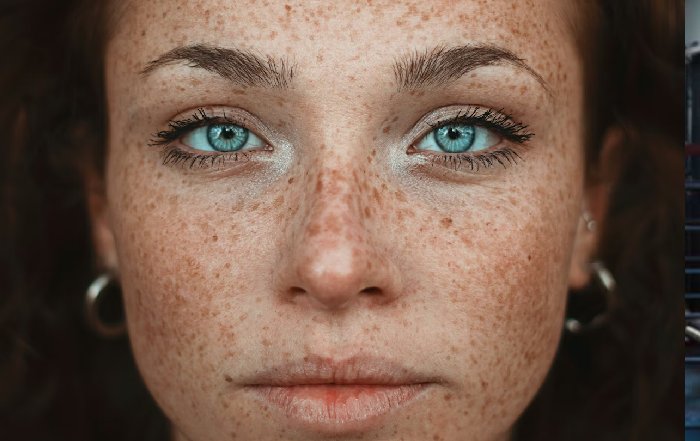
The World's Best-Kept Secrets for Ageless Skin
Ageless Skin: Science, Lifestyle, and the New Global Standard of Beauty
Today as ever, the pursuit of ageless skin is no longer framed as a battle against time but as a long-term partnership with health, science, and self-respect, and nowhere is this shift more visible than in the conversations taking place across HerStage and its global community of ambitious women who view skincare as both a wellness strategy and a professional asset. As women in the United States, the United Kingdom, Germany, Canada, Australia, France, Italy, Spain, the Netherlands, Switzerland, China, Sweden, Norway, Singapore, Denmark, South Korea, Japan, Thailand, Finland, South Africa, Brazil, Malaysia, New Zealand and beyond navigate demanding careers and complex lives, they are increasingly turning away from quick fixes and toward evidence-based, sustainable routines that support both skin longevity and overall vitality.
Ageless skin, in this context, does not imply an unrealistic, eternally youthful appearance but rather a complexion that reflects resilience, clarity, and confidence at every life stage, and this evolution is reshaping how women evaluate products, experts, and trends. On HerStage, articles across beauty, health, and lifestyle now emphasize not only what goes on the skin but also what happens in the mind, diet, environment, and career, reflecting a holistic understanding of radiance that transcends superficial glamour.
As global research institutions such as Harvard Medical School and organizations like the American Academy of Dermatology continue to deepen the scientific understanding of skin aging, women are better equipped than ever to separate marketing myths from meaningful strategies, and this alignment of science, lived experience, and digital education is quietly revealing the world's best-kept secrets for ageless skin.
Understanding How Skin Ages: From Cells to Confidence
Any serious exploration of ageless skin must begin with a clear understanding of how and why skin changes over time, because without this foundation, even the most luxurious products or advanced procedures will deliver inconsistent and often disappointing results. Dermatologists and researchers consistently point to two overarching categories of aging: intrinsic aging, which is largely driven by genetics and the body's natural biological clock, and extrinsic aging, which is influenced by lifestyle, environment, and daily habits, meaning that a significant portion of how skin looks at 40, 50, or 70 remains within a woman's sphere of influence.
Resources such as the National Institute on Aging and the Mayo Clinic have outlined how collagen loss, reduced elastin, slower cell turnover, and diminished barrier function gradually contribute to fine lines, dullness, and uneven tone, but they also underscore that sun exposure, smoking, chronic stress, poor sleep, and pollution can accelerate these changes dramatically. Learn more about how skin aging works through reputable medical overviews on sites like Mayo Clinic or National Institute on Aging, which detail the interplay between intrinsic and extrinsic factors.
For women who view their skin as part of their professional presence, particularly in leadership and client-facing roles, this knowledge becomes an empowerment tool rather than a source of anxiety. On HerStage, the conversation increasingly connects skin health to broader themes of self-improvement and career, emphasizing that informed choices made in one's thirties and forties can profoundly shape how confident and visible a woman feels in her fifties and sixties.
The Non-Negotiable Foundation: Sun Protection as the Ultimate Age-Defying Habit
Among all the secrets for ageless skin, one stands above the rest in both scientific consensus and real-world impact: consistent, year-round sun protection. Dermatology organizations from the American Academy of Dermatology to the British Association of Dermatologists have repeatedly confirmed that ultraviolet radiation is responsible for the majority of visible signs of skin aging, including wrinkles, pigmentation, and loss of elasticity, and this holds true across diverse skin tones and geographies. For women in high UV-index regions such as Australia, South Africa, Brazil, and parts of Asia, the stakes are particularly high, but even in cloudier climates in Northern Europe or North America, cumulative exposure through windows and daily commutes quietly shapes the skin's long-term trajectory.
In 2026, advanced broad-spectrum sunscreens, including mineral and hybrid formulations, have become more cosmetically elegant, making it easier for professional women to integrate them into their morning routines without compromising makeup or comfort, and many now incorporate antioxidants or light moisturizers to streamline steps. Trusted health sources such as the Skin Cancer Foundation and Cancer Research UK provide practical guidelines on choosing appropriate SPF levels, reapplication frequency, and understanding UVA versus UVB protection, and those who want to deepen their knowledge can explore evidence-based advice through organizations like Skin Cancer Foundation or Cancer Research UK.
On HerStage, sun protection is increasingly described as a daily leadership habit rather than a seasonal afterthought, with editors highlighting how a disciplined approach to SPF mirrors the kind of strategic, long-term thinking that women apply to business and financial planning, reinforcing that protecting one's skin is not vanity but a form of self-respect and risk management.
Science-Backed Ingredients: Retinoids, Vitamin C, and Beyond
Behind many of the world's most admired complexions lies a quiet commitment to science-backed active ingredients, and in 2026, the global skincare industry has matured beyond hype-driven launches to focus more heavily on molecules with decades of clinical evidence. Retinoids, derived from vitamin A, remain the gold standard for improving fine lines, texture, and pigmentation, with prescription-strength tretinoin and over-the-counter retinol or retinaldehyde offering varying levels of potency and tolerance, and dermatologists from Cleveland Clinic to Johns Hopkins Medicine continue to emphasize their role in stimulating collagen and accelerating cell turnover.
Alongside retinoids, vitamin C in stable, well-formulated serums has emerged as a cornerstone for brightening and antioxidant protection, with research from organizations like the Journal of the American Academy of Dermatology and DermNet New Zealand supporting its role in mitigating environmental damage and uneven tone. Learn more about evidence-based skincare ingredients through reliable platforms such as DermNet or academic summaries accessible via PubMed, which compile peer-reviewed studies on topical actives.
In Europe, Asia, and North America, niacinamide, peptides, ceramides, and alpha hydroxy acids have also gained widespread acceptance as part of sophisticated routines that respect the skin barrier while gently addressing signs of aging, and women are becoming more adept at interpreting ingredient lists and concentrations rather than relying solely on branding. On HerStage, beauty editors increasingly encourage readers to view actives as tools in a strategic plan, integrating them gradually and thoughtfully rather than chasing every new launch, and articles in the beauty and guide sections often highlight how to build a routine that aligns with lifestyle, climate, and sensitivity levels.
Global Rituals: What Different Regions Quietly Do Right
One of the most intriguing aspects of ageless skin in 2026 is how regional traditions and cultural philosophies are influencing global routines, as women in New York, London, Berlin, Toronto, Sydney, Paris, Milan, Madrid, Amsterdam, Zurich, Shanghai, Stockholm, Oslo, Singapore, Copenhagen, Seoul, Tokyo, Bangkok, Helsinki, Cape Town, São Paulo, Kuala Lumpur, and Auckland increasingly borrow from each other's best practices. The multi-step routines of South Korea and Japan, with their emphasis on gentle cleansing, meticulous hydration, and sun protection, have deeply influenced Western skincare, while European women have long prioritized pharmacy-grade formulations and dermatologist guidance, particularly in France, Germany, and the Nordic countries.
In Mediterranean regions such as Italy and Spain, diets rich in olive oil, fresh produce, and omega-3 fatty acids quietly support skin health from within, while in Scandinavian countries, a cultural focus on minimalism, barrier protection, and cold-weather care has shaped a pragmatic approach to skincare that values function over flash. Learn more about how traditional diets and regional practices influence health and longevity through organizations like the World Health Organization and Harvard T.H. Chan School of Public Health, which provide insights into healthy eating patterns and their effects on aging.
For HerStage readers, these global rituals serve less as strict templates and more as inspiration, encouraging women to adapt rather than adopt wholesale, and the platform's world and lifestyle sections often highlight how cultural diversity can enrich personal routines, offering a more inclusive and expansive view of what ageless beauty can look like.
Nutrition, Gut Health, and the Skin-Body Connection
The best-kept secrets for ageless skin increasingly lie not only in bathroom cabinets but also in kitchens and dining habits, as research over the past decade has underscored the intimate connection between gut health, systemic inflammation, and skin appearance. Leading institutions such as Cleveland Clinic, Johns Hopkins Medicine, and Harvard Health Publishing have documented how diets high in refined sugars, ultra-processed foods, and trans fats can exacerbate inflammation and potentially contribute to conditions like acne, rosacea, and dullness, while nutrient-dense, plant-forward diets rich in antioxidants, healthy fats, and lean proteins support collagen production and cellular repair.
Omega-3 fatty acids from sources such as fatty fish, walnuts, and flaxseeds, along with vitamin-rich fruits and vegetables, play a significant role in maintaining skin elasticity and moisture, while adequate protein intake supports the structural components of the skin. Those interested in the relationship between diet and skin health can explore resources from Harvard Health or Cleveland Clinic, which explain how nutritional choices influence inflammation and aging.
Within HerStage, conversations about skin increasingly intersect with food and health, reflecting the reality that professional women do not have the bandwidth for disjointed advice; they want integrated strategies that help them choose business-lunch menus, evening meals, and travel snacks that support both energy and radiance, reinforcing that glowing skin is often a visible marker of internal balance rather than a standalone achievement.
Sleep, Stress, and the Invisible Work of Regeneration
Beneath the visible surface of skincare routines lies a quieter, often underestimated set of factors that profoundly shape how skin ages: sleep quality and stress management. During deep sleep, the body undertakes critical repair processes, including hormone regulation, cellular regeneration, and immune system support, and chronic sleep deprivation has been linked to increased signs of aging, impaired barrier function, and reduced skin hydration, as documented in studies referenced by institutions like Sleep Foundation and National Institutes of Health. Learn more about the impact of sleep on health and appearance through resources such as Sleep Foundation or NIH, which provide accessible overviews of circadian rhythms and recovery.
Stress, particularly chronic psychological stress common among high-performing women in demanding careers, can elevate cortisol levels, disrupt collagen production, and trigger or worsen inflammatory skin conditions, creating a feedback loop where visible skin issues further erode confidence. Mental health organizations such as Mind in the UK and American Psychological Association in North America have repeatedly highlighted the importance of stress-reduction practices, from mindfulness and breathwork to therapy and boundary-setting, in preserving long-term well-being. Learn more about the connection between stress and physical health through sites like American Psychological Association, which discuss how chronic stress manifests in the body.
On HerStage, the conversation around ageless skin is therefore inseparable from discussions in the mindfulness and self-improvement sections, where readers are encouraged to view sleep and stress management not as indulgences but as strategic priorities that directly influence their appearance, productivity, and emotional resilience, positioning rest and mental health as some of the most powerful age-defying tools available.
Professional Treatments: When to Consider Advanced Interventions
While consistent daily habits form the backbone of ageless skin, many women around the world also choose to integrate professional treatments as targeted enhancements, and in 2026 these options have become more precise, customizable, and natural-looking. Non-invasive or minimally invasive procedures such as chemical peels, microneedling, laser resurfacing, and energy-based tightening technologies are now widely available in major cities from New York and Los Angeles to London, Berlin, Toronto, Sydney, Paris, Milan, Madrid, Amsterdam, Zurich, Shanghai, Stockholm, Oslo, Singapore, Copenhagen, Seoul, Tokyo, Bangkok, Helsinki, Cape Town, São Paulo, Kuala Lumpur, and Auckland, and when performed by qualified professionals, they can address texture, pigmentation, and mild laxity with relatively short downtime.
Resources from organizations like the American Society for Dermatologic Surgery and British Cosmetic Dermatology Group offer overviews of available procedures, expected outcomes, and potential risks, helping women make informed decisions about when and whether to pursue such options. Learn more about professional dermatologic treatments through sites like ASDS, which provide patient-focused explanations of common procedures.
In line with the ethos of HerStage, there is a growing emphasis on transparency, ethics, and realistic expectations, with editors encouraging readers to view professional treatments as optional tools rather than necessities, and to prioritize providers who value long-term skin health over aggressive, short-term results. For many women in leadership or public-facing roles, subtle interventions that preserve natural expression and individuality are preferred, reinforcing the idea that ageless skin is about refinement and care, not erasing character or experience.
The Role of Technology, Data, and Personalized Skincare
The digital transformation of beauty has accelerated rapidly, and by 2026, technology has become an integral part of how women understand and manage their skin, from AI-powered analysis apps to teledermatology platforms that connect patients with specialists across borders. Devices that use imaging to assess pigmentation, redness, and fine lines now offer more objective baselines for tracking progress, while genetic and microbiome testing, though still evolving, aim to provide deeper insights into individual predispositions and sensitivities.
Organizations such as MIT Media Lab and leading skincare companies have invested heavily in research around personalization, and while not every innovation is equally validated, the broader trend is unmistakable: women are moving away from generic solutions and toward routines that reflect their unique biology, climate, and lifestyle. Learn more about how technology is reshaping health and beauty through sources such as MIT News, which frequently covers advances in biosensors and personalized medicine.
On HerStage, this technological shift is interpreted through a pragmatic lens, guiding readers to leverage data and digital tools without becoming overwhelmed or overly dependent on apps, and the platform's business and education sections often explore how the rise of beauty tech mirrors broader changes in data-driven decision-making across industries, highlighting that the same analytical mindset used in boardrooms can be applied to skincare choices.
Cultural Narratives, Confidence, and Redefining "Ageless"
Beyond ingredients, routines, and technologies, one of the most powerful yet subtle determinants of how women experience their skin is the cultural narrative they internalize about aging, beauty, and worth, and this is an area where HerStage plays a particularly influential role. Historically, advertising and media in North America, Europe, and parts of Asia often positioned aging as a problem to be fixed, disproportionately pressuring women in leadership, entertainment, and public life, while men were more readily allowed to age visibly without equivalent scrutiny.
In 2026, there is a noticeable countercurrent emerging, led by female executives, creators, and public figures who are choosing to age visibly on their own terms, combining high-level skincare and wellness with a refusal to erase every sign of experience. Organizations such as UN Women and World Economic Forum have highlighted how representation and gender norms intersect with economic opportunity and self-perception, and as more women gain influence in media, fashion, and business, the definition of "ageless" is expanding to include diversity in age, ethnicity, and texture. Learn more about gender, representation, and economic empowerment through sites like UN Women or World Economic Forum.
For the HerStage audience, which spans women across continents and career stages, this shift is deeply personal, because it reframes skincare as an act of agency rather than compliance, and encourages readers to pursue routines that support how they want to feel and show up in the world, whether that is in a boardroom in New York, a startup hub in Berlin, a design studio in Milan, a research lab in Tokyo, or a social enterprise in Johannesburg.
Integrating Ageless Skin into a Holistic Life Strategy
The world's best-kept secrets for ageless skin, when examined closely, are less about hidden products and more about integrated, long-term habits that align with a woman's broader aspirations for health, fulfillment, and influence. Consistent sun protection, evidence-based actives, nutrient-rich diets, restorative sleep, stress management, and, where desired, thoughtfully chosen professional treatments collectively form a framework that supports both appearance and well-being, and this framework is flexible enough to adapt to climates, cultures, and career demands from North America and Europe to Asia, Africa, and South America.
On HerStage, ageless skin is increasingly presented as one dimension of a larger narrative that includes leadership, career, glamour, and everyday lifestyle, acknowledging that how a woman feels in her skin affects how she speaks, negotiates, creates, and connects. As global research from institutions such as the World Health Organization, Harvard Medical School, and Cleveland Clinic continues to illuminate the links between skin, health, and longevity, women are better equipped than ever to make choices grounded in Experience, Expertise, Authoritativeness, and Trustworthiness rather than fleeting trends.
Ultimately, the real secret is that ageless skin is not a destination but an evolving relationship with oneself, shaped by informed decisions, cultural awareness, and self-compassion. For the readers of HerStage, this relationship is not about hiding age but about honoring it, ensuring that every year brings not only deeper knowledge and professional growth but also a complexion that reflects the care, intention, and strength invested along the way.
