
Healthy Eating Strategies for Active Lives
The New Reality of Active Living
The definition of an "active life" has expanded far beyond the traditional image of athletes on a track or in a gym; today, active women across the world balance demanding careers, caregiving responsibilities, ambitious personal goals, and increasingly hybrid or remote work environments, while also striving to maintain physical, mental, and emotional health. For the global community of women who turn to HerStage for insight and inspiration, healthy eating is no longer a narrow conversation about diets or restrictions, but a strategic tool for sustaining performance, resilience, and long-term wellbeing in every sphere of life.
This shift is visible across major economies from the United States and Canada to Germany, the United Kingdom, Singapore, and Australia, where public health agencies and leading research institutions emphasize nutrition as a cornerstone of preventative care and productivity. Readers who follow the evolving science of nutrition can, for example, explore how dietary patterns influence chronic disease risk through resources from organizations such as the World Health Organization and the U.S. Department of Agriculture, both of which have updated guidance in recent years to reflect the growing burden of lifestyle-related conditions. Against this backdrop, active women are increasingly seeking practical, evidence-informed strategies that fit into complex lives rather than forcing life to fit around rigid food rules.
For HerStage, whose daily mission centers on amplifying women's voices and journeys, healthy eating for active lives is not a one-size-fits-all prescription; it is a personalized, evolving practice that respects cultural diversity, regional food traditions from Italy to South Africa, and varying access to resources, while still leaning on robust scientific consensus where it exists. The following exploration is crafted specifically for the HerStage audience, weaving together leadership, self-improvement, health, food, education, and mindfulness to create an integrated framework that women can adapt to their own realities.
From Diet Culture to Performance Nutrition
Over the last decade, there has been a marked shift away from diet culture and toward what many experts describe as performance or functional nutrition. Rather than focusing on weight as the central metric of success, more women now evaluate their eating patterns by asking whether they feel energized throughout the day, recover quickly from workouts, maintain stable moods, and can sustain focus in demanding professional environments. Organizations such as the Harvard T.H. Chan School of Public Health have played a significant role in reframing the conversation, emphasizing dietary quality, whole foods, and long-term patterns over short-term fixes.
For women leading teams, building businesses, or advancing in competitive fields, this reframing aligns naturally with the leadership mindset promoted in the HerStage leadership section, where sustainable high performance is valued more than quick wins. Performance nutrition treats food as a strategic asset that supports cognitive clarity, emotional regulation, and physical stamina; it recognizes that a founder pitching investors in London, a physician on call in Singapore, and a teacher in São Paulo all require consistent energy and mental acuity, even if their specific meals and cultural food preferences differ.
Modern performance nutrition also draws heavily on sports science, which has been made more accessible through platforms such as the International Olympic Committee and the American College of Sports Medicine, both of which highlight how macronutrients and hydration influence endurance, strength, and recovery. Yet, translating elite athletic guidance into everyday life for active professionals requires a nuanced approach, one that respects the realities of back-to-back meetings, childcare, and commuting, while still applying core principles in a flexible way that HerStage readers can realistically maintain.
Understanding Energy Needs in a Busy World
A foundational element of healthy eating for active lives is understanding energy needs, not in a rigid calorie-counting sense, but as an informed awareness of how the body uses fuel across different intensities of activity. Women who engage in regular exercise-whether it is brisk walking in urban centers, cycling in the Netherlands, yoga in India, or strength training in North America-have higher energy and nutrient demands than those who are largely sedentary, yet many still underfuel due to outdated dieting narratives or hectic schedules.
Scientific bodies such as the European Food Safety Authority and the National Health Service in the UK provide broad guidance on energy requirements, but the most relevant insight for active women is that energy needs fluctuate day by day. On days with intense physical training, long work hours, or high cognitive load, the body requires more carbohydrates for immediate energy, sufficient protein for muscle repair, and healthy fats for hormonal balance and satiety. Conversely, on lighter days, appetite and energy needs may naturally decrease, and honoring that internal feedback rather than forcing a fixed plan becomes a key element of self-trust and body literacy.
For women seeking to deepen their understanding of how energy balance intersects with body image, confidence, and personal growth, the HerStage self-improvement section offers a complementary perspective, framing nutrition education as a form of empowerment rather than control. In practice, this might mean learning to recognize early signs of underfueling-such as mid-afternoon energy crashes, irritability, frequent injuries, or disrupted sleep-and then adjusting meals and snacks accordingly, rather than attributing these issues solely to stress or lack of discipline.
Building a Resilient Plate: Macronutrients with Purpose
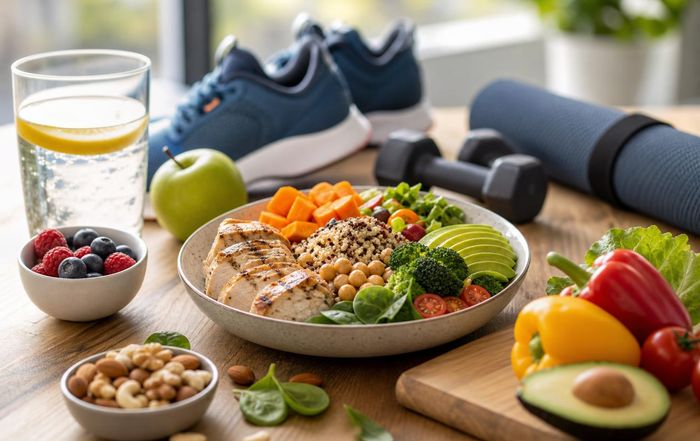
While dietary trends continue to cycle-from low-carb to keto to intermittent fasting-the core macronutrient needs of active women have remained relatively stable, and credible organizations such as the Academy of Nutrition and Dietetics emphasize balance over extremes. A resilient plate for an active life typically includes a thoughtful combination of complex carbohydrates, lean or plant-based proteins, and unsaturated fats, accompanied by generous portions of vegetables and, ideally, some fruit.
Complex carbohydrates, found in foods like whole grains, legumes, and root vegetables, provide the primary fuel for both muscles and the brain. Women who regularly engage in high-intensity workouts, long-distance running, or demanding physical jobs often benefit from timing carbohydrate intake around their most active periods, a strategy supported by sports nutrition research available through resources such as the Gatorade Sports Science Institute. Meanwhile, adequate protein, distributed evenly across meals, supports muscle maintenance, bone health, and satiety; active women in their 30s, 40s, and beyond are increasingly aware of the role protein plays in preserving lean mass and metabolic health, particularly as they navigate hormonal transitions.
Healthy fats, including those from olive oil, nuts, seeds, and fatty fish, support brain function and cardiovascular health, aligning with broader public health recommendations from entities like the American Heart Association. For women juggling leadership roles and caregiving responsibilities, these fats also contribute to sustained energy and mood stability, which can be explored in more depth through the HerStage health section, where the intersection of physical and mental wellbeing is a recurring theme.
Micronutrients, Hormones, and the Female Physiology
Beyond macronutrients, micronutrients play a disproportionately significant role in how women experience their active lives, particularly given the additional considerations of menstrual cycles, pregnancy, postpartum recovery, and perimenopause. Iron, for instance, is critical for oxygen transport and energy production, and women of reproductive age are at higher risk of deficiency, especially if they follow vegetarian or vegan diets or have heavy menstrual bleeding. Trusted resources such as the National Institutes of Health Office of Dietary Supplements provide detailed guidance on recommended intakes and food sources, but the practical implication is clear: fatigue is not always a sign of poor fitness or lack of motivation; it may reflect an underlying nutrient gap.
Calcium and vitamin D are equally pivotal, particularly for women in Europe, North America, and parts of Asia where osteoporosis risk is elevated. Active women who embrace high-impact sports or strength training can significantly improve bone density, but only if their dietary intake supports this adaptation. Similarly, B vitamins, magnesium, and omega-3 fatty acids influence everything from mood regulation to sleep quality, which are essential for women in high-pressure careers who cannot afford prolonged burnout. For those interested in how nutrition intertwines with mental performance and emotional balance, resources from the American Psychological Association and the Cleveland Clinic offer accessible overviews of the emerging science.
In 2026, there is also growing recognition of how nutrition can support women through hormonal transitions, including perimenopause and menopause, which often coincide with peak career phases. Women leaders and professionals who turn to the HerStage women's section increasingly seek nuanced guidance that acknowledges these life stages without pathologizing them, emphasizing nutrient-dense foods, adequate protein, and anti-inflammatory dietary patterns to support sleep, cognitive function, and mood during times of change.
Timing, Rhythm, and the Reality of Busy Schedules
Even the most carefully designed meal plan can fail if it does not align with the rhythms of real life. Active women across continents frequently report that irregular schedules, travel, shift work, and caregiving responsibilities disrupt their ability to maintain consistent eating patterns, leading to skipped meals, late-night overeating, or reliance on ultra-processed convenience foods. Public health data from institutions like the Centers for Disease Control and Prevention highlight the long-term risks of such patterns, but the more immediate impact is often felt in the form of unstable energy, impaired concentration, and increased susceptibility to illness.
For readers of HerStage, the most effective strategy is often to think in terms of rhythms rather than rigid rules. This might mean anchoring the day around a few predictable eating moments-such as a protein-rich breakfast, a balanced midday meal, and a nourishing evening dinner-then adding flexible snacks before or after workouts, during long commutes, or between meetings. Women navigating demanding careers can find additional support in the HerStage career section, where productivity and wellbeing are framed as interdependent rather than competing priorities.
Time-zone shifts and travel, especially for women working across Europe, Asia, and North America, add another layer of complexity. In these cases, focusing on hydration, lighter meals during flights, and quick-access nutrient-dense options upon arrival can ease the strain on digestion and sleep. Resources from organizations such as the Mayo Clinic provide practical advice on managing jet lag and sleep, which, when combined with mindful food choices, can help active women maintain performance even under demanding travel schedules.
Global Food Cultures and Local Realities
One of the strengths of the HerStage audience is its global diversity, spanning continents and cultures with rich culinary traditions. Healthy eating strategies for active lives must therefore be adaptable to local food systems, cultural norms, and economic realities. The Mediterranean dietary pattern, long studied by institutions such as the UNESCO for its cultural and health significance, demonstrates how traditional foods-olive oil, legumes, whole grains, vegetables, and fish-can naturally align with modern performance nutrition principles. Similarly, traditional Japanese, Korean, and certain African and Latin American food cultures offer inherently balanced, plant-forward patterns that support active lifestyles without requiring imported "superfoods."
However, globalization and urbanization have also increased access to ultra-processed foods in regions from Brazil to Malaysia, contributing to rising rates of obesity and metabolic disease, as documented by organizations such as the World Bank. For women in rapidly changing food environments, the challenge is often to preserve or reclaim traditional, minimally processed foods while integrating modern conveniences in a thoughtful way. The HerStage food section can play a pivotal role here by spotlighting recipes, stories, and strategies that respect local cuisines while aligning with contemporary health goals.
In many countries, socioeconomic factors also shape what is realistically possible; fresh produce, high-quality proteins, and specialty health products may be financially or geographically out of reach for some women. In such contexts, practical guidance focuses on making the most of accessible staples-such as beans, lentils, frozen vegetables, canned fish, and whole grains-demonstrating that healthy eating for active lives does not require perfection or luxury, but rather informed, consistent choices within one's own constraints.
Mindful Eating as a Performance Advantage
While nutrition science often emphasizes what and how much to eat, the emerging field of mindful and intuitive eating highlights how women relate to food, hunger, and fullness as a powerful determinant of long-term success. In high-pressure environments, it is common for women to eat quickly at their desks, snack unconsciously while working late, or ignore early hunger signals until they become overwhelming, patterns that can erode both physical and mental health over time. Integrating mindfulness into eating practices can help break this cycle, improving digestion, satisfaction, and emotional balance.
Organizations such as Mindful.org and the Center for Mindful Eating share practices that encourage slowing down, paying attention to the sensory experience of food, and recognizing internal cues. For HerStage readers, these practices align closely with the themes explored in the HerStage mindfulness section, where presence, self-compassion, and intentionality are presented as essential skills for modern women in leadership, caregiving, and creative roles.
In practice, mindful eating might mean taking a few deep breaths before a meal, putting away digital devices, and noticing flavors and textures, even if only for a few minutes during a busy day. Over time, this approach can reduce emotional or stress-driven eating and foster a more trusting relationship with one's body, which in turn supports consistent, sustainable healthy eating strategies for active lives.
Appearance, Confidence, and the Subtle Power of Nutrition
Although healthy eating should be grounded in wellbeing rather than appearance alone, it is also true that nutrition influences how women look and feel in their skin, which can affect confidence in professional and social settings. Skin health, hair strength, and overall vitality are influenced by hydration, antioxidants, and essential fatty acids, as documented by dermatology and nutrition research accessible through organizations like the American Academy of Dermatology. For women who enjoy exploring how nutrition intersects with aesthetics, the HerStage beauty section and the HerStage fashion section offer complementary perspectives, framing appearance as an extension of inner health rather than an isolated goal.
In 2026, the global conversation about beauty and glamour is gradually shifting toward authenticity and diversity, with more women rejecting narrow standards in favor of strength, energy, and personal style. Nutrient-dense eating patterns that support stable energy, clear skin, and healthy hair can reinforce this shift by making women feel more at home in their bodies, whether they are presenting at a board meeting in Zurich, attending a conference in Johannesburg, or leading a community initiative in Bangkok. On HerStage, where lifestyle and glamour are woven into broader narratives of purpose and leadership, nutrition becomes one more tool for cultivating a confident, grounded presence.
Learning, Adapting, and Leading by Example
Healthy eating for active lives is not a static achievement but an ongoing learning process, one that evolves with new research, changing life stages, and shifting responsibilities. Women who embrace this mindset often seek out credible educational resources, from open courses and webinars to articles on platforms like the World Economic Forum, which frequently highlight the links between nutrition, productivity, and economic development. For those eager to deepen their knowledge, the HerStage education section and the HerStage guide section offer curated pathways into topics ranging from meal planning to understanding food labels and navigating conflicting information.
As women gain expertise in managing their own nutrition, many naturally become role models within their families, workplaces, and communities. Leaders who prioritize balanced meals, respect their own hunger and rest needs, and speak openly about the importance of self-care can help shift organizational cultures that glorify overwork and neglect of basic needs. This aligns closely with the themes explored in the HerStage business section, where sustainable leadership is framed as a competitive advantage in a world increasingly concerned with wellbeing and retention.
In a global context marked by climate change, supply chain disruptions, and evolving food technologies, staying informed about sustainable and ethical food systems also becomes part of the conversation. Women who wish to align their personal nutrition with broader values can explore how dietary choices intersect with environmental impact and social equity through resources from organizations such as the Food and Agriculture Organization of the United Nations. Learning more about sustainable business practices in the food sector can further empower HerStage readers to make decisions that support both their own health and the health of the planet.
This Site as Your Partner in Everyday Practice
Ultimately, healthy eating strategies for active lives are about integration rather than perfection: integrating scientific knowledge with cultural heritage, personal preferences with practical constraints, and individual wellbeing with collective responsibility. For the women and men who gather on HerStage from cities and communities across the world, nutrition is one thread in a larger tapestry that includes leadership, self-improvement, health, career, and lifestyle choices.
By engaging with the diverse 100% original content across HerStage, from leadership insights to mindfulness practices and practical food guidance, readers can craft a personal approach to nutrition that supports not only their current goals but also their long-term aspirations. Whether they are training for a marathon in Stockholm, launching a startup in Toronto, returning to education in Madrid, or managing a household in Kuala Lumpur, the principles remain consistent: listen to the body, prioritize quality over restriction, respect the realities of daily life, and remain open to learning.
In doing so, active women transform healthy eating from a source of pressure into a quiet, reliable foundation-one that sustains their energy, sharpens their minds, stabilizes their moods, and allows them to show up fully on every stage of their lives, in every country and community they call home.
