
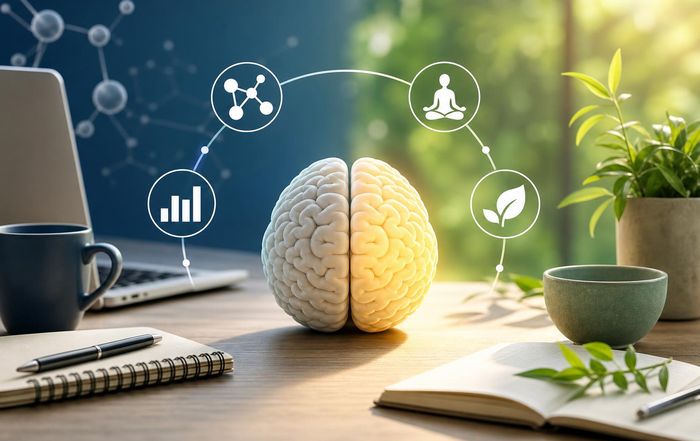
The Science of Productive Breaks: How High-Achieving Women Reset, Refocus, and Rise
As women across the world navigate demanding careers, complex family responsibilities, and ambitious personal goals, the idea of "taking a break" can still feel counterintuitive, even risky. Yet a growing body of research in neuroscience, organizational psychology, and occupational health shows that strategic, well-designed breaks are not a luxury but a core performance tool, essential for sustained leadership, creativity, and wellbeing. For the normally pretty successful people here, whose lives are shaped by ambition and purpose, understanding the science of productive breaks is increasingly becoming a competitive advantage rather than a soft perk.
Why the Brain Needs Breaks to Perform at Its Peak
Modern work cultures in the United States, United Kingdom, Germany, Canada, Australia, and far beyond still quietly reward endurance and presenteeism, yet the human brain is biologically wired for oscillation rather than constant linear effort. Cognitive scientists have shown that attention naturally waxes and wanes in cycles, and that mental performance declines significantly when individuals push through fatigue without pause. Researchers at institutions such as Harvard Medical School and Stanford University have repeatedly highlighted how chronic overwork impairs executive function, emotional regulation, and decision quality, especially under stress. Those who want to understand how rest shapes neural performance can explore how the brain consolidates information during downtime and why deep work requires deliberate recovery.
The prefrontal cortex, which governs complex reasoning, impulse control, and planning, is particularly sensitive to overload. When it is forced to operate without sufficient rest, errors increase, creativity falls, and emotional reactivity rises, which is especially concerning for women in leadership roles who are expected to maintain clarity under pressure. Neuroscientists studying the so-called "default mode network" have also shown that when the mind wanders during a break, it is not idle but engaged in background processing, integrating information, and generating insights. Those interested in how this network supports creativity can learn more about the neuroscience of mind wandering and its impact on innovation.
For women striving to advance their careers while maintaining health and fulfillment, the implication is clear: breaks are not an interruption of productivity but a biological requirement for high performance. Online today, conversations around women and leadership increasingly recognize that rest must be built into the architecture of a successful professional life, rather than treated as an afterthought or reward.
Gender, Leadership, and the Hidden Cost of Pushing Through
The science of productive breaks is particularly relevant for women who often carry a disproportionate load of both paid work and unpaid domestic labor in regions from Europe to Asia, Africa, and South America. Studies from organizations like McKinsey & Company and LeanIn.Org have documented how women leaders frequently face higher expectations around emotional labor, people management, and organizational culture, while also navigating persistent bias and the pressure to prove their competence. Learning more about the state of women in the workplace reveals how these demands compound stress and increase the risk of burnout.
In sectors such as finance, technology, healthcare, and law, where long hours are still valorized, women often internalize the belief that stepping away, even briefly, might be perceived as a lack of commitment. Yet occupational health research from bodies like the World Health Organization shows that chronic stress, sleep deprivation, and insufficient recovery are linked to higher rates of anxiety, depression, cardiovascular disease, and metabolic disorders, with women in many countries reporting higher levels of stress and burnout than men. Those who want to explore global mental health trends can examine how stress manifests differently across regions and demographics.
For ambitious women in North America, Europe, and rapidly growing economies in Asia such as Singapore, South Korea, and Japan, this creates a paradox: the very habits that appear to signal dedication may, in fact, undermine long-term impact and career longevity. By reframing breaks as a strategic leadership tool rather than a sign of weakness, women can protect their health, sharpen their thinking, and model sustainable success for their teams. On HerStage, the intersection of career growth and self-improvement is increasingly framed through this lens of sustainable performance rather than relentless hustle.
What Makes a Break "Productive" in Scientific Terms
Not all breaks are created equal, and the science is clear that the quality, timing, and content of a break determine whether it restores or merely distracts. Cognitive psychology research has identified several dimensions that distinguish a productive break from a passive pause. First, there is the question of timing. Evidence suggests that short, frequent breaks are more effective for maintaining performance than infrequent, longer ones, particularly for cognitively demanding work. Those interested in structured work-rest cycles can explore approaches like the Pomodoro Technique and how time-blocking supports deep work.
Second, the nature of the activity matters greatly. Breaks that involve switching to a different type of cognitive load, such as moving from analytical work to a brief creative task, can help reset attention, while breaks that involve physical movement have been shown to improve mood, circulation, and cognitive flexibility. Research published by organizations such as the American Psychological Association points out that even light physical activity can reduce stress markers and enhance problem-solving ability, especially when performed regularly throughout the day. Readers can learn more about the mental health benefits of exercise and its role in workplace wellbeing.
Third, breaks that include exposure to nature or even brief visual contact with natural environments appear to have a disproportionate restorative effect. Studies in environmental psychology have found that viewing green spaces or spending a few minutes outdoors can reduce mental fatigue and improve concentration. Urban professionals in cities from London to New York, Berlin, Paris, Tokyo, and Singapore can benefit from intentional micro-moments of nature, whether in a nearby park or through biophilic design in their offices. Those curious about this field can explore how green spaces influence cognitive performance and emotional balance.
On this premium daily updated website, the science of breaks aligns closely with themes explored in health and wellbeing, where readers are encouraged to design daily rituals that nourish body and mind rather than defaulting to reactive coping mechanisms such as endless scrolling or late-night work marathons.
Microbreaks, Movement, and the Physiology of Reset
One of the most actionable insights from recent research is the power of microbreaks, which are short pauses lasting from 30 seconds to a few minutes, taken regularly throughout the day. While they may appear insignificant, evidence from occupational health studies indicates that microbreaks can significantly reduce musculoskeletal strain, eye fatigue, and mental exhaustion, particularly for individuals who spend long hours at a screen. Guidance from organizations like Mayo Clinic and Cleveland Clinic emphasizes simple practices such as standing, stretching, or walking briefly to counteract the risks associated with prolonged sitting. Professionals can explore how sedentary behavior affects long-term health and why even small bursts of movement matter.
Physiologically, these short breaks interrupt the build-up of stress hormones such as cortisol and allow the autonomic nervous system to recalibrate. Techniques such as slow, diaphragmatic breathing or box breathing can activate the parasympathetic "rest and digest" response, lowering heart rate and promoting a sense of calm. Resources from institutions like Johns Hopkins Medicine and NHS in the United Kingdom provide accessible explanations of how breathwork influences the nervous system and supports resilience under pressure.
For women leading teams in high-stakes environments, incorporating visible microbreaks into the rhythm of meetings and work sessions sends a powerful cultural signal. It normalizes the idea that performance is cyclical and that short pauses are integral to excellence. Within the HerStage community, this approach resonates with a broader conversation about mindfulness and intentional living, where small, repeated practices accumulate into profound shifts in wellbeing and effectiveness.
Deep Breaks: Weekends, Vacations, and Sabbaticals as Strategic Assets
While microbreaks and short daily pauses are crucial, the science of recovery also underscores the importance of deeper, more extended breaks. Weekends, vacations, and, for some, sabbaticals provide opportunities for full psychological detachment from work, which research has shown to be essential for preventing burnout and restoring motivation. Organizational behavior studies from institutions such as INSEAD and London Business School have examined how leaders who fully disconnect during longer breaks return with greater clarity, creativity, and strategic perspective. Those interested in this area can explore how detachment and recovery influence leadership effectiveness.
Yet in many high-pressure industries across North America, Europe, and Asia-Pacific, a culture of constant connectivity persists, facilitated by smartphones and collaboration platforms. Professionals often feel compelled to check email during holidays or remain available across time zones, undermining the restorative potential of their time away. Reports from bodies like the International Labour Organization highlight how long working hours and blurred boundaries have become significant occupational health risks in both developed and emerging economies. Readers can learn more about the global impact of overwork and the policy debates around working time.
For women, the challenge of deep breaks is often compounded by caregiving responsibilities, whether for children, aging parents, or extended family members. Designing a truly restorative break may require intentional planning, negotiation with partners or relatives, and, in some cases, the willingness to invest in external support. On HerStage, where lifestyle and world coverage often intersect, stories increasingly highlight how women in countries from Sweden and Norway to New Zealand and South Africa are experimenting with creative models of shared care and flexible work to enable meaningful rest without sacrificing ambition.
The Role of Nutrition, Sleep, and Movement in Productive Rest
Productive breaks are not only about stepping away from a task; they are also about what individuals do with that time in terms of nourishment, sleep, and movement. Nutrition science has shown that blood sugar stability, hydration, and micronutrient intake directly influence cognitive performance, mood, and energy. Organizations such as the World Health Organization and Harvard T.H. Chan School of Public Health provide evidence-based guidance on dietary patterns that support sustained brain function, such as the Mediterranean and DASH diets. Those who want to align their eating habits with their performance goals can explore how nutrition affects concentration and resilience.
For many individuals in countries like Italy, Spain, France, and Brazil, where food culture is deeply embedded in daily life, the midday meal can become a powerful, intentional break rather than a rushed, distracted refueling. Exploring recipes and mindful eating practices through HerStage's food coverage can inspire new rituals that blend pleasure, health, and productivity.
Sleep, too, is a cornerstone of effective recovery. Neuroscience research from institutions such as University of California, Berkeley has shown how sleep supports memory consolidation, emotional regulation, and problem solving, while chronic sleep deprivation undermines almost every domain of cognitive and physical health. Organizations like the National Sleep Foundation and Sleep Foundation provide practical recommendations on sleep duration, timing, and sleep hygiene that can help high-achieving women protect this non-negotiable form of deep rest. Readers can learn more about how sleep affects leadership, creativity, and long-term health.
Movement, whether through structured exercise or informal activity, amplifies the benefits of breaks by improving circulation, supporting metabolic health, and releasing endorphins that elevate mood. Public health guidelines from agencies such as the U.S. Centers for Disease Control and Prevention and Public Health England outline recommended activity levels and highlight the mental health benefits of regular exercise. On HerStage, these themes intersect with health and self-improvement, encouraging women to treat movement not as another obligation but as a powerful lever for energy, confidence, and presence.
Mindful Breaks: Training Attention in a Distracted World
In an era defined by digital distraction and information overload, the quality of attention during breaks matters as much as the act of taking them. Mindfulness and contemplative practices offer a way to transform breaks into moments of mental training rather than passive consumption. Research from institutions such as University of Oxford and UCLA has documented how mindfulness meditation can reduce stress, improve attentional control, and increase emotional resilience, even when practiced in short daily sessions. Those interested in this field can learn more about the evidence base for mindfulness and its applications in workplaces.
Mindful breaks can be as simple as three minutes of focused breathing, a short body scan, or a brief gratitude reflection between meetings. What distinguishes them from habitual scrolling is the intention to observe thoughts and sensations without judgment, allowing the mind to reset rather than become further fragmented. In regions from Singapore and Thailand to Finland and Denmark, where interest in contemplative practices has grown significantly, many organizations are experimenting with workplace mindfulness programs as part of broader wellbeing strategies.
For the community, here, where mindfulness and education often converge, these practices are increasingly seen not as esoteric but as practical tools that can be integrated into leadership development, performance coaching, and personal growth journeys. By approaching breaks as an opportunity to train attention, women can strengthen the very mental muscles required for strategic thinking, empathy, and innovation.
Breaks, Creativity, and Strategic Thinking in Business
From a business perspective, the science of productive breaks has profound implications for innovation and competitive advantage. Research in creativity and problem solving has repeatedly shown that insights often emerge after a period of incubation, when the conscious mind steps away from the problem and engages in an unrelated activity. Classic experiments in psychology, as well as more recent studies in organizational settings, demonstrate that individuals who take structured breaks are more likely to generate original solutions than those who persist without pause. Those who want to explore this phenomenon can learn more about incubation and creativity in cognitive science.
In the context of modern organizations, where complex, ambiguous challenges are the norm, this means that leaders who design work rhythms that include thoughtful pauses are more likely to foster breakthrough thinking. Reports from innovation consultancies and research centers, such as MIT Sloan Management Review, discuss how companies that prioritize psychological safety, recovery, and flexible work patterns often outperform peers on measures of creativity and employee engagement. Readers can learn more about how workplace design and culture influence innovation outcomes.
On HerStage, where business and career reporting frequently highlight women reshaping industries in China, Netherlands, Switzerland, Malaysia, and beyond, the stories of founders, executives, and creators increasingly reflect a shift away from glorifying exhaustion and toward celebrating sustainable, cyclical work patterns. These leaders recognize that the capacity to zoom out, reflect, and reset is not incidental but central to strategic excellence.
Redesigning Work Culture: From Individual Habit to Collective Norm
While individual women can adopt evidence-based break practices, meaningful change also depends on organizational and societal norms. In many countries, labor regulations, corporate policies, and cultural expectations still implicitly discourage downtime, even when official wellbeing programs exist. Reports by institutions such as the OECD and Eurofound highlight how working time, flexibility, and rest periods vary widely across regions, with some countries in Europe and Asia-Pacific experimenting with shorter workweeks and protected break times. Those interested in policy innovations can learn more about global experiments in working hours and productivity.
Forward-thinking organizations, including global firms in technology, consulting, and creative industries, are beginning to redesign workflows, meeting structures, and performance metrics to encourage genuine recovery. This may include shorter virtual meetings with built-in buffer time, no-meeting blocks for deep work, protected lunch breaks, and explicit norms around after-hours communication. Research from bodies like Gallup and Deloitte suggests that such changes not only reduce burnout but also improve retention, engagement, and employer brand, particularly among women and younger professionals. Those who want to explore these dynamics can learn more about the business case for wellbeing.
For the kind and loyal community, which spans Global audiences from South Africa to New Zealand, Japan to Brazil, these shifts in work culture are not merely workplace trends but essential components of an equitable future of work. When breaks are normalized, protected, and strategically designed, women are better able to integrate leadership, health, family, and personal aspirations, rather than being forced to choose among them.
Integrating Great Productive Breaks into a Holistic Life Design!
Ultimately, the science of productive breaks is not only about optimizing output; it is about crafting a sustainable, meaningful life in which ambition, wellbeing, and joy can coexist. For women who engage with us across areas such as women's empowerment, fashion and presence, beauty and self-care, and glamour and public image, breaks can also become a canvas for self-expression and intentional living.
A midday pause might involve a nourishing meal, a short walk in the city, or a moment of reflection with a journal. An evening break from digital devices might become a ritual of skincare, reading, or connection with loved ones. A weekend could be dedicated to learning, creativity, or nature, aligning with the kind of holistic personal development often explored in the new guides and features. Across continents and cultures, from North America to Asia, Europe to Africa, these small, recurring acts of rest and renewal quietly redefine what power and success look like.
As the science continues to evolve, one principle stands firm: high performance is not the result of uninterrupted effort but of intelligently managed cycles of focus and recovery. For women leading in boardrooms, classrooms, studios, laboratories, and homes around the world, mastering the art and science of productive breaks is becoming one of the most sophisticated forms of self-leadership. In the pages of HerStage, this understanding is not abstract theory but a lived, daily practice that allows women to show up as their most present, creative, and courageous selves-today, in 2026, and in the demanding years ahead.
