
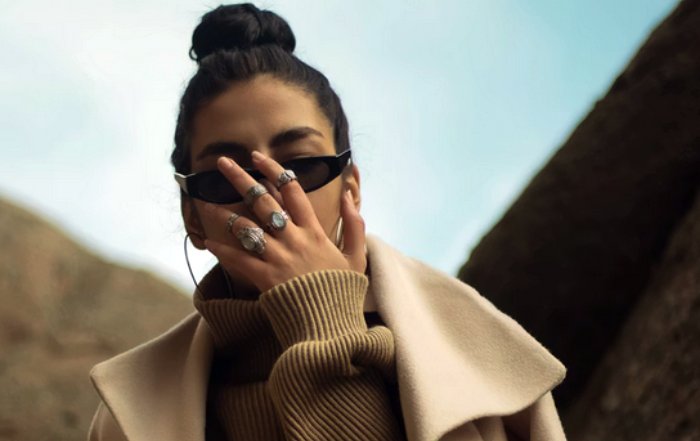
How Style Becomes a Strategic Form of Self-Expression in a Changing World
Style as an Evolving Language of Identity in 2026
By 2026, style has fully transcended the narrow association with clothing and cosmetics and has matured into a complex language through which individuals communicate identity, values, aspirations, and social positioning. For the global community of women and allies who turn to HerStage for insight and inspiration, style is increasingly recognized as a strategic asset that shapes how they move through boardrooms, creative studios, digital platforms, and public life. In an era marked by artificial intelligence, climate urgency, social justice movements, and hybrid work models spanning continents, the question is no longer whether style matters, but how consciously it can be used as a deliberate form of self-expression, leadership, and influence.
Style now operates at the intersection of psychology, culture, economics, and technology, and its impact is measurable in both personal and professional outcomes. Research from organizations such as the American Psychological Association shows that clothing and appearance influence not only how others perceive a person, but also how that person experiences herself, affecting confidence, decision-making, and performance. Readers who explore the HerStage sections on leadership and career increasingly understand that style is not a superficial concern but a visible component of executive presence and personal brand. As global conversations about diversity, equity, and inclusion reshape norms from New York to Nairobi and from London to Seoul, style becomes a powerful tool for women and underrepresented voices to assert authenticity while navigating complex expectations across industries, cultures, and generations.
The Psychology of Style and the Inner Narrative
Psychologists and behavioral scientists continue to explore "enclothed cognition," a concept popularized by research at institutions such as Northwestern University, which describes how clothing systematically shapes the wearer's psychological processes. When a woman in Berlin selects a sharply tailored blazer for a board presentation, a founder in Singapore chooses a bold lipstick for an investor pitch, or a strategist in Toronto opts for a monochrome ensemble for a demanding day of deep work, she is not merely dressing for others; she is priming her own mind for a specific role, level of performance, and internal narrative. Those who follow self-improvement insights on HerStage increasingly integrate this understanding into daily routines, using style as an intentional trigger for focus, composure, and resilience.
Personal style, however, is never formed in a vacuum; it is shaped by early experiences, cultural narratives, and internalized messages about beauty, worth, and belonging. Organizations like The British Psychological Society have highlighted how socialization and media exposure influence body image, color preferences, and comfort with experimentation. As women across the United States, United Kingdom, Germany, Canada, Australia, France, Italy, Spain, and beyond question inherited rules about what is considered "professional," "feminine," or "age-appropriate," they create room for style to move away from conformity and toward self-definition. This psychological shift is reflected in the growing confidence with which professionals embrace natural hair textures, visible disabilities, cultural garments, and gender-fluid silhouettes, transforming once rigid dress codes into frameworks that can accommodate both performance and authenticity. Learn more about the psychological dimensions of appearance and self-concept through resources from the American Psychological Association, which examine how self-presentation connects to identity formation and mental health.
Culture, Identity, and the Global Conversation of Style
Style is always in dialogue with culture, and in 2026 that dialogue is more global, fluid, and multi-directional than at any previous moment. Traditional fashion capitals such as New York, London, Paris, and Milan continue to shape trends through institutions like Vogue and the Council of Fashion Designers of America, yet digital platforms and streaming services have diversified the style canon far beyond Western runways. Korean streetwear, Nigerian gele headwraps, Scandinavian minimalism, Japanese avant-garde silhouettes, and Brazilian beachwear aesthetics now coexist in the same digital feeds, inspiring individuals to experiment with hybrid aesthetics that mirror their layered identities. Those who explore world perspectives on HerStage see how style serves as a bridge between local heritage and global belonging, enabling women to honor their roots while engaging in a shared international conversation.
This cultural interplay is particularly pronounced in diasporic communities, where style becomes a practical tool for negotiating multiple identities simultaneously. A second-generation professional in London may pair a sharply tailored suit with jewelry rooted in South Asian craftsmanship, subtly signaling pride in her heritage while aligning with Western corporate norms. In cities such as Amsterdam, Copenhagen, and Zurich, where sustainability and social responsibility are integral to civic identity, the choice to wear upcycled garments or ethical sneakers from companies endorsed by organizations like Fashion Revolution communicates not only aesthetic taste but also a commitment to environmental and social justice. Learn more about sustainable business practices through resources from the UN Environment Programme, which analyzes the environmental footprint of fashion and promotes more responsible production and consumption models that resonate with the values of conscious consumers.
Digital Platforms, AI, and the Curated Self
The digital landscape has dramatically redefined how style is created, displayed, and interpreted, and by 2026 artificial intelligence has added new layers of complexity to this evolution. Platforms such as Instagram, TikTok, and YouTube have turned millions of individuals into visual storytellers, curating personal narratives through outfits, makeup, interiors, and even culinary presentation. For many women who engage with lifestyle content on HerStage, their digital presence functions as an extension of their offline identity, and style becomes a central narrative device in this ongoing story. Daily decisions about what to wear, how to style hair, or which accessories to highlight are often made with an awareness of how these choices will appear on camera, in short-form video, or in professional profile imagery.
At the same time, the integration of AI-driven recommendation engines and virtual try-on tools has intensified both opportunity and pressure. Algorithms on major platforms and e-commerce sites now suggest outfits, color palettes, and beauty products based on browsing history, peer behavior, and facial recognition, blurring the line between inspiration and subtle nudging toward homogeneity. Organizations like UN Women and the World Health Organization have raised concerns about the mental health impact of constant visual comparison and the amplification of narrow beauty standards through algorithmic bias, particularly for girls and young women. Learn more about digital wellbeing and self-esteem through resources from Common Sense Media, which emphasize media literacy, critical consumption, and healthier online habits. Within this landscape, style as self-expression becomes a careful balancing act between external validation and internal alignment, where the most empowered individuals use digital platforms as tools to amplify an authentic voice rather than as mirrors that dictate who they should be.
Style, Leadership, and Executive Presence in a Hybrid World
In corporate, entrepreneurial, and public-sector environments, style has become a visible and strategic dimension of leadership. Research from Harvard Business School and McKinsey & Company continues to demonstrate that women who cultivate a consistent and authentic personal brand-of which style is a significant component-are more likely to be perceived as credible, memorable, and trustworthy. For the business-focused audience of HerStage, who regularly visit the business and leadership sections, this understanding reframes wardrobe choices as investments in long-term professional capital rather than mere aesthetic preferences.
Executive presence, often described as a combination of gravitas, communication, and appearance, does not require adherence to a single template. Instead, it invites leaders to consider which visual signals align with their values, their industry context, and the culture they aspire to shape. A technology founder in San Francisco or Bangalore may favor minimalist, gender-neutral silhouettes that communicate innovation, efficiency, and a future-facing mindset, while a creative director in Milan or Paris may lean into sculptural accessories and saturated color that signal artistic confidence and a distinctive point of view. Organizations such as LeanIn.Org and Catalyst highlight that authenticity is an essential component of sustainable leadership, emphasizing that attempts to mimic outdated norms often erode trust, particularly among younger, values-driven employees. Learn more about inclusive leadership practices through Catalyst, which explores how leaders can use every aspect of their presence, including style, to foster belonging and psychological safety in increasingly diverse teams.
Fashion, Beauty, and the Politics of Visibility
Style is never entirely apolitical, and in 2026 it remains deeply entangled with questions of power, representation, and access. Global movements such as Black Lives Matter, MeToo, and ongoing campaigns for LGBTQ+ rights, disability inclusion, and religious freedom have demonstrated how clothing, makeup, and hair can become potent symbols of resistance, solidarity, and pride. When professionals in the United States and Europe choose natural hairstyles in workplaces that historically privileged Eurocentric standards, when executives wear pins, ribbons, or color palettes associated with social justice causes, or when non-binary leaders embrace gender-fluid tailoring in high-visibility roles, they are using style to challenge entrenched norms and to claim space for new narratives. Learn more about the intersection of fashion, labor, and human rights through organizations like Human Rights Watch, which documents how dress codes and appearance-based discrimination affect access to opportunities across regions and industries.
For many readers of HerStage, particularly those exploring beauty and fashion, the politics of visibility are lived realities rather than abstract debates. The decision to wear a hijab in a European corporate environment, to display tattoos in a conservative office in Asia, or to adopt androgynous fashion in a North American startup can invite admiration, curiosity, or bias, sometimes in equal measure. Institutions such as the Equal Employment Opportunity Commission in the United States and human rights bodies across Europe, Asia, and Africa have increasingly recognized appearance-based bias as a workplace issue, yet informal judgments and coded expectations often persist beneath formal policies. Within this context, style as self-expression becomes both an act of courage and an exercise in boundary-setting, as individuals decide how much of their authentic self to reveal in each setting and how to respond when that authenticity is questioned or penalized.
Health, Wellbeing, and the Embodied Experience of Style
Style is not solely visual; it is deeply embodied. The way clothing fits, the weight and breathability of fabrics, the ergonomics of footwear, and the sensory experience of skincare or cosmetics all shape how a person inhabits her body throughout the day. Health organizations such as Mayo Clinic and Cleveland Clinic continue to highlight the impact of footwear on posture and joint health, the importance of breathable materials for skin conditions, and the psychological benefits of self-care rituals for stress reduction and mood regulation. For readers who explore health and mindfulness on HerStage, style becomes inseparable from wellbeing, underscoring that meaningful self-expression should not come at the expense of comfort, mobility, or long-term physical health.
The global normalization of hybrid and remote work has accelerated a reconsideration of what "professional" dressing should feel like. Across Canada, Australia, Japan, South Korea, the Nordics, and beyond, professionals now integrate soft tailoring, athleisure, and ergonomic footwear into their daily wardrobes, blending polish with practicality in ways that would have been considered unconventional a decade ago. Mental health advocates, including organizations like Mind in the United Kingdom and the National Alliance on Mental Illness in the United States, point to the role of clothing in either exacerbating stress-through restrictive, uncomfortable outfits worn solely to impress-or supporting calm and confidence by aligning with the body's needs. Learn more about stress, anxiety, and lifestyle factors through Mind, which provides guidance on how everyday choices, including dress, can influence mental wellbeing. In 2026, the most progressive style philosophies recognize that true self-expression honors both aesthetic intention and physical ease, allowing women to move through their lives with a sense of grounded presence rather than performative strain.
Food, Lifestyle, and the Aesthetic of Everyday Life
While fashion and beauty are central to discussions of style, self-expression also extends into food, home environments, and daily rituals in ways that the HerStage audience intuitively recognizes. The rise of visually driven culinary culture-amplified by platforms such as Bon Appétit and The New York Times Cooking-has turned meals into a canvas for creativity, identity, and cultural storytelling. Individuals who follow food content and lifestyle guidance on HerStage often notice parallels between the colors on their plates, the textures in their living spaces, and the palettes in their wardrobes. A preference for minimalist, neutral interiors in a Stockholm apartment may be echoed in clean, simple culinary presentations, while a love of bold prints and statement accessories might correspond with adventurous flavors, vibrant spices, and expressive table settings.
This holistic view positions style as an ecosystem rather than a set of isolated decisions. The same person who curates a capsule wardrobe of timeless, high-quality pieces may choose durable, ethically produced cookware and prioritize seasonal, locally sourced ingredients, aligning with the broader sustainability ethos championed by organizations such as the Ellen MacArthur Foundation. Learn more about circular economy principles and how they influence product design, consumption, and waste reduction across fashion, interiors, and consumer goods through resources from the Ellen MacArthur Foundation, which collaborates with brands and policymakers worldwide. In this framework, everyday choices-from the ceramic mug on a desk in Amsterdam to the street food selected in Bangkok-become expressions of values and identity, reinforcing the insight that style is woven through the full tapestry of daily life rather than confined to the contents of a closet.
Education, Career Growth, and Styling as a Professional Skill
As style becomes more central to personal branding and career advancement, it is increasingly treated as a skill that can be learned, refined, and strategically applied rather than an innate talent possessed by a select few. Educational institutions and online platforms, including Coursera and edX, now offer courses that intersect fashion, design thinking, marketing, and branding, helping students and professionals understand how visual communication shapes perception in both physical and digital environments. For readers exploring education and career development on HerStage, this shift presents an opportunity to approach style with the same intentionality they bring to negotiation, public speaking, or financial planning.
Mentors, executive coaches, and image consultants are increasingly explicit in encouraging clients to build style strategies that support long-term objectives. This may involve identifying a small set of signature pieces that become recognizable elements of a personal brand, developing a cohesive color story that photographs well across different media, or curating a wardrobe that transitions smoothly between on-screen meetings, in-person presentations, and international travel. Professional platforms such as LinkedIn emphasize the importance of visual consistency in profile photos, banners, and content, noting that these images often form the first impression in cross-border careers and remote hiring processes. Learn more about strategic personal branding through LinkedIn's own resources on career development, which underscore how intentional visual presentation can complement skills and experience. By treating style as a professional competency embedded within the broader portfolio of leadership abilities, women from South Africa to Sweden, from Brazil to Japan, are reclaiming control over how they appear and the stories their appearance supports.
Mindfulness, Ethics, and the Future of Self-Expression
Looking ahead, the most consequential conversations about style as self-expression are likely to center on mindfulness, ethical responsibility, and the integration of technology in ways that respect human dignity. As climate concerns intensify and supply chain transparency improves through tools such as blockchain and advanced data analytics, consumers are increasingly aware of the environmental and social implications of their style decisions. Organizations such as the World Economic Forum and the OECD continue to spotlight the fashion industry's contribution to global emissions, water usage, and labor practices, urging brands, policymakers, and individuals to adopt more sustainable models. Learn more about responsible consumption and production through the United Nations Sustainable Development Goals, particularly SDG 12, which provides a global framework for aligning lifestyle choices with planetary wellbeing.
For the HerStage community, which spans North America, Europe, Asia, Africa, and South America, mindfulness in style means pausing to ask deeper questions before purchasing or presenting: Does this garment or product reflect my values as well as my aesthetic preferences? Does it support artisans, workers, and communities fairly, whether they are in Italy, Bangladesh, Vietnam, or Ethiopia? Does it allow me to feel like the truest version of myself, rather than a carefully curated performance for an algorithm or an audience? Readers who explore the guide and self-improvement sections are increasingly drawn to practices such as intentional wardrobe planning, journaling about how different outfits influence mood and confidence, and experimenting with "no-buy" or "low-buy" periods to recalibrate their relationship with consumption and rediscover creativity within what they already own.
In this emerging paradigm, style is not a static label but an evolving dialogue between the self and the world. As women advance in their careers, navigate transitions such as parenthood, relocation, or entrepreneurship, and move across geographies-from New York to Nairobi, from Tokyo to Toronto, from Cape Town to Copenhagen-their style adapts, reflecting new insights, priorities, and responsibilities. The role of platforms like HerStage, accessible via herstage.com, is to provide nuanced perspectives, practical guidance, and inspiring narratives that honor this evolution, recognizing that each reader's journey with style is deeply personal yet also part of a larger collective story about empowerment, visibility, and agency.
Ultimately, style becomes a powerful form of self-expression when it is rooted in self-knowledge, informed by culture and conscience, and practiced with both courage and care. In 2026 and beyond, the most compelling expressions of style will not be those that merely echo transient trends, but those that reveal the complexity, resilience, and vision of the women who embody them-and, in doing so, quietly but decisively reshape the worlds they inhabit in business, culture, and everyday life.
