
Healthy Foods That Boost Everyday Vitality in 2026
In 2026, as women across the world navigate demanding careers, evolving family responsibilities, and a rapidly changing global landscape, the pursuit of everyday vitality has become less of a luxury and more of a strategic imperative. On HerStage, where conversations about women, leadership, self-improvement, health, and lifestyle intersect, the question is no longer simply what to eat, but how food choices can systematically support sustained energy, cognitive clarity, emotional balance, and long-term resilience. Healthy eating is no longer framed only as a matter of calories or appearance; it is increasingly understood as a core performance tool, a foundation for leadership presence, and a daily act of self-advocacy.
This shift is especially evident among women professionals in regions as diverse as the United States, Europe, Asia, and Africa, who are integrating nutrition into broader personal development strategies alongside leadership training and mental health practices. As organizations from World Health Organization (WHO) to Harvard T.H. Chan School of Public Health expand their guidance on optimal dietary patterns, and as digital platforms make high-quality nutrition information more accessible than ever, women are better positioned to curate food routines that align with their ambitions and values. Within this context, healthy foods that boost everyday vitality are not abstract recommendations; they are practical tools that can be woven into the realities of work, caregiving, travel, and community engagement.
Rethinking Vitality: From Quick Fixes to Sustainable Energy
For decades, many women were conditioned to think of energy in terms of short-term boosts, relying on caffeine, sugar, and convenience snacks to power through long days in offices, factories, classrooms, or entrepreneurial ventures. However, research from institutions such as Mayo Clinic and Cleveland Clinic increasingly emphasizes that genuine vitality is tied to stable blood sugar, balanced hormones, sufficient micronutrients, and an anti-inflammatory dietary pattern that supports cardiovascular, brain, and gut health over time. Learn more about the health impact of ultra-processed foods through resources provided by WHO.
On HerStage, where readers explore topics from women's health and empowerment to career advancement, vitality is viewed as a multi-dimensional asset. It is the steady, reliable energy that allows a woman in London to lead a high-stakes client presentation, a founder in Nairobi to manage investor meetings and childcare, or a doctor in São Paulo to complete a night shift with clarity and compassion. This reframing moves the conversation away from restrictive diets and toward nutrient density, metabolic flexibility, and the synergy between food, movement, sleep, and mental well-being.
The Science of Everyday Vitality: How Food Fuels Mind and Body
The biological mechanisms that connect food to vitality are now better understood than ever. Research compiled by National Institutes of Health (NIH) has highlighted how macro- and micronutrients influence mitochondrial function, neurotransmitter synthesis, and hormonal balance, all of which shape daily energy levels, mood, and cognitive performance. Learn more about nutrition and metabolism by exploring the NIH nutrition resources.
Carbohydrates, proteins, and fats each play distinct roles in sustaining vitality. Complex carbohydrates from whole grains, legumes, fruits, and vegetables provide a steady release of glucose, which is essential for brain function and physical stamina, especially when combined with fiber that slows absorption and supports gut health. High-quality proteins supply amino acids that form neurotransmitters such as serotonin and dopamine, which influence mood, motivation, and focus, while also supporting muscle repair and immune function. Healthy fats from sources like nuts, seeds, avocados, and fatty fish contribute to cell membrane integrity, hormone production, and anti-inflammatory processes, which are crucial for women managing stress, perimenopause, or demanding training schedules. Readers interested in the interplay between diet and hormonal health can explore additional perspectives in the HerStage health section.
Micronutrients such as iron, B vitamins, magnesium, omega-3 fatty acids, and antioxidants have also emerged as key players in the vitality equation. Iron deficiency, for example, remains a significant concern for women worldwide and can manifest as fatigue, brain fog, and reduced exercise tolerance. B vitamins support energy metabolism at a cellular level, while magnesium contributes to muscle relaxation, sleep quality, and stress modulation. Omega-3 fatty acids from fish and plant sources support brain health and may help regulate mood, as noted by analyses from Harvard Health Publishing, which offers accessible insights into healthy eating patterns.
Global Dietary Patterns That Support Vitality
Around the world, traditional dietary patterns that emphasize whole, minimally processed foods are being re-examined through a modern lens. The Mediterranean diet, long associated with reduced cardiovascular risk and longevity, is now widely recognized as a vitality-supporting pattern, rich in vegetables, fruits, whole grains, legumes, nuts, olive oil, and moderate amounts of fish and fermented dairy. European Society of Cardiology and other professional bodies have highlighted the benefits of such patterns for heart health, cognitive function, and inflammation management, making them relevant for women in Italy, Spain, France, and beyond who seek sustainable energy across the lifespan. Learn more about Mediterranean-style eating through resources from the European Society of Cardiology.
In Asia, traditional Japanese and Korean dietary patterns that incorporate seaweed, fermented foods, vegetables, soy, and fish offer further examples of vitality-supportive eating, particularly through their focus on umami-rich, nutrient-dense ingredients with relatively low levels of added sugar. In India and parts of Southeast Asia, legume-based dishes, spice-rich curries, and vegetable-forward plates illustrate how plant-centric meals can provide ample protein, fiber, and antioxidants when thoughtfully composed. For women in rapidly urbanizing regions, however, the rise of ultra-processed foods and sugary beverages has challenged these traditional patterns, underscoring the importance of informed choices in supermarkets, cafeterias, and delivery apps. Global organizations such as FAO and UN Women continue to explore how food systems and gender intersect, particularly as women often bear primary responsibility for family nutrition; their analyses can be explored through platforms like the Food and Agriculture Organization.
HerStage readers in North America, Europe, Asia-Pacific, and Africa are increasingly blending these traditional patterns with modern nutritional science. Many are experimenting with flexitarian or plant-forward diets, integrating global ingredients, and learning how to build meals that support their unique health profiles, life stages, and cultural preferences. The HerStage food section reflects this diversity, showcasing how women adapt global food wisdom to local realities and personal goals.
Key Food Groups That Elevate Daily Energy
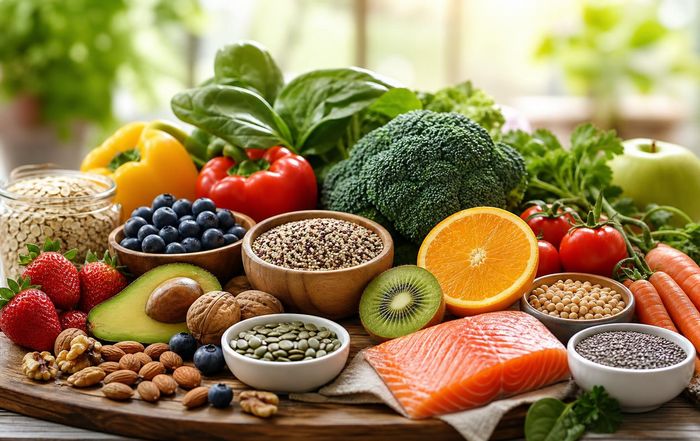
While there is no single "perfect" diet, certain food groups consistently emerge in research as central to everyday vitality. Vegetables and fruits, particularly deeply colored varieties such as leafy greens, berries, citrus, carrots, and cruciferous vegetables, provide vitamins, minerals, fiber, and phytonutrients that support detoxification, immune resilience, and cellular protection. Whole grains like oats, quinoa, brown rice, and rye offer complex carbohydrates and fiber that stabilize blood sugar and prolong satiety, which is particularly valuable for women managing long workdays or irregular schedules.
Legumes, including lentils, chickpeas, black beans, and soy-based foods, deliver a powerful combination of protein, fiber, and micronutrients, making them especially important for women in regions where meat is either expensive, culturally limited, or consciously reduced for environmental reasons. Learn more about sustainable and plant-forward eating through resources from the EAT-Lancet Commission. Nuts and seeds, such as almonds, walnuts, chia, and flaxseeds, contribute healthy fats, protein, and minerals, providing compact, portable sources of energy that are compatible with busy urban lifestyles and frequent travel.
High-quality protein sources, including fish, eggs, fermented dairy, tofu, tempeh, and lean meats, play a central role in maintaining muscle mass, metabolic rate, and immune function. For women over 40, whose muscle mass may naturally decline, prioritizing protein at each meal can be particularly important for preserving strength and energy. The Academy of Nutrition and Dietetics provides practical guidance on meeting protein needs across life stages, which can be useful for readers designing their own vitality-focused meal plans.
The Role of Hydration and Functional Beverages
Vitality is not only about what is on the plate; what is in the glass matters just as much. Chronic mild dehydration can lead to fatigue, headaches, reduced concentration, and impaired physical performance, all of which undermine leadership presence and productivity. While water remains the most fundamental hydration tool, herbal teas, infused waters, and low-sugar electrolyte drinks can play supportive roles, particularly in hot climates or among women engaged in intensive physical activity. Guidance from organizations such as NHS in the United Kingdom underscores the importance of regular fluid intake throughout the day, rather than relying solely on thirst signals; more details can be found through NHS hydration recommendations.
In 2026, "functional beverages" such as kombucha, kefir, matcha, and adaptogen-infused drinks have become more prevalent in markets from Berlin to Singapore. While some of these products may offer genuine benefits, such as probiotics for gut health or polyphenols for antioxidant support, women are increasingly encouraged to evaluate marketing claims critically and to prioritize beverages with minimal added sugars and artificial additives. For those interested in understanding the evidence behind specific ingredients, resources such as Examine.com provide research-based overviews of supplements and functional foods.
Gut Health, Mood, and the Energy Connection
An area of particular interest to HerStage readers is the emerging science of the gut-brain axis and its influence on mood, stress resilience, and perceived energy. Studies compiled by Johns Hopkins Medicine and other leading institutions suggest that the composition of the gut microbiome can impact neurotransmitter production, inflammation, and even sleep quality, all of which shape how energized a person feels day to day. Fermented foods such as yogurt, kefir, kimchi, sauerkraut, miso, and certain cheeses, along with fiber-rich prebiotic foods like onions, garlic, leeks, bananas, and whole grains, can support a more diverse and robust microbiome. Learn more about the gut-brain connection through resources from Johns Hopkins Medicine.
For women managing high-stress careers, caregiving responsibilities, or life transitions such as pregnancy and menopause, nurturing gut health can be a strategic way to enhance emotional balance and cognitive performance. This is especially relevant in global cities where fast food and processed snacks are omnipresent, and where time pressures may encourage quick but nutritionally poor choices. On HerStage, articles within self-improvement and mindfulness increasingly highlight how food, stress management, and mental well-being are interconnected, encouraging readers to view meals as opportunities to support not only the body but also the mind.
Integrating Healthy Foods into Real-World Routines
The most nutrient-dense foods offer little benefit if they cannot be realistically integrated into daily routines. Women juggling demanding schedules in New York, London, Singapore, or Johannesburg often cite time, budget, and mental bandwidth as key barriers to eating in a way that supports vitality. Addressing these constraints requires practical strategies that respect the complexity of women's lives, rather than idealized visions of home-cooked perfection.
Batch cooking whole grains and legumes on weekends, preparing versatile sauces or dressings, and keeping a rotation of simple, balanced meal templates can help reduce decision fatigue and reliance on ultra-processed options. For example, a template of "whole grain + colorful vegetables + protein + healthy fat" can be adapted to countless regional cuisines, from Mediterranean bowls with quinoa, roasted vegetables, chickpeas, and olive oil to Asian-inspired plates with brown rice, stir-fried greens, tofu, and sesame seeds. Guidance from public health agencies such as Health Canada and Australian Government Department of Health emphasizes the importance of planning and preparation in maintaining healthy eating patterns; readers can explore frameworks like Canada's Food Guide for practical inspiration.
In many households, women still shoulder a disproportionate share of food planning and preparation, which can make the pursuit of personal vitality feel like yet another task. Recognizing this reality, HerStage's lifestyle and guide content increasingly encourages shared responsibility within families and households, promoting conversations about equitable division of cooking, shopping, and meal planning. For women living alone, strategies such as smart use of frozen vegetables, pre-washed greens, and healthy pantry staples can reduce waste and simplify cooking without sacrificing nutrition.
Nutrition Across Life Stages and Careers
Healthy foods that boost vitality do not have the same impact at every age or in every professional context. A young graduate in Berlin starting her first job, a mid-career executive in Toronto navigating perimenopause, and a retired teacher in Cape Town will each experience distinct nutritional needs and energy patterns. Organizations such as American Heart Association and NHS offer age-specific guidance on cardiovascular and metabolic health, highlighting how dietary priorities may shift over time; women can explore these perspectives through the American Heart Association nutrition pages.
For women in physically demanding roles, such as healthcare, hospitality, manufacturing, or athletics, adequate caloric intake, hydration, and electrolyte balance are critical to prevent burnout and injury. In knowledge-intensive roles, where cognitive performance and emotional regulation are paramount, stable blood sugar, sufficient omega-3 intake, and micronutrients that support brain health take on heightened importance. For entrepreneurs, freelancers, and leaders whose schedules may be unpredictable, portable nutrient-dense options such as nuts, fruit, yogurt, and whole-grain snacks can help bridge gaps between meals and prevent energy crashes that undermine decision-making.
HerStage's leadership and business sections increasingly frame nutrition as part of executive self-management, alongside time management, emotional intelligence, and strategic thinking. Women who aspire to board roles or C-suite positions are recognizing that their ability to sustain high performance over years or decades is intimately tied to how they fuel their bodies and minds. In this context, healthy eating becomes not only an individual wellness choice but also a professional competency.
Cultural, Social, and Economic Realities of Eating Well
Any discussion of healthy foods and vitality must acknowledge the structural factors that shape what is realistically accessible. Food deserts in parts of the United States, rising food prices in Europe, and supply chain disruptions across Asia and Africa all affect women's ability to consistently obtain fresh, nutrient-dense foods. Organizations such as World Food Programme (WFP) and UNICEF continue to highlight the disproportionate impact of food insecurity on women and children, emphasizing that nutrition is both a personal and a systemic issue. Readers can explore broader perspectives on global nutrition equity through the World Food Programme.
Within families and communities, cultural expectations around body image, hospitality, and tradition also influence food choices. In some contexts, women may face pressure to prioritize others' preferences over their own health needs, or to conform to beauty standards that encourage restrictive dieting rather than sustainable nourishment. HerStage's beauty, fashion, and world coverage seeks to broaden the conversation, promoting a vision of beauty and style that is aligned with health, confidence, and authenticity rather than deprivation.
Economic realities also shape how women interact with food. In lower-income households, ultra-processed foods may be cheaper and more readily available than fresh produce or whole grains, making it challenging to follow idealized dietary guidelines. At the same time, creative use of affordable ingredients such as dried beans, seasonal vegetables, eggs, and frozen produce can support vitality when combined with basic cooking skills and planning. Public resources from organizations like USDA and Public Health England offer budget-friendly recipes and tips for healthy eating on a budget, which can be adapted across regions and cultures.
The Future of Food and Female Vitality
Looking toward the remainder of the 2020s, the relationship between women, food, and vitality will continue to evolve. Advances in personalized nutrition, driven by genetic testing, microbiome analysis, and wearable technology, may offer more tailored recommendations, though questions of access, privacy, and equity will remain. Sustainable and climate-conscious eating will become increasingly central to conversations about health, as women in Europe, North America, Asia, and beyond consider how their food choices affect not only their own vitality but also planetary well-being. Learn more about sustainable business practices and food systems through resources from the World Resources Institute.
For HerStage, the mission is to translate this rapidly changing landscape into grounded, actionable guidance that respects women's intelligence, time, and lived realities. By integrating perspectives from health science, leadership development, career strategy, and global culture, the platform aims to position healthy eating not as a rigid set of rules but as a flexible, empowering toolkit. Whether a reader is exploring new recipes, refining her morning routine, or rethinking how she snacks between meetings, the goal is to ensure that every food choice becomes an opportunity to reinforce her energy, agency, and long-term aspirations.
In 2026, healthy foods that boost everyday vitality are no longer the domain of niche wellness communities; they are central to how women worldwide are designing lives of purpose, influence, and resilience. From bustling city centers in New York, London, and Singapore to emerging innovation hubs in Lagos, São Paulo, and Bangkok, women are redefining success on their own terms, and food is one of the most intimate, powerful tools they wield. As they do so, platforms like HerStage will continue to illuminate the path, connecting evidence-based nutrition insights with the broader tapestry of women's leadership, self-improvement, and global impact, ensuring that vitality becomes not just a personal goal but a shared, sustainable standard.
