
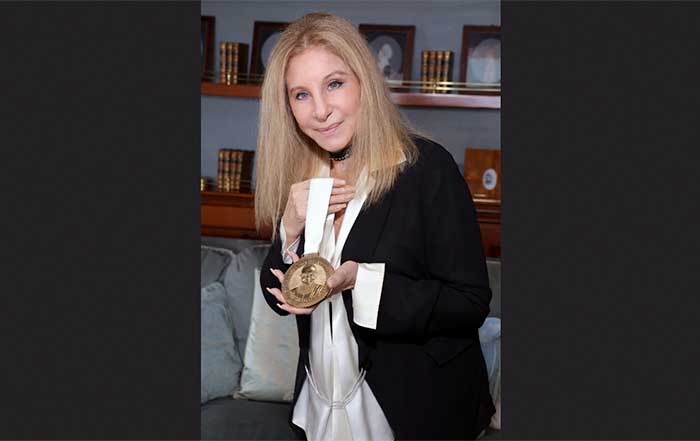
The Justice Ruth Bader Ginsburg Woman of Leadership Award in 2026: A Global Standard for Women's Influence
Honoring a Legacy that Still Shapes 2026
In 2026, the Justice Ruth Bader Ginsburg Woman of Leadership Award stands as one of the clearest markers of what principled, impactful leadership by women looks like on a global stage. Named in honor of Justice Ruth Bader Ginsburg, whose jurisprudence and public life reshaped the legal and cultural landscape of gender equality in the United States and beyond, the award has evolved into a benchmark of integrity, resilience, and transformative influence. For the readership of HerStage, which is deeply engaged with themes of women's leadership, career growth, lifestyle, and self-improvement, the award represents not only an external honor but a mirror reflecting the aspirations, challenges, and possibilities of women across continents.
By 2026, the award is no longer perceived solely as a legal or political accolade; it has become a cross-sector symbol that connects women in business boardrooms in New York, technology hubs in Singapore, universities in Germany, creative industries in France, public health systems in South Africa, and entrepreneurial ecosystems in Brazil. In a world still navigating the aftershocks of geopolitical tensions, climate crises, technological disruption, and persistent inequities, the award underscores that progress is most sustainable when guided by leaders who embody justice, fairness, and inclusion. It is this alignment with values-driven influence that makes the award particularly resonant for women seeking practical guidance in leadership, career development, and self-improvement.
The Enduring Life and Legacy of Ruth Bader Ginsburg
Justice Ginsburg's passing in 2020 did not close a chapter; instead, it crystallized a legacy that continues to define debates about equality in 2026. As one of the very few women at Harvard Law School in the 1950s, and later a graduate of Columbia Law School, she navigated entrenched discrimination at every stage of her career. Her early work with the American Civil Liberties Union (ACLU), where she co-founded the Women's Rights Project, led to a series of landmark cases before the United States Supreme Court that methodically dismantled laws based on archaic gender roles. Those decisions still serve as foundational precedents, referenced by courts and scholars worldwide who study the evolution of anti-discrimination law; those interested in the legal and historical context can explore analyses through resources like the Oyez project and the Library of Congress at loc.gov.
When she was appointed in 1993 as only the second woman to sit on the U.S. Supreme Court, Justice Ginsburg brought to the bench a meticulous, incremental approach to change. Her majority opinions and dissents in areas such as voting rights, healthcare access, workers' protections, and reproductive autonomy reflected her belief that the law should serve as a tool for expanding, not contracting, human dignity. Her carefully reasoned dissents, in particular, became rallying points for advocates and citizens who saw in her words an ethical north star for future reform. Biographical treatments and historical retrospectives, including those available through the National Women's History Museum, continue to frame her as a jurist who fused technical excellence with moral clarity.
The award that bears her name deliberately echoes her philosophy that progress is often achieved "step by step, case by case." It is not designed to reward celebrity or short-lived visibility, but sustained, principled work that shifts norms, institutions, and opportunities over time. For HerStage readers who seek to integrate purpose into professional life, Justice Ginsburg's legacy offers a blueprint: combine deep expertise with a long-term commitment to fairness, and leadership will naturally follow.
Purpose and Meaning in a Changing Global Landscape
The Justice Ruth Bader Ginsburg Woman of Leadership Award was created to recognize women whose leadership exemplifies courage, vision, and service, cutting across sectors such as business, law, science, public policy, health, technology, education, and the arts. In 2026, its purpose is more relevant than ever, as societies grapple with challenges that demand both technical competence and ethical fortitude. The award honors women who do not merely occupy positions of authority but use those positions to expand rights, broaden access, and enable others-especially women and marginalized communities-to participate fully in economic, civic, and cultural life.
The meaning of the award extends beyond the annual ceremony. It acts as a narrative framework that helps the public understand what high-impact leadership looks like in practice: negotiating peace agreements with a gender lens, steering central banks through volatility while prioritizing social resilience, leading technology firms that embed ethics and privacy into their platforms, or designing educational systems that give girls in rural regions the same opportunities as boys in urban centers. For readers of HerStage's women section, these stories provide concrete illustrations of how values-driven decisions at the top reverberate through organizations and communities.
In a world where leadership titles can be inflated and public trust in institutions is fragile, the award's rigorous selection process reinforces its credibility. It signals that recognition is not transactional or politically convenient, but grounded in verifiable contributions. This emphasis on integrity, transparency, and long-term impact aligns closely with global standards of responsible leadership promoted by organizations such as the United Nations and the World Economic Forum, which continue to highlight gender equality as a prerequisite for sustainable development.
Selection Criteria: Translating Values into Standards
The selection criteria for the Justice Ruth Bader Ginsburg Woman of Leadership Award translate abstract ideals into concrete benchmarks. Nominees are assessed on their demonstrated commitment to justice and equality, their measurable impact on communities or industries, and their integrity under pressure. They are also evaluated for the extent of their global or cross-border influence and their track record of mentorship and advocacy for women and underrepresented groups. These standards ensure that the award recognizes not only what leaders achieve, but how they achieve it.
In practice, this means that a chief executive who delivers strong financial results while building diverse leadership pipelines and championing equitable workplace policies is viewed differently from a leader who focuses solely on shareholder returns. Similarly, a political figure who advances inclusive legislation and safeguards democratic norms is distinguished from one who wields power without accountability. External observers, including analysts and journalists from outlets such as The New York Times and Financial Times, often highlight how recipients embody a multidimensional definition of success that integrates social responsibility into strategic decision-making.
For HerStage's audience, this approach to criteria functions as a practical checklist for personal development. Women at early or mid-career stages can ask themselves how they are cultivating expertise, building ethical credibility, and investing in others' growth. Readers who engage with HerStage's guide content and self-improvement resources often look for frameworks that help them align ambition with values; the award's selection standards provide exactly that: a roadmap for becoming not just successful, but significant.
Notable Honorees and Their Continuing Influence
Over the years, the award has been bestowed upon women whose names are now synonymous with excellence and transformation. Christine Lagarde, currently President of the European Central Bank, remains a defining example of how women can lead complex financial institutions through turbulence while foregrounding stability, transparency, and inclusion. Her stewardship during periods of inflation, energy shocks, and geopolitical uncertainty reinforced the idea that macroeconomic policy can be both technically sound and socially conscious, a theme reflected in analyses by institutions such as the International Monetary Fund.
Another honoree, Gloria Steinem, continues to be recognized as a pioneering journalist, feminist, and co-founder of Ms. Magazine. Her decades of activism and storytelling have shaped public discourse on reproductive rights, workplace equality, and violence against women. Her leadership illustrates that cultural change often starts with shifting narratives, and her work is still frequently referenced in academic and advocacy contexts, including those documented by the Smithsonian's National Museum of American History.
Oprah Winfrey, media leader, philanthropist, and founder of OWN Network, exemplifies how influence in entertainment and media can be leveraged to foster empathy, self-reflection, and empowerment at scale. Through interviews, book clubs, and philanthropic initiatives, she has normalized conversations about trauma, resilience, and emotional intelligence, themes that resonate strongly with HerStage readers interested in lifestyle, mental health, and mindfulness. Her leadership underscores that storytelling is not peripheral to leadership; it is central to how societies understand possibility.
Melinda French Gates, through her work with the Bill & Melinda Gates Foundation and now through her independent initiatives, has demonstrated how strategic philanthropy can accelerate progress in global health, education, and gender equality. Her emphasis on data-driven interventions, from maternal health to digital inclusion for women, aligns closely with research and recommendations from organizations such as UN Women and the World Health Organization. Her recognition by the award underscores that philanthropy, when executed with rigor and humility, can be a powerful form of leadership.
These honorees, along with others from regions including Europe, Asia, Africa, and South America, signal to women in the United States, United Kingdom, Germany, Canada, Australia, France, Italy, Spain, the Netherlands, Switzerland, China, Sweden, Norway, Singapore, Denmark, South Korea, Japan, Thailand, Finland, South Africa, Brazil, Malaysia, and New Zealand that there is no single template for leadership. What unites them is the alignment of expertise, ethical clarity, and a willingness to use their platforms to widen the circle of opportunity.
Global Reach and Regional Relevance
By 2026, the Justice Ruth Bader Ginsburg Woman of Leadership Award is firmly embedded in global conversations about gender and power. In Europe, the presence of leaders such as Ursula von der Leyen, President of the European Commission, and other women in top roles within the European Union has created a political environment where the award's ethos is visibly mirrored in policy debates on climate, digital regulation, and security. Institutions such as the European Parliament frequently highlight the importance of gender-balanced leadership as part of democratic legitimacy.
In Asia, where countries like Japan, South Korea, Singapore, and Thailand are grappling with demographic shifts, technological transformation, and evolving gender norms, the award has become a reference point for advocates pushing for more inclusive corporate boards and public institutions. Business schools and leadership programs in the region often feature case studies of award honorees to demonstrate how women can navigate cultural constraints while driving innovation, and these discussions are increasingly reflected in regional coverage by outlets such as Nikkei Asia.
Across Africa and South America, where women are at the forefront of social entrepreneurship, political reform, and climate adaptation, the award's global visibility provides an external validation that can translate into local influence, funding opportunities, and policy access. The work of women leaders in these regions is frequently documented by platforms such as UNDP and the World Bank, and the award helps bridge their local impact with international recognition. For HerStage's world affairs readers, this cross-regional perspective reinforces a central truth: women's progress is interconnected, and gains in one region often catalyze advances in another.
Media, Storytelling, and the Power of Visibility
The evolution of the award from a legal-heritage recognition to a global leadership symbol has been significantly shaped by media. Major international outlets, including BBC, The Guardian, Reuters, and Bloomberg, regularly profile honorees, situating their achievements within broader economic, political, and cultural trends. This coverage transforms the award from an elite event into a public learning opportunity, allowing audiences to see how individual leadership decisions influence public policy, markets, and communities.
Digital and women-focused media play an equally critical role. Platforms such as Ms. Magazine, Women in the World, and HerStage delve deeper into the personal journeys behind the accolades, exploring formative experiences, failures, and turning points that shaped recipients' leadership philosophies. For HerStage in particular, the award provides rich narrative material that intersects with business, education, health, and lifestyle, giving readers nuanced portraits rather than distant icons.
Social platforms amplify this visibility further. Professional networks like LinkedIn circulate honorees' speeches, interviews, and thought leadership pieces, turning award moments into enduring reference points for professionals worldwide. Discussions on platforms such as Twitter/X and region-specific networks encourage dialogue about what inclusive leadership should look like in different cultural contexts. This constant circulation of stories and insights contributes to a virtuous cycle: as more women see themselves reflected in leaders who look like them, share their backgrounds, or navigate similar barriers, the pipeline of aspiring leaders broadens.
Inspiring the Next Generation of Women Leaders
One of the award's most profound effects lies in education and mentorship. Schools, universities, and leadership institutes in the United States, United Kingdom, Canada, Germany, and beyond increasingly incorporate profiles of award recipients into curricula on civics, business ethics, and public policy. Case studies published by institutions such as Harvard Business School and Stanford Graduate School of Business examine honorees' decision-making processes, crisis management strategies, and approaches to stakeholder engagement, offering rigorous, real-world material for emerging leaders.
Mentorship initiatives, both formal and informal, frequently draw on the award as a focal point. Programs aimed at girls and young women in STEM, law, public service, and entrepreneurship use honorees' stories to illustrate that seemingly distant achievements are built from daily habits of discipline, learning, and courage. For readers who turn to HerStage's education section and career guidance, this emphasis on learnable leadership skills is particularly empowering. It shifts the narrative from "exceptional women" to "exemplary paths," suggesting that while not everyone will win a global award, everyone can adopt the mindsets and practices that define its recipients.
Leadership Across Sectors: From Finance to Health to Culture
The breadth of sectors represented among honorees demonstrates that leadership is not confined to politics or corporate roles. Women recognized for their contributions in global health have spearheaded vaccination campaigns, maternal health initiatives, and mental health programs in partnership with organizations such as the World Health Organization. Their work has had direct implications for communities in regions from rural Africa to urban Asia, reinforcing the connection between leadership and tangible improvements in people's lives.
In education, university presidents and academic innovators have been honored for transforming institutions into more inclusive, research-driven engines of social mobility. Their efforts align with broader movements documented by entities like the OECD to close gender gaps in education and skills development. For HerStage readers interested in health, education, and world affairs, these stories highlight that leadership is as much about designing systems and structures as it is about personal charisma.
The award's influence extends even into domains of culture, fashion, and glamour. Justice Ginsburg's own distinctive style, particularly her judicial collars, evolved into a visual language of dissent, authority, and individuality. Fashion media such as Vogue and Harper's Bazaar have covered honorees not simply for what they wear on red carpets, but for how their personal style communicates confidence, cultural identity, and professional presence. For HerStage's audiences engaged with fashion, beauty, and glamour, this intersection underscores that aesthetics and leadership are not mutually exclusive; they can be mutually reinforcing expressions of self.
Technology, Work, and Inclusive Innovation
In 2026, any serious conversation about leadership must grapple with the accelerating impact of technology. Many recent honorees have been women at the forefront of artificial intelligence, cybersecurity, fintech, and digital inclusion. Their leadership has focused not only on technological advancement but on embedding ethics, privacy, fairness, and accessibility into products and policies. Organizations such as the OECD AI Observatory and the World Economic Forum's Centre for the Fourth Industrial Revolution frequently showcase such leaders as models for responsible innovation.
The award also highlights leaders who have reimagined the modern workplace in the wake of remote and hybrid work trends. Women executives and policymakers have championed flexible work arrangements, inclusive parental leave, and equitable performance evaluation systems that recognize diverse life circumstances. These shifts have particular significance for women balancing caregiving responsibilities with professional ambitions in regions from North America and Europe to Asia-Pacific. For HerStage readers seeking practical strategies for advancement in business and career, honorees' approaches to building inclusive, high-performing teams offer actionable insights that go far beyond abstract discussions of "work-life balance."
A Future-Facing Platform for Global Women's Leadership
Looking ahead, the Justice Ruth Bader Ginsburg Woman of Leadership Award is poised to expand its focus even more deeply into areas such as climate leadership, social entrepreneurship, and cross-border peacebuilding. As climate change reshapes economies and livelihoods from coastal United States and Europe to island nations in Asia-Pacific and vulnerable regions in Africa and South America, women leaders are increasingly at the forefront of designing resilient, just transitions. Their work aligns with frameworks such as the Paris Agreement and the UN Sustainable Development Goals, especially Goal 5 on gender equality and Goal 13 on climate action.
For HerStage and its global audience, the award functions as both a lens and a compass. It offers a lens through which to view how women are already reshaping systems in business, politics, education, health, technology, and culture. At the same time, it serves as a compass pointing toward the kind of leadership the world will increasingly need: informed, ethical, inclusive, and unafraid to challenge entrenched power structures. Whether a reader is launching a startup in Canada, leading a nonprofit in Kenya, pursuing graduate studies in Germany, or building a creative career in Brazil, the award's stories reinforce a shared message: leadership is not an abstract ideal but a daily practice of choices that either reinforce inequality or expand justice.
Why This Award Matters to HerStage Readers
For the HerStage community, which spans interests from lifestyle and food to business, world affairs, mindfulness, and career growth, the Justice Ruth Bader Ginsburg Woman of Leadership Award is far more than a distant accolade bestowed on a select few. It is a living embodiment of the values that underpin the platform itself: experience earned through perseverance, expertise developed through disciplined learning, authoritativeness grounded in evidence and results, and trustworthiness demonstrated over time.
Every profile of an honoree offers an implicit invitation to readers to examine their own spheres of influence: a small business owner in Italy implementing fair hiring practices, a teacher in South Africa mentoring girls into STEM fields, a healthcare worker in the United States advocating for equitable access, or a creative professional in Japan using art to challenge stereotypes. The award's message, consistent with the ethos of HerStage, is that leadership is not defined solely by titles or global visibility, but by the choice to act, persist, and uplift others wherever one stands.
In 2026, as the world continues to navigate uncertainty and transformation, the Justice Ruth Bader Ginsburg Woman of Leadership Award remains both a tribute to an extraordinary jurist and a dynamic, forward-looking platform. It affirms that when women lead with integrity and vision-from local communities to global institutions-societies are better equipped to pursue justice, resilience, and shared prosperity.
