
The Smartphones Women Choose in 2026: Design, Power, and Purpose on HerStage
How the Modern Smartphone Became a Woman's Daily Command Center
By early 2026, the global smartphone market has moved far beyond hardware races and spec sheets, evolving into a space where technology, identity, and values intersect in deeply personal ways. For women across the United States, United Kingdom, Germany, Canada, Australia, France, Italy, Spain, Netherlands, Switzerland, China, Sweden, Norway, Singapore, Denmark, South Korea, Japan, Thailand, Finland, South Africa, Brazil, Malaysia, and New Zealand, the choice of a mobile phone is now tightly bound to lifestyle, professional ambition, wellness priorities, sustainability concerns, and fashion sensibilities.
On HerStage, where conversations around women's leadership, lifestyle, self-improvement, and career progression define the editorial voice, the smartphone is viewed not as a neutral gadget but as a daily command center. It is the tool that structures a workday, captures a brand story, supports a health journey, organizes a family schedule, and, increasingly, signals taste and values in the same way a handbag, blazer, or pair of shoes might. As global adoption grows across Europe, Asia, Africa, South America, and North America, the most popular phones for women in 2026 reflect four core expectations: refined design, trustworthy ecosystems, meaningful wellness and safety features, and credible commitments to sustainability.
Lifestyle, Identity, and the Smartphone as a Signature Accessory
Women today expect their smartphones to align with the pace and complexity of their lives. A single device might be used to close a business deal, join a leadership webinar, track a run, meditate between meetings, edit content for a personal brand, and coordinate childcare, all while remaining an elegant object that fits seamlessly into a curated wardrobe. This convergence of function and form has driven manufacturers to invest in slimmer profiles, lighter but durable materials, sophisticated color palettes, and camera designs that look as considered as they perform.
This evolution parallels the broader lifestyle themes explored in HerStage Lifestyle, where modern living is framed as a balance between ambition, well-being, and self-expression. For many women, the smartphone has become a visible extension of personal style, photographed in mirror selfies, placed on café tables in fashion capitals, and featured organically in social content. At the same time, expectations around experience and expertise have risen: the device must be secure, stable, intuitive, and backed by brands that demonstrate long-term reliability and ethical practices.
Sustainability is no longer a niche concern but a mainstream filter in purchasing decisions. Women who care about climate impact and ethical production now scrutinize whether a phone uses recycled materials, how long it will receive software updates, and whether the brand publishes transparent environmental reports. Resources such as the UN Environment Programme and the Ellen MacArthur Foundation have helped shape public understanding of circular design and e-waste, and those ideas are increasingly reflected in the smartphone choices of HerStage's readership.
Apple iPhone 16 and 17 Pro: Ecosystem, Status, and Wellness Integration
In 2026, Apple maintains a commanding presence among women in North America, Western Europe, and several Asia-Pacific markets, with the iPhone 16 Pro and emerging iPhone 17 Pro models widely perceived as the benchmark for a polished, professional smartphone experience. The titanium and recycled aluminum builds, refined camera islands, and curated color options resonate strongly with women who prioritize both aesthetics and durability, especially those whose devices are constantly on display in meetings, events, and social content.
The strength of iOS lies in its tightly integrated ecosystem and its reputation for security and privacy. For women managing sensitive client information, intellectual property, or personal financial data, the combination of Face ID, on-device encryption, and features like Lockdown Mode provides a tangible sense of protection. The company's ongoing emphasis on privacy, regularly highlighted on its Apple privacy overview, reinforces a perception of trustworthiness that is crucial in an era of escalating cyber risk.
Equally important is the evolution of Apple Health and related wellness tools, which many women use to track menstrual cycles, fertility windows, sleep patterns, heart rate variability, and mindfulness practices. When paired with Apple Watch, the iPhone becomes a central hub for health data, aligning closely with the themes explored on HerStage Health and HerStage Mindfulness. For executives, founders, and professionals featured on HerStage Leadership, the iPhone continues to function as a status symbol, signaling both taste and participation in a premium, globally recognized ecosystem.
Samsung Galaxy S25 Series and Foldables: Creative Power and Customization
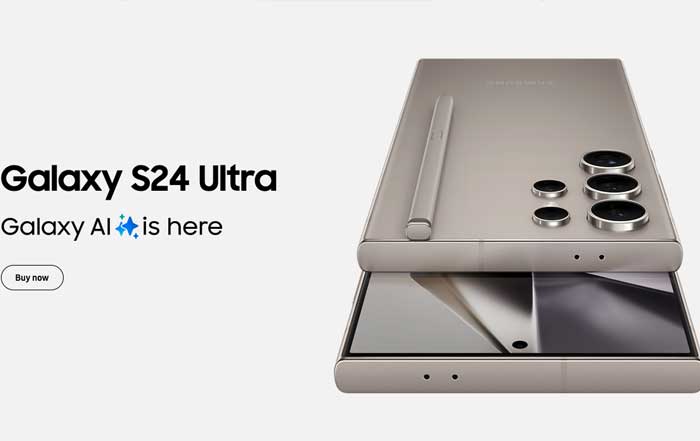
In South Korea, Japan, Singapore, much of Europe, and increasingly North America, Samsung has consolidated its position as the leading Android choice for women who demand versatility, advanced photography, and deep customization. The Galaxy S25 Ultra and its predecessors in the S24 line are particularly popular among women in creative and entrepreneurial roles who rely on high-resolution cameras, sophisticated editing tools, and stylus support to produce professional-grade content directly on their phones.
Samsung's Galaxy AI features, building on the foundations laid in 2024 and 2025, now support real-time language translation during video calls, advanced transcript summarization for meetings, and context-aware suggestions that streamline multitasking. For women leading cross-border teams or managing international clients, these tools reduce friction and make mobile-first work more viable. The official Samsung Galaxy pages emphasize these AI and productivity capabilities, underscoring the brand's focus on practical innovation.
Foldable devices such as the Galaxy Z Flip and Galaxy Z Fold have also become style-forward options for women in fashion, media, and entertainment hubs from New York and London to Seoul and Milan. The compact flip form factor fits easily into evening bags and small clutches, while the fold-out tablet experience supports on-the-go presentations, reading, and creative work. This blend of glamour and utility aligns closely with the narratives on HerStage Fashion and HerStage Glamour, where technology is increasingly treated as part of a complete style story.
Google Pixel 9 Pro and Beyond: AI, Simplicity, and Digital Safety
For women who favor a clean, uncluttered Android experience and cutting-edge computational photography, the Google Pixel 9 Pro and its successors have emerged as standout choices in North America, Europe, and select Asia-Pacific markets. Google's approach emphasizes simplicity, minimal bloatware, and timely software updates, making the Pixel line particularly attractive to professionals and students who value stability and clarity over aggressive customization.
The hallmark of the Pixel experience remains its AI-driven capabilities. Features such as advanced call screening, context-aware voice assistance, and smart photo editing tools enable women to manage interruptions, streamline communication, and elevate visual storytelling without needing separate devices or complex workflows. The integration with Google Workspace, highlighted on the Google Workspace platform, allows entrepreneurs, freelancers, and remote workers to run entire businesses from their phones, coordinating documents, meetings, and collaboration threads in a single ecosystem.
Safety has become a powerful differentiator. Pixel's crash detection, emergency sharing, and enhanced spam and fraud protection appeal strongly to women who are navigating cities alone, traveling frequently, or managing caregiving responsibilities. For readers of HerStage Guide and HerStage Self-Improvement, these features exemplify how thoughtful design can reduce cognitive load and anxiety, allowing more energy to be directed toward growth and creativity.
Huawei, Honor, Xiaomi, Oppo, and OnePlus: Regional Strength and Accessible Innovation
Despite ongoing geopolitical constraints, Huawei continues to command loyalty in China, Southeast Asia, and parts of Europe, with devices such as the Huawei P70 Pro and the Honor Magic foldable series appealing strongly to women who prioritize camera performance and ecosystem integration within the HarmonyOS environment. The brand's focus on advanced optical systems and AI-enhanced imaging supports sophisticated photography and videography workflows, particularly for influencers and content creators in fast-growing digital markets. The Huawei consumer site showcases these imaging capabilities and the broader device ecosystem that extends to wearables and smart home products.
In fast-growing economies such as India, Indonesia, Brazil, and several African nations, Xiaomi and Oppo have become synonymous with accessible innovation. Their mid-range and upper mid-range lines deliver strong processors, high-refresh-rate displays, and capable cameras at prices that are more attainable for younger women, students, and early-career professionals. The global pages for Xiaomi and Oppo highlight how these brands position themselves as style-conscious yet budget-aware alternatives, often emphasizing bold colors, slim profiles, and partnerships with fashion or entertainment franchises.
OnePlus, with devices such as the OnePlus 13 Pro and the latest Nord models, occupies a distinct niche among tech-savvy women who value speed, clean interfaces, and excellent value. The OxygenOS experience is widely praised for its responsiveness and minimal clutter, making it particularly appealing to women who run demanding apps, juggle multiple projects, or game in their downtime. The OnePlus official site underscores fast charging and battery longevity, features that resonate with HerStage readers navigating long days of meetings, commutes, and family commitments.
Sony, Motorola, and the Luxury Segment: Niche Excellence and Statement Pieces
For women in creative industries-especially film, photography, and music-the Sony Xperia line continues to hold a loyal following. Devices such as the Xperia 1 VI offer 4K HDR OLED displays and professional-grade camera controls that closely mirror those found on Sony's Alpha camera systems. The Sony Xperia smartphone page emphasizes this continuity, making Xperia phones particularly appealing to women who see their devices as part of a broader creative toolkit rather than standalone gadgets.
Motorola has reinvented itself through its Edge and Razr families, with the Razr flip phones becoming especially popular among women who appreciate a combination of retro nostalgia and modern convenience. The compact clamshell design, showcased on the Motorola global site, fits naturally into smaller bags and pockets, while the external display allows for quick glances at notifications and calls. This makes the Razr a favored choice in style-conscious cities like Paris, Milan, and New York, where practicality and aesthetics are expected to coexist.
At the highest end of the market, luxury-focused brands such as Vertu and customization houses like Caviar cater to a small but influential group of women for whom the smartphone is as much a piece of jewelry as a tool. Limited-edition collaborations between major manufacturers and fashion houses, including Dior and other couture labels, continue to produce bespoke devices clad in fine leathers, precious metals, and intricate patterns. Publications such as Vogue and Harper's Bazaar increasingly feature these devices in luxury spreads, reinforcing their role as status objects within the broader narrative of glamour and high fashion that HerStage explores on HerStage Beauty and HerStage Glamour.
Wellness, Health, and Mindful Technology for Women
The integration of health, wellness, and mindfulness features has become one of the most important criteria in smartphone selection for women worldwide. Major platforms now offer increasingly sophisticated tools for menstrual cycle tracking, fertility awareness, mental health support, and chronic condition monitoring. Many of these capabilities are validated or informed by medical research and guidance from institutions such as the Mayo Clinic and Cleveland Clinic, which provide accessible education on evidence-based wellness practices.
Smartphones in 2026 commonly serve as hubs that connect wearables, smart scales, blood pressure monitors, and meditation apps, creating a continuous feedback loop between daily habits and long-term health outcomes. For women who follow the content on HerStage Health and HerStage Mindfulness, this ecosystem enables a more proactive, data-informed approach to physical and mental well-being, whether that means managing stress through guided breathing sessions, optimizing sleep, or tracking nutrition and movement.
The growing emphasis on digital well-being has also led manufacturers to introduce dashboard tools that monitor screen time, app usage patterns, and notification volume, encouraging healthier relationships with technology. These features align with the self-awareness and intentionality that underpin many of the self-improvement journeys shared on HerStage Self-Improvement, positioning the smartphone not only as a source of stimulation but also as a partner in setting boundaries and cultivating balance.
Sustainability, Repairability, and Ethical Consumption
Women are increasingly at the forefront of sustainable consumption, and their smartphone choices reflect a desire to align technology purchases with environmental and social values. Leading companies such as Apple, Samsung, and Google now publicize their use of recycled metals, bio-based plastics, and lower-carbon manufacturing processes, as well as their progress toward renewable energy sourcing, often documented in annual sustainability or environmental reports. For many HerStage readers, these disclosures are not marketing extras but essential indicators of corporate responsibility.
At the same time, smaller players like Fairphone have gained attention for prioritizing modularity, repairability, and ethical sourcing from the outset. The Fairphone sustainability mission outlines a model that challenges the industry's traditional reliance on rapid replacement cycles, offering instead devices designed to be easily repaired and upgraded. This approach resonates with women who are mindful of e-waste, labor practices in mineral extraction, and the broader social footprint of their technology usage.
Business leaders and founders featured on HerStage Business increasingly view sustainable technology choices as part of a broader ESG strategy, integrating responsible procurement into corporate policies and personal brands alike. For these women, the smartphone becomes not just a productivity tool but an expression of leadership in sustainable business practices, echoing frameworks discussed by organizations like the World Economic Forum and the OECD.
AI, AR/VR, and the Expanding Creative and Professional Frontier
By 2026, artificial intelligence (AI) is woven deeply into the smartphone experience, transforming how women learn, work, and create. Beyond voice assistants, AI now powers real-time transcription, intelligent scheduling, advanced fraud detection, and adaptive interfaces that adjust to individual habits. Publications like MIT Technology Review regularly analyze these shifts, emphasizing both the opportunities and ethical considerations that accompany pervasive AI.
For women entrepreneurs, consultants, and corporate leaders, AI-enabled smartphones act as personal chiefs of staff, summarizing documents, drafting messages, and surfacing timely insights from crowded inboxes and chats. Students and lifelong learners, a core audience for HerStage Education, benefit from AI-assisted note-taking, study aids, and language learning tools that make education more accessible across geographies and income levels.
Simultaneously, the integration of augmented reality (AR) and virtual reality (VR)-often in combination with devices like Apple Vision Pro highlighted on Apple's site-is opening new creative and professional avenues. Women in fashion can preview garments and makeup virtually, healthcare professionals can leverage immersive training and patient education tools, and educators can bring complex concepts to life for students in remote or underserved regions. These developments intersect naturally with the themes covered on HerStage World, where global innovation and women's leadership in emerging fields are ongoing areas of focus.
Cybersecurity, Digital Safety, and Trust
As smartphones have become central to financial management, identity verification, and professional collaboration, the stakes around cybersecurity have risen sharply. Women, who often manage both personal and family digital footprints, are especially attuned to the risks of fraud, harassment, and data breaches. Platforms like the Cybersecurity and Infrastructure Security Agency (CISA) and firms such as Kaspersky provide guidance on best practices, but much of the responsibility also falls on device manufacturers.
Technologies such as Apple's Secure Enclave, Samsung Knox, and Google's Titan security chips now form the backbone of device-level protection, while biometric authentication, secure enclaves for payment information, and advanced spam filters help reduce daily exposure to threats. International organizations including UN Women, whose work is detailed on UN Women's site, have called for gender-responsive approaches to digital safety, recognizing that women face distinct forms of online abuse and exploitation.
For the audience of HerStage Women, digital safety is increasingly understood as a core element of empowerment. The most trusted smartphones in 2026 are those that not only promise performance and elegance but also demonstrate a credible, transparent commitment to protecting users' data, identities, and online experiences over the long term.
Women Shaping the Future of Mobile Technology
Behind the devices that dominate the 2026 smartphone landscape are growing numbers of women driving strategy, design, engineering, and policy. From product leaders at Apple, Samsung, Google, and Huawei to founders of startups focused on sustainable materials, AI ethics, and digital wellness, women are increasingly visible as architects of the mobile future. Global initiatives such as Women in Tech and Girls Who Code are expanding pipelines into STEM careers, while industry forums and conferences provide platforms for women to influence standards and governance.
This shift is deeply aligned with the mission of HerStage Leadership and HerStage Career, where stories of women leading in technology, business, and policy demonstrate how representation at the design table leads to products that better reflect women's lived realities. Features such as robust safety tools, nuanced health tracking, and inclusive design choices are not accidental; they are the result of diverse teams bringing their own experiences to the innovation process.
Looking Ahead: Smartphones as Instruments of Agency on HerStage
As 2026 unfolds, the smartphones most popular with women-from Apple's iPhone 17 Pro and Samsung's Galaxy S25 Ultra to Google's Pixel 9 Pro, Huawei's P70 Pro, Xiaomi, Oppo, OnePlus, Sony, Motorola, and select luxury collaborations-share a common trajectory. They are becoming more sustainable, more intelligent, more health-aware, and more tightly integrated into the fabric of daily life. For the global HerStage community, spanning continents and cultures, these devices function as instruments of agency: enabling businesses to be built from living rooms, careers to be advanced from airport lounges, friendships to be sustained across time zones, and personal growth to be documented and celebrated.
On HerStage, where women's stories of resilience, ambition, creativity, and care are at the center, the smartphone is not treated as a neutral object but as a powerful companion in those narratives. The evolution of the mobile market in 2026 ultimately reflects a broader truth: as women's roles, expectations, and aspirations continue to expand, the technology they choose must keep up, embodying experience, expertise, authoritativeness, and trustworthiness in every interaction.
