
The Modern Art of Waxing: How Salon Services Shape Women's Lives in 2026
Waxing in a Changing Beauty Landscape
By 2026, waxing has firmly established itself as a cornerstone of modern grooming, sitting at the intersection of beauty, wellness, and lifestyle for women around the world. What was once a straightforward method of hair removal has evolved into a sophisticated, highly personalized salon experience that reflects shifting cultural norms, advances in skincare science, and the growing emphasis on self-care as an essential part of a balanced life. Across major markets such as the United States, United Kingdom, Germany, Canada, Australia, and rapidly growing hubs in Asia and Africa, waxing is now understood not merely as a cosmetic service, but as a deliberate choice that supports confidence, professionalism, and personal comfort.
For the audience of HerStage, whose interests span lifestyle, career, beauty, and leadership, waxing services in salons have become part of a larger conversation about how women present themselves in boardrooms, classrooms, creative industries, and entrepreneurial ventures. As global beauty standards diversify and body autonomy gains greater recognition, waxing in 2026 is less about conforming to a single ideal and more about tailoring grooming practices to match individual values, schedules, and aspirations.
From Ancient Ritual to Professional Service
The roots of waxing can be traced back to ancient civilizations, where women in Egypt, Greece, and Rome used mixtures of honey, oils, and resins to remove hair as a sign of cleanliness, status, and femininity. Over centuries, these rudimentary techniques have been refined by advances in dermatology, cosmetic chemistry, and professional training, turning waxing into a specialized salon discipline. Today, reputable salons draw on guidelines from organizations such as the American Academy of Dermatology and evidence-based skincare research to design protocols that balance efficacy with skin health. Readers can explore how dermatologists view hair removal and skin barrier care through resources like the American Academy of Dermatology.
In 2026, salons in cities from New York to London, Berlin, Singapore, and Johannesburg focus on a holistic client journey. Pre-wax consultations, patch tests, and customized aftercare are standard in many professional environments, reflecting heightened awareness of allergies, pigmentation concerns, and the needs of sensitive or melanin-rich skin. The post-pandemic emphasis on hygiene has further elevated standards, with single-use applicators, hospital-grade disinfectants, and digital booking systems now widely adopted. This movement toward professionalism and safety aligns closely with the values of the HerStage community, where informed decision-making and trustworthiness are central to any beauty or wellness choice.
Hard Wax and Soft Wax: The Technical Foundation
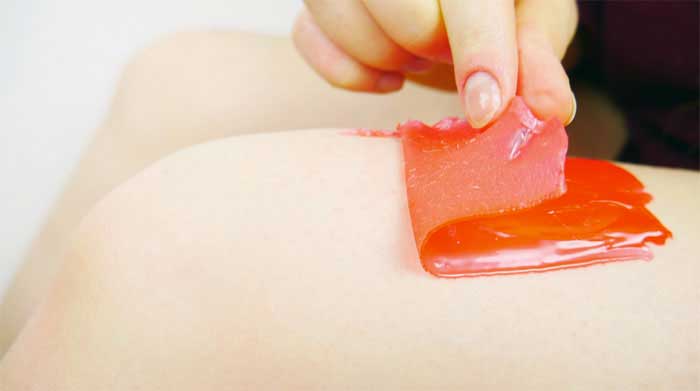
At the core of salon waxing lie two primary formulations-hard wax and soft wax-each chosen strategically depending on the area being treated and the client's skin profile. Hard wax, applied in a thicker layer and removed without strips, adheres primarily to the hair rather than the skin, making it a favored choice for sensitive zones such as the bikini line, underarms, and face. Soft wax, spread more thinly and removed with cloth or paper strips, is typically used on larger body areas like legs, arms, and backs, where speed and coverage are priorities.
Leading chains such as European Wax Center and brow-focused services from Benefit Cosmetics have developed proprietary blends and techniques that combine these methods to enhance comfort and precision. These brands, alongside independent salons, increasingly rely on dermatologically tested ingredients and temperature-controlled devices to reduce the risk of burns, irritation, and post-inflammatory hyperpigmentation. Industry resources such as Allure and Vogue frequently analyze these innovations, helping consumers compare options and understand how different wax types perform on diverse skin tones and hair textures. For women navigating demanding careers and personal commitments, the choice of wax is no longer a trivial detail; it is a key factor in minimizing downtime, preventing skin issues, and sustaining a polished appearance.
Facial Waxing: Precision, Presentation, and Confidence
Facial waxing has become one of the most strategically important services for professional women, as the face is central to first impressions in both digital and in-person environments. Eyebrow waxing, in particular, has transformed into a specialized art that combines aesthetic sensibility with technical skill. Brow mapping, symmetry analysis, and consideration of facial structure are now standard in many advanced salons, echoing techniques popularized by global artists such as Anastasia Soare of Anastasia Beverly Hills, whose influence on modern brow aesthetics is widely documented across platforms like Harper's Bazaar.
Upper lip, chin, and full-face waxing services are especially valued by women who appear frequently on video calls, speak at conferences, or lead teams across borders. In an era where remote work and hybrid models remain common, high-resolution cameras and constant digital visibility have heightened awareness of facial details. Waxing provides a longer-lasting alternative to tweezing or depilatory creams, reducing the frequency of maintenance and the risk of irritation from repeated at-home interventions. For readers of HerStage, facial waxing fits naturally into broader strategies of self-presentation, complementing insights shared in sections like leadership and women, where presence, credibility, and confidence are recurring themes.
Body Waxing: Integrating Grooming into Everyday Life
Beyond the face, body waxing has grown into a comprehensive suite of services that can be tailored to climate, wardrobe, and lifestyle. Full-leg, half-leg, arm, and underarm waxing remain core offerings, but salons now often integrate exfoliating treatments, hydrating masks, and barrier-repair serums to reduce ingrown hairs and prolong smoothness. In warm-weather regions such as Spain, Italy, Brazil, Thailand, and South Africa, where sleeveless tops, dresses, and resort wear are common, regular waxing is frequently integrated into seasonal routines in the same way that wardrobe changes mark the shift from one season to another.
Back and chest waxing, once primarily marketed to men, have become increasingly gender-inclusive. Women who prefer smooth skin under backless dresses, performance wear, or fitness apparel now find discreet, professional services in urban salons and medical spas. Resources such as the International Spa Association highlight how body waxing has become part of a broader spa economy that emphasizes relaxation, wellness, and consistent standards of care. For HerStage readers balancing fitness, fashion, and demanding schedules, body waxing represents a practical investment that reduces daily grooming time, aligning with the site's focus on efficient, high-impact lifestyle choices.
Bikini and Intimate Waxing: Personal Choice and Cultural Shifts
Bikini and intimate waxing have experienced some of the most visible cultural shifts over the past two decades. Services ranging from standard bikini waxes to French, Brazilian, and Hollywood styles now reflect not only aesthetic preferences but also evolving attitudes toward body autonomy, sexual health, and privacy. In fashion-forward markets like Brazil, France, United States, and Australia, Brazilian and Hollywood waxing are widely normalized, with salons offering private, spa-like environments and trained specialists who prioritize consent, communication, and comfort.
Medical and sexual health professionals increasingly participate in public conversations about intimate grooming, discussing topics such as skin integrity, infection prevention, and realistic expectations. Organizations like Planned Parenthood and the Mayo Clinic provide accessible information on safe hair removal and intimate health, helping women evaluate whether and how waxing fits into their personal wellness plans. For the HerStage audience, intimate waxing often intersects with themes of body confidence, intimacy, and self-esteem, which are also explored in sections like health and self-improvement. The emphasis in 2026 is not on prescribing a single standard, but on equipping women to make informed, autonomous choices that align with their values.
Specialty and Advanced Waxing Services
As the beauty and wellness industry has matured, salons have diversified beyond traditional wax formulas to offer specialty treatments that address specific concerns and preferences. Sugaring, a technique that uses a paste of sugar, lemon, and water, has resurged as a favored option for those seeking minimal-ingredient, biodegradable solutions. Its popularity is particularly strong in markets that place a premium on natural and sustainable beauty, including Scandinavia, Germany, Canada, and parts of Asia-Pacific.
Other specialty options include chocolate waxes infused with cocoa and oils for added hydration, fruit-enzyme waxes designed to gently exfoliate, and aloe vera-based formulations targeted at ultra-sensitive skin. Some high-end venues experiment with experiential touches such as aromatherapy, guided breathing, or ambient soundscapes to reduce anxiety during more sensitive procedures. Beauty editors at outlets like Elle and Refinery29 regularly review these innovations, evaluating which offerings genuinely improve comfort and skin outcomes versus those that are primarily marketing-driven. For HerStage, which emphasizes discernment and expertise, these trends underscore the importance of selecting providers who pair creativity with evidence-based practice.
Safety, Dermatology, and Long-Term Skin Health
In 2026, knowledge about skin physiology and inflammation has become central to professional waxing practice. Dermatologists worldwide stress the importance of pre- and post-wax care, particularly for individuals with conditions such as eczema, psoriasis, or a history of keloid scarring. Evidence-based guidance from institutions like the Cleveland Clinic and NHS in the United Kingdom helps women understand how waxing interacts with the skin barrier, why exfoliation timing matters, and when to avoid waxing altogether, such as after chemical peels or during certain medical treatments. Readers can deepen their understanding through resources like the Cleveland Clinic's skincare advice.
Salons that prioritize expertise now integrate consultation forms, allergy checks, and clear aftercare instructions that address sun exposure, exfoliation schedules, and product compatibility. This shift toward medically informed practice resonates strongly with HerStage's commitment to trustworthiness and long-term wellbeing, reinforcing that beauty decisions should support, not compromise, health.
Sustainability and Ethical Beauty in Waxing
Sustainability is no longer a niche concern; it is a mainstream expectation across leading beauty markets in Europe, North America, and Asia. Waxing services have begun to reflect this shift through the adoption of biodegradable strips, plant-based resins, and cruelty-free formulations. Some manufacturers now publish ingredient sourcing and environmental impact data, mirroring broader trends documented by organizations such as the Environmental Working Group, whose Skin Deep database allows consumers to research cosmetic ingredients in detail.
Salons in cities like Amsterdam, Copenhagen, Stockholm, and Vancouver increasingly position themselves as eco-conscious spaces, using energy-efficient heating systems, LED lighting, and refillable product stations. This ethos aligns with the interests of the HerStage readership, many of whom seek to harmonize personal grooming with responsible consumption. Articles in the guide and world sections of HerStage often highlight how sustainability and ethical sourcing are becoming standard expectations, not optional extras, in modern beauty routines.
Waxing, Mindfulness, and Self-Empowerment
Beyond its visible results, waxing also carries psychological and emotional dimensions that are increasingly acknowledged in 2026. For many women, scheduling a waxing appointment is an intentional act of self-investment-a boundary carved out of hectic calendars filled with work, caregiving, study, and travel. The ritual of arriving at a trusted salon, disconnecting from devices, and focusing briefly on one's own body can function as a form of micro-retreat, echoing principles often discussed in mindfulness and self-care literature.
From a psychological perspective, grooming rituals can reinforce agency and body ownership, especially in environments where women may feel scrutinized or judged. Research summarized by organizations like the American Psychological Association, available through resources such as APA's articles on self-care, suggests that consistent self-care practices can support resilience, mood regulation, and self-esteem. For HerStage, which champions women's empowerment across career, education, and entrepreneurship, waxing is best understood as one of many tools women may choose to reinforce their sense of control and readiness for the roles they inhabit.
Waxing in the Global Beauty Economy
The waxing segment of the beauty industry has grown into a multi-billion-dollar global market, supported by salon chains, boutique studios, and at-home product lines. Market analyses from organizations such as Statista and McKinsey & Company show steady demand across regions, driven by urbanization, rising disposable incomes, and the influence of social media on grooming norms. Interested readers can explore broader beauty market trends to see how waxing fits within the larger personal care ecosystem.
In North America and Europe, mature markets emphasize premium experiences, brand loyalty, and advanced formulations. In Asia-Pacific, including South Korea, Japan, Singapore, and Thailand, waxing often coexists with high-tech skincare and laser treatments in multi-service clinics. In emerging markets across Africa and South America, waxing services are expanding rapidly in urban centers, providing entrepreneurial pathways for women who open salons, train as estheticians, or develop localized product lines. These developments mirror the themes covered in the business section of HerStage, where women's economic participation in beauty and wellness is recognized as a powerful force for community development and financial independence.
Fashion, Media, and the Normalization of Waxing
Fashion and media continue to play a decisive role in how waxing is perceived and discussed. Runway shows in Paris, Milan, London, and New York, alongside red-carpet events and fashion weeks in Seoul and Sydney, reinforce the association between smooth skin and certain styles of clothing, from high-slit gowns to minimalist swimwear. At the same time, the digital ecosystem-particularly Instagram, TikTok, and YouTube-has democratized conversations about grooming. Influencers, dermatologists, and estheticians now share candid waxing experiences, before-and-after care tips, and honest discussions about pain, cost, and expectations.
Media outlets such as The New York Times Style section and BBC Culture periodically explore the cultural and sociological implications of hair removal, including debates around body hair positivity and changing gender norms. For HerStage, which consistently highlights nuanced perspectives in fashion, glamour, and lifestyle, waxing is framed as one choice among many within a spectrum of valid approaches to body hair, rather than an unquestioned default.
Making Informed Choices in 2026
In this evolving landscape, the most important factor for women considering salon waxing is informed choice. Skin type, medical history, pain tolerance, cultural background, budget, and personal values all play a role in determining whether waxing is appropriate and which services are most suitable. Consulting reputable medical sources, reading independent reviews, and seeking salons that emphasize training, hygiene, and transparency are essential steps in protecting both skin health and overall wellbeing.
For the HerStage community, waxing in 2026 is best understood as part of a broader personal strategy that integrates appearance, confidence, and self-care with professional ambitions and life goals. Whether a reader chooses to maintain regular brow appointments, invest in full-body treatments before major life events, or opt out of waxing altogether, the central principle remains the same: beauty decisions should be guided by knowledge, autonomy, and respect for one's own body. As global standards continue to diversify and conversations around identity and empowerment deepen, salon waxing stands as a clear example of how a familiar service can evolve into a meaningful, highly individualized expression of modern womanhood.
For more perspectives on how grooming, wellness, and ambition intersect in women's lives, readers can continue exploring HerStage at herstage.com, where beauty and business, style and substance, are always part of the same conversation.
