
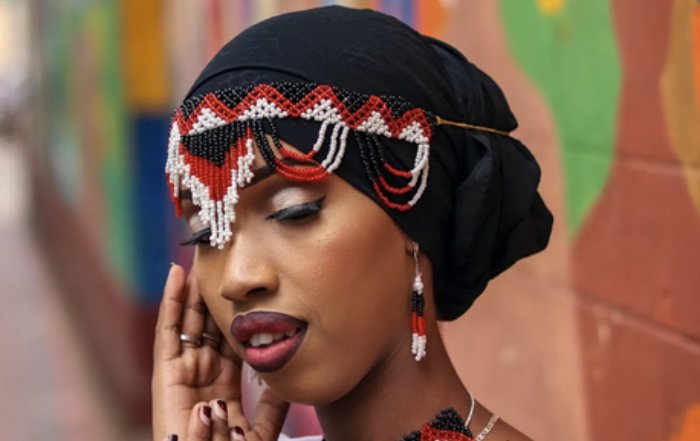
Beauty Routines Inspired by Cultures Across Continents in 2026
Global Beauty in 2026: Conscious Rituals for a Connected World
In 2026, beauty has become one of the most visible arenas in which global culture, science, identity and wellbeing intersect, and nowhere is this more evident than in the daily routines women create for themselves across continents. The modern beauty ritual is no longer confined to a narrow set of products or a single aesthetic ideal; instead, it reflects a layered conversation between ancestral practices, dermatological research, environmental realities and digital communities that connect women. For HerStage, whose readership spans industries, life stages and geographies, this evolution is not treated as a passing trend but as a structural shift in how women live, work and care for themselves, integrating appearance, health, career, culture and purpose into a coherent narrative that supports both inner resilience and outer presence.
The global beauty industry continues to show remarkable resilience and growth, with analysts at McKinsey & Company and other research leaders observing that beauty remains one of the most dynamic consumer categories, even in periods of macroeconomic uncertainty. Market analyses reveal a decisive shift toward wellness-driven, inclusive and culturally grounded products, with consumers increasingly interested in routines that promise long-term skin health, emotional balance and ethical integrity rather than only quick visual results. Ingredients such as rice water, argan oil, turmeric, shea butter and kakadu plum now coexist with biotech actives, peptide complexes and dermatologist-designed formulations, illustrating how local knowledge and high-tech innovation are merging in bathrooms and dressing tables around the world. For readers who approach beauty as part of a broader lifestyle journey, this convergence naturally aligns with HerStage's ongoing focus on self-improvement, mindfulness and leadership in both personal and professional domains, reinforcing the idea that how a woman cares for her skin, hair and body is inseparable from how she leads, negotiates and shows up in the world.
Cultural Intelligence and Ethical Awareness in Modern Beauty
The concept of cultural intelligence has become central to beauty in 2026, as more consumers question not only what is in their products, but whose stories, labor and landscapes are embedded in them. Where earlier phases of globalization often involved superficial borrowing or uncredited appropriation of rituals from Asia, Africa, Latin America, the Middle East and Indigenous communities, there is now a heightened expectation that brands demonstrate genuine understanding of the historical, social and spiritual contexts from which they draw inspiration. This shift is driven in part by social media accountability, in part by investigative journalism, and in part by women themselves, who increasingly view their purchasing decisions as an extension of their values and professional identities.
A growing number of companies are responding by forming direct partnerships with local cooperatives, women-led farms, herbalists and dermatologists in source regions, embedding fair pricing, community investment and ecological stewardship into their business models. Organizations such as the United Nations Development Programme and UN Women continue to highlight how inclusive value chains in agriculture and cosmetics can support women's economic empowerment, especially in countries across Africa, Latin America and South Asia. Readers who want to learn more about sustainable business practices can explore the work of the UN Environment Programme on resource efficiency, which illustrates how responsible sourcing of ingredients such as argan oil, or rooibos can protect ecosystems while improving livelihoods. For a platform like HerStage, which speaks to women as executives, entrepreneurs, policy leaders and informed consumers, this intersection of beauty, ethics and business strategy is fundamental, and it shapes how global routines are discussed within broader themes of business innovation and leadership.
East Asia: Preventive Rituals, Precision and Skin Longevity
In East Asia, particularly South Korea, Japan and increasingly China, beauty continues to be understood as a long-term investment in skin health and self-respect rather than an occasional corrective measure. The global diffusion of K-beauty and J-beauty over the past decade has familiarized audiences in the United States, the United Kingdom, Germany, Canada, Australia and beyond with concepts such as double cleansing, essence layering, ampoules, sleeping masks and a near-absolute commitment to sun protection. Dermatological authorities like the American Academy of Dermatology explain how consistent sun protection and gentle cleansing can significantly reduce premature aging, hyperpigmentation and certain skin cancers, aligning long-standing East Asian habits with robust scientific evidence.
In South Korea, routines often span multiple steps, but the underlying philosophy is one of careful sequencing and micro-adjustment rather than excess. A typical evening may begin with an oil-based cleanser to dissolve sunscreen and makeup, followed by a low-pH water-based cleanser, then hydrating toners and essences, targeted serums addressing concerns such as pigmentation or elasticity, and a barrier-supporting moisturizer, with occasional sheet masks or sleeping packs to boost hydration. In Japan, routines may appear more minimalist but equally meticulous, with an emphasis on the "lotion" step, lightweight emulsions and textures that respect the skin barrier and avoid unnecessary friction. Across East Asia, there is a cultural preference for incremental improvement and prevention, which has encouraged many women in North America and Europe to move away from harsh scrubs and frequent peels toward barrier-friendly formulations. This commitment to consistency and foresight resonates with HerStage's approach to health and lifestyle, where sustainable habits and evidence-based choices are prioritized over dramatic but short-lived transformations.
South Asia: Ayurvedic Wisdom and the Integration of Inner and Outer Care
In South Asia, especially India, Sri Lanka, Bangladesh and Nepal, beauty routines remain deeply influenced by Ayurveda and other traditional medical systems that view health as a dynamic equilibrium between body, mind, environment and spiritual life. Ingredients such as turmeric, neem, amla, tulsi, coconut oil and sandalwood, which now appear in global skincare and haircare lines, have been used for centuries in homemade pastes, oils and decoctions that address both cosmetic concerns and underlying imbalances. The World Health Organization has documented traditional and integrative medicine practices, noting their continued importance in daily life and their increasing intersection with clinical research on inflammation, immunity and stress.
An Ayurvedic-inspired routine may begin with oil pulling to support oral health, followed by facial massage using warm sesame, almond or kumkumadi oil to stimulate circulation and calm the nervous system. Cleansing can involve herbal powders made from chickpea flour, lentils or sandalwood, while weekly masks might combine turmeric, yogurt, honey and rose water to brighten and soothe. Haircare rituals often feature slow, intentional scalp massage with infused oils containing bhringraj, brahmi or hibiscus, believed to support hair growth, relieve tension and promote deeper sleep. Crucially, these external practices are paired with dietary guidance, breathwork, yoga and sleep hygiene, based on the belief that digestion, mental clarity and emotional balance are reflected directly in the skin and hair. As contemporary research on the gut-skin axis, cortisol and chronic inflammation expands through institutions such as the National Institutes of Health, many of these principles are gaining scientific validation. For women balancing demanding careers in Mumbai, London, Toronto or Singapore, this integrated approach offers a framework for routines that nourish both appearance and inner equilibrium, echoing the themes of mindfulness, self-care and personal growth that are central to HerStage.
Middle East and North Africa: Hammams, Oils and the Ritual of Scent
Across the Middle East and North Africa, beauty traditions are intimately connected to hospitality, ritual and a deeply sensory appreciation of texture, warmth and fragrance. The hammam, or traditional steam bath, remains one of the region's most emblematic rituals, practiced in Morocco, Turkey and many Arab countries. Within the hammam, women move through stages of heat, cleansing and exfoliation, using black soap made from olive oil, exfoliating mitts known as kessa and mineral-rich rhassoul clay to purify the skin. Cultural and heritage organizations, including UNESCO's listings of intangible cultural heritage, have documented how such spaces historically functioned as centers of social connection, intergenerational knowledge transfer and community support for women.
Iconic ingredients from the region, such as argan oil from Morocco, rosewater from Iran and the Levant, orange blossom water from North Africa and henna used in ceremonial body art, have become global staples, while the Gulf's sophisticated fragrance culture continues to influence luxury perfumery worldwide. The art of scent layering with bakhoor, oud and concentrated attars reflects a nuanced understanding of personal aura and cultural identity. In cities like Dubai, Riyadh, Doha and Casablanca, these ancestral practices coexist with advanced aesthetic clinics, international brands and thriving local entrepreneurs who reinterpret traditional formulas for modern consumers. As debates on cultural appropriation and representation intensify, responsible media and brands, including HerStage, increasingly emphasize attributing origins, supporting transparent supply chains and honoring the narratives of the communities whose rituals inspire global products. Readers who wish to explore the historical and cultural dimensions of these practices can consult resources such as the Metropolitan Museum of Art's essays on Islamic art and culture, which contextualize beauty and adornment within broader artistic traditions.
Sub-Saharan Africa: Butters, Braids and the Politics of Presence
In Sub-Saharan Africa and throughout the African diaspora in Europe and North America, beauty is inseparable from questions of identity, representation and power. Ingredients like shea butter from West Africa, marula oil from Southern Africa and rooibos from South Africa are now widely recognized for their moisturizing and antioxidant properties, while hairstyles such as braids, twists, cornrows and locs carry centuries of cultural, spiritual and social meaning. Publications such as Allure and Vogue have chronicled how protective styles and the natural hair movement have challenged Eurocentric standards, enabling Black women to embrace texture, volume and heritage in corporate boardrooms, universities and public office.
Daily haircare routines often involve co-washing, deep conditioning, careful sectioning and the use of oils and creams to maintain moisture, with protective styles designed to reduce breakage, support length retention and protect against environmental stressors. In cities like Lagos, Accra, Johannesburg and Nairobi, as well as London, New York, Berlin and Toronto, salons and independent stylists are building influential businesses rooted in these traditions, while digital communities share techniques, product reviews and political commentary. At the same time, regulators such as the European Commission and the U.S. Food and Drug Administration are paying closer attention to the safety of hair relaxers and certain chemical treatments, following emerging research into potential links with reproductive and endocrine health issues. Women seeking reliable information can consult sources such as the U.S. National Library of Medicine's PubMed database to explore peer-reviewed studies on cosmetic ingredients and health outcomes. For professional women navigating corporate cultures in the United States, the United Kingdom, Germany, France and beyond, the growing acceptance of natural hair, braids and locs represents both a personal and structural shift, reinforcing HerStage's commitment to covering career, leadership and inclusion as interconnected aspects of women's lives.
Europe: Pharmacy Culture, Minimalism and Dermatological Authority
In Europe, particularly in France, Germany, Italy, Spain, the Netherlands, Switzerland and the Nordic countries, beauty routines often revolve around a pharmacy-centered ecosystem that prioritizes dermatological expertise, ingredient transparency and measured minimalism. French and European pharmacy brands enjoy long-standing trust due to their emphasis on gentle formulations, clinical testing and clear labeling, with many women relying on pharmacists and dermatologists as primary advisors for skin concerns such as sensitivity, rosacea, acne or photoaging. The European Commission's regulations on cosmetic products set stringent standards for safety, labeling and claims, shaping how products are formulated and marketed across the European Union and influencing regulatory trends worldwide.
In Scandinavia, an aesthetic of understated, natural-looking beauty aligns with broader cultural values of functionality, environmental responsibility and work-life balance, leading many consumers to favor fragrance-free, eco-conscious products and high-SPF sunscreens to counteract intense seasonal light variations. In Italy and Spain, grooming and fragrance retain a strong ritual dimension, yet are increasingly combined with interest in clean formulations, local botanical ingredients and artisanal perfumery. For professional women in Paris, Berlin, Milan, Madrid, Stockholm and Amsterdam, routines may be concise-often a gentle cleanser, a targeted serum, a moisturizer and sunscreen-but grounded in consultation with healthcare professionals and a preference for brands with a strong research backbone. This reliance on expert guidance and regulatory rigor mirrors HerStage's editorial commitment to authoritative lifestyle and health content, which aims to support readers in making informed, confident decisions about their routines.
North America: High-Performance Actives and Wellness Integration
In the United States and Canada, beauty routines in 2026 are characterized by a synthesis of global influences, performance-driven actives and a growing emphasis on holistic wellness. The rise of dermatologist influencers, esthetician educators and consumer advocacy platforms has created an audience that is unusually comfortable reading ingredient lists, comparing percentages of active components and cross-referencing marketing claims with peer-reviewed research. Women increasingly turn to trusted medical institutions such as the Mayo Clinic and the Cleveland Clinic for guidance on retinoids, alpha and beta hydroxy acids, antioxidants and procedures such as laser resurfacing or injectables, integrating this information into their daily decision-making.
A typical North American routine may mix East Asian layering philosophies with European pharmacy staples, African butters, Latin American botanicals and clinical-grade actives, resulting in highly personalized sequences that reflect skin type, climate, budget and time constraints. At the same time, there is a pronounced shift toward viewing sleep, nutrition, stress management and movement as non-negotiable components of beauty. Research on the impact of blood sugar, hormonal fluctuations, circadian rhythms and mental health on skin and hair continues to expand, with resources such as the Harvard T.H. Chan School of Public Health offering accessible insights into how diet and lifestyle influence inflammation and aging. For ambitious women leading teams, building companies or juggling caregiving roles, the beauty routine often functions as a daily micro-ritual of autonomy and reflection, a small but meaningful space to reconnect with their bodies before stepping into high-pressure environments. This intimate link between routine, confidence and leadership aligns strongly with HerStage's coverage of women's lives, work and influence.
Latin America: Radiance, Celebration and Community-Centered Rituals
In Latin America, encompassing Brazil, Mexico, Colombia, Argentina, Chile and beyond, beauty routines are frequently shaped by a vibrant blend of Indigenous, African and European influences, as well as by climate and community life. In Brazil, where beaches, outdoor sports and social gatherings are central to everyday culture, body care, haircare and sun protection take on particular importance. Ingredients such andiroba and babassu oil have gained international recognition for their antioxidant and emollient properties, while local innovators continue to experiment with Amazonian biodiversity in ways that raise complex questions about conservation and intellectual property. Environmental organizations such as the World Wide Fund for Nature highlight the importance of efforts to protect biodiversity in the Amazon, reminding consumers and brands that the global appetite for "exotic" ingredients must be balanced with ecosystem stewardship and respect for Indigenous rights.
In Mexico, Central America and the Andean regions, ancestral beauty practices include the use of aloe vera, cacao, corn-based exfoliants, clay masks and herbal infusions, often passed down through families rather than formal commercial channels. Beauty salons, neighborhood stylists and informal networks of estheticians play a powerful role in shaping local trends, while telenovelas, music videos and social media amplify aspirational images that mix global glamour with local sensibilities. For women, beauty routines are frequently social experiences-shared among friends, mothers, daughters and extended family-especially around festivals, weddings and community events. This collective dimension offers a counterweight to the hyper-individualized, product-centric narratives that dominate many global campaigns and speaks directly to HerStage's interest in world perspectives and the ways in which women's rituals are embedded in family, neighborhood and national life.
Asia-Pacific and Oceania: Sun, Climate and Clean Innovation
Across the Asia-Pacific region and Oceania, including Australia, New Zealand, Singapore, Thailand, South Korea, Japan and increasingly markets such as Malaysia and Indonesia, beauty routines are shaped by intense sun exposure, humidity, pollution and a strong regional research and innovation ecosystem. In Australia and New Zealand, daily high-SPF sunscreen is widely understood as a basic health necessity rather than a cosmetic option, with public health campaigns by organizations such as the Cancer Council Australia reinforcing the message that UV protection is the single most effective anti-aging and anti-cancer strategy. Local ingredients like kakadu plum, manuka honey, tea tree oil and native botanicals are incorporated into both mainstream and niche brands, often accompanied by growing consumer interest in reef-safe filters, minimal packaging and transparent environmental claims.
In Southeast Asia, cities like Singapore, Bangkok and Kuala Lumpur contend with high humidity, heat and urban pollution, leading to routines that prioritize lightweight, non-comedogenic textures, oil control, brightening and antioxidant protection. Traditional herbal knowledge-such as Thai botanicals, Jamu-inspired Indonesian remedies and Chinese medicinal plants-increasingly intersects with laboratory-based innovation from regional research hubs and universities. For professional women in these fast-paced economies, routines must deliver visible results without consuming excessive time, supporting polished presentation in corporate and entrepreneurial settings while addressing issues like hyperpigmentation, congestion and sensitivity. This climate-aware, efficiency-driven approach aligns with HerStage's mission to offer practical guides that help readers adapt global insights to the specific realities of their own environments, whether they are navigating the dry winters of Canada, the intense UV of Australia, the humidity of Singapore or the pollution of major European and Asian capitals.
From Inspiration to Responsibility: The Ethics of Global Beauty
As beauty routines become more globalized and digital platforms accelerate the spread of rituals from one continent to another, the line between inspiration and appropriation demands careful attention. The commercialization of practices rooted in Indigenous, African, Asian, Middle Eastern and Latin American cultures raises questions about who benefits financially, whose stories are told and how ecosystems are impacted. Ethical sourcing, fair compensation, transparent labeling and respectful storytelling have therefore moved from the margins to the center of consumer expectations, particularly among women who see themselves as leaders, decision-makers and role models in their communities.
Certification bodies such as Fairtrade International and the Rainforest Alliance offer frameworks that help consumers identify more responsible products, while investigative reporting by outlets like the BBC, The Guardian and Reuters continues to expose instances of labor exploitation, environmental harm and cultural erasure in supply chains. For a platform like HerStage, which engages women not only as consumers but as executives, founders, policy-makers and investors, the conversation about beauty in 2026 naturally extends to questions of corporate governance, diversity in leadership, impact investing and social entrepreneurship. Decisions about which ingredients to champion, which communities to partner with and how to frame marketing narratives become part of a broader discussion on business strategy and values-driven leadership, reinforcing the idea that beauty is also a site of economic and political agency.
Crafting a Personal, Globally Informed Routine
For readers of HerStage in the United States, the United Kingdom, Germany, Canada, Australia, France, Italy, Spain, the Netherlands, Switzerland, China, Sweden, Norway, Singapore, Denmark, South Korea, Japan, Thailand, Finland, South Africa, Brazil, Malaysia and New Zealand, the question is less about adopting a single national beauty identity and more about curating a routine that thoughtfully weaves together global inspiration and local reality. Dermatologists and health experts consistently remind women that skin type, hair texture, climate, lifestyle, budget, age and medical history should guide routine design more than social media trends, and that gradual experimentation is safer than frequent, drastic changes. Resources such as the Cleveland Clinic's guidance on skincare routine order offer pragmatic frameworks for building or adjusting routines, while platforms like HerStage provide context on how these practices intersect with work, family, mental health and self-image.
A modern, globally informed routine might combine the preventive layering philosophy of East Asia, the holistic and seasonal wisdom of Ayurveda, the sensory richness of Middle Eastern hammam traditions, the protective styling expertise of African haircare, the minimalist discipline of European pharmacy culture, the performance-driven actives of North American dermatology and the climate-conscious innovation of Asia-Pacific and Oceania. Over time, this routine may evolve to accommodate the hormonal shifts of pregnancy, perimenopause and menopause, the changing demands of career progression, caregiving responsibilities, travel and relocation. Throughout these transitions, beauty can function as a stabilizing ritual-a daily moment of agency and reflection that supports confidence and presence in both public and private arenas. For readers seeking to align external routines with inner growth, HerStage's coverage of beauty and glamour, fashion and presentation and lifestyle and self-development offers a dedicated space to explore not only what to use, but how and why these choices matter in the context of identity, ambition and wellbeing.
HerStage and the Next Chapter of Global Beauty
As 2026 progresses, beauty routines inspired by cultures across continents continue to evolve in response to shifting social norms, scientific discoveries, climate pressures and the insistence of women worldwide on being seen and heard on their own terms. For HerStage, chronicling and interpreting these developments is part of a broader mission: to support women as they navigate careers, relationships, health, education and self-expression in an interconnected world where every choice-from moisturizer to boardroom strategy-can reflect deeper values. By bringing together perspectives from dermatology, anthropology, sustainability, business, psychology and personal narrative, HerStage aims to provide readers with a nuanced understanding of how beauty rituals can serve as both mirror and tool, reflecting cultural heritage and global exchange while enabling each woman to craft a life and career that feel authentic, grounded and future-oriented.
In this evolving landscape, beauty is not dismissed as superficial; it is recognized as a language through which women negotiate visibility, assert dignity and claim space in workplaces, communities and digital forums. As readers encounter new products, techniques and traditions from around the world, the most meaningful question is not which culture to emulate, but how to honor the origins of these practices while using them to tell their own stories and support their own goals. Within that ongoing conversation, HerStage-from its home at herstage.com-stands as a dedicated, global yet deeply personal platform where women can continue to define what beauty means for themselves, their communities and the generations that will follow, integrating insights from business, health, education, mindfulness and culture into rituals that are as thoughtful as they are luminous.
