
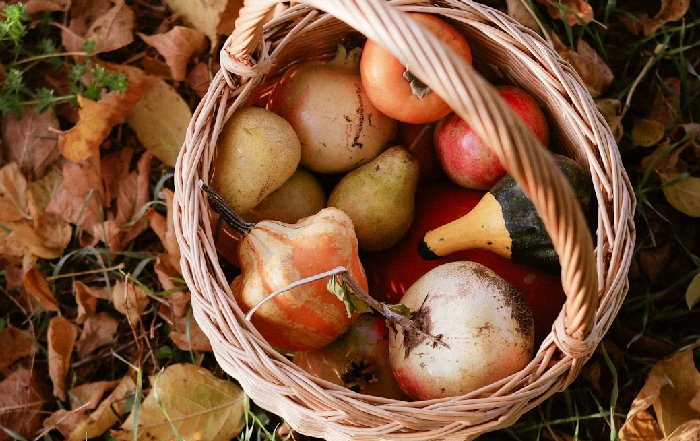
Seasonal Eating: A Global Guide for Women Leading Change
Seasonal Eating as a Strategic Lifestyle Choice
Seasonal eating has evolved from a nostalgic nod to traditional agriculture into a sophisticated global movement that intersects health, sustainability, culture and economic resilience, and this year it increasingly reflects the priorities of women who are shaping households, companies and communities across continents. On HerStage, where conversations about lifestyle, business, health and career meet, seasonal eating is no longer just a culinary preference; it is a strategic decision that influences personal well-being, leadership identity and the way women show up in the world as informed, values-driven decision-makers.
At its core, seasonal eating means aligning food choices with the natural harvest cycles of a given region, yet in a globalized food system where produce travels thousands of kilometers and digital grocery platforms blur the lines between local and imported, the practice now requires a higher level of awareness, data literacy and cultural sensitivity. Organizations such as FAO and UN Environment Programme have repeatedly underlined how food systems drive climate change, biodiversity loss and social inequality, and understanding seasonal calendars has become an accessible entry point for women who want to influence those systems through everyday actions. When readers come to HerStage for self-improvement or mindfulness, they are increasingly looking for frameworks that connect what is on their plates with how they lead, work and care for others.
Why Seasonal Eating Matters More in 2026
The year 2026 finds consumers navigating overlapping crises: climate volatility, rising food prices, supply chain disruptions and widening health disparities, all of which are documented by institutions such as the World Health Organization and the World Bank, which highlight the links between diet quality, noncommunicable diseases and economic productivity. Seasonal eating offers a multi-dimensional response, not as a nostalgic retreat to the past but as a forward-looking strategy anchored in evidence and local realities.
From a nutritional perspective, research summarized by Harvard T.H. Chan School of Public Health shows that fruits and vegetables harvested at peak ripeness often contain higher levels of vitamins, antioxidants and phytonutrients compared to those picked early and transported long distances, which underscores why a winter citrus in Spain or Italy, a late-summer tomato in the United States or a spring asparagus in Germany carries more than culinary pleasure; it is a compact, time-specific investment in immune function, energy levels and long-term health. Learn more about the relationship between diet quality and chronic disease prevention through resources from organizations such as National Institutes of Health and Public Health England, which consistently stress the role of plant-rich, minimally processed diets.
Economically and environmentally, seasonal and regional food choices can reduce the carbon footprint associated with long-distance transportation and energy-intensive storage, a point underscored by life-cycle assessments shared by Our World in Data and IPCC reports that detail food-related emissions. While global trade remains essential for food security, particularly in regions facing climate stress or limited agricultural capacity, consumers in North America, Europe and parts of Asia-Pacific increasingly recognize that shifting even a portion of their weekly groceries toward in-season regional produce supports local farmers, shortens supply chains and builds resilience against global shocks. For women entrepreneurs, executives and community leaders who follow HerStage for leadership insights, this translates into a tangible way to align personal choices with corporate sustainability goals and broader ESG commitments.
The Architecture of Global Seasonal Calendars
Understanding seasonal eating in a global context requires accepting that there is no single calendar; instead, there is a mosaic of overlapping harvest cycles shaped by latitude, altitude, climate zones and agricultural infrastructure. In temperate regions of the United States, Canada, the United Kingdom, Germany, France and the Netherlands, the classic four-season pattern still defines most harvest rhythms, with spring greens and asparagus, summer berries and stone fruits, autumn squashes and root vegetables, and winter storage crops such as cabbage, potatoes and apples. National agricultural agencies, including the USDA and the UK Department for Environment, Food & Rural Affairs, provide regional produce guides that help consumers understand when specific crops are at their best.
In Mediterranean climates such as Italy, Spain, southern France and parts of Australia, the shoulder seasons of spring and autumn offer extended abundance, with citrus, olives, figs and leafy greens overlapping in ways that have defined local cuisines for centuries. Resources from Slow Food International and regional tourism boards now often include seasonal produce charts, underscoring how food, culture and sustainability intersect in these regions. Learn more about sustainable food tourism and its economic impact through analyses published by the World Travel & Tourism Council.
Across Asia, the diversity is even more pronounced. Monsoon patterns in India, Thailand and parts of Southeast Asia create fluctuating windows for rice, tropical fruits and leafy vegetables, while temperate zones in South Korea, Japan and northern China follow four-season frameworks that are deeply embedded in culinary traditions such as washoku and hansik, which are recognized by UNESCO for their cultural significance. In subtropical and tropical regions like Malaysia, Singapore, Brazil and parts of Africa, seasonality is defined less by temperature and more by rainy and dry periods, affecting the availability of mangoes, papayas, leafy greens and root crops. Agricultural research institutes such as CGIAR and national extension services publish calendars that map these cycles, offering a valuable reference for globally mobile professionals who wish to stay aligned with local seasons even when traveling for business.
For readers of HerStage who are building international careers and moving between North America, Europe and Asia, understanding these calendars becomes part of a broader lifestyle strategy. Integrating local seasonal produce into hotel breakfasts, client dinners or remote work routines can support digestive health, energy management and cultural connection, which in turn influences professional performance and presence. The world and education sections of HerStage increasingly highlight this interplay between global mobility, cultural literacy and everyday choices.
Seasonal Eating and Women's Health Across Life Stages
Seasonal eating intersects directly with women's health, particularly as more women in the United States, Canada, Europe, Asia-Pacific and Africa seek evidence-based approaches to hormonal balance, mental clarity and long-term disease prevention. Organizations such as Mayo Clinic and Cleveland Clinic emphasize that diet quality, fiber intake and micronutrient diversity are critical across life stages, from adolescence and reproductive years through perimenopause and postmenopause. Seasonal produce, by virtue of its variety across the year, naturally encourages dietary diversity, which supports gut microbiome health, metabolic stability and inflammation reduction.
In spring, when leafy greens, radishes and early berries emerge in many temperate regions, women have access to foods rich in folate, vitamin K, vitamin C and polyphenols that support detoxification pathways and cardiovascular health. Summer's abundance of tomatoes, peppers, cucumbers and stone fruits provides hydration, antioxidants such as lycopene and beta-carotene, and fiber that can help stabilize blood sugar, an increasingly important concern given the rise in insulin resistance and type 2 diabetes documented by the International Diabetes Federation. Autumn and winter, often perceived as nutritionally sparse, actually offer dense sources of complex carbohydrates, carotenoids and minerals through pumpkins, squashes, beets, cabbages and brassicas, which are associated with reduced cancer risk according to analyses shared by the American Institute for Cancer Research.
Mental health, a core theme in mindfulness conversations on HerStage, is also influenced by seasonal eating. Emerging research compiled by The Lancet Public Health and Nature journals points to the role of diet quality, omega-3 fatty acids, B vitamins and polyphenol-rich foods in supporting mood regulation and cognitive performance. Seasonal patterns can support this: oily fish paired with winter greens in Scandinavia, fermented vegetables and seaweed in South Korea and Japan, or legume-rich stews with autumn vegetables in Mediterranean regions provide nutrient combinations that align with both tradition and neuroscience. For women balancing demanding careers, caregiving responsibilities and leadership roles, designing meals around local seasonal availability can become a practical form of self-care that dovetails with time management and stress reduction strategies explored in HerStage self-improvement features.
Leadership, Career and the Politics of the Plate
For women in leadership across corporations, startups, public institutions and creative industries, seasonal eating in 2026 is increasingly framed as part of a broader leadership identity that integrates personal values with public influence. As ESG reporting frameworks from bodies such as Global Reporting Initiative and Sustainability Accounting Standards Board become standard for companies in the United States, United Kingdom, Germany, France, Canada, Australia and beyond, executives are expected to understand food-related emissions, supply chain ethics and community impact. Choosing seasonal, local catering for corporate events, encouraging plant-forward menus in company cafeterias and supporting local suppliers are no longer fringe initiatives; they are visible signals of strategic alignment with climate and health goals.
Women founders in food, hospitality, wellness and beauty sectors are particularly well-positioned to integrate seasonal eating into their brand narratives. A restaurant owner in New York or London who builds menus around local harvests, a wellness entrepreneur in Berlin or Stockholm who designs seasonal detox programs, or a beauty brand founder in Seoul or Tokyo who sources botanical ingredients according to regional harvest cycles all leverage seasonality as a differentiator and a trust-building mechanism. Insights from organizations such as McKinsey & Company and Deloitte on consumer trends consistently show rising demand for transparency, locality and sustainability, especially among younger consumers in North America, Europe and Asia.
On HerStage, where career and leadership narratives highlight women redefining success, seasonal eating becomes part of the conversation about how leaders design their daily routines, how they host stakeholders and how they mentor teams. A senior executive in Toronto or Zurich who shares seasonal recipes with her team, a founder in Singapore who organizes quarterly farm visits, or a manager in Johannesburg who uses local seasonal produce in wellness initiatives is not merely promoting healthy eating; she is modeling values-based leadership, community engagement and systems thinking.
Culture, Beauty and Glamour in Seasonal Rituals
Seasonal eating is deeply entwined with cultural rituals, aesthetics and the evolving definitions of beauty and glamour that resonate with HerStage readers from Paris to São Paulo, from Los Angeles to Tokyo. Traditional festivals around the world-from cherry blossom season in Japan to grape harvests in Italy and France, mooncake festivals in China and Mid-Autumn celebrations in Southeast Asia, to summer barbecues in the United States and braai traditions in South Africa-are structured around specific harvest moments, reinforcing the social and emotional dimensions of seasonal food.
In the realm of beauty and glamour, the connection between diet, skin health and vitality is now widely acknowledged in dermatology and cosmetic science, with institutions such as the American Academy of Dermatology and British Association of Dermatologists emphasizing the role of antioxidants, healthy fats and hydration in maintaining skin barrier function and elasticity. Seasonal eating naturally supports this: summer berries and tomatoes rich in vitamin C and lycopene contribute to collagen synthesis and photoprotection, while winter root vegetables and leafy greens provide carotenoids and minerals that support skin repair during colder, drier months. In Asia, the long-standing focus on "beauty from within" has evolved into sophisticated nutricosmetic markets, where seasonal ingredients like yuzu, matcha, goji berries and fermented foods are incorporated into both diets and supplements.
Aesthetically, seasonal food offers a rotating palette of colors, shapes and textures that align with evolving fashion and design trends, an interplay that HerStage explores in its fashion and lifestyle coverage. Editorial shoots that feature local citrus in Mediterranean resorts, Nordic root vegetables in minimalist Scandinavian interiors or tropical fruits on Brazilian beaches subtly reinforce the message that glamour does not require year-round strawberries flown across continents, but can be rooted in what the land naturally offers at a given moment. This visual narrative supports a more grounded, sustainable understanding of luxury that resonates strongly with environmentally conscious consumers.
Practical Frameworks for Global Seasonal Living
While the principles of seasonal eating are compelling, the reality for many women in 2026 is complex: demanding careers, family responsibilities, urban living, travel schedules and limited time for meal planning can make it challenging to align perfectly with local harvest calendars. However, a pragmatic, flexible framework can bridge aspiration and reality without adding pressure or guilt.
Digital tools now play a central role. Apps and platforms developed in collaboration with organizations such as Local Harvest in the United States, Eat Seasonably in the United Kingdom and various European farmers' associations provide location-based guides to what is in season, market maps and recipe suggestions. Consumers can also consult regional data from European Food Information Council or national health ministries to better understand local nutrition profiles. For globally mobile professionals, these resources offer a way to quickly recalibrate when working from a different city or country, ensuring that even short-term stays can include regionally appropriate food choices.
On HerStage, seasonal eating is best understood as a guiding principle rather than a rigid rule, integrated into broader guide content that supports women in designing realistic, sustainable routines. This might mean focusing on three or four key seasonal items each week, such as berries and leafy greens in summer, squash and brassicas in autumn, citrus and root vegetables in winter and peas, asparagus or early fruits in spring, and building simple meals around them. It may also involve strategic use of frozen or canned produce, as research shared by Academy of Nutrition and Dietetics indicates that high-quality frozen vegetables and fruits, often processed shortly after harvest, can retain substantial nutritional value and offer a practical bridge when fresh seasonal options are limited or time is constrained.
Connecting Home, Community and Global Impact
Seasonal eating also serves as a bridge between the intimate space of home kitchens and the broader dynamics of community resilience and global sustainability. Farmers' markets, community-supported agriculture (CSA) schemes and urban gardens in cities from New York, London and Berlin to Singapore, Sydney and Cape Town create direct relationships between consumers and producers, fostering transparency and mutual accountability. Organizations such as Slow Food, WWF and local food policy councils highlight how these models can support biodiversity, preserve heirloom varieties and strengthen local economies, particularly when women farmers and entrepreneurs are central actors.
For readers of HerStage who are raising families or mentoring younger generations, seasonal eating can become a powerful educational tool that links geography, science, culture and ethics. Cooking with children using local seasonal produce in Canada or Norway, discussing water scarcity while preparing meals in South Africa or Australia, or exploring traditional recipes from Brazil, Thailand or Japan during their respective harvest seasons can cultivate curiosity, empathy and environmental awareness. These experiences contribute to the kind of holistic education that aligns with the values explored in HerStage education and world coverage, equipping future leaders with a tangible understanding of how food systems connect to climate, trade and social justice.
At a policy level, international frameworks promoted by United Nations and OECD emphasize the need to transform food systems to meet climate targets and public health goals, and seasonal eating at the household level, while modest on its own, becomes part of a broader cultural shift that supports these structural changes. When millions of consumers across North America, Europe, Asia, Africa and South America signal demand for seasonal, local and sustainably produced food, they create market conditions that encourage investment in agroecology, regenerative agriculture and shorter supply chains, which in turn can reduce emissions and improve livelihoods for smallholder farmers, many of whom are women.
Seasonal Eating as a Pillar of Conscious Living on HerStage
For HerStage and its global audience, seasonal eating in 2026 sits at the intersection of personal health, professional identity, cultural expression and planetary responsibility. It is a lens through which women can examine daily routines, corporate strategies, family traditions and aesthetic choices, aligning them with a broader vision of conscious, purposeful living. Whether a reader is a CEO in New York, a creative director in Paris, a tech founder in Berlin, a policy analyst in Singapore, a healthcare professional in Toronto or a student in Johannesburg, integrating seasonal awareness into food choices offers a practical, elegant way to embody values that extend far beyond the plate.
As conversations on HerStage continue to weave together women's stories, health, lifestyle, business and mindfulness, seasonal eating will remain a recurring theme, not as a prescriptive rulebook but as an evolving, culturally rich practice that honors local landscapes while acknowledging global interdependence. In a world marked by uncertainty and rapid change, the simple act of choosing foods that belong to the current season in a given place can offer a sense of grounding, continuity and agency, allowing women everywhere to nourish themselves, their communities and the planet with intention and clarity.
