
Designing a Life of Intentional Luxury
Redefining Luxury for a New Era
The idea of luxury has shifted decisively away from a narrow focus on status symbols and conspicuous consumption toward a more nuanced, deeply personal vision of what it means to live well. Around the world, women are increasingly rejecting the notion that luxury must be loud, expensive for its own sake, or dictated by trends set in distant boardrooms, and are instead embracing a model of intentional luxury that is grounded in self-knowledge, values-based decision-making, and long-term wellbeing. For HerStage, whose readers span continents and careers yet share a commitment to purposeful living, this evolution is more than a lifestyle trend; it is a strategic framework for designing a life that feels as good internally as it looks externally.
Intentional luxury does not deny the pleasure of beautiful objects, exquisite experiences, or aspirational goals; rather, it places them within a broader architecture of meaning, impact, and sustainability. As organizations such as McKinsey & Company and Deloitte have documented in their analyses of consumer behavior, the post-pandemic years have accelerated a pivot toward values-driven choices, with women in particular acting as powerful decision-makers in households and businesses. Readers who explore the business-focused content on HerStage Business will recognize that this same shift is reshaping corporate strategy, brand storytelling, and leadership expectations, which in turn influences how individuals define and access luxury in their own lives.
In this context, designing a life of intentional luxury becomes an exercise in aligning personal aspirations with ethical considerations, financial literacy, emotional health, and global awareness. It is less about accumulating more and more about curating better-better experiences, better relationships, better environments, and better use of one's finite time and energy. This article examines how women can architect such a life in 2026, drawing on emerging research, global cultural shifts, and the lived expertise of a generation that is refusing to choose between ambition and authenticity.
The Mindset Shift: From Status to Self-Definition
The first step toward intentional luxury is a mindset shift from external validation to internal clarity. Traditional luxury markets, as tracked by institutions like Bain & Company, were historically built on scarcity, exclusivity, and the signaling power of recognizable brands. While those dynamics still exist, they are increasingly being supplemented-and sometimes challenged-by a desire for self-defined success that is less performative and more personal.
For many women, this means asking foundational questions: What does a luxurious life feel like on an ordinary Tuesday afternoon, not just on a once-a-year vacation? What forms of comfort, beauty, and ease truly restore energy rather than simply distract from exhaustion? What roles do curiosity, creativity, and learning play in a life that feels expansive? Resources such as HerStage Mindfulness offer frameworks for cultivating this introspective clarity, while research from organizations like Greater Good Science Center at UC Berkeley provides evidence that reflective practices can reshape priorities, increase resilience, and improve decision quality over time.
Intentional luxury is therefore less about copying an external template and more about designing a personal blueprint that can adapt as circumstances change. A woman in New York, navigating a demanding executive role, may define luxury as the ability to control her schedule, invest in her health, and create a sanctuary at home. A founder in Berlin or Singapore may view luxury as the freedom to experiment with new ventures without compromising financial security. A healthcare professional in Johannesburg or São Paulo may see luxury in the form of continuous education, flexible work arrangements, and the ability to support extended family. In all these cases, the essence of luxury lies in autonomy, alignment, and the deliberate allocation of resources to what matters most.
Curating a Luxurious Lifestyle without Excess
Lifestyle content has often been criticized for promoting unattainable ideals, yet intentional luxury reframes lifestyle as a series of conscious micro-decisions rather than a static aesthetic. Readers exploring HerStage Lifestyle will recognize that the most enduring forms of luxury are those that integrate seamlessly into daily routines, offering small moments of delight, ease, and beauty that compound over time.
Curating such a lifestyle begins with editing rather than adding: simplifying wardrobes, decluttering digital spaces, and refining routines to reduce friction and decision fatigue. The rise of capsule wardrobes and high-quality basics, documented by platforms such as Business of Fashion, reflects a broader shift toward fewer but better possessions. Learn more about sustainable business practices and circular fashion through organizations like Ellen MacArthur Foundation, which advocate for materials and designs that minimize waste while maximizing longevity and enjoyment.
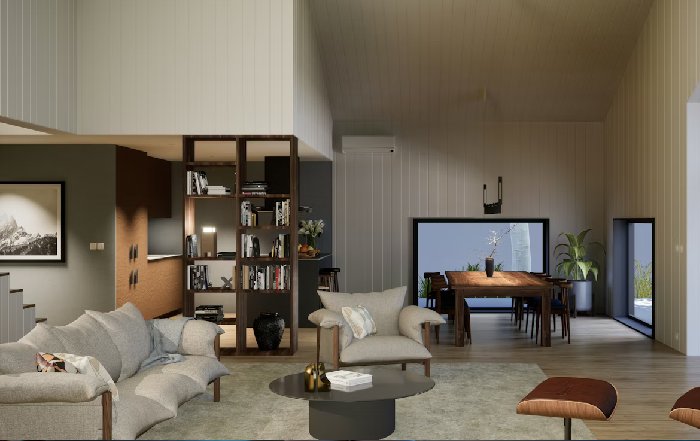
In the home, intentional luxury might manifest as investing in high-quality bedding for restorative sleep, incorporating art or plants that elevate mood, or designing a kitchen that encourages mindful cooking rather than rushed, reactive eating. The emphasis is on sensory richness and functionality rather than sheer square footage or ostentatious décor. For women balancing global careers, caregiving responsibilities, and personal ambitions, this approach offers a powerful antidote to burnout: a living environment that supports, rather than competes with, their goals.
Digital life is another frontier. In 2026, constant connectivity risks eroding attention, creativity, and presence. Intentional luxury therefore includes the ability to step away from noise and curate information intake. Thought leaders at Harvard Business Review have highlighted the strategic value of deep work and focused thinking for leaders and professionals, suggesting that the capacity to protect one's attention may be one of the most valuable forms of modern luxury. Creating boundaries around devices, social media, and notifications is not merely a wellness choice; it is a competitive advantage in a world of distraction.
Leadership, Power, and the Luxury of Choice
For women in leadership, whether in corporate, entrepreneurial, or civic roles, intentional luxury intersects directly with power and choice. The ability to say no to misaligned opportunities, to design teams and organizations around humane principles, and to set strategic direction without being captive to outdated norms can be viewed as a high form of luxury in itself. As readers of HerStage Leadership know, leadership today is less about command-and-control and more about influence, empathy, and vision.
Reports from institutions like World Economic Forum have documented both progress and persistent gaps in women's representation in leadership roles across regions from North America and Europe to Asia, Africa, and South America. As more women ascend to decision-making positions in the United States, United Kingdom, Germany, Canada, Australia, France, Italy, Spain, the Netherlands, Switzerland, China, Sweden, Norway, Singapore, Denmark, South Korea, Japan, Thailand, Finland, South Africa, Brazil, Malaysia, and New Zealand, they are in a position to redefine what leadership looks and feels like. Many are choosing to embed flexibility, mental health support, and inclusive cultures into their organizations, recognizing that the true luxury for modern teams is a work environment that respects human complexity.
Intentional luxury at the leadership level also involves aligning business strategy with societal impact. Stakeholders increasingly expect organizations to address climate risk, diversity, and responsible supply chains, as highlighted by research from World Resources Institute and UN Women. For female leaders and founders, this alignment is not only an ethical imperative but also a personal one; it allows them to lead businesses that reflect their values, thereby reducing the dissonance that often leads to stress and disengagement. The luxury here is integrity: the ability to succeed without fragmenting one's identity.
Wealth, Career, and Financial Serenity
No conversation about luxury can ignore money, yet intentional luxury reframes wealth as a tool for freedom and security rather than a scoreboard. Financial serenity-the confidence that one's present and future needs are sustainably met-is a foundational luxury that underpins all others. Readers exploring HerStage Career and HerStage Guide understand that professional choices and financial decisions are deeply intertwined, influencing everything from housing and education to travel and retirement.
Women worldwide have made significant strides in financial literacy and economic participation, but structural inequities and cultural narratives still shape their relationship with money. Research from organizations such as OECD and World Bank highlights persistent gender gaps in pay, investment behavior, and access to capital, particularly in emerging markets. Intentional luxury demands that women confront these realities directly: negotiating assertively for fair compensation, building diversified investment portfolios, and seeking advice from qualified professionals when needed.
Financial planning in 2026 must also account for global volatility, from inflation and interest rate shifts to geopolitical risk. Platforms such as IMF and Bank for International Settlements offer macroeconomic insights that can help individuals understand the broader context in which they are making decisions. However, at the personal level, the central question remains: How can money be structured to support a life that feels rich in time, health, and purpose, not just in numerical balances?
For some, intentional luxury will involve designing careers that allow for sabbaticals, portfolio work, or entrepreneurial ventures. For others, it may mean optimizing within a traditional corporate path while ensuring that savings, insurance, and estate planning are robust. Across all scenarios, the goal is the same: to transform money from a source of chronic anxiety into a quiet enabler of meaningful choices.
Beauty, Glamour, and the Ethics of Self-Expression
Beauty and glamour have always been closely associated with luxury, yet in 2026 these domains are being reimagined through the lenses of inclusivity, science, and sustainability. On HerStage Beauty and HerStage Glamour, readers encounter a vision of beauty that honors individuality, cultural diversity, and long-term health over fleeting, homogenized ideals. This shift is reflected in the rise of skincare backed by dermatological research, the growing popularity of minimal yet high-performance makeup, and the increasing scrutiny of ingredient safety and environmental impact.
Organizations such as Environmental Working Group and European Chemicals Agency provide information on cosmetic ingredients and regulatory frameworks, empowering consumers to make informed choices. Intentional luxury in beauty thus involves selecting products and services that enhance confidence and wellbeing without compromising ethical or ecological standards. It also means questioning inherited narratives about aging, body image, and professional appearance, and replacing them with self-determined definitions of elegance and presence.
Glamour, meanwhile, is less about spectacle and more about coherence between inner and outer worlds. A tailored blazer worn by a founder pitching investors in London, a silk sari chosen for a ceremony in Mumbai, or a minimalist black dress selected for an art opening in Copenhagen can all be expressions of intentional glamour when they reflect the wearer's identity, context, and aspirations. In this sense, glamour becomes a language through which women communicate power, creativity, and respect for themselves and others.
Health, Food, and the Luxury of Vitality
If there is one domain where luxury and necessity converge most clearly, it is health. The events of the early 2020s underscored that physical and mental wellbeing are not optional extras but central pillars of a life well lived. Access to quality healthcare, preventive practices, and reliable information remains uneven across regions, yet the aspiration for vitality is universal. Readers of HerStage Health and HerStage Food are acutely aware that nutrition, movement, sleep, and stress management are core determinants of both longevity and daily quality of life.
Trusted institutions such as World Health Organization and Mayo Clinic continue to emphasize the importance of balanced diets, regular exercise, and mental health support, while also recognizing the role of social determinants like income, education, and environment. For women juggling demanding careers and family responsibilities, intentional luxury in health might mean scheduling non-negotiable medical check-ups, investing in ergonomic work setups, or seeking therapy and coaching to navigate complex transitions. It also includes the quiet luxury of rest: sufficient sleep, digital downtime, and unstructured moments that allow the nervous system to reset.
Food, too, is a site of intentional luxury. Rather than relying solely on convenience or restrictive trends, many women are embracing a more nuanced approach that values pleasure, cultural heritage, and sustainability. Organizations like EAT Foundation and FAO provide guidance on diets that are both health-promoting and environmentally responsible. Cooking at home using fresh, local ingredients, exploring plant-forward cuisines, and learning about traditional recipes from different cultures can all become luxurious rituals, especially when shared with friends and family across continents and time zones.
Fashion, Identity, and Sustainable Elegance
Fashion remains one of the most visible expressions of luxury, yet it is also a sector under intense pressure to reform. The environmental and social costs of fast fashion are now well documented by entities such as UN Environment Programme, prompting consumers and brands alike to reconsider production models and purchasing habits. Readers who engage with HerStage Fashion are part of a growing global cohort that seeks elegance without exploitation, and style without waste.
Intentional luxury in fashion involves a shift from trend-chasing to identity-driven curation. Women are increasingly investing in timeless silhouettes, high-quality fabrics, and versatile pieces that can be styled for multiple contexts, from boardrooms in Toronto or Zurich to creative studios in Seoul or Cape Town. Many are supporting independent designers, local artisans, and brands that provide transparency about their supply chains and labor practices. Platforms like Fashion Revolution encourage consumers to ask "Who made my clothes?" and to consider the human stories behind garments.
This approach does not eliminate the joy of experimentation; rather, it channels it into more mindful choices. Renting special-occasion pieces, tailoring existing items for better fit, and participating in clothing swaps or resale platforms all extend the life of garments and reduce environmental impact. In doing so, fashion becomes a site where personal expression, social responsibility, and aesthetic pleasure intersect.
Education, Mindfulness, and the Luxury of Continuous Growth
In a world defined by rapid technological change, geopolitical shifts, and evolving work models, continuous learning has become a form of luxury that is both practical and deeply fulfilling. Access to quality education remains unequal across regions, but digital platforms and open resources are expanding opportunities for self-directed growth. Readers exploring HerStage Education and HerStage Self-Improvement understand that investing in knowledge, skills, and inner development is one of the most resilient forms of wealth.
Institutions such as MIT OpenCourseWare and Coursera provide access to courses from leading universities, allowing professionals in Nairobi, Buenos Aires, or Bangkok to deepen expertise in everything from data science to leadership. Simultaneously, mindfulness and contemplative practices, supported by research from American Psychological Association, are being recognized as essential complements to cognitive learning. The capacity to focus, regulate emotions, and maintain perspective amid uncertainty is a luxury that cannot be bought but can be cultivated through intentional practice.
For women designing lives of intentional luxury, education and mindfulness function as compasses. They enable more informed career pivots, smarter financial decisions, healthier relationships, and more nuanced engagement with global issues. They also foster humility and curiosity, qualities that prevent luxury from ossifying into entitlement and instead keep it aligned with gratitude and service.
A Global Perspective on Intentional Luxury
The audience of HerStage is distinctly global, spanning North America, Europe, Asia, Africa, and South America, and this diversity is reshaping the contours of intentional luxury itself. What counts as luxurious in Tokyo may differ in texture from what feels luxurious in Lagos or Vancouver, yet common threads emerge: autonomy, safety, beauty, connection, and purpose. International organizations such as UNESCO and OECD highlight how cultural, economic, and policy contexts influence access to these elements, but they also underscore the growing interconnectedness of aspirations and challenges.
For women in countries with robust social safety nets, intentional luxury may focus on fine-tuning personal choices within a relatively stable framework. For those in regions facing political instability, climate vulnerability, or economic volatility, the pursuit of intentional luxury may be more closely tied to resilience, community building, and advocacy for systemic change. In both cases, a global perspective encourages empathy and solidarity: recognizing that one person's everyday convenience may be another's distant aspiration, and that luxury can be leveraged to support broader wellbeing through philanthropy, mentorship, and responsible consumption.
Readers who explore HerStage World encounter stories that illuminate these dynamics, from women-led enterprises in emerging markets to policy innovations in Scandinavian countries. This global lens reinforces a key insight: intentional luxury is not about withdrawing into a private bubble of comfort but about participating in the world with eyes open, choices conscious, and resources aligned with values.
Bringing It All Together: HerStage and the Architecture of a Luxurious Life
Designing a life of intentional luxury in 2026 is both an art and a discipline. It requires self-awareness, strategic thinking, and the courage to deviate from inherited scripts about success, femininity, and status. It asks women to treat their time, energy, and attention as scarce and precious resources, to be allocated with the same care they might apply to financial investments or business decisions. It also invites them to embrace pleasure, beauty, and rest without guilt, recognizing these as vital components of sustained performance and creativity.
For HerStage and its readers, this journey is inherently personal yet collectively informed. The platform's interconnected focus on women, lifestyle, leadership, self-improvement, beauty, glamour, health, food, fashion, business, world affairs, education, mindfulness, and career reflects the multifaceted nature of intentional luxury itself. Each section-from HerStage Women to the broader HerStage homepage-offers perspectives and tools that help women around the world design lives that are not only successful by conventional metrics but also deeply satisfying on their own terms.
In an era defined by complexity and acceleration, intentional luxury stands as a quiet but powerful countercurrent. It is the choice to build a life that is curated rather than crowded, principled rather than performative, and expansive rather than exhausting. It is the recognition that true luxury is not merely what can be purchased, but what can be experienced with full presence: health, meaning, creativity, connection, and the freedom to live in alignment with one's highest values.
