
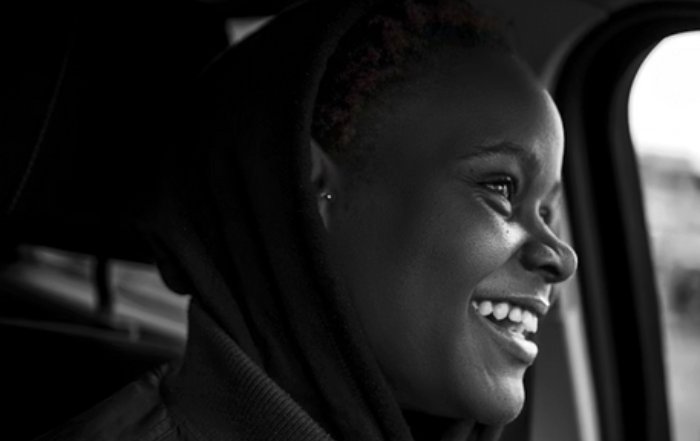
Women's Voices Driving Social Change in 2026
A Defining Decade for Women's Influence
By 2026, women's voices are not simply contributing to global conversations; they are actively setting agendas in politics, business, culture, and technology across every major region of the world, and for HerStage and its community of readers, this transformation is experienced not as a distant phenomenon but as a daily reality that shapes boardroom decisions, workplace culture, civic engagement, and personal aspirations. The acceleration of women's leadership, from cabinet offices in Europe and Asia to entrepreneurial hubs in Africa and Latin America, has made it clear that gender inclusion is no longer a peripheral objective but a central determinant of economic resilience, social cohesion, and institutional legitimacy in an era marked by climate risk, geopolitical tension, and rapid digital disruption. Organizations such as UN Women underscore this shift by tracking measurable gains in women's participation in politics, corporate governance, and civil society, while also highlighting the stubborn persistence of structural barriers, pay gaps, and cultural biases that demand sustained, evidence-based solutions rather than symbolic gestures.
For HerStage, which is committed to amplifying women's experiences and expertise across business, leadership, health, and lifestyle domains, the current moment is both an opportunity and a responsibility: an opportunity to reflect the breadth of women's impact worldwide and a responsibility to provide analysis, guidance, and storytelling that equip readers to navigate and shape this evolving landscape with confidence and clarity. In a media environment often dominated by reactive commentary and fragmented narratives, HerStage's focus on depth, context, and trustworthiness positions it as a distinctive platform where women's voices are treated not as a niche interest but as a central lens for understanding global change.
The Global Landscape of Women's Leadership
Across continents, women are assuming leadership roles that directly influence how societies confront complex challenges such as climate change, demographic shifts, technological disruption, and widening inequality, and this expanded presence is increasingly visible in the highest levels of government, central banks, multilateral organizations, and multinational corporations. Data compiled by the World Economic Forum in its Global Gender Gap reports indicates that countries in Northern Europe, New Zealand, and Rwanda continue to lead in political representation and economic participation, demonstrating how sustained policy commitments, quota systems, and cultural change can translate into tangible gains when they are embedded in long-term national strategies rather than short-term public relations initiatives. At the same time, analysis from the OECD shows that higher levels of women's labor force participation and leadership are associated with stronger growth, innovation capacity, and social stability, reinforcing the view that gender equality is a macroeconomic imperative rather than a discretionary social policy.
In the United States, United Kingdom, Germany, Canada, and Australia, women in senior public and private roles are steering debates on artificial intelligence governance, climate resilience, industrial policy, and workforce transformation, while in rapidly growing economies such as India, Nigeria, Brazil, and Indonesia, women entrepreneurs are building technology-driven enterprises that expand access to financial services, healthcare, and education for underserved communities. These developments resonate strongly with the HerStage readership, many of whom are navigating demanding careers in finance, technology, professional services, creative industries, and the public sector while also balancing family responsibilities and community engagement. For those seeking to expand their own influence, HerStage's coverage of women and leadership connects global trends with practical insights on negotiation, strategic positioning, and ethical decision-making, enabling readers to translate macro-level shifts into individual career strategies.
Digital Platforms and the Power of Collective Voice
The digital transformation of the past decade has dramatically expanded the reach and immediacy of women's voices, enabling individuals from New York, London, and Berlin to Bangkok to shape public discourse, mobilize communities, and hold institutions accountable in ways that were unimaginable a generation ago. Social media platforms, independent digital publications, and creator-driven channels have allowed women to bypass traditional gatekeepers in politics and legacy media, turning personal narratives, investigative journalism, and data-driven advocacy into powerful catalysts for legal and cultural change. Movements that began as hashtags have evolved into sustained campaigns against gender-based violence, workplace harassment, discriminatory legislation, and online abuse, demonstrating how networked communities can transform isolated experiences into global calls for reform.
Research from Pew Research Center highlights that women are often leading users of digital tools for civic engagement, community building, and professional networking, even as they face disproportionate levels of harassment, doxxing, and disinformation, which in turn has prompted new initiatives focused on platform accountability, algorithmic transparency, and digital safety. Policy analysis from institutions such as Brookings Institution and Chatham House explores how women's digital activism intersects with broader questions of democratic resilience, human rights, and information integrity, underscoring that the future of open societies will depend in part on whether women's voices online are protected and integrated into decision-making processes rather than sidelined by abuse or structural bias. Within this evolving environment, HerStage serves as a curated and trusted space where women's perspectives on world affairs and global trends are contextualized and connected to readers' lived experiences, helping them understand how their digital engagement can contribute to meaningful and sustainable change.
Economic Empowerment and the Business Case for Inclusion
Economic empowerment remains one of the most powerful levers for social transformation, and by 2026 the evidence that gender-inclusive economies perform better is extensive and compelling. Analyses from the International Monetary Fund and the World Bank consistently show that increasing women's participation in the labor force, entrepreneurship, and leadership roles can boost GDP, enhance financial stability, and improve the distribution of opportunities across income groups, particularly in aging societies where workforce participation is critical to maintaining productivity. In North America, Europe, and parts of Asia-Pacific, corporate leaders are moving beyond rhetorical commitments to diversity and embedding gender inclusion into core business strategies, recognizing that diverse teams improve innovation, risk management, and customer insight, especially in sectors such as technology, healthcare, consumer goods, and financial services where women drive a significant share of purchasing decisions and user adoption.
At the same time, inclusive finance initiatives are expanding access to capital for women in emerging markets, with microfinance, digital wallets, and fintech platforms enabling entrepreneurs from rural India to peri-urban Kenya and Colombia to launch and scale businesses that create jobs, improve household resilience, and strengthen local value chains. The International Finance Corporation has documented how targeted investments in women-owned enterprises can unlock substantial economic and social returns, particularly when combined with mentorship, market access, and policy support that address structural constraints such as collateral requirements and legal barriers to property ownership. For readers of HerStage, who are often making pivotal decisions about career progression, entrepreneurship, and investment, the platform's focus on business and growth and career development offers practical frameworks for leveraging these macroeconomic trends, whether by negotiating equitable compensation, building investor-ready ventures, or positioning themselves for leadership in organizations that increasingly recognize the strategic value of inclusion.
Education, Skills, and Lifelong Learning in a Digital Age
Education remains the cornerstone of women's empowerment, and while the last decade has seen significant progress in girls' enrollment and completion rates in many regions, deep disparities persist, particularly in parts of Sub-Saharan Africa, South Asia, and conflict-affected areas where poverty, instability, and restrictive norms limit access to quality schooling. Organizations such as UNESCO and UNICEF continue to highlight the multiplier effects of educating girls, from improved health outcomes and reduced child marriage to higher incomes and greater civic participation, while also emphasizing the need for targeted interventions that reach marginalized populations, including rural communities, refugees, and girls with disabilities. In advanced economies such as the United States, United Kingdom, Germany, the Nordics, Japan, and South Korea, attention has increasingly shifted toward ensuring that women and girls have equitable access to STEM education, digital skills, and leadership training, recognizing that emerging technologies such as artificial intelligence, quantum computing, and advanced manufacturing will define future labor markets and power structures.
Leading universities and business schools, including MIT and London School of Economics, have expanded programs focused on women in technology, finance, policy, and entrepreneurship, pairing technical instruction with research on organizational behavior, negotiation, and inclusive leadership. Massive open online course platforms and specialized learning providers have further democratized access to high-quality content, enabling women in diverse geographies to upskill and reskill while balancing work and family commitments. For the HerStage audience, which often straddles demanding professional roles and ongoing personal development, this era underscores the importance of viewing education as a lifelong journey rather than a finite phase. HerStage's emphasis on education and learning and self-improvement provides readers with guidance on building future-ready skills, cultivating adaptive mindsets, and strategically investing in knowledge that enhances both career prospects and the capacity to influence institutions and public debates.
Health, Wellbeing, and Sustainable Impact
Women's ability to drive social change is inseparable from their physical, mental, and emotional wellbeing, and by 2026 there is growing recognition among policymakers, employers, and health systems that gender-sensitive approaches to care and workplace design are essential to sustainable progress. The World Health Organization has documented persistent gaps in women's access to quality healthcare, representation in clinical research, and health literacy, particularly in areas such as reproductive health, cardiovascular disease, autoimmune conditions, and mental health, where symptoms are often misdiagnosed or under-researched. These gaps are compounded by socio-economic inequalities, racial and ethnic disparities, and geographic barriers that disproportionately affect women in low-income, rural, and marginalized communities across continents, from the United States and Europe to Africa, Asia, and Latin America.
In response, governments and employers in countries such as Canada, France, the Netherlands, Singapore, and New Zealand have begun to pilot more comprehensive frameworks for parental leave, flexible work, caregiving support, and mental health services, recognizing that burnout and chronic stress undermine productivity and innovation and that women frequently shoulder disproportionate caregiving responsibilities. Clinical guidance from institutions like Mayo Clinic and Harvard Medical School is increasingly shaping public understanding of the links between sleep, nutrition, exercise, hormonal health, and cognitive performance, while management research from organizations such as McKinsey & Company highlights the business value of psychologically safe, inclusive workplaces that support wellbeing and belonging. Within this context, HerStage approaches health and mindfulness not as lifestyle luxuries but as strategic foundations for enduring leadership and impact, offering readers perspectives on how to integrate self-care, stress management, and reflective practices into lives that are often defined by high expectations and competing demands.
Culture, Media, Beauty, and the Politics of Representation
Cultural narratives and media representations play a decisive role in shaping how societies perceive women's capabilities, authority, and aspirations, and in recent years there has been a noticeable, though uneven, shift toward more nuanced and authentic portrayals of women in film, television, advertising, fashion, and digital content. The Geena Davis Institute on Gender in Media and similar organizations have shown that increasing the visibility of women, especially women of color and older women, in roles of expertise and leadership on screen can influence career aspirations, policy attitudes, and perceptions of legitimacy among audiences worldwide, particularly younger generations growing up in a hyper-connected media environment. Yet, despite progress, stereotypes, tokenism, and objectification remain prevalent in many markets, subtly undermining women's self-perception and public authority.
At the same time, the global fashion and beauty industries are undergoing an important recalibration, as consumers and activists demand greater diversity in body types, skin tones, ages, and cultural backgrounds, as well as stronger commitments to ethical sourcing, labor rights, and environmental sustainability. Industry analysis from Business of Fashion and Vogue Business highlights how leading brands in Europe, North America, and Asia are rethinking casting, product development, and marketing strategies in response to these pressures, while women executives, designers, and creative directors are increasingly vocal about connecting aesthetic influence with social responsibility. For HerStage, coverage of fashion, beauty, and glamour is rooted in the understanding that style is not merely surface-level but deeply intertwined with identity, confidence, and power; by examining how representation, body politics, and consumer choices intersect, HerStage helps readers navigate an industry in transition and align their personal expression with values of dignity, agency, and inclusivity.
Policy, Law, and Institutional Reform
While individual success stories are inspiring, the most durable and scalable forms of social change often depend on reforms in law, policy, and institutional design, and in this arena women's voices have become increasingly influential, though far from fully represented. Around the world, women legislators, judges, diplomats, regulators, and policy experts are advancing measures that address gender-based violence, pay equity, parental leave, childcare access, digital rights, and political representation, frequently working in partnership with civil society organizations, academic institutions, and international bodies. Reports from UN Women and the World Bank Gender Data Portal show that countries with higher proportions of women in parliament and senior government roles are more likely to adopt inclusive social protection policies, invest in health and education, and design governance frameworks that prioritize long-term social outcomes, though the relationship between representation and policy outcomes remains complex and context-dependent.
In Europe, North America, and parts of Latin America and Asia, legal reforms on domestic violence, workplace harassment, reproductive rights, and LGBTQ+ protections have been shaped by decades of organizing by women's movements that combine grassroots mobilization with sophisticated legal and economic analysis. In regions where civic space is constrained or rights are under threat, women activists, journalists, and lawyers often operate at considerable personal risk to defend hard-won gains and challenge regressive measures. Policy think tanks such as Carnegie Endowment for International Peace and Council on Foreign Relations have documented how women's participation in peace negotiations, conflict resolution, and security policymaking contributes to more durable agreements and more holistic approaches to stability, reinforcing the argument that gender inclusion is essential to effective governance rather than a secondary concern. For readers of HerStage, who span diverse political contexts from the United States, United Kingdom, and Germany to South Africa, Brazil, Singapore, and beyond, understanding these institutional dynamics is critical for translating personal convictions into civic engagement, and HerStage's coverage of women's issues and global developments provides a bridge between high-level policy shifts and everyday decisions about voting, advocacy, philanthropy, and professional leadership.
Lifestyle, Values, and Everyday Acts of Change
Beyond formal institutions and high-profile leadership roles, social change is also propelled by the cumulative effect of everyday choices about lifestyle, consumption, relationships, and community involvement, and women across continents are quietly reshaping norms in ways that may not always command headlines but nonetheless alter social expectations and market behavior. Decisions about how to share domestic responsibilities, raise children, support local enterprises, volunteer, and speak up in workplaces are redefining what fairness and partnership look like in households and organizations from New York, Toronto, and London to Amsterdam, Stockholm, Singapore, and Cape Town. In this context, platforms that explore lifestyle and culture and offer practical guides for navigating modern living help readers align daily routines and long-term plans with their values, turning abstract commitments to equality, sustainability, and wellbeing into concrete habits.
Global conversations about sustainable consumption, ethical food systems, and climate-conscious living, informed by organizations such as the United Nations Environment Programme and the World Resources Institute, intersect with women's influential roles in household decision-making and community leadership, particularly in areas such as nutrition, energy use, and waste reduction. As more women adopt plant-forward diets, reduce food waste, support regenerative agriculture, and prioritize responsible sourcing, their preferences send powerful signals to companies and policymakers, especially in sectors like food, beauty, and fashion where consumer demand can accelerate or hinder progress toward more sustainable practices. Readers who engage with food and wellbeing content on HerStage encounter discussions that connect culinary choices with health, culture, and environmental impact, reinforcing the idea that everyday decisions can contribute to broader systems change. In this way, women's voices, expressed through conversations with family and colleagues, social media engagement, workplace initiatives, and local projects, collectively redefine what is considered normal and acceptable in homes, offices, and public spaces, gradually embedding new standards of equity, responsibility, and care.
Looking Ahead: HerStage and the Future of Women-Led Change
As the world moves deeper into the second half of the 2020s, with intensifying climate risks, geopolitical fragmentation, technological upheaval, and demographic shifts, the role of women's voices in shaping resilient and humane societies is more critical than ever, and platforms that prioritize depth, nuance, and integrity in covering women's experiences hold a distinctive place in the information ecosystem. HerStage positions itself not simply as a media outlet but as a curated arena where women's leadership journeys, lifestyle choices, career strategies, and reflections on global issues intersect, offering readers a holistic perspective that recognizes the interconnectedness of personal wellbeing, professional success, and social impact. By drawing on insights from respected organizations such as UN Women, World Economic Forum, Harvard Business Review, and global research institutions, while foregrounding the lived realities of women from the United States, United Kingdom, Germany, Canada, Australia, France, Italy, Spain, Netherlands, Switzerland, China, Sweden, Norway, Singapore, Denmark, South Korea, Japan, Thailand, Finland, South Africa, Brazil, Malaysia, New Zealand, and beyond, HerStage reinforces the Experience, Expertise, Authoritativeness, and Trustworthiness that discerning readers demand.
For women navigating careers in established financial centers, emerging technology hubs, creative industries, public service, and entrepreneurial ecosystems across North America, Europe, Asia, Africa, and South America, the coming years will require both resilience and imagination, as they confront shifting labor markets, evolving cultural norms, and complex global risks. At the same time, these years offer unprecedented opportunities to design institutions, businesses, and narratives that reflect more inclusive, sustainable, and compassionate values. By offering in-depth coverage of business and leadership, health and mindfulness, education and self-improvement, and the broader tapestry of women's lives worldwide, HerStage contributes to a global movement in which women are not merely participants in social change but its architects, shaping the norms, strategies, and stories that will define how societies thrive in the decades ahead.
