20 Tips to Fight Off Cellulite

Last updated by Editorial team at herstage.com on Saturday 10 January 2026
20 Tips to Fight Off Cellulite

The 2026 HerStage Guide to Understanding and Reducing Cellulite: Science, Strategy, and Self-Worth

Cellulite remains one of the most discussed yet misunderstood aspects of women's bodies, and in 2026 it continues to sit at the intersection of beauty, wellness, and identity. Up to 90 percent of women worldwide experience cellulite at some point in their lives, from young professionals in New York and London to entrepreneurs in Singapore and Johannesburg, and its presence often becomes a source of self-consciousness despite its entirely natural origin. Medically, cellulite is a structural issue rather than a cosmetic "failure": fat cells push through connective tissue beneath the skin, creating dimpling and uneven texture, most commonly on the thighs, buttocks, hips, and abdomen. It is not a disease, it is not a sign of poor character or laziness, and it affects women of all sizes, ages, and fitness levels, including elite athletes and models.

For HerStage.com, whose readers span the United States, Europe, Asia, Africa, and the wider global community, cellulite is not only a beauty topic but a lens through which to explore women's health, confidence, and agency. The question is no longer simply how to "get rid of" cellulite but how to understand it, manage it intelligently, and place it in a healthier narrative about the female body. In 2026, the most credible strategies combine evidence-based skincare, nutrition, movement, technology, and mental well-being, all anchored in a mindset of respect for the body rather than punishment or shame.

This comprehensive article examines cellulite from a scientific and lifestyle perspective, presenting practical approaches that align with the values of experience, expertise, authoritativeness, and trustworthiness. It is designed for the woman leading a team in Berlin, the founder scaling a startup in Toronto, the executive traveling between Hong Kong and Sydney, and the student building her future - women who want clarity, credible information, and realistic tools that fit demanding lives.

Cellulite in 2026: What Science Now Understands

Over the past decade, research from institutions such as Harvard Medical School, Mayo Clinic, and the American Academy of Dermatology has refined the understanding of cellulite. Rather than viewing it as a simple fat problem, scientists now describe it as a complex interaction between fat cells, connective tissue (particularly collagen and elastin), microcirculation, lymphatic flow, hormones, and genetics. Women's connective tissue is typically arranged in vertical columns, which makes it easier for fat lobules to push upward, whereas men's connective tissue is more crisscrossed, which is one reason cellulite is far more common in women.

Hormonal influences, especially estrogen, contribute to the structure and behavior of fat cells and connective tissue. As women move through puberty, pregnancy, perimenopause, and menopause, shifts in estrogen, insulin, thyroid hormones, and cortisol can alter circulation, fat distribution, and water retention, often making cellulite more visible. Genetics also play a powerful role; women can inherit a predisposition to weaker connective tissue or a particular pattern of fat storage, which explains why two women with similar lifestyles may experience very different degrees of cellulite.

Contemporary dermatology emphasizes that cellulite is not a sign of poor health on its own. However, lifestyle factors such as chronic inflammation, poor circulation, and lack of muscle tone can worsen its appearance. That is why integrated strategies - combining movement, nutrition, skincare, and stress management - remain the most credible path forward. To understand more about the biology of cellulite, readers can explore resources from the American Academy of Dermatology and consumer-friendly overviews from Healthline.

Hydration, Nutrition, and the Global Food Landscape

Hydration remains one of the simplest and most underestimated levers in managing cellulite's visibility. Adequate water intake improves microcirculation, supports lymphatic flow, and helps maintain skin elasticity, which can make dimpling less pronounced. In regions with hot climates, such as parts of Australia, South Africa, Thailand, and Brazil, insufficient hydration can compound the appearance of cellulite due to increased fluid loss through perspiration. Health authorities such as the World Health Organization and national guidelines generally recommend several glasses of water daily, adjusted for activity and climate, and many women now rely on smart bottles and wearable trackers to monitor their intake. Readers can explore more on the benefits of hydration and integrate those insights into their broader lifestyle choices.

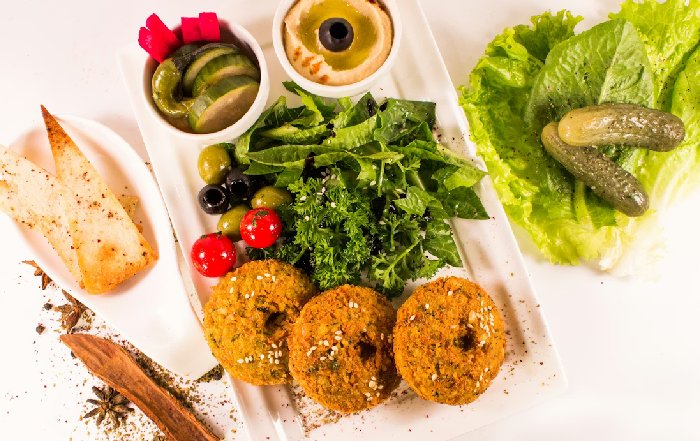
Nutrition, meanwhile, shapes the internal environment that either supports or undermines connective tissue. Diets high in ultra-processed foods, refined sugars, and trans fats tend to promote chronic low-grade inflammation, oxidative stress, and metabolic disruption, all of which can weaken collagen and elastin. In contrast, eating patterns rich in vegetables, fruits, whole grains, lean proteins, and healthy fats support vascular health, stabilize blood sugar, and provide the micronutrients needed for collagen synthesis. The Harvard T.H. Chan School of Public Health continues to highlight models such as the Mediterranean-style eating pattern, which emphasizes olive oil, fish, legumes, nuts, and leafy greens, as a template for cardiovascular and skin health. Women interested in practical frameworks can review this guide to healthy eating and translate it into daily routines, whether they are shopping in Los Angeles, Madrid, or Singapore.

Healthy fats deserve particular attention. Omega-3 fatty acids from salmon, sardines, walnuts, and chia seeds support anti-inflammatory pathways and cell membrane integrity, which in turn benefit skin resilience. Replacing processed snacks with nuts or seeds, using extra-virgin olive oil instead of industrial seed oils, and incorporating fatty fish a few times per week can gradually shift the body toward a more supportive internal environment. Readers can deepen their understanding of these nutrients through resources on omega-3 benefits and find culinary inspiration within HerStage Food, where nourishment and pleasure are treated as complementary rather than competing priorities.

Strength, Movement, and the Modern Working Day

In 2026, many readers of HerStage.com work in hybrid or fully remote environments, often spending long hours at desks or on screens. This reality has a direct impact on circulation and muscle tone, both central to the appearance of cellulite. Extended sitting can compress blood vessels, slow lymphatic flow, and reduce the mechanical stimulation that keeps tissues healthy, making cellulite more prominent even in otherwise active women.

Strength training has emerged as one of the most effective tools for addressing this. By building lean muscle in the thighs, glutes, and core, women create a firmer underlying structure that helps smooth the surface of the skin. Squats, lunges, hip thrusts, deadlifts, and step-ups remain foundational, whether performed with body weight at home or with resistance in a gym. Increased muscle mass also elevates resting metabolic rate, which can gradually reduce excess fat storage. Public health agencies such as the Centers for Disease Control and Prevention recommend at least two days of muscle-strengthening activities per week; those guidelines, explained in more depth in the CDC's strength training overview, now inform corporate wellness programs from New York to Zurich.

Cardiovascular exercise complements strength work by enhancing circulation, supporting heart health, and helping manage body fat levels. Running, brisk walking, cycling, swimming, and dance-based workouts are all beneficial, and time-pressed professionals increasingly turn to high-intensity interval training for its efficiency and afterburn effect. The Mayo Clinic continues to highlight how aerobic exercise supports not only physical health but also mood and cognitive function; women can explore these connections in more detail through resources on aerobic exercise benefits.

Yet movement is not limited to formal workouts. Micro-movements throughout the day - standing during calls, taking walking meetings, using stairs instead of elevators, or briefly stretching between virtual conferences - can collectively improve circulation and reduce stagnation. This approach aligns closely with the ethos of self-improvement promoted by HerStage, where small, sustainable habits are valued over extreme, short-lived efforts. Women in leadership roles who model these behaviors contribute to healthier workplace cultures, reinforcing the idea that productivity and physical well-being are mutually reinforcing.

Skin, Collagen, and Topical Innovation

From Seoul to Stockholm, the global skincare industry has invested heavily in understanding how to support the dermis - the layer of skin where collagen and elastin reside. Collagen gives skin its structure, while elastin allows it to stretch and rebound. As women age, natural production of both declines, and environmental factors such as UV exposure, pollution, and smoking accelerate this process. When the dermal matrix weakens, fat lobules can push more easily into the upper layers, increasing the visibility of cellulite.

Nutrition and supplementation play a role here. Collagen-rich foods, such as bone broth and certain cuts of meat, provide amino acids needed for collagen synthesis, while vitamin C from citrus fruits and berries is critical for that process to occur. Hydrolyzed collagen peptides, now widely available in powders and capsules, have been shown in clinical studies to improve skin elasticity and hydration over time. Readers interested in this topic can explore summaries of collagen and skin health while considering their own dietary preferences and discussions with healthcare professionals.

Topical products have also evolved. Creams and serums containing caffeine, retinol, and peptides are formulated to temporarily improve microcirculation, support collagen production, and enhance skin texture. Caffeine-based products can create a short-term tightening effect by constricting blood vessels and reducing water content in fat cells, while retinol encourages cell turnover and collagen synthesis, thickening the dermis over time. Peptides act as signaling molecules that prompt the skin to repair and reinforce itself. While no cream can "cure" cellulite, consistent use of well-formulated products can make a visible difference, particularly when combined with lifestyle changes. Readers can follow developments in this space through overviews of skincare trends and explore aligned content on HerStage Beauty, where efficacy and realism are prioritized over hype.

Regular exfoliation complements topical treatments by removing dead skin cells and improving product penetration. Both physical exfoliants, such as sugar or finely ground coffee scrubs, and chemical exfoliants, such as alpha hydroxy acids, can refine texture and promote a more radiant surface. For women focused on sustainability, natural exfoliants and minimal-waste packaging align skincare with broader environmental values. Health-oriented resources such as Healthline's skincare guidance can help readers evaluate options intelligently.

Professional Treatments and Technological Advances

In clinics from New York and Toronto to Paris, Dubai, and Seoul, non-invasive body contouring has become a mature, highly regulated field. Devices using radiofrequency, laser, and focused ultrasound technologies aim to stimulate collagen, remodel connective tissue, and in some cases reduce localized fat deposits. These treatments, offered by board-certified dermatologists and qualified aesthetic physicians, typically require multiple sessions and are positioned as adjuncts rather than substitutes for healthy living.

Radiofrequency-based devices heat the dermis to trigger collagen remodeling, while certain laser systems target fibrous septae - the connective tissue strands that create dimpling when they pull down on the skin. Focused ultrasound can selectively disrupt fat cells without damaging surrounding structures. The Cleveland Clinic and similar institutions provide patient-friendly explanations of compression and circulation therapies, which are often integrated into post-procedure care to support optimal outcomes.

Massage therapies, including lymphatic drainage and deep tissue massage, remain valuable both as standalone practices and in conjunction with technological treatments. These approaches support circulation, reduce fluid retention, and help maintain healthy fascia, the connective tissue surrounding muscles. Medical and wellness platforms such as Medical News Today discuss how massage can complement lifestyle strategies by lowering stress and enhancing body awareness. For busy professionals in cities like London, Frankfurt, or Singapore, short but regular sessions can become a structured pause in otherwise demanding schedules.

Compression garments represent another pragmatic tool. Graduated compression leggings, tights, and shorts help optimize venous return and lymphatic flow, particularly for women who travel frequently or spend long hours seated. While these garments do not treat cellulite at its root cause, they can reduce swelling and smooth the skin's appearance in the short term. As athleisure and performance wear have converged, compression pieces have become more stylish and office-appropriate, allowing women to combine function with aesthetics in everyday fashion.

Stress, Sleep, and Hormonal Balance

In 2026, the conversation around cellulite cannot be separated from the broader dialogue on women's mental health, workload, and hormonal well-being. Chronic stress elevates cortisol, a hormone that influences fat storage, blood sugar, and connective tissue integrity. High cortisol over time can promote abdominal fat accumulation, weaken collagen, and exacerbate inflammatory pathways, indirectly intensifying cellulite.

Mindfulness practices, including meditation, breathwork, and yoga, offer accessible tools to modulate the stress response. Digital platforms and mobile apps now provide guided sessions in multiple languages, making these techniques available to women in New York, Nairobi, Tokyo, and beyond. Evidence from psychological and neuroscientific research, summarized by organizations such as American Psychological Association, shows that regular mindfulness can improve emotional regulation, decision-making, and resilience. Readers can explore structured approaches to these practices through HerStage Mindfulness, where inner calm is treated as a strategic asset rather than a luxury.

Sleep is equally critical. During deep sleep, the body performs cellular repair, regulates hormones such as growth hormone and leptin, and consolidates learning and memory. Insufficient or poor-quality sleep disrupts these processes, often leading to increased appetite, weight gain, and impaired collagen production. The Sleep Foundation continues to emphasize seven to nine hours of quality sleep for most adults; its resources on healthy sleep provide practical guidance on routines, environment, and technology use. For women in leadership positions, protecting sleep becomes a performance decision as much as a wellness one, directly influencing clarity, emotional stability, and physical appearance.

Hormonal balance, particularly during life transitions such as perimenopause and menopause, plays a decisive role in how cellulite manifests. Declining estrogen levels can reduce blood flow to the skin, decrease collagen production, and alter fat distribution, often making cellulite more noticeable on the hips, thighs, and abdomen. Advances in women's health have made hormonal testing and personalized treatment more accessible, with endocrinologists and gynecologists in regions from the United States and Canada to Germany and Japan now offering individualized plans that may include nutrition, lifestyle interventions, and, where appropriate, hormone therapy. Overviews of hormonal imbalance can help women frame more informed conversations with their own clinicians.

Smoking, Alcohol, and Long-Term Skin Integrity

The relationship between smoking, alcohol, and cellulite is now well documented. Smoking constricts blood vessels, reduces oxygen delivery to tissues, and accelerates the breakdown of collagen and elastin, contributing to premature skin aging and increased cellulite visibility. Excessive alcohol intake, meanwhile, dehydrates the skin, disrupts liver function, and contributes to inflammation and fat accumulation. Together, these habits undermine many of the positive actions women may be taking through nutrition and movement.

The World Health Organization and national public health agencies in the United States, United Kingdom, Australia, and across Europe continue to highlight the systemic risks associated with tobacco and heavy drinking. Their fact sheets on tobacco and health and alcohol-related harm underscore how reducing or eliminating these substances can improve not only cardiovascular and metabolic health but also skin quality and cellulite. For women who wish to remain socially engaged without compromising their goals, the rise of alcohol-free mixology, sophisticated sparkling waters, and herbal infusions offers elegant alternatives that align with the holistic wellness approach championed in HerStage Health.

Global Perspectives, Body Image, and the HerStage Philosophy

Beauty standards vary across cultures, but the pressure on women to conform remains a global phenomenon. Social media and high-definition cameras have amplified scrutiny of the body, and yet in parallel, powerful movements for body inclusivity have emerged from the United States, United Kingdom, Europe, and Latin America, influencing conversations in Asia and Africa as well. Psychologists and sociologists have documented how exposure to diverse and realistic images of women's bodies can reduce internalized shame and foster healthier self-perception. Platforms such as Psychology Today discuss these dynamics and the evolution of body positivity and body image, offering context for readers navigating their own relationship with cellulite and appearance.

For HerStage.com, cellulite is not treated as a problem to be eradicated at all costs but as one aspect of a complex, capable body. The editorial perspective emphasizes both agency and acceptance: women are entitled to seek evidence-based strategies to improve their skin if they choose, and they are equally entitled to opt out of that pursuit without apology. Articles across HerStage Women, HerStage Leadership, HerStage Career, and HerStage Lifestyle consistently reinforce that professional achievement, emotional intelligence, and physical well-being are deeply interconnected.

In this context, cellulite management becomes less about conforming to an external ideal and more about aligning physical care with personal values and ambitions. A woman leading a multinational team in London may focus on strength training and nutrition to feel powerful and energized in the boardroom. A creative entrepreneur in Milan may choose targeted skincare and non-invasive treatments to align appearance with her aesthetic sensibility. A teacher in Cape Town or a software engineer in Seoul may decide that their energy is better invested in sleep, mindfulness, and community - allowing cellulite to exist without defining their worth. All of these choices are valid when made from a place of informed autonomy rather than fear.

Moving Forward: Evidence, Intention, and Self-Respect

In 2026, the most authoritative view of cellulite is clear: it is a normal, structurally driven characteristic of many women's bodies, influenced by genetics, hormones, lifestyle, and time. No single cream, workout, or device can eliminate it entirely, and any promise to the contrary should be treated with skepticism. However, a combination of thoughtful nutrition, consistent movement, intelligent skincare, professional treatments where appropriate, and robust mental health practices can significantly improve skin quality and, more importantly, overall well-being.

For the global audience of HerStage.com, the invitation is to approach cellulite with the same strategic mindset applied to business, education, or career development. Assess the evidence. Clarify personal goals. Choose interventions that are sustainable, ethical, and aligned with one's broader guide to living well. Then, just as importantly, cultivate a narrative of self-respect that does not hinge on the presence or absence of dimples on the thighs.

As the worlds of health, beauty, and leadership continue to evolve, HerStage remains committed to providing women with trustworthy, nuanced, and globally relevant insights - whether the topic is cellulite, career progression, or mindful living. The stage belongs to women in all their diversity, and cellulite is simply one detail in a far larger story of strength, ambition, and authentic presence.

Celebrity Diets and the Pursuit of Health

Last updated by Editorial team at herstage.com on Saturday 10 January 2026
Celebrity Diets and the Pursuit of Health

Celebrity Diets in 2026: Glamour, Influence, and the Pursuit of Real Wellness

Celebrity Diets as Global Cultural Currency

By 2026, celebrity diets have become a kind of global cultural currency, shaping how people in New York, London, Berlin, Seoul, Sydney, and beyond think about health, beauty, and success. What began as individual choices about food and fitness has evolved into a powerful ecosystem of branding, media, and commerce, where the way a public figure eats can influence supermarket shelves, restaurant menus, wellness startups, and the private aspirations of millions. For the audience of HerStage, which brings together women interested in lifestyle, leadership, self-improvement, career advancement, and holistic wellbeing, understanding this ecosystem is no longer just a matter of curiosity; it is an essential part of navigating modern life with discernment, agency, and confidence.

In an era where a single post on Instagram or TikTok can spark a global trend in a matter of hours, celebrity diets function as both aspiration and instruction. A smoothie recipe shared by a Hollywood actor, a fasting protocol promoted by a tech billionaire, or a plant-based lifestyle embraced by a K-pop star can quickly become a template that women in the United States, the United Kingdom, Germany, Canada, Australia, France, Italy, Spain, the Netherlands, Switzerland, China, Sweden, Norway, Singapore, Denmark, South Korea, Japan, Thailand, Finland, South Africa, Brazil, Malaysia, and New Zealand are encouraged to follow. At the same time, health organizations and scientists continue to remind the public that what works for a celebrity with a team of experts, chefs, and trainers may not be safe, sustainable, or even necessary for everyone else. In this tension between glamour and evidence, HerStage positions itself as a guide for women who want to be inspired without being misled, ambitious without being exploited, and glamorous without sacrificing their physical or mental health.

The Enduring Appeal of Celebrity Authority

The cultural power of celebrity endorsement is not new, but in 2026 it operates with unprecedented intensity and intimacy. Platforms such as Instagram, TikTok, YouTube, and emerging livestream services allow celebrities to reveal the details of their daily routines in real time, from breakfast bowls to post-workout supplements. When Beyoncé once adopted a strict cleanse for a film role, or when Tom Brady codified his anti-inflammatory TB12 approach, their choices reverberated across continents; today, that effect is multiplied by algorithmic amplification and 24/7 access.

This influence persists because celebrities embody a fusion of achievement, discipline, and glamour that many people find compelling. For ambitious women who follow HerStage's leadership coverage, a celebrity diet can look less like a meal plan and more like a visible symbol of control, self-mastery, and high performance. Adopting a similar regimen can feel, psychologically, like stepping into the same arena of focus and drive that underpins success in business, politics, the arts, or sport. The diet is rarely just about calories or macronutrients; it becomes a quiet statement about identity, values, and the willingness to invest in oneself.

From Plant-Based Movements to Hyper-Personalized Protocols

One of the defining features of the last decade has been the shift from one-size-fits-all diet trends to more segmented and personalized approaches, even as certain celebrity-fueled patterns remain highly visible. Plant-based and vegan lifestyles, for example, have moved from niche subcultures into the mainstream, supported by figures such as Natalie Portman, Lewis Hamilton, and Ariana Grande, whose advocacy has intertwined ethical concerns, environmental responsibility, and aesthetic appeal. Their influence helped normalize plant-based menus in major cities, boosted companies like Beyond Meat and Oatly, and encouraged consumers to learn more about sustainable business practices.

For many women in leadership and demanding careers, the plant-based message resonated not only because of its ethical dimension but also because it was framed as a path to energy, clear skin, and long-term vitality. The HerStage audience, already engaged in women's empowerment and lifestyle conversations, has watched how plant-based diets have been reframed as symbols of modern sophistication and conscious leadership, aligning nutrition with climate goals and corporate responsibility agendas.

Parallel to this, intermittent fasting has maintained its momentum, supported by high-profile advocates such as Jennifer Aniston and Hugh Jackman, and validated in part by emerging research on metabolic health and longevity. Institutions like the Mayo Clinic and leading medical centers have explored the potential benefits and limitations of fasting protocols, while celebrities have popularized simplified versions that fit into busy professional lives. For executives, entrepreneurs, and creatives who read HerStage's business and career features, the idea of structuring eating windows to support focus and productivity can feel intuitively aligned with the discipline required in high-stakes environments.

The ketogenic diet, once propelled into mainstream consciousness by figures such as Kim Kardashian and LeBron James, has evolved into more flexible low-carb and "keto-inspired" approaches. Although strict keto remains controversial and difficult to sustain, its influence persists in the form of reduced sugar consumption, heightened awareness of hidden carbohydrates, and a booming industry of low-carb snacks and prepared meals. For women exploring food and culinary trends, the keto phenomenon illustrates how celebrity advocacy can rapidly reshape product innovation and consumer expectations, even when the underlying regimen is not universally appropriate.

The Commercial Machinery Behind the Image

By 2026, celebrity diets are inseparable from the broader commercial machinery of the wellness economy. What a star eats is no longer just a personal choice; it is often a strategic component of a brand architecture that may include supplements, digital programs, cookbooks, skincare, fitness equipment, and retreats. Gwyneth Paltrow's Goop, Kourtney Kardashian's Poosh, and Jessica Alba's Honest Company are emblematic of this trend, transforming lifestyle philosophies into diversified business portfolios that reach consumers in the United States, Europe, Asia, and beyond.

This convergence of personal narrative and commercial offering raises important questions about authority and trust. When a celebrity shares a diet that has "changed their life," the line between genuine testimony and marketing is often blurred. Health professionals frequently point out that many celebrity-backed products are not subject to the same level of scrutiny as pharmaceuticals or medical interventions, and that claims about detoxification, hormone balancing, or anti-aging effects can be overstated or poorly substantiated. Organizations such as the U.S. Food and Drug Administration and independent health information platforms regularly remind consumers to approach supplements and extreme regimens with caution.

Yet the economic logic is compelling. For readers of HerStage who are interested in entrepreneurship and corporate strategy, the rise of celebrity wellness empires demonstrates how personal storytelling, social media engagement, and perceived expertise can be leveraged to build high-margin businesses. At the same time, it underscores the need for women to cultivate critical literacy: the ability to distinguish between inspiration and manipulation, between authentic guidance and opportunistic branding.

Health Gains, Motivation, and the Psychology of Belonging

Despite their risks, celebrity diets sometimes act as gateways to healthier habits. Many people who begin by emulating a star's regimen end up eating more vegetables, drinking more water, cooking at home more often, and paying greater attention to sleep and stress management. Public health frameworks, such as the Harvard T.H. Chan School of Public Health's Healthy Eating Plate, align with several of these basic behaviors, emphasizing whole foods, healthy fats, and reduced intake of highly processed products.

Beyond the physical effects, there is a powerful psychological dimension. Following a celebrity's diet can create a sense of belonging to an invisible community of like-minded individuals committed to change. For women engaged with HerStage's self-improvement content, this feeling of shared purpose can provide motivation during demanding phases of career advancement, caregiving, or personal transition. When celebrities share struggles-postpartum recovery, burnout, weight fluctuations-they humanize the process and offer narratives of resilience that can be deeply validating.

However, this same dynamic can turn problematic when the diet becomes a proxy for self-worth. If success or failure with a regimen is internalized as a measure of discipline, attractiveness, or moral value, the psychological cost can be significant. This is where the line between empowerment and pressure becomes thin and requires careful navigation.

Regional Nuances: How Culture Shapes the Message

The global nature of celebrity culture can obscure important regional differences in how diets are framed and adopted. In North America, where Hollywood, Silicon Valley, and the fitness industry intersect, celebrity diets often emphasize optimization and transformation. Figures like Jennifer Lopez and Dwayne Johnson share meticulously structured meal plans and training schedules that align with a narrative of relentless hard work and visible results. For women immersed in competitive corporate or entrepreneurial environments, this can reinforce the idea that physical discipline is an extension of professional excellence.

In Canada and parts of Northern Europe, a more moderate, balance-oriented approach has gained visibility, with public figures promoting flexible eating patterns, outdoor activity, and mental health support. Institutions such as the National Heart, Lung, and Blood Institute have contributed to popular understanding of balanced nutrition strategies, and local celebrities often echo these themes, presenting wellness as a long-term, inclusive project rather than a short-term transformation.

Southern European celebrities, particularly in Italy, Spain, and France, frequently ground their diet narratives in culinary heritage. Mediterranean-inspired eating-rich in olive oil, vegetables, legumes, and seafood-has been reinforced by research from institutions like Harvard Medical School, which has documented Mediterranean diet benefits for cardiovascular health and longevity. For HerStage readers interested in global lifestyle perspectives, this offers a model where pleasure, social connection, and health coexist rather than compete.

In Asia, the interplay between tradition and pop culture is particularly striking. South Korean celebrities and K-pop idols, whose influence extends across Asia, Europe, and North America, often promote portion-controlled, high-vegetable diets and intense fitness routines, reinforcing a strong link between slimness and success. In Japan, public figures emphasize simplicity, seasonal produce, and fermented foods, reflecting a broader cultural focus on longevity and balance. Research on "Blue Zones," including Okinawa, has encouraged many to explore Japanese longevity diets, adding scientific backing to practices that have existed for generations.

Algorithms, Echo Chambers, and the Velocity of Influence

The rapid spread of celebrity diets in 2026 cannot be understood without examining the role of social media algorithms. Platforms optimize for engagement, and diet-related content-especially when tied to transformation, beauty, or exclusivity-generates high interaction. As a result, users who watch one "What I eat in a day" video from a celebrity are quickly shown more of the same, creating an echo chamber in which certain regimens appear more universal, effective, or endorsed than they truly are.

Psychologists and media scholars have documented how this constant exposure can distort perceptions of normal eating and body diversity. The American Psychological Association has discussed media's impact on diet culture, noting that curated images and narratives can contribute to body dissatisfaction, anxiety, and disordered eating, especially among young women. For the HerStage community, which values both ambition and mental wellbeing, this raises a crucial question: how can women remain informed and inspired by digital content while protecting their self-esteem and autonomy?

One emerging answer is digital literacy. Women who consciously curate their feeds, follow evidence-based health professionals, and diversify the body types and lifestyles they see online are better able to contextualize celebrity diets as one narrative among many, rather than a universal standard. This aligns with HerStage's broader commitment to education, reflected in its coverage of learning and personal development.

Science, Evidence, and the Rise of Health Communicators

As celebrity diet narratives have grown more sophisticated, so too have the scientific counter-narratives. Organizations such as the World Health Organization, European Food Safety Authority, and national public health agencies in the United States, United Kingdom, Germany, Canada, Australia, and other regions continue to emphasize fundamental principles: variety, moderation, whole foods, and attention to individual medical needs. Platforms like the British Nutrition Foundation help the public understand nutrition science perspectives, offering a contrast to the often simplistic claims of detoxes and miracle protocols.

A notable development in the mid-2020s has been the rise of health professionals as digital creators. Registered dietitians, physicians, psychologists, and science journalists now use the same platforms as celebrities to explain research, debunk myths, and answer questions in accessible language. For women who prioritize evidence and want to align their health decisions with long-term goals, this growing ecosystem of credible voices is an invaluable resource.

HerStage, with its focus on mindfulness and intentional living, reflects this shift by encouraging readers to integrate expert guidance into their personal experiments. Rather than rejecting celebrity influence outright, the emphasis is on contextualizing it within a broader framework of science, ethics, and self-knowledge.

Gender, Power, and the Question of Agency

The intersection of celebrity diets with women's lives is inseparable from broader questions of gender and power. Historically, women's bodies have been sites of social control, with standards of beauty often used to limit their freedom or distract from their achievements. In this context, the constant circulation of celebrity body ideals can perpetuate pressure and self-surveillance, even when framed as "self-care."

At the same time, many women have reclaimed health and fitness as domains of autonomy and strength. Figures like Serena Williams and Michelle Obama have shifted the narrative from thinness to power, resilience, and community impact. Michelle Obama's Let's Move! initiative, for example, linked nutrition and physical activity to children's educational outcomes and long-term opportunity, reframing diet as a public policy issue rather than a purely aesthetic one. For readers engaged with HerStage's career and leadership stories, these examples demonstrate how women in visible positions can redefine what "looking the part" of a leader truly means.

The key insight for 2026 is that celebrity diets can either reinforce limiting expectations or serve as starting points for more expansive visions of health. The difference lies in how women interpret, adapt, and integrate these influences into their own values and contexts.

Mindfulness, Mental Health, and Reclaiming the Narrative

In response to the fatigue of constant optimization, many women are turning toward mindfulness-based approaches that prioritize mental health alongside physical outcomes. Practices such as intuitive eating, meditation, and yoga encourage individuals to listen to their bodies, respect hunger and fullness cues, and decouple eating from guilt or moral judgment. Organizations like NEDA highlight the importance of recognizing disordered patterns early and seeking support, especially in environments saturated with diet messaging.

For the HerStage community, mindfulness offers a framework for engaging with celebrity diets without surrendering agency. Women can experiment with elements that genuinely improve energy, focus, or digestion while discarding those that provoke anxiety, social isolation, or obsession. This approach aligns with a broader global shift toward "slow wellness," where sustainability, joy, and inner peace are considered equally important metrics of success.

Looking Ahead: From Emulation to Integration

As the wellness industry continues to expand and diversify in 2026, celebrity diets are unlikely to disappear. They will evolve, rebrand, and attach themselves to new technologies such as genetic testing, microbiome analysis, and wearable health trackers that promise hyper-personalized recommendations. At the same time, consumers are becoming more sophisticated, more skeptical of grandiose claims, and more interested in how diet connects to climate, social justice, and economic equity.

For HerStage, the opportunity lies in helping women move from emulation to integration. Instead of asking, "How can I eat like this celebrity?" the more empowering question becomes, "What can I learn from this approach, and how does it fit-or not fit-into my unique life, health history, culture, and goals?" By combining inspiration from public figures with grounded knowledge from trusted institutions such as the Centers for Disease Control and Prevention, which provides clear healthy diet guidelines, women can design lifestyles that are both aspirational and realistic.

Ultimately, the enduring lesson of celebrity diets in 2026 is that glamour and health do not have to be in conflict, but they are not automatically aligned either. It is the informed, reflective choices of individuals-especially women who are leading in their workplaces, communities, and families-that determine whether celebrity influence becomes a source of pressure or a catalyst for genuine growth. In that sense, the most powerful transformation is not on the plate or in the mirror, but in the mindset: from passive follower of trends to active author of one's own story, a story that HerStage continues to champion across its coverage of lifestyle, health, business, and beyond.

Top 20 Pros and Cons of Social Media for Women

Last updated by Editorial team at herstage.com on Saturday 10 January 2026
Top 20 Pros and Cons of Social Media for Women

Women, Social Media, and Power in 2026: Navigating Opportunity and Risk in a Hyperconnected World

Social media in 2026 is no longer a novelty or a side channel; it is a pervasive infrastructure that shapes how women work, learn, lead, shop, socialize, and advocate in every major region of the world. Platforms such as Instagram, TikTok, LinkedIn, YouTube, and X (formerly Twitter) have matured into global stages where women's stories are told, brands are built, and movements are launched. For the global audience of HerStage, this digital ecosystem is both a powerful accelerator of opportunity and a persistent source of pressure, requiring a careful, informed approach that balances ambition with well-being.

In this environment, experience, expertise, authoritativeness, and trustworthiness have become the new currency. Women who understand how to present their skills credibly online, protect their privacy, and cultivate authentic communities can turn social platforms into engines of personal growth, career advancement, and social impact. At the same time, the risks-ranging from algorithm-driven beauty standards and mental health strain to harassment, misinformation, and commercial exploitation-have grown more sophisticated. For women across North America, Europe, Asia, Africa, and South America, the challenge is no longer whether to participate in social media, but how to do so on their own terms.

The New Global Commons: Community, Connection, and Belonging

One of the most transformative roles social media plays for women is its ability to create communities that transcend geography, culture, and social status. In 2026, women in the United States, the United Kingdom, Germany, Canada, Australia, France, Italy, Spain, the Netherlands, Switzerland, China, Sweden, Norway, Singapore, Denmark, South Korea, Japan, Thailand, Finland, South Africa, Brazil, Malaysia, and New Zealand routinely participate in cross-border conversations that would have been unimaginable a generation ago.

On platforms such as Facebook Groups and Reddit, women gather in private and public spaces to discuss career transitions, entrepreneurship, parenting, fertility, menopause, chronic illness, and leadership challenges. These communities often complement or replace traditional offline networks, especially for women who feel isolated in their workplaces, homes, or local cultures. For many readers of HerStage's women-focused coverage, these digital circles function as peer advisory boards, support groups, and innovation labs rolled into one, where they can exchange practical advice, emotional support, and hard-earned lessons with others who understand their realities.

This sense of belonging, amplified by real-time interaction and global reach, helps women push back against marginalization. It allows professionals in male-dominated sectors, such as finance, engineering, and technology, to find role models and allies, and it offers women in restrictive environments a space to explore identities and aspirations that may not be fully accepted offline. When curated with intention, social media communities become a foundation for resilience and confidence rather than a source of comparison and doubt.

Knowledge Without Borders: Education, Skills, and Lifelong Learning

Social media has entrenched itself as a gateway to education and skills development, especially in a world where remote work, digital entrepreneurship, and continuous upskilling have become standard expectations across industries. Women who once faced geographic, financial, or institutional barriers to education can now access high-quality learning resources from anywhere with a stable internet connection.

Through video platforms such as YouTube, short-form content on TikTok, and micro-learning on sites like Coursera and edX, women are learning data analytics, coding, digital marketing, public speaking, financial literacy, and even advanced topics like artificial intelligence and climate risk. This democratization of knowledge has particular significance for women in regions where educational opportunities have historically been limited or biased. It supports the ambitions of those who wish to pivot careers, re-enter the workforce, or build side businesses, and it reinforces the ethos of continuous growth that underpins HerStage's self-improvement focus.

However, this surge in access also introduces new challenges: information overload, variable quality, and widespread misinformation. Women must increasingly rely on critical thinking, careful source evaluation, and trusted institutions such as UNESCO or OECD when they want to learn more about global education trends and policies. Those who cultivate digital literacy and skepticism-skills that are now as essential as any technical competency-are better positioned to harness the educational benefits of social media while avoiding misleading or harmful content.

Amplifying Women's Voices: From Hashtags to Policy Change

The last decade has demonstrated that social media can move beyond storytelling and into structural change when women's voices are amplified at scale. Campaigns such as #MeToo, #TimesUp, and global movements for reproductive rights, equal pay, and racial justice have shown how quickly a personal narrative can become a collective demand for accountability. Platforms like X and Instagram enable women to bypass traditional gatekeepers in media and politics, speaking directly to millions and forcing institutions to respond.

In Europe and North America, activists, journalists, and executives have used social media to expose harassment, discrimination, and systemic inequities, prompting internal investigations, leadership changes, and new policies. Learn more about how global institutions track gender equality progress through organizations such as UN Women. In Asia, Africa, and Latin America, women have used hashtags and viral content to highlight issues ranging from gender-based violence and access to education to digital rights and environmental justice, often at significant personal risk.

For HerStage, which chronicles women's leadership journeys and social impact, this shift underscores an important reality: authority today is not only conferred by titles and institutions, but also by the ability to build trust and mobilize communities online. Women who share evidence-based insights, transparent stories, and constructive solutions-rather than performative outrage-tend to build more durable influence and foster meaningful change.

Career, Leadership, and Digital Reputation in 2026

Professional networking has migrated decisively into the digital realm, and LinkedIn has become a central arena where women shape their professional identities, showcase expertise, and connect with decision-makers across continents. Recruiters and employers in the United States, the United Kingdom, Germany, Singapore, and beyond increasingly evaluate candidates not only on résumés and interviews, but also on their online presence, thought leadership, and digital portfolios.

Women who strategically use LinkedIn and similar platforms can highlight achievements, publish articles, contribute to industry discussions, and build reputations as credible experts in fields ranging from fintech and healthcare to climate tech and creative industries. Learn more about building a strategic career narrative through HerStage's career insights. For those aiming at executive roles or board positions, a well-crafted digital footprint now functions as a public track record of leadership, judgment, and values.

Social media has also become a critical tool for independent professionals and entrepreneurs. Freelancers, consultants, and founders use platforms like Instagram, TikTok, and YouTube to build personal brands, attract clients, and demonstrate their methodologies in real time. Yet this visibility comes at a cost: the expectation of constant content creation, the volatility of algorithms, and the risk of reputational damage stemming from misinterpreted posts or coordinated harassment campaigns. Women in leadership must therefore balance authenticity with strategic discretion, recognizing that every post contributes to a cumulative narrative that stakeholders-investors, employees, partners-will scrutinize.

Entrepreneurship, Commerce, and the Digital Marketplace

For women entrepreneurs, social media has revolutionized how businesses are launched, grown, and globalized. From direct-to-consumer fashion labels in London and Paris to wellness brands in Los Angeles, eco-conscious skincare ventures in Berlin, home-based bakeries in Toronto, and artisanal crafts in Nairobi or Bangkok, platforms like Instagram, TikTok, and Pinterest have become central storefronts and marketing channels.

Low-cost content creation, direct customer engagement, and integrated shopping features allow women to test ideas quickly, refine products based on feedback, and tap into international markets without the need for traditional retail infrastructure. Many of these successes align with the themes explored in HerStage's business coverage, where digital-first women-led brands are redefining what growth and scalability look like in an era of conscious consumption.

At the same time, the digital marketplace introduces new forms of inequality and exploitation. Algorithms can favor content that fits narrow aesthetic or cultural norms, disadvantaging women who do not conform to dominant trends. Brands may underpay or under-credit women influencers, particularly those from underrepresented backgrounds, even as they rely on their authenticity and audience trust to drive sales. To navigate this environment effectively, women founders and creators are increasingly turning to resources such as Harvard Business Review to learn more about sustainable business practices and negotiation strategies, and to networks that share data on fair compensation and contract standards.

Health, Body Image, and the Digital Mirror

The intersection of social media, health, and body image is one of the most complex dimensions of the digital age for women. On one hand, platforms have become powerful channels for health education and advocacy. Physicians, psychologists, nutritionists, and fitness experts use Instagram, TikTok, and YouTube to debunk myths, explain conditions, and promote preventive care. Women can access specialized information on reproductive health, endometriosis, PCOS, menopause, mental health, and chronic illnesses that have historically been under-researched or dismissed. Institutions such as the World Health Organization and the Mayo Clinic provide reliable digital resources that many women now consult alongside their healthcare providers.

On the other hand, the constant stream of edited images and idealized bodies on social platforms continues to fuel unrealistic standards and self-criticism, especially among girls and young women. Filters, face-tuning apps, and algorithmic promotion of certain body types create a digital mirror that often reflects aspiration rather than reality. Research shared by organizations like the American Psychological Association has highlighted links between heavy social media use and increased rates of anxiety, depression, and body dissatisfaction in young women.

Readers of HerStage's health section and lifestyle coverage are increasingly aware that mental well-being must be managed as intentionally as physical health. Curating feeds to include body-positive creators, diverse representations, and evidence-based health information can help counteract toxic comparison. Many women now follow mindfulness and mental health accounts, including those informed by resources like Mind in the UK, to learn more about coping strategies and digital boundaries that support psychological resilience.

Fashion, Beauty, Glamour, and Identity

Social media has profoundly reshaped fashion, beauty, and glamour, turning them into more participatory, inclusive, and globally interconnected domains. Women no longer rely solely on traditional magazines or runway shows to understand trends; instead, they observe and influence style in real time through creators on Instagram, TikTok, and Pinterest. This shift has opened space for diverse aesthetics, body types, and cultural expressions, allowing women from Greenland to Stockholm to present their own definitions of beauty and glamour.

For many, these platforms serve as living, evolving guides to personal style, complementing resources such as HerStage's fashion insights, beauty coverage, and glamour features. Tutorials, product reviews, and behind-the-scenes content from makeup artists, stylists, and designers give women the tools to experiment confidently and make more informed purchasing decisions. At the same time, the rise of sustainable fashion and clean beauty has been accelerated by social media conversations, with organizations like the Ellen MacArthur Foundation helping consumers learn more about circular fashion and environmental impact.

Yet, the same mechanisms that amplify creativity also intensify commercial pressure. Sponsored posts, affiliate links, and algorithmically targeted ads create a constant nudge toward consumption, encouraging women to associate visibility and confidence with new outfits, products, and procedures. For younger women or those under financial strain, this can contribute to debt, stress, and an unhealthy focus on external validation. Navigating this landscape requires a clear sense of personal values and a willingness to prioritize authenticity and financial health over performative luxury.

Activism, Risk, and the Politics of Visibility

Women's growing digital visibility has strengthened advocacy for gender equality, climate action, human rights, and social justice, but it has also exposed them to new forms of backlash. Activists in Europe, North America, Asia, Africa, and Latin America report coordinated harassment campaigns, doxxing, and threats when they challenge powerful interests or entrenched norms. In some countries, women have faced legal or political consequences for online expression, particularly when criticizing authorities or pushing for reforms in areas such as reproductive rights or LGBTQ+ equality.

Organizations like Amnesty International and the Electronic Frontier Foundation document and challenge these abuses, while local women's rights groups provide training on digital security and legal recourse. For women leaders and advocates whose stories appear on HerStage's world and leadership pages, the calculus of speaking out online is increasingly complex: they must weigh the potential for change against personal and family safety, often adopting pseudonyms, encrypted communication tools, and carefully segmented online identities.

This reality underscores the importance of robust platform policies, independent oversight, and international standards for digital rights. It also highlights the need for solidarity: when women support each other by amplifying credible voices, reporting abuse, and sharing safety resources, they help shift the burden of protection from individuals to communities.

Digital Overload, Mindfulness, and Boundaries

As social media has become embedded in every aspect of life-from work communication and news consumption to entertainment and socializing-many women find themselves struggling with overuse and digital fatigue. Constant notifications, the pressure to respond quickly, and the endless scroll of content can erode focus, sleep quality, and in-person relationships. The line between professional and personal time has blurred, particularly for remote workers, entrepreneurs, and caregivers who rely on their phones as their primary interface with the world.

Mindfulness and intentional use have therefore become essential competencies. Women are increasingly embracing practices such as scheduled "offline hours," app time limits, content detoxes, and device-free spaces at home. Many turn to resources like Headspace or Calm to learn more about meditation and stress management, and they explore guidance from platforms like HerStage's mindfulness coverage and self-improvement resources to cultivate a healthier relationship with technology.

In workplaces across North America, Europe, and Asia-Pacific, progressive employers are recognizing that digital well-being is a business issue, not just a personal one. They are experimenting with norms around after-hours messaging, meeting-free days, and mental health support, often informed by research from institutions such as McKinsey & Company on burnout, productivity, and inclusion. Women who advocate for these policies, both online and offline, contribute to cultures that respect boundaries and recognize that sustainable performance requires rest and recovery.

Building a Trustworthy Digital Presence

In a world saturated with content, misinformation, and superficial metrics, women who want to stand out for the right reasons must focus on building digital presences grounded in expertise, transparency, and ethical conduct. For the HerStage audience, that means aligning online activity with long-term values and goals rather than chasing short-term engagement.

This involves sharing insights backed by credible sources, acknowledging uncertainty where it exists, and being clear about professional backgrounds and conflicts of interest. It also means understanding the legal and ethical dimensions of content creation, from intellectual property and disclosure rules to data protection and confidentiality. Many women look to resources like The Conversation to learn more about evidence-based commentary and responsible public discourse.

Trustworthiness online is reinforced by consistency: showing up over time with thoughtful contributions, constructive dialogue, and a willingness to learn and correct mistakes. Women who invest in this approach often find that their digital reputations translate directly into offline opportunities-speaking invitations, board roles, partnerships, and job offers-because stakeholders increasingly view social media as a window into character and competence.

The Path Forward: Intentional, Informed, and Empowered Use

For women across the globe, social media in 2026 is neither a pure blessing nor an inevitable harm; it is a powerful, evolving tool whose impact depends on how it is used. It can accelerate careers, democratize education, amplify underrepresented voices, and create new forms of community and commerce. It can also distort self-perception, erode privacy, intensify harassment, and foster unhealthy dependencies.

The mission of HerStage-across leadership, career, lifestyle, business, and beyond-is to help women navigate this terrain with clarity and confidence. That means encouraging readers to treat social media as a strategic resource rather than a default habit: to set clear intentions for why they are online, to curate their digital environments thoughtfully, to invest in digital literacy and security, and to prioritize mental and physical health over algorithmic approval.

As platforms, technologies, and norms continue to evolve, one constant remains: women who combine lived experience with expertise, who speak with authority grounded in evidence, and who act with integrity and care, will continue to shape the digital landscape rather than be shaped by it. In doing so, they ensure that social media remains not just a reflection of the world as it is, but a tool for building the more equitable, inclusive, and sustainable world they envision.

How to Combine Glamour, Leadership, Fashion, and Business as a Working Mum

Last updated by Editorial team at herstage.com on Saturday 10 January 2026
How to Combine Glamour Leadership Fashion and Business as a Working Mum

The Modern Working Mother in 2026: Glamour, Leadership, and the Business of a Whole Life

A New Era of Multifaceted Womanhood

By 2026, the image of the working mother has evolved into one of the most powerful and multidimensional archetypes in global culture. No longer confined to narratives of sacrifice and quiet compromise, she is increasingly seen as a complete individual who holds space for ambition, tenderness, intellect, and aesthetic expression at the same time. Across North America, Europe, Asia, Africa, and South America, working mothers are redefining what it means to lead, to nurture, and to succeed, weaving together glamour, fashion, business acumen, and emotional intelligence into a coherent and compelling way of life.

On Herstage, this evolution is not treated as a trend but as a lived reality for readers who navigate demanding careers while raising children, managing households, and cultivating personal identity. For this audience, glamour is not an indulgence; it is a language of self-respect. Leadership is not limited to job titles; it is visible in every decision that shapes a family or community. Fashion is not superficial; it is a strategic tool for presence and communication. Business is not an abstract concept; it is the infrastructure that enables financial independence, generational security, and the freedom to say yes or no on one's own terms.

This integrated view stands in stark contrast to the binary expectations that dominated previous decades, when women were often pushed to mute aspects of their personality in corporate environments or to step away from career aspirations once children arrived. Today's working mother, is increasingly unwilling to choose between professional excellence and a rich, visible personal identity. She is no longer asking for permission to belong; she is setting the standard for what modern leadership looks like.

Readers who want to explore how this shift connects to broader narratives of women's empowerment can delve further into women's stories and perspectives curated specifically for the Herstage community.

Authentic Glamour as a Leadership Asset

In 2026, glamour has matured into a nuanced and strategic asset for working mothers. It is no longer synonymous with extravagance or unattainable luxury; rather, it is understood as the deliberate cultivation of presence, confidence, and coherence between inner values and outward expression. Glamour, in this sense, is the visible manifestation of self-respect and clarity of identity, and it plays a quiet but powerful role in how women are perceived in boardrooms, on digital platforms, and in public life.

Prominent leaders such as Michelle Obama, Jacinda Ardern, and Sheryl Sandberg have demonstrated over the past decade that it is possible to combine intellectual authority and policy influence with polished, intentional personal style. Their examples have helped dismantle the old assumption that seriousness requires the suppression of femininity. Instead, glamour is increasingly recognized as a way to communicate composure under pressure, readiness for visibility, and respect for both oneself and one's audience. Those who wish to examine broader research on leadership presence and perception can explore resources from institutions such as Harvard Business School or London Business School.

For working mothers, the psychology behind glamour is especially significant. Studies in organizational behavior and social psychology suggest that what is often called "enclothed cognition" can influence not only how others perceive an individual but how that individual performs in high-stakes environments. When a woman dresses in a way that aligns with her self-concept as a capable leader and caring parent, she often accesses a deeper sense of composure and authority. This effect is particularly relevant in hybrid work structures, where video calls and in-person meetings coexist and where personal presentation translates directly into perceived credibility.

At the same time, glamour is highly contextual and culturally specific. In France and Italy, a refined, effortless aesthetic is closely tied to professional identity; in Japan and South Korea, meticulous grooming and attention to detail are read as signs of discipline and respect; in Nigeria and South Africa, vibrant fabrics and bold accessories can express heritage, confidence, and community pride. Across these cultures, working mothers are using glamour to assert not only gendered identity but also cultural belonging and global fluency. Those interested in exploring cross-cultural style and identity can find thoughtful analysis through platforms such as The Business of Fashion and Vogue Business.

On Herstage, glamour is consistently framed as something deeply personal rather than prescriptive. It may manifest as a signature red lip that signals readiness for a major presentation, a carefully chosen blazer that moves easily from school drop-off to investor meeting, or a minimalist beauty routine that allows a mother in Stockholm, Copenhagen, or Helsinki to feel polished in a climate that prizes understated elegance. Readers seeking practical reflections on integrating beauty into demanding schedules can explore Herstage beauty features, where routines, products, and rituals are discussed with a focus on efficiency, authenticity, and confidence.

Fashion as Language in a Global Business Landscape

Fashion has become one of the most dynamic tools working mothers use to communicate identity, credibility, and intent. Rather than treating clothing as a purely aesthetic choice, many women in 2026 approach fashion as a strategic language that operates across cultures, industries, and digital platforms. This perspective is particularly relevant for those operating in international environments where first impressions and nonverbal cues carry substantial weight.

High-profile figures such as Christine Lagarde, now a symbol of poised economic leadership at the European Central Bank, illustrate how consistent, thoughtful style can reinforce messages of stability, intelligence, and long-term vision. Her tailored silhouettes, neutral palettes, and distinctive scarves are not incidental; they create visual continuity that supports her authority in complex global negotiations. Similarly, designers and entrepreneurs like Stella McCartney have built entire brands around the alignment of personal style with ethical and environmental values, demonstrating that fashion can be a vehicle for both self-expression and principled business strategy. Those wanting to understand how fashion intersects with sustainability and corporate responsibility can learn more about sustainable business practices through organizations such as the United Nations Environment Programme.

For working mothers, this strategic approach to fashion addresses both practical and symbolic needs. In Germany, Switzerland, and the Netherlands, understated, functional clothing often signals reliability and seriousness, particularly in finance and engineering sectors. In Spain, Italy, and France, a more expressive approach to color and silhouette may be seen as compatible with professional competence, especially in creative or consumer-facing industries. In Singapore, Malaysia, and Thailand, modest yet modern attire can convey respect for cultural norms while still allowing individuality. Mothers navigating these contexts are learning to adapt wardrobes that respect local expectations while preserving a sense of self, especially when they travel or work with multinational teams.

Digital visibility has further elevated the role of fashion in professional life. Platforms such as LinkedIn, Instagram, and TikTok have turned everyday outfits into part of a broader personal brand narrative, particularly for founders, executives, and creators who build direct relationships with audiences. For many working mothers, appearing on camera in a way that feels both authentic and polished is now a recurring leadership task, not a rare exception. This has driven interest in capsule wardrobes, versatile pieces that transition from home to office, and sustainable brands that align with values of responsibility and long-term thinking. Readers looking for inspiration on how to craft such wardrobes can explore Herstage fashion insights, which approach style as a strategic extension of a woman's multifaceted life.

The sustainability dimension is increasingly central. Brands such as Patagonia, Reformation, and Eileen Fisher have become case studies in aligning fashion with environmental stewardship, and many mothers are among the most discerning consumers in this arena, mindful of the world their children will inherit. Reports from organizations like the Ellen MacArthur Foundation and World Economic Forum highlight how circular fashion, responsible sourcing, and reduced waste are no longer niche concerns but critical components of global business strategy. For working mothers who are also entrepreneurs, this shift opens opportunities to launch fashion and lifestyle ventures that combine aesthetic appeal with measurable impact.

Leadership Across Boardrooms, Homes, and Communities

The working mother of 2026 embodies a form of leadership that transcends traditional boundaries. She may hold a formal title-chief executive, department head, founder, director-or she may lead through influence, mentoring, and community building. In all cases, her leadership is deeply informed by the realities of caregiving, time management, and emotional labor, making it both pragmatic and profoundly human.

Contemporary leadership research, including work by McKinsey & Company and the World Economic Forum, has repeatedly shown that organizations with more women in leadership roles tend to outperform peers on innovation, risk management, and long-term value creation. Working mothers, in particular, bring a heightened capacity for empathy, systems thinking, and resilience-skills honed through years of balancing competing needs and guiding children through uncertainty. Those interested in the data behind these claims can review global gender and leadership reports from McKinsey or OECD.

The parallels between leading at home and leading at work are increasingly acknowledged rather than hidden. Negotiating screen time with a teenager, mediating disputes between siblings, or planning a family move across continents all require conflict resolution, scenario planning, and communication skills directly applicable to corporate and entrepreneurial contexts. In Canada, Australia, and the United Kingdom, many companies have begun to recognize caregiving as a leadership laboratory, valuing the experience mothers bring rather than treating parental leave as a career interruption. Flexible work policies, hybrid models, and returnship programs are gradually improving, although progress remains uneven across regions.

Global figures such as Jacinda Ardern, who navigated motherhood while leading New Zealand, and Whitney Wolfe Herd, who became a prominent founder and mother while building Bumble, illustrate that leadership and parenting can coexist visibly rather than in separate silos. Their public acknowledgment of the challenges and trade-offs involved has helped normalize the idea that leaders can be both powerful and vulnerable, both strategic and emotionally open. For readers seeking to deepen their own leadership capacity in this integrated way, Herstage offers reflections and tools within its leadership features and career-focused content.

At the same time, leadership for working mothers is not limited to elite roles. In South Africa, Brazil, India, and across Southeast Asia, countless women run small and medium-sized enterprises, community organizations, and informal networks that provide employment, education, and care infrastructure for others. Their leadership is often under-documented but profoundly influential, shaping local economies and social stability. International organizations such as UN Women and the International Labour Organization have begun to highlight these contributions more systematically, emphasizing the need for policies that support childcare, parental leave, and equal pay as foundational to sustainable development.

Entrepreneurship and the Economics of a Working Mother's Vision

The rise of entrepreneurship among working mothers is one of the most significant economic shifts of the past decade. Enabled by digital tools, e-commerce infrastructure, and global connectivity, mothers are building companies that reflect their lived realities and values. These ventures range from technology platforms and consulting firms to wellness brands, fashion labels, education services, and food businesses, and they are emerging in cities as diverse as Los Angeles, Toronto, Berlin, Stockholm, Singapore, Seoul, and Cape Town.

High-profile examples such as Jessica Alba's The Honest Company and Sara Blakely's Spanx have demonstrated that it is possible to translate personal frustration or unmet needs into scalable, profitable enterprises. Both brands emerged from insights rooted in everyday life-concerns about safe household products and discomfort with traditional undergarments-and grew into global companies with significant cultural influence. Their stories illustrate a broader pattern: working mothers often identify gaps in markets precisely because they are so close to the realities of family life, health, and wellbeing. For readers interested in the mechanics of building such ventures, global resources like Shopify and Y Combinator's startup library provide accessible guidance on everything from product validation to fundraising.

Access to capital, however, remains a persistent barrier. Despite progress, women-founded companies still receive a disproportionately small share of venture funding in the United States, Europe, and Asia. Initiatives such as Female Founders Fund, All Raise, and regional angel networks are working to close this gap by directing more investment toward women-led businesses, including those founded by mothers who may not fit the stereotypical image of a young, unencumbered startup founder. Reports from organizations like PitchBook and Crunchbase document both the challenges and the momentum in this space.

For many working mothers, entrepreneurship is not solely about financial gain; it is about designing a life architecture that allows for autonomy, presence with children, and alignment with personal ethics. Businesses launched by mothers frequently embed flexible work arrangements, family-friendly policies, and community engagement into their operating models, effectively exporting the values of caregiving into the marketplace. In France, Italy, and Spain, for instance, mothers have launched co-working spaces with on-site childcare; in Singapore and Japan, they are building digital platforms that connect parents with tutoring, wellness, and educational services; in South Africa and Brazil, they are creating social enterprises that provide employment and training for other women. Those seeking structured guidance on designing such ventures can explore curated advice and tools within the Herstage guide section.

The economic influence of working mothers extends beyond entrepreneurship. As primary decision-makers for household spending in many regions, they shape markets for food, healthcare, education, travel, and technology. Their expectations around safety, sustainability, inclusivity, and value are forcing companies across industries to rethink product design and customer experience. Research from organizations like NielsenIQ and Deloitte underscores the scale of this influence, highlighting mothers as a critical segment for brands that wish to remain relevant in an increasingly values-driven consumer landscape.

Integrating Lifestyle, Health, and Mindfulness into Ambition

A defining feature of the modern working mother's journey is the refusal to pursue professional or financial success at the cost of health, mental wellbeing, or meaningful relationships. While burnout remains a real risk, especially in environments that have not fully adapted to the needs of caregivers, there is a growing insistence on integrated living: a model in which career, family, health, and self-expression are not adversaries but interconnected domains.

This emphasis on integration is reflected in the growing interest in mindfulness, nutrition, movement, and emotional resilience among ambitious women around the world. Platforms like Headspace and Calm have made meditation and stress management more accessible, while global health organizations such as the World Health Organization and Mayo Clinic continue to highlight the importance of sleep, exercise, and preventive care. Working mothers are not only consuming this information; many are turning it into businesses-wellness coaching, healthy food brands, online fitness programs, and mental health platforms tailored to the realities of parenting and work.

On Herstage, these themes are woven throughout coverage of lifestyle, health, and self-improvement, reflecting a belief that ambition is most sustainable when supported by rhythms of rest, reflection, and nourishment. Articles and guides explore how women in the United States, United Kingdom, Germany, Canada, Australia, and beyond are building routines that honor both their responsibilities and their need for restoration, whether that means early-morning exercise before the school run, mindful commuting practices, or evening rituals that transition the mind out of work mode and into family presence.

Food, too, occupies a central place in this integrated lifestyle. From quick, nutritious meals prepared in busy apartments in New York or Tokyo to multi-generational Sunday lunches in Rome or Barcelona, food becomes a medium through which working mothers express care, culture, and creativity. Many also translate this passion into professional endeavors-catering services, recipe platforms, or health-focused food products designed for families. Those interested in exploring how culinary creativity intersects with modern womanhood can find inspiration in Herstage food content, where recipes, stories, and business ideas are shared with a focus on practicality and pleasure.

Looking Ahead: Herstage, Her Story, Her Stage

As 2026 unfolds, it is increasingly evident that the modern working mother is not a niche demographic but a central protagonist in the story of global business, culture, and social change. She is simultaneously shaping boardroom decisions, consumer markets, educational choices, digital communities, and family narratives. Her influence spans North America, Europe, Asia, Africa, and Oceania, and her impact is visible in sectors as varied as technology, finance, fashion, healthcare, education, and media.

On Herstage, this reality is taken as the starting point rather than the conclusion. The platform exists to reflect, amplify, and support the journeys of women who refuse to fragment themselves into isolated roles. Here, leadership is discussed alongside glamour, business strategy alongside fashion, mindfulness alongside ambition, and career growth alongside self-discovery. Readers who wish to continue exploring these intersections can navigate through Herstage's business coverage, career insights, and broader world perspectives, each crafted with the understanding that the working mother of today is both an individual and a force reshaping the world.

Ultimately, the modern working mother is not defined by compromise but by integration. She is a strategist and a nurturer, a style-conscious professional and a grounded caregiver, a visionary entrepreneur and a present parent. Her life is not easy, and the systems around her are far from perfect, but her determination to live fully and visibly in all her dimensions is changing expectations for everyone. In boardrooms, classrooms, parliaments, studios, and homes, her stage is expanding-and Herstage stands as a space dedicated to telling her story with the depth, respect, and authority it deserves.

Beauty vs. Business: Which Takes Priority as a Woman?

Last updated by Editorial team at herstage.com on Saturday 10 January 2026
Beauty vs Business Which Takes Priority as a Woman

Beyond the False Choice: How Women in 2026 Are Rewriting the Relationship Between Beauty and Business

A New Era for Women on the Global Stage

In 2026, the long-standing tension between beauty and business in women's lives has not disappeared, but it has undeniably evolved. Around the world-from the United States and United Kingdom to Germany, Canada, Australia, France, Italy, Spain, Netherlands, and beyond-women are leading multinational corporations, founding high-growth startups, steering public policy, and shaping culture on a scale that would have been unthinkable only a few decades ago. At the same time, they are navigating a hyper-visual environment driven by social media, influencer culture, the wellness economy, and beauty standards that remain both powerful and persistent.

For the global audience of HerStage, which spans continents from Europe and Asia to Africa, North America, South America, and Oceania, this is not an abstract debate but a daily reality. Women are expected to be strategic, visionary, and financially astute, while simultaneously appearing polished, youthful, and camera-ready. The old question-whether beauty or business should take priority-has become less relevant than a more nuanced one: how can women integrate appearance, identity, and ambition in ways that are authentic, sustainable, and empowering?

HerStage positions itself at this intersection, drawing on themes of leadership, lifestyle, self-improvement, career, and business to explore how women today are rewriting the rules of success.

The Historical Weight of Beauty as Currency

Historically, beauty functioned as a form of social and economic capital for women long before they were granted political or financial power. In ancient courts from Egypt and China to imperial Rome, women's influence often depended on lineage, appearance, and proximity to power. Figures such as Cleopatra have been remembered as much for their allure as for their political acumen, a framing that reveals how deeply aesthetics and authority were intertwined. Renaissance Europe and later royal courts in France and Austria reinforced the idea that a woman's value was tied to elegance, grooming, and adherence to narrow ideals of femininity.

The 20th century layered mass media onto this history. The rise of Hollywood and global cinema turned actresses and models into international icons, embedding standardized notions of beauty into the collective imagination. Even as women fought for suffrage, access to higher education, and entry into professional fields, they continued to be judged through a visual lens. Magazines, advertising, and later television promoted images that defined what a "modern woman" should look like, often prioritizing appearance over intellect or achievement.

This historical backdrop matters for readers of HerStage Women because it explains why, even in 2026, women who excel in business and leadership still face scrutiny over clothing, makeup, hair, and age in ways that men rarely experience. Beauty has long been a silent currency-sometimes opening doors, sometimes closing them-but almost always present in how women are evaluated.

The 21st-Century Rise of Women in Power

The early decades of the 21st century brought a visible shift. Women moved decisively into boardrooms, parliaments, laboratories, and startup ecosystems. Executives such as Mary Barra at General Motors, Sheryl Sandberg in her years at Meta, and Christine Lagarde at the European Central Bank and later the European Central Bank Governing Council signaled that strategic vision, technical expertise, and economic leadership were no longer male preserves.

At the same time, the scrutiny of their appearance never fully receded. Media commentary frequently dissected what they wore, how they styled their hair, or whether they appeared "too soft" or "too severe," underscoring that women's authority continued to be filtered through aesthetic expectations. This double lens-competence and conformity to beauty norms-became a defining feature of women's professional experience.

For younger generations, digital technologies intensified this duality. The rise of platforms like LinkedIn, Instagram, and TikTok allowed women to build global networks, showcase expertise, and attract clients or investors, but it also required a degree of visual storytelling that often overlapped with beauty culture. Personal branding became a strategic necessity, not just in fashion or media but also in technology, consulting, and finance. A compelling profile photo, a cohesive visual identity, and a confident on-camera presence could influence hiring decisions, partnership opportunities, and speaking invitations.

The result is that in 2026, professional women across industries-whether in Silicon Valley, London, Berlin, Toronto, Singapore, or Seoul-operate in a world where business performance and visual presentation are more tightly interwoven than ever.

Beauty and Business: An Interdependent Relationship

The relationship between beauty and business today is no longer simply adversarial; it is interdependent and sector-specific. In industries such as fashion, luxury, wellness, and media, aesthetics are integral to brand identity and consumer appeal. Global beauty conglomerates like L'Oréal and retailers such as Sephora have built empires on the understanding that appearance is not only personal but also economic capital, influencing everything from hiring in customer-facing roles to executive presence in brand campaigns.

Entrepreneurs like Whitney Wolfe Herd, founder of Bumble, or Rihanna with Fenty Beauty have demonstrated that embracing aesthetics can be a powerful strategic asset. Bumble's branding around female empowerment, soft color palettes, and approachable design helped differentiate it in a crowded tech market, while Fenty's inclusive shade ranges and marketing around diversity reshaped the global beauty landscape and forced competitors to respond. Their success illustrates how beauty, when aligned with authentic values and strong business models, can drive innovation and profitability.

At the same time, women in sectors such as engineering, finance, or academia often navigate a different set of expectations. In these environments, overt attention to beauty can be misread as a lack of seriousness, leading some women to downplay style or minimize visible self-expression. The tension is not whether beauty matters, but how much visibility it should have in professional contexts. Women must decide how to present themselves in ways that feel authentic yet compatible with the norms of their industry and culture.

For readers exploring HerStage Business, the core challenge is not to reject beauty outright but to understand it as one dimension of professional identity-neither the sole source of influence nor an obstacle to be entirely erased.

Self-Improvement as the Bridge Between Appearance and Performance

One of the most significant shifts in recent years has been the reframing of beauty within a broader concept of self-improvement and holistic well-being. Instead of viewing grooming, skincare, or fashion as purely cosmetic, many women now integrate them into routines that also include nutrition, exercise, sleep, and mental health practices. This is particularly visible in the global wellness economy, which organizations like the Global Wellness Institute estimate has grown into a multi-trillion-dollar sector.

For the HerStage audience, this is where beauty and business begin to converge productively. A well-structured self-care routine supports cognitive performance, emotional resilience, and stress management-traits that are indispensable in leadership and entrepreneurship. Prioritizing health, whether through regular fitness, mindful eating, or preventive medical care informed by resources like the World Health Organization, is no longer seen as indulgent but as a strategic investment in one's professional longevity.

Education and upskilling form the other pillar of self-improvement. Women across Asia, Europe, Africa, and the Americas are enrolling in executive programs at institutions such as Harvard Business School and INSEAD, as well as leveraging digital learning platforms like Coursera or edX to gain technical and leadership skills. By combining inner development, outer presentation, and intellectual growth, women are redefining self-improvement not as a cosmetic upgrade but as a comprehensive strategy for career advancement and personal fulfillment.

In this context, the question is no longer whether beauty distracts from business, but how self-care and continuous learning-core themes of HerStage Self-Improvement-can be integrated to sustain high performance without sacrificing well-being.

Media, Glamour, and the Power of the Visual Economy

The media ecosystem in 2026 remains a powerful architect of norms around both success and appearance. Traditional outlets, digital magazines, streaming services, and social platforms collectively shape what "having it all" looks like for women. For readers of HerStage Glamour and HerStage Beauty, it is clear that the archetype of the successful woman is often depicted as professionally accomplished, physically attractive, and socially visible.

Platforms like YouTube and TikTok have enabled a generation of beauty and lifestyle creators to transform personal style into global businesses. Influencers from Los Angeles to London and Seoul monetize tutorials, product reviews, and day-in-the-life content, often earning more than traditional corporate roles. This democratization of opportunity has allowed many women to convert beauty expertise into sustainable income streams, brand partnerships, and even product lines.

Yet this same visibility can be psychologically demanding. Constant comparison, algorithm-driven popularity metrics, and the pressure to maintain a flawless digital persona contribute to anxiety and burnout. Research from organizations like the American Psychological Association and the UK's NHS has highlighted the impact of social media on body image and mental health, particularly among young women and girls.

HerStage's editorial perspective recognizes both sides of this dynamic. Glamour and aesthetics can be sources of creativity, confidence, and economic empowerment, but they must be balanced with boundaries, digital literacy, and a conscious effort to separate self-worth from online validation.

Global and Generational Perspectives

The balance between beauty and business plays out differently across cultures and generations. In France and Italy, for example, polished appearance is widely accepted as part of professional etiquette; style and elegance are seen as extensions of competence. In Germany and the Netherlands, understated presentation and functional attire often signal seriousness and reliability, making overt glamour less common in corporate settings.

In South Korea and Japan, where beauty industries are highly developed and competition for professional roles is intense, meticulous grooming can be perceived as a sign of discipline and respect for colleagues, even as it places additional pressure on women. Meanwhile, in Nordic countries like Sweden, Norway, Denmark, and Finland, progressive workplace cultures and gender equality policies encourage a more relaxed, authenticity-focused approach to appearance and work-life balance.

Generational shifts are equally significant. Many Baby Boomer and Gen X women built careers in environments where minimizing overt femininity was a survival strategy, adopting conservative dress and understated makeup to avoid being dismissed as frivolous. Millennial women have been more likely to blend professional ambition with lifestyle expression, using platforms like Instagram to showcase both expertise and personality.

Gen Z, now entering and reshaping the workforce, is accelerating this transformation. This generation places a premium on authenticity, inclusion, and mental health, often rejecting rigid beauty ideals in favor of individuality and body positivity. They are more likely to question traditional dress codes, challenge appearance-based discrimination, and demand workplaces that respect diverse expressions of identity.

For a global platform like HerStage World, these cultural and generational nuances are central to understanding how women in different regions-from South Africa and Brazil to Singapore, Malaysia, Japan, and New Zealand-negotiate the interplay of beauty and business in their daily lives.

The Psychological Dimension: Confidence, Identity, and Mental Health

Beneath the visible surface of beauty and business lies a complex psychological landscape. From childhood, many girls receive more praise for being "pretty" than for being curious or bold, which can subtly teach them that appearance is their primary source of value. As they progress through school and into early careers, this conditioning intersects with performance expectations, creating an internal dialogue that constantly weighs how they look against what they know and can do.

Confidence is often the hinge between these domains. When women feel comfortable in their own skin-whether that comfort comes from embracing natural hair, choosing a power suit, or wearing bold lipstick-they are more likely to speak up, negotiate assertively, and pursue ambitious roles. However, if that confidence is overly dependent on external validation or fragile beauty standards, it can erode quickly under stress, aging, or comparison.

Identity deepens this complexity. Women of color, for instance, frequently navigate Eurocentric or East Asian beauty norms that may not reflect their features, hair textures, or cultural expressions. Legislation such as the CROWN Act in parts of the United States, which protects against hair-based discrimination, underscores how appearance can become a site of structural bias rather than mere personal choice. For many women, wearing natural hair, traditional garments, or culturally specific jewelry in professional settings is both an expression of identity and a statement of resistance.

Mental health is increasingly central to this conversation. The pressure to excel at work, maintain a polished image, and fulfill personal and family responsibilities contributes to elevated levels of stress and burnout. Practices such as meditation, yoga, and journaling-often highlighted in HerStage Mindfulness-are no longer fringe activities; they are recognized tools for sustaining clarity and emotional balance. Organizations like Mind in the UK and Mental Health America in the US have emphasized the importance of addressing body image and workplace expectations as part of comprehensive mental health strategies.

For HerStage, the message is clear: the most powerful form of confidence is rooted not in meeting external ideals but in aligning appearance, values, and professional goals in a way that feels coherent and self-directed.

Institutions, Policy, and the Changing Workplace

Over the last decade, many organizations and governments have begun to recognize that rigid appearance norms can limit talent, innovation, and diversity. Large employers such as Google, Microsoft, and Unilever have invested in diversity, equity, and inclusion initiatives that explicitly address bias related to gender, race, and sometimes appearance. Flexible dress codes, remote work policies, and wellness programs have made it easier for women to show up as themselves rather than conform to a narrow template.

Several European countries and cities have moved to address appearance-based discrimination more directly, while ongoing discussions in legal and policy circles-covered by institutions such as the International Labour Organization-explore how to protect workers from unfair treatment tied to looks. Progressive parental leave, childcare support, and flexible scheduling in countries like Norway, Sweden, and Denmark further reduce the pressure on women to perform perfection in every domain simultaneously.

Education is another crucial lever. Universities and business schools are not only training women in finance, strategy, and technology but also offering leadership programs that tackle imposter syndrome, negotiation, and executive presence in a holistic way. For women seeking to build skills and networks, resources like HerStage Education complement formal learning by offering insights into how to navigate careers without sacrificing authenticity.

These institutional shifts do not eliminate the tension between beauty and business, but they create more room for women to define success on their own terms and to be evaluated primarily on their contributions rather than their conformity to aesthetic norms.

HerStage's Lens: Integrating Lifestyle, Fashion, and Career

HerStage's editorial mission is rooted in the belief that women should not be forced to choose between ambition and self-expression. Across sections such as fashion, food, lifestyle, and career, the platform presents beauty, style, and wellness as elements of a broader life strategy rather than isolated or superficial pursuits.

Fashion, for instance, is treated as a language that can communicate authority, creativity, or cultural heritage. Whether a woman is dressing for a board meeting in New York, a conference in Berlin, a pitch in Singapore, or a creative shoot in Cape Town, the goal is not to mimic a single template but to find a visual identity that supports her objectives and reflects who she is. Learn more about sustainable business practices and their influence on fashion and beauty narratives through organizations like the Ellen MacArthur Foundation, which champions circular economy principles that increasingly shape brand strategies.

Lifestyle content on HerStage emphasizes intentional choices: how to design daily routines that support mental clarity, how to eat in ways that sustain energy for demanding careers, and how to use mindfulness to stay grounded in environments that constantly judge surface impressions. In this sense, beauty, glamour, and wellness become tools for resilience rather than sources of pressure.

Toward 2030: Emerging Trends in Beauty, Business, and Leadership

Looking ahead to 2030, several trends are poised to reshape how women experience and reconcile beauty and business. Authenticity is emerging as a central currency of leadership; audiences, employees, and consumers increasingly reward transparency and relatability over polished perfection. As climate concerns intensify, sustainable beauty and fashion practices-from refillable packaging to ethical sourcing-are becoming mainstream expectations, aligning personal care with global responsibility.

Technological advances in artificial intelligence and biotechnology are also transforming both fields. AI-driven skincare diagnostics, personalized nutrition, and virtual try-on tools are merging health and beauty in new ways, while digital platforms refine how women manage their professional presence. At the same time, debates about algorithmic bias and digital surveillance underscore the need for ethical frameworks, a conversation advanced by organizations like the World Economic Forum and UN Women.

Perhaps most importantly, cross-border solidarity among women is growing. Networks that connect founders, executives, creatives, and activists from North America to Africa, Asia, and Latin America are sharing strategies for challenging appearance-based bias, negotiating flexible work, and building inclusive cultures. These communities, including women-led organizations and informal digital groups, are amplifying stories that show there is no single way to be powerful, beautiful, or successful.

Conclusion: HerStage and the End of a False Binary

By 2026, the idea that women must choose between beauty and business is increasingly recognized as a false binary. The most compelling leaders and entrepreneurs of this era-from heads of state like Jacinda Ardern and Ngozi Okonjo-Iweala to cultural and business innovators like Rihanna-demonstrate that professionalism, intellect, and style can coexist without contradiction.

For readers of HerStage, this conversation is deeply personal. Every decision-what to wear to a crucial meeting, how to present oneself online, which wellness practices to prioritize, which skills to develop next-reflects an ongoing effort to integrate multiple dimensions of identity. The platform's focus on leadership, self-improvement, health, and glamour is rooted in a conviction that women deserve the tools, insights, and inspiration to design lives where ambition and self-expression reinforce rather than undermine each other.

As the world moves toward 2030 and beyond, the challenge is not to resolve the tension between beauty and business once and for all, but to keep expanding the space in which women can define both on their own terms. HerStage will continue to serve as a global stage for that evolution-highlighting stories, strategies, and perspectives that prove women are not defined by a single role, standard, or expectation, but by the full spectrum of their experiences, expertise, and aspirations.

Top 20 Benefits of Meditation for Women

Last updated by Editorial team at herstage.com on Saturday 10 January 2026
Top 20 Benefits of Meditation for Women

The Transformative Power of Meditation for Women in 2026

Meditation has evolved from a niche spiritual discipline into a strategic, science-backed practice that underpins mental clarity, emotional resilience, and sustainable success for women across the world. In 2026, as women navigate demanding careers, complex family responsibilities, entrepreneurial ventures, and leadership roles across regions from the United States and the United Kingdom to Germany, Singapore, South Africa, and Brazil, meditation is no longer viewed as a luxury or a purely spiritual pursuit; it has become a core competency for living and leading well. For readers of HerStage, a platform dedicated to women's journeys in lifestyle, business, career, and holistic well-being, meditation offers a practical and deeply personal pathway to balance, confidence, and long-term growth.

While cultural traditions from Asia, Europe, Africa, and the Americas have long embraced contemplative practices, the last decade has seen a surge in scientific research and digital innovation that has made meditation accessible to women everywhere. From guided sessions on mobile apps to workplace mindfulness programs in companies such as Google and Salesforce, and from community circles in London and Toronto to wellness retreats in Bali and Cape Town, meditation has become a shared language of self-care and inner strength. This article explores how meditation, when integrated into daily life, supports women's mental health, leadership, beauty, physical wellness, relationships, and global impact, while reinforcing the values of experience, expertise, authoritativeness, and trustworthiness that define the editorial voice of HerStage.

Emotional Resilience in a High-Pressure World

Women in 2026 continue to carry a disproportionate share of emotional labor in both professional and personal environments, whether they are executives in New York, entrepreneurs in Berlin, educators in Nairobi, or caregivers in Seoul. Meditation strengthens emotional resilience by training the mind to notice thoughts and feelings without immediately reacting to them, creating a crucial pause between stimulus and response. Research summarized by the American Psychological Association shows that mindfulness-based practices can reduce levels of cortisol and other stress markers, while improving overall psychological well-being.

For women leading teams, managing clients, or coordinating family responsibilities, this non-reactive awareness translates into calmer decision-making and a more measured response to conflict. Instead of being driven by anger, anxiety, or self-doubt, women who meditate regularly are better able to observe their emotional states, regulate them, and respond with clarity and empathy. This resilience is particularly valuable in regions where economic uncertainty, social change, or political instability add additional layers of pressure. In the context of HerStage, emotional resilience is not framed as stoicism or suppression, but as a skill that allows women to honor their feelings while remaining steady in the face of challenge.

Mental Clarity, Focus, and Cognitive Performance

In a digital economy characterized by constant notifications, hybrid work models, and information overload, mental clarity has become one of the most valuable assets a woman can cultivate. Meditation enhances attention span and cognitive flexibility, enabling women to shift smoothly between tasks, maintain focus on strategic priorities, and resist the pull of distraction. Studies from institutions such as Harvard Medical School indicate that regular meditation can alter brain structures associated with attention and memory, supporting sharper thinking and improved problem-solving.

For women building careers in technology, finance, healthcare, education, or creative industries, this cognitive edge is essential. It allows them to process complex information, evaluate risks, and develop innovative solutions without becoming mentally exhausted. Readers exploring self-improvement on HerStage can view meditation as a foundational practice that amplifies the impact of every other personal development effort, from skill-building courses to leadership training. In academic and learning environments, evidence from the OECD suggests that mindfulness-based approaches can improve concentration and academic performance, making meditation a valuable ally for women pursuing degrees or professional certifications in Europe, Asia, Africa, and the Americas.

Stress, Anxiety, and the Global Burnout Epidemic

Chronic stress and anxiety remain pervasive concerns for women worldwide, particularly as they juggle paid work, unpaid caregiving, and societal expectations. Health organizations, including the World Health Organization, have underscored the rising rates of stress-related conditions and mental health challenges across continents. Meditation activates the body's relaxation response, lowering heart rate and blood pressure, easing muscular tension, and shifting the nervous system away from chronic fight-or-flight mode.

Hospitals and clinics, including leading centers such as the Mayo Clinic, increasingly recommend mindfulness-based stress reduction as a complementary approach to managing anxiety and stress-related disorders. For women in high-pressure roles in New York, London, Singapore, or Sydney, even short meditation breaks during the workday can significantly reduce burnout and improve productivity. At home, a simple evening practice can create a psychological transition from work mode to personal life, enabling women to be more present with partners, children, or themselves. This stress reduction is not only a matter of comfort; it is a protective factor against long-term health issues such as cardiovascular disease and immune dysfunction.

Sleep, Recovery, and Sustainable Energy

Sleep disruption remains a widespread issue for women, especially those navigating shift work, caregiving responsibilities, or hormonal changes related to menstruation, pregnancy, and menopause. Poor sleep undermines cognitive performance, mood, and physical health, creating a vicious cycle of fatigue and stress. Meditation can improve both the quality and duration of sleep by calming intrusive thoughts and helping the body transition into restorative states. The National Sleep Foundation has highlighted mindfulness and relaxation practices as effective, non-pharmacological tools for addressing insomnia and sleep disturbances.

For women who often lie awake replaying conversations, planning the next day, or worrying about finances and family, guided body scans or breathing meditations can create a gentle pathway into rest. In athletic and wellness communities, meditation is increasingly recognized as part of a broader recovery strategy, complementing stretching, hydration, and nutrition. This link between meditation, sleep, and recovery is especially relevant for readers of HerStage who are building ambitious careers while striving to maintain consistent energy for exercise, creativity, and personal relationships.

Physical Health, Hormonal Balance, and Women's Wellness

Beyond mental health, meditation exerts measurable effects on physical well-being. Research compiled by organizations like the National Center for Complementary and Integrative Health indicates that meditation can reduce inflammation, support immune function, and help regulate pain perception. For women, these benefits intersect with hormonal health, reproductive wellness, and midlife transitions such as perimenopause and menopause.

Women across continents report that regular meditation helps them manage symptoms associated with PMS, fertility treatments, pregnancy-related stress, and menopausal changes, by reducing the emotional and physiological reactivity that can amplify discomfort. In regions with limited access to specialized healthcare, meditation offers a low-cost, accessible tool that women can practice independently, while still seeking guidance from qualified medical professionals. Readers exploring health on HerStage can integrate meditation into broader wellness strategies that include evidence-based medical care, movement, and nutrition, creating a holistic approach aligned with modern standards of women's health.

Leadership, Executive Presence, and Strategic Decision-Making

The 2020s have seen a steady rise in women occupying leadership roles in government, corporations, startups, and civil society across North America, Europe, Asia, and Africa. Yet the pressures on women leaders remain intense, from performance scrutiny and gender bias to the expectations of being both empathetic and unflinchingly decisive. Meditation strengthens key leadership capacities such as emotional intelligence, self-awareness, and ethical clarity. By cultivating the ability to observe internal reactions before acting, leaders can respond thoughtfully rather than impulsively, especially in high-stakes negotiations or crisis situations.

Global institutions such as the World Economic Forum have highlighted the role of mindfulness and emotional intelligence in future-ready leadership, underscoring that technical expertise alone is no longer sufficient. Women who integrate meditation into their routines often report improved listening skills, increased patience with teams, and a greater capacity to hold complex, sometimes conflicting, stakeholder needs. For readers engaging with leadership content on HerStage, meditation emerges as a strategic practice that enhances executive presence, supports inclusive decision-making, and helps sustain high performance without sacrificing mental health.

Confidence, Self-Image, and Inner Narrative

Self-confidence for women is shaped not only by external achievements but also by internal narratives that have often been influenced by cultural expectations, social media, and early experiences. Meditation offers a structured way to notice and gradually transform these narratives. By observing thoughts without immediately believing them, women can begin to recognize patterns of self-criticism, imposter syndrome, and perfectionism. Platforms such as Mindful.org describe how mindfulness practices help individuals relate differently to their thoughts, reducing the power of negative self-talk.

As women in cities from Paris to Johannesburg learn to sit with themselves in non-judgmental awareness, they frequently discover a more compassionate and realistic view of their abilities and worth. This inner shift supports bolder career moves, from applying for leadership roles to launching entrepreneurial ventures, and also influences how women show up in relationships and public spaces. For HerStage readers, confidence built through meditation aligns with the platform's emphasis on authentic success, where self-worth is not solely defined by external validation but by an inner sense of alignment and purpose.

Beauty, Glamour, and the Science of Inner Radiance

Modern beauty and wellness industries increasingly recognize the link between psychological well-being and physical appearance. Chronic stress accelerates skin aging, disrupts hormonal balance, and contributes to inflammatory conditions. Clinical experts at institutions like the Cleveland Clinic note that stress management can play a role in improving skin health and overall vitality. Meditation, by lowering stress hormones and improving sleep, indirectly supports clearer skin, brighter eyes, and a more relaxed facial expression.

This connection resonates strongly with women interested in beauty and glamour, who are increasingly drawn to routines that prioritize long-term health over quick fixes. Publications such as Allure have covered the role of mindfulness and relaxation in skincare, reflecting a broader cultural shift toward "beauty from within." For women in public-facing roles, from media professionals to founders and politicians, meditation also supports poise and composure under scrutiny, allowing their presence to feel grounded and authentic rather than performative. On HerStage, this perspective reframes glamour not as a mask, but as the outward expression of inner balance and confidence.

Mindful Eating, Food Culture, and Nourishment

Food is deeply intertwined with culture, identity, and emotion, and for many women, it can also be a source of stress, guilt, or loss of control. Meditation and mindful eating practices help women slow down, notice hunger and fullness cues, and engage the senses more fully during meals. The Harvard T.H. Chan School of Public Health and the Academy of Nutrition and Dietetics both highlight mindful eating as a strategy for preventing overeating, improving digestion, and fostering a healthier relationship with food.

For women across Italy, Spain, Thailand, and beyond-where culinary traditions are rich and social gatherings often center around food-mindfulness invites a return to savoring meals rather than rushing through them. It can also support more conscious choices about ingredients, portions, and sustainability. Readers exploring food on HerStage can integrate meditation into cooking and dining rituals, transforming everyday meals into moments of presence, gratitude, and genuine nourishment.

Relationships, Parenting, and Caregiving with Presence

Strong relationships require patience, empathy, and the ability to listen beyond one's own assumptions. Meditation enhances these capacities by helping women manage their emotional triggers and stay grounded in difficult conversations. The Greater Good Science Center at UC Berkeley has documented how mindfulness practices increase compassion and prosocial behavior, which are essential ingredients for healthy partnerships, friendships, and professional collaborations.

For mothers and caregivers, meditation is particularly impactful. Organizations such as the Child Mind Institute emphasize that mindful parenting can reduce conflict, improve communication, and model emotional regulation for children. Women in multigenerational households, common in regions across Asia, Africa, and Latin America, often find that even a few minutes of meditation create enough emotional space to respond to family demands with more patience and clarity. On HerStage, where many readers balance work and caregiving, meditation is framed as an act of self-respect that ultimately benefits everyone in a woman's orbit.

Spiritual Fulfillment and Meaning Beyond Performance

While meditation is frequently discussed in scientific and secular terms, its roots in spiritual traditions across India, China, Japan, the Middle East, and indigenous cultures worldwide remain significant. For many women, especially in an era of rapid technological change and social fragmentation, meditation offers a way to reconnect with a sense of meaning that is not defined solely by productivity or external success. The Pew Research Center has tracked a rise in individuals who identify as "spiritual but not religious," many of whom turn to meditation as a core practice.

This spiritual dimension does not require adherence to any particular doctrine; rather, it invites women to explore questions of purpose, values, and interconnectedness. For readers of HerStage in cities from Toronto to Tokyo and Cape Town, meditation can coexist with religious faith, secular humanism, or personal philosophies, providing a quiet space in which to reflect on life's deeper themes and to cultivate gratitude, humility, and compassion.

Mindful Lifestyle, Fashion, and Ethical Choices

As sustainability and ethical consumption become central concerns in Europe, North America, Asia, and beyond, meditation is influencing how women think about lifestyle and fashion. A more mindful relationship with self often leads to more intentional choices in clothing, beauty products, and home environments. Organizations like the Sustainable Apparel Coalition are driving change in the fashion industry, but it is conscious consumers-many of them women-who are translating these standards into daily purchasing decisions.

For women exploring fashion on HerStage, meditation can be seen as a tool that clarifies what truly feels aligned with their identity and values, rather than what is dictated by fleeting trends. This might mean choosing fewer, higher-quality garments, supporting local designers, or prioritizing comfort and authenticity over external approval. Such choices reflect a broader movement toward mindful living, in which external expression becomes an extension of inner clarity rather than a substitute for it.

Career Growth, Business Impact, and Work-Life Integration

Career advancement for women in 2026 is shaped by rapid technological shifts, the rise of remote and hybrid work, and evolving expectations around diversity and inclusion. Meditation supports long-term career growth by enhancing focus, creativity, and resilience in the face of setbacks. Institutions such as the World Bank and other international bodies increasingly recognize that emotional intelligence and mental well-being are critical for sustainable development and effective leadership.

Women who meditate are often better positioned to navigate complex negotiations, manage cross-cultural teams, and innovate in competitive markets from Silicon Valley to Berlin, Singapore, and Nairobi. Meditation also supports work-life integration by helping women set boundaries, transition between roles, and remain present wherever they are-whether in a boardroom, at a home office, or with family. Readers engaging with career and business sections on HerStage can view meditation as a strategic asset, as fundamental to professional success as technical skills and networking.

Mindfulness, Education, and Lifelong Learning

In an era where continuous learning is essential, meditation enhances women's ability to absorb new information, adapt to emerging technologies, and remain intellectually agile. By reducing stress and sharpening attention, meditation creates optimal conditions for studying, whether women are pursuing degrees, vocational training, or executive education programs. International assessments and initiatives referenced by the OECD suggest that integrating mindfulness into education can improve concentration, emotional regulation, and academic outcomes.

For women returning to education later in life, perhaps after raising children or changing careers, meditation can also soften the anxiety associated with re-entering classrooms and competitive environments. Readers exploring education on HerStage can incorporate short pre-study meditations to center themselves, boost confidence, and improve retention, making learning more efficient and enjoyable.

Global Connection, Social Awareness, and Collective Well-Being

Meditation, while deeply personal, also has a collective dimension. Global observances such as the International Day of Yoga have helped highlight meditation as a shared practice that transcends national, cultural, and religious boundaries. Organizations including UNESCO have emphasized the role of mindfulness and social-emotional learning in fostering peacebuilding, empathy, and cross-cultural understanding.

Women who cultivate inner calm and clarity through meditation often become more engaged in social and environmental causes, from climate action and gender equity to mental health advocacy. For readers exploring world perspectives on HerStage, meditation can be seen as a bridge between inner transformation and outer impact, enabling women to contribute to their communities and countries with grounded conviction rather than burnout or reactive anger.

A HerStage Perspective: Meditation as a Lifelong Ally

For women across continents-from the United States, Canada, and the United Kingdom to Germany, France, Italy, Spain, the Netherlands, Switzerland, China, Sweden, Norway, Singapore, Denmark, South Korea, Japan, Thailand, Finland, South Africa, Brazil, Malaysia, Australia, and New Zealand-meditation in 2026 stands as a proven, adaptable, and deeply personal practice. It supports emotional resilience, cognitive performance, physical health, beauty, relationships, leadership, and social engagement, aligning with the full spectrum of interests that define HerStage, from women's stories and mindfulness to lifestyle, business, and global awareness.

On HerStage, meditation is not presented as a quick fix or a trend, but as a lifelong ally that grows with each woman through different life stages-early career, parenthood, leadership, reinvention, and beyond. By dedicating even a few minutes a day to stillness and awareness, women create a stable inner foundation from which they can pursue ambitious goals, nurture meaningful relationships, and navigate uncertainty with grace. In a world that often demands constant output and performance, meditation offers a quiet but powerful counterbalance: a space where women can return to themselves, clarify what truly matters, and step back into the world with renewed strength, clarity, and purpose.

Understanding Feminism: Its Meaning and Historical Evolution

Last updated by Editorial team at herstage.com on Saturday 10 January 2026
Understanding Feminism Its Meaning and Historical Evolution

Feminism in 2026: How a Global Movement Continues to Shape Women's Lives and Leadership

Feminism remains one of the most consequential forces in modern history, and in 2026 its influence is more visible, more debated, and more intertwined with everyday life than ever before. It has reshaped politics, culture, education, law, and business across continents, and its evolution can be traced through the changing roles, expectations, and opportunities available to women in the United States, the United Kingdom, Germany, Canada, Australia, France, Italy, Spain, the Netherlands, Switzerland, China, Sweden, Norway, Singapore, Denmark, South Korea, Japan, Thailand, Finland, South Africa, Brazil, Malaysia, New Zealand, and beyond. For the global audience of Herstage, understanding feminism is not simply an intellectual exercise; it is a way of making sense of how power, identity, and opportunity intersect with lifestyle, leadership, self-improvement, career, and personal well-being in a rapidly changing world.

As feminism has moved from the margins to the mainstream, it has shifted from being perceived as a niche ideology to becoming a framework for rethinking how societies are organized and how institutions-from governments and corporations to schools and media-can reflect genuine equality. In 2026, readers exploring Herstage are engaging with feminism not only as a historical narrative, but as a living, evolving practice that informs daily choices about work, relationships, health, beauty, fashion, and ambition. Against a backdrop of geopolitical tension, technological disruption, climate risk, and cultural polarization, feminism continues to offer a language of rights, dignity, and agency that connects individual experience with structural change.

Defining Feminism in a Complex Century

Feminism is commonly defined as the belief in the social, political, and economic equality of the sexes, yet in practice it functions as a set of movements, theories, and strategies aimed at dismantling systems that sustain gender inequality and intersecting forms of discrimination. Originating as a term in late 19th-century France, the concept of féminisme quickly traveled into political debates about suffrage and civil rights, but its meaning has broadened substantially over time. Today, feminism encompasses struggles for bodily autonomy, freedom from violence, equitable representation, inclusive economies, and recognition of diverse identities.

Different societies interpret and apply feminism through their own histories, laws, and cultural traditions. In some contexts, the central battle is access to education or the right to work; in others it is reproductive justice, equal pay, or protection from harassment. International institutions such as UN Women frame gender equality as a prerequisite for sustainable development and peace, while academic centers like the London School of Economics and Harvard University continue to refine feminist theory through research on labor markets, care work, and political participation. Across these varied perspectives, the core principle endures: that women and girls, in all their diversity, are entitled to the same rights, opportunities, and respect as men and boys.

Historical Foundations: From Early Voices to Organized Movements

Long before the modern term existed, early advocates laid the intellectual groundwork for feminist thought. The ancient philosopher Plato proposed in The Republic that women could serve as guardians of the state if afforded the same education as men, an idea that challenged deeply held assumptions about gendered capacities. In 15th-century France, Christine de Pizan wrote The Book of the City of Ladies, defending women's intellect and moral worth against prevailing misogynistic narratives. Later, Enlightenment thinkers such as Mary Wollstonecraft, whose 1792 work A Vindication of the Rights of Woman argued for women's education and rational autonomy, helped to establish the philosophical basis for claims that women were full citizens, not dependents.

These early texts did not immediately transform social structures, but they seeded a tradition of critique that would inspire organized activism. By the 19th century, legal and political systems in Europe and North America were increasingly challenged by women who demanded recognition as rights-bearing individuals. Historical archives curated by institutions like the British Library and the Library of Congress reveal how pamphlets, speeches, and petitions gradually shifted public discourse and created the conditions for the first organized wave of feminism.

The First Wave: Suffrage and Legal Personhood

The first wave of feminism, stretching from the mid-19th century into the early 20th century, focused largely on legal and political rights, particularly women's suffrage. In the United States, figures such as Susan B. Anthony, Elizabeth Cady Stanton, and Sojourner Truth campaigned tirelessly for women's right to vote, speak, and own property, culminating in the ratification of the 19th Amendment in 1920. In the United Kingdom, the militant tactics of the Suffragettes, led by Emmeline Pankhurst and her daughters, drew global attention and eventually contributed to the extension of voting rights to women in stages after World War I.

The first wave was not confined to the Anglo-American world. New Zealand became the first self-governing country to grant women the vote in 1893, a move documented and analyzed by the New Zealand History programme, while Nordic countries such as Finland and Norway followed in the early 20th century, laying the foundations for later reputations as gender-equal societies. This period also saw the rise of women's organizations in India, Latin America, and parts of Africa, where suffrage was linked with anti-colonial struggles. Although the first wave often reflected the priorities of white, property-owning women, it established the crucial precedent that women were political actors in their own right.

The Second Wave: Equality in Work, Family, and Law

By the 1960s, social change, decolonization, and civil rights movements created fertile ground for the second wave of feminism, which broadened the agenda beyond suffrage to include workplace equality, reproductive rights, and the transformation of family and cultural norms. In the United States, Betty Friedan's The Feminine Mystique articulated the dissatisfaction of many middle-class women confined to domestic roles, sparking widespread debate. The founding of the National Organization for Women (NOW) in 1966 embodied a new push for legal reforms, including anti-discrimination legislation, equal pay, and access to childcare.

Reproductive rights became a central battleground. The 1973 Roe v. Wade decision in the United States, now widely discussed in legal analyses by institutions such as Cornell Law School, symbolized a shift toward recognizing women's autonomy over their bodies, even as similar debates played out in Europe, Latin America, and parts of Asia. The second wave also fueled campaigns for equal access to higher education, professional careers, and political office, with governments in countries like Sweden, Germany, and Canada gradually adopting policies on equal pay and maternity protection. At the same time, critics within the movement, particularly women of color and working-class activists, began to highlight the limitations of a feminism that centered primarily on white, middle-class experiences.

The Third Wave: Intersectionality and Identity

The third wave, emerging in the 1990s, responded directly to those critiques by foregrounding diversity, identity, and intersectionality. Legal scholar Kimberlé Crenshaw introduced the concept of intersectionality to explain how overlapping identities-such as gender, race, class, and sexuality-create distinct forms of discrimination that cannot be understood in isolation. This framework reshaped feminist theory and practice, compelling organizations and policymakers to recognize that a single, universal female experience does not exist.

Third-wave feminism embraced popular culture, media, and individual expression as legitimate arenas of political struggle. It questioned narrow beauty ideals, challenged homophobia and transphobia, and celebrated sexual agency. Academic programs in gender studies expanded across universities worldwide, with institutions like University of California, Berkeley and University of Toronto producing research on queer theory, postcolonial feminism, and masculinity studies. This period also saw the early use of the internet for activism, as women's networks formed online communities that would later underpin global digital campaigns.

The Fourth Wave and Beyond: Digital Feminism, Accountability, and Global Reach

By the 2010s, a fourth wave of feminism had taken shape, characterized by digital activism, a strong focus on sexual harassment and violence, and increasingly global coordination. The #MeToo movement, founded by activist Tarana Burke and propelled into a worldwide conversation through social media, exposed the scale of sexual abuse in industries from entertainment to politics and academia. Initiatives such as #TimesUp and cross-border women's marches demanded accountability from powerful institutions and individuals, while investigative journalism by outlets like The New York Times and The Guardian brought systemic abuse to light.

Digital platforms enabled rapid mobilization and transnational solidarity but also created new challenges, including online harassment and disinformation. Organizations such as Amnesty International have documented the gendered nature of online abuse, particularly targeting women journalists, politicians, and activists. Yet despite these risks, digital feminism has amplified voices from South Korea's workplace protests to Nigeria's youth movements and Latin America's campaigns against femicide, demonstrating that feminism in the 2020s is no longer primarily Western or elite, but genuinely global and multi-layered.

Feminism in 2026: Achievements and Fragilities

In 2026, feminism occupies a paradoxical position: it has achieved unprecedented visibility and institutional recognition, yet faces powerful backlash and uneven progress. On one hand, there are record numbers of women in parliaments and cabinets, as tracked by the Inter-Parliamentary Union, and a growing cohort of women leading central banks, multinational corporations, and international organizations such as the World Trade Organization. On the other hand, the reversal or restriction of reproductive rights in parts of the United States and Eastern Europe, persistent gender pay gaps documented by the OECD, and the disproportionate impact of economic and climate crises on women reveal the fragility of gains once thought secure.

The COVID-19 pandemic and subsequent economic shocks exposed the extent to which women's work-both paid and unpaid-underpins global economies. Analyses by the International Labour Organization show how women bore the brunt of job losses in service sectors and took on additional care burdens at home. In response, feminist economists and policymakers have pushed for care-centered economic models, paid parental leave, and flexible work arrangements, themes that resonate strongly with the readership of Herstage Lifestyle as they navigate hybrid work, caregiving, and personal ambition across continents.

Lifestyle and Identity: Feminism in Everyday Choices

For the audience of Herstage, feminism is often experienced most directly through lifestyle decisions rather than formal political debates. The movement has expanded the range of acceptable life paths for women, making it more possible to combine career and family, to live single by choice, to pursue entrepreneurship, or to prioritize travel, education, or creative work at different life stages. The normalization of concepts such as shared parenting, remote work, and non-linear careers owes much to feminist critiques of rigid gender roles and the traditional division of labor.

In countries like Sweden, Norway, and Denmark, generous parental leave and flexible work policies, detailed by the Nordic Council of Ministers, illustrate how feminist ideas have been translated into social infrastructure that benefits all genders. Meanwhile, in fast-growing economies such as India, Brazil, and South Africa, urban professional women are crafting new models of success that combine cultural traditions with global aspirations. Within this context, Herstage Lifestyle offers a space where readers can see their choices reflected and refined, connecting personal style, relationships, and wellness with a deeper understanding of autonomy and equality.

Leadership: Women at the Helm of Institutions and Ideas

Feminism has profoundly influenced how leadership is defined and who is seen as capable of exercising it. Research by McKinsey & Company and the World Economic Forum continues to show that organizations with diverse leadership teams tend to perform better on measures of innovation, governance, and long-term value creation. Women leaders in politics, business, academia, and civil society are increasingly recognized not as exceptions but as essential contributors to resilient institutions.

Figures such as Angela Merkel, Jacinda Ardern, and Ngozi Okonjo-Iweala have demonstrated that empathetic, evidence-based, and collaborative leadership styles can navigate crises effectively, from financial instability to pandemics and trade disputes. Their tenures, alongside those of emerging leaders in countries like Singapore, Canada, and Rwanda, challenge stereotypes about authority and competence. For readers engaging with Herstage Leadership, these examples provide both inspiration and practical lessons on negotiation, decision-making, and ethical governance, reinforcing the idea that feminist leadership is not about replacing one elite with another, but about transforming how power is shared and exercised.

Self-Improvement and Mindset: The Inner Dimension of Feminism

While public debates often focus on laws and policies, feminism also works at the level of mindset, encouraging women to recognize and develop their own potential. It challenges internalized beliefs about what is "appropriate" or "possible" for women in fields such as technology, finance, engineering, or high-level politics, and it validates aspirations that previous generations might have suppressed. This inner work is increasingly visible in the popularity of coaching, mentorship, and personal development resources tailored to women across age groups and regions.

The emphasis on self-improvement is not simply about individual success; it is about equipping women with the confidence and skills to influence their environments. Platforms like Herstage Self-Improvement address topics ranging from negotiation and public speaking to resilience and boundary-setting, echoing insights from psychology and behavioral science as synthesized by organizations such as the American Psychological Association. At the same time, feminist self-improvement recognizes the importance of community and solidarity, reminding women that personal growth is most sustainable when supported by networks of peers and mentors rather than pursued in isolation.

Health and Well-Being: A Feminist Lens on Bodies and Care

Health has always been at the heart of feminist agendas, and in 2026 the conversation spans reproductive rights, maternal care, mental health, and the gender bias embedded in medical research and healthcare systems. The World Health Organization has repeatedly highlighted how women's health outcomes are shaped not only by biology but by social determinants such as income, education, and exposure to violence. For example, cardiovascular disease remains underdiagnosed in women, and pain reported by women is still more likely to be dismissed or undertreated in many clinical settings.

Feminist advocates have pushed for gender-responsive healthcare, from inclusive clinical trials to respectful maternity care and access to contraception and safe abortion where legal. They also emphasize mental health, recognizing the impact of burnout, unpaid care work, and social expectations on women's psychological well-being. For readers of Herstage Health, these issues are not abstract; they manifest in decisions about preventive care, fitness, stress management, and navigating healthcare systems in cities from New York and London to Singapore and Johannesburg. The feminist insistence that women's bodies and experiences be taken seriously continues to drive innovation in digital health tools, telemedicine, and workplace wellness programs.

Beauty and Glamour: From Constraint to Creative Agency

Beauty and glamour occupy a complex place in feminist discourse, historically associated with restrictive ideals and commercial exploitation, yet also with creativity, pleasure, and self-definition. Earlier critiques rightly questioned an industry that promoted narrow standards tied to whiteness, youth, and thinness, while profiting from women's insecurities. Over the past decade, however, feminist pressure and consumer demand have pushed major brands to diversify their representation, expand shade ranges, and collaborate with advocates for inclusion.

Movements such as body positivity and body neutrality, amplified by platforms like Refinery29 and Allure, have encouraged women to question why certain features are valorized and others stigmatized. At the same time, many feminists now argue that choosing to enjoy beauty rituals or glamorous aesthetics can be an expression of agency rather than submission, provided that the choice is genuinely one's own and not coerced by fear of judgment. Within this evolving landscape, Herstage Beauty and Herstage Glamour explore how skincare, makeup, and style can support confidence and identity, while remaining alert to the pressures and contradictions that still surround appearance in professional and social contexts.

Fashion, Sustainability, and Ethical Expression

Fashion is another arena where feminism has shifted the conversation from conformity to expression and responsibility. Historically, restrictive garments symbolized women's constrained roles; today, clothing serves as a medium through which women and non-binary people assert cultural pride, political beliefs, and professional authority. The rise of power dressing in the late 20th century has evolved into a more nuanced understanding of how attire can reflect authenticity rather than mimic a masculine norm.

In recent years, feminist concerns have converged with environmental and labor activism to challenge the fast-fashion model. Reports by the Ellen MacArthur Foundation and the Clean Clothes Campaign have exposed how low-cost clothing often relies on underpaid women workers in unsafe conditions and unsustainable production practices. This has fueled interest in slow fashion, circular design, and ethical sourcing. Through Herstage Fashion, readers can explore how to build wardrobes that align with their values, balancing professionalism, creativity, and sustainability in ways that support both personal expression and global responsibility.

Business and Entrepreneurship: Redefining Economic Power

Feminism's impact on business is evident in the growing visibility of women as founders, investors, and senior executives. Women-led startups are expanding across sectors such as fintech, healthtech, sustainable food, and creative industries, even as they continue to face funding gaps documented by organizations like Crunchbase and PitchBook. Large corporations, from Goldman Sachs to Microsoft, have launched initiatives to support women entrepreneurs and to increase gender diversity in leadership pipelines, often guided by frameworks such as the UN Women's Empowerment Principles.

For the Herstage audience, the intersection of feminism and business is not only about representation at the top but about reshaping business models to value inclusion, flexibility, and social impact. Herstage Business highlights women who are reimagining corporate cultures, building inclusive brands, and leveraging technology to reach global markets from hubs in London, Berlin, Toronto, Sydney, Paris, Milan, Madrid, Amsterdam, Zurich, Seoul, Tokyo, Bangkok, and beyond. Their stories underscore that feminist entrepreneurship is as much about redefining success and ownership as it is about breaking glass ceilings.

Education and Lifelong Learning: Knowledge as Liberation

Education has long been recognized as a cornerstone of women's empowerment, and in 2026, global progress is evident but incomplete. Data from UNESCO show that girls' enrollment in primary and secondary education has improved dramatically in many regions, and in a number of countries women now outnumber men in universities. However, barriers remain in conflict zones, rural areas, and communities where conservative norms restrict girls' mobility and aspirations. Moreover, even where access is widespread, curricula often fail to reflect women's contributions to history, science, and culture.

Feminist educators and organizations are pushing for inclusive content, gender-sensitive teaching methods, and pathways that encourage girls and women to enter STEM fields, leadership roles, and creative industries. For lifelong learners reading Herstage Education, education is not confined to formal degrees; it includes online courses, professional certifications, mentorship programs, and informal networks that enable skill-building at every career stage. In this sense, feminism positions education as an ongoing process of expanding one's capabilities and influence, not a one-time credential.

Global and Regional Perspectives: A Plural, Connected Feminism

Feminism in 2026 is undeniably global, but it is not uniform. In Europe, debates often center on pay transparency, parental leave, and representation on corporate boards, with the European Institute for Gender Equality tracking progress and setbacks. In Asia, feminists in countries like South Korea, Japan, and China grapple with entrenched work cultures, demographic change, and digital censorship, while in Southeast Asia and South Asia activists balance modernization with respect for cultural and religious traditions. Across Africa and Latin America, movements confront gender-based violence, child marriage, and economic marginalization, often linking feminist demands with broader struggles for democracy and land rights.

International networks such as Equality Now and Women Deliver facilitate cross-border collaboration, sharing strategies on legal reform, advocacy, and community organizing. For readers of Herstage World, these varied experiences highlight that feminism must be attentive to context: what counts as progress in Norway or Canada may look very different in Nigeria or Brazil, yet the underlying quest for dignity and opportunity connects women's struggles across continents.

Careers and the Future of Work: Navigating Change with a Feminist Compass

Career development remains a central concern for the Herstage community, particularly as automation, artificial intelligence, and remote work transform labor markets in North America, Europe, Asia, Africa, and South America. Women are entering fields such as data science, cybersecurity, green energy, and venture capital, even as they continue to be underrepresented in senior technical and executive roles. Mentorship, sponsorship, and transparent promotion criteria have emerged as vital tools for countering implicit bias and the "broken rung" that often prevents women from advancing from entry-level to management.

Feminism offers a lens through which to evaluate new workplace models, questioning who benefits from flexibility, who bears the burden of always-on digital culture, and how caregiving responsibilities are shared. Herstage Career addresses these questions by providing insights on salary negotiation, leadership development, cross-border mobility, and career transitions, helping women in cities from London to Berlin, Singapore and Cape Town navigate opportunities and obstacles with clarity and confidence.

Looking Ahead: Feminism's Continuing Relevance

As the world moves deeper into the 2020s, feminism remains both a compass and a contested terrain. It is challenged by populist movements, economic inequality, and cultural backlash, yet it continues to inspire new generations who refuse to accept violence, exclusion, or limited horizons as inevitable. For the readers of Herstage, feminism is not an abstract ideology but a practical guide to building lives and careers that align with their values, whether they are making decisions about health, fashion, leadership, education, or entrepreneurship.

By engaging with feminism's history and current debates, the Herstage community participates in a broader global conversation about what justice, freedom, and fulfillment should look like in the 21st century. As women and their allies across continents continue to organize, innovate, and lead, feminism in 2026 stands not as a finished project but as an evolving movement-one that invites every reader to consider how their choices, voices, and ambitions can contribute to a more equitable and inclusive world.

Best Ways to Stay Fit and Healthy Outdoors and Enjoy Nature

Last updated by Editorial team at herstage.com on Saturday 10 January 2026
Best Ways to Stay Fit and Healthy Outdoors and Enjoy Nature

Outdoor Wellness in 2026: How Women Are Redefining Fitness, Leadership, and Lifestyle in Nature

Outdoor Living in a Hyper-Connected World

By 2026, outdoor wellness has moved from being a lifestyle trend to an essential pillar of how women around the world think about health, leadership, and personal growth. In a period defined by hybrid work, pervasive screens, and accelerating urbanization, stepping outside is no longer a casual pastime; it is a deliberate, strategic act of self-preservation and empowerment. For the global community of HerStage, which brings together women who care deeply about lifestyle, leadership, self-improvement, and meaningful success, outdoor wellness is increasingly viewed as a foundation, not an accessory, to a thriving life.

The integration of nature with fitness, mental health, and even career development has become more sophisticated and holistic, particularly across regions such as the United States, United Kingdom, Germany, Canada, Australia, and throughout Europe and Asia. Women are not simply exercising outdoors; they are designing entire routines, business strategies, and personal rituals around the restorative and performance-enhancing power of natural environments. From the forests of Sweden and Norway to the coastlines of Spain and South Africa, outdoor spaces are being reclaimed as arenas for strength, clarity, and leadership.

The Science-Backed Power of Nature

The modern emphasis on outdoor wellness is reinforced by a growing body of research that links time in nature with physical, emotional, and cognitive benefits. Health institutions and researchers across the world have documented how exposure to green and blue spaces can lower cortisol levels, reduce symptoms of anxiety and depression, and improve cardiovascular health. Readers who wish to explore the scientific foundation of this shift can learn more about the health benefits of nature, where experts highlight how even short, regular interactions with natural environments can significantly improve overall well-being.

In Nordic countries such as Finland, Norway, and Sweden, the philosophy of friluftsliv-a commitment to open-air living-has long shaped how people structure their days, encouraging time outdoors in all seasons. This cultural tradition has inspired similar movements in Germany, Canada, and Japan, where public health agencies and urban planners are increasingly integrating parks, trails, and waterfronts into city design as part of preventive health strategies. Global organizations like the World Health Organization now frame access to green space as a public health priority, and readers can explore its broader perspective on physical activity and health.

For women engaging with HerStage, this convergence of science and culture provides validation for what many already intuitively feel: that a walk in a city park, a hike on a weekend trail, or a yoga session in a garden is not an indulgence but a strategic investment in long-term health, resilience, and clarity of thought.

Outdoor Fitness as a Lifestyle, Not a Hobby

Outdoor fitness in 2026 is less about occasional excursions and more about weaving movement into everyday life. In global cities such as London, New York, Berlin, Singapore, and Seoul, women are integrating runs along rivers, cycling to work, stair sprints in public spaces, and open-air strength training into their routines. This shift reflects a desire to escape the confines of traditional gyms and reconnect with the sensory richness of the outdoors-the sound of waves, the texture of forest paths, the changing light of early mornings and late evenings.

This evolution is visible across the HerStage community, where women increasingly share stories of designing their days around outdoor rituals that support both productivity and peace. Many readers turn to the guide section for practical frameworks that help them schedule outdoor breaks between virtual meetings, transform commutes into walking or cycling sessions, and use local parks as spaces for reflection and planning. At a global level, organizations like Outdoor Industry Association and wellness research groups track the growth of outdoor participation, noting that women are one of the fastest-growing segments in hiking, trail running, and cycling. Those interested in broader trends can explore the data-driven insights of the Global Wellness Institute, which consistently highlights outdoor experiences as a major driver of the wellness economy.

Leadership, Strategy, and the Outdoors

Outdoor wellness is no longer confined to personal time; it has become a strategic component of leadership and corporate culture. Across Germany, Canada, Australia, the United States, and United Kingdom, forward-thinking companies are reimagining leadership development by taking teams outside. Executive offsites held in mountain lodges, coastal retreat centers, or forest eco-lodges combine structured strategy sessions with hiking, kayaking, or mindfulness walks, creating an environment where creative thinking and honest dialogue can flourish.

Women leaders are particularly influential in this transformation. Executives in technology, finance, media, and sustainability are championing walking meetings, outdoor brainstorming sessions, and nature-based leadership retreats, modeling a style of leadership that is both high-performing and human-centered. The World Economic Forum regularly explores how well-being and sustainability intersect with corporate strategy, and its insights on future-ready leadership reinforce the value of integrating nature into decision-making spaces. Likewise, Forbes Women frequently profiles executives and founders who use outdoor experiences to build resilience and clarity, and readers can explore those stories through Forbes' coverage of women and leadership.

For the HerStage audience, these examples demonstrate that outdoor wellness is not a distraction from ambition; it is a catalyst for it. The leadership section regularly highlights women who attribute pivotal decisions, innovative ideas, and career pivots to time spent outside, where mental noise quiets and strategic insight can surface.

Wellness Tourism and the New Definition of Luxury

The global rise of wellness tourism has accelerated since 2020, and by 2026, outdoor wellness experiences are redefining what luxury means for women travelers. Instead of focusing solely on hotel amenities, many now prioritize access to hiking trails, clean oceans, mountains, and culturally rich landscapes that allow for movement, reflection, and reconnection with local communities.

Countries like Spain, Italy, France, Switzerland, and Austria have become hubs for alpine trekking, Mediterranean coastal walks, and vineyard yoga retreats that combine regional cuisine with outdoor activity. In Thailand, Indonesia, and Malaysia, women-led retreats blend sunrise beach yoga, jungle treks, and mindfulness practices rooted in local traditions. South Africa, Brazil, and New Zealand attract women seeking safaris, surf camps, and long-distance hikes that challenge both body and mind. Resources such as National Geographic Travel and Lonely Planet provide inspiration and practical guidance for those seeking destinations where nature and wellness are central.

On HerStage, the world section frequently explores how women from North America, Europe, Asia, Africa, and South America are shaping and benefitting from outdoor wellness tourism-whether as travelers, entrepreneurs, or local guides. For many, these journeys are not simply vacations; they are turning points that reshape priorities, careers, and definitions of success.

Food, Energy, and Outdoor Performance

As outdoor activity increases, nutrition becomes an even more important pillar of sustainable wellness. Women who regularly hike, cycle, run, or practice yoga outdoors quickly see how food choices influence energy levels, recovery, mood, and cognitive focus. Around the world, there is a renewed interest in traditional dietary patterns that naturally complement active lifestyles.

In countries surrounding the Mediterranean, such as Italy, Spain, and France, time-tested eating patterns rich in vegetables, legumes, whole grains, olive oil, and fish provide a powerful foundation for endurance and heart health. Readers can explore evidence-based perspectives on these patterns through the Harvard School of Public Health's nutrition source, which explains why such diets are consistently linked with longevity and lower disease risk. In Japan and South Korea, traditional meals emphasize fermented foods, sea vegetables, and lean proteins, supporting gut health and sustained energy-an ideal match for women who balance demanding careers with outdoor activities.

On HerStage, the food section offers practical insights into how women can fuel outdoor workouts with accessible ingredients, from portable snacks for urban walkers to recovery meals for trail runners. Health authorities like Mayo Clinic provide additional guidance on nutrition and healthy eating, helping women in cities from New York to Singapore translate scientific advice into everyday habits that keep them strong and energized outdoors.

Mindfulness, Mental Clarity, and the Open Air

Outdoor wellness is as much about mental clarity as it is about physical strength. Practices such as forest bathing in Japan, mindful walking in Germany, and lakeside meditation in Canada have gained global recognition as effective responses to stress, burnout, and digital fatigue. Rather than isolating mindfulness to a cushion indoors, more women are bringing their practices into parks, forests, beaches, and even urban green rooftops, where the combination of fresh air, natural light, and sensory variety enhances the depth of awareness.

Platforms like Mindful.org provide practical frameworks for integrating mindfulness with nature, from breathing exercises during a walk to structured outdoor meditation sequences. For the HerStage audience, the mindfulness section offers perspectives tailored to women juggling leadership roles, caregiving, entrepreneurship, and study, showing how even brief outdoor pauses can recalibrate attention and emotional balance.

In regions such as Singapore, Netherlands, and Denmark, where urban planning prioritizes accessible green spaces, outdoor mindfulness has become part of a broader cultural movement toward mental well-being. This alignment of infrastructure, culture, and personal practice illustrates how systemic support can make it easier for women to protect their mental health through simple, repeatable outdoor rituals.

Beauty, Glamour, and the Natural Glow

The relationship between outdoor wellness and beauty has deepened in recent years, as more women recognize that long-term radiance comes less from cosmetic quick fixes and more from circulation, sleep quality, hydration, and time in clean air. Sunlight, when managed wisely with protection, supports vitamin D synthesis, mood regulation, and bone health. Dermatologists worldwide, including experts from the American Academy of Dermatology, emphasize the importance of balanced sun exposure and skin protection, encouraging women to combine outdoor activity with high-SPF sunscreen, hats, and barrier-repair skincare.

For HerStage readers, the beauty section explores how outdoor routines influence skin health, from the impact of cold-weather wind on moisture levels in Scandinavia to strategies for managing humidity and UV exposure in Australia, Singapore, and Brazil. Simultaneously, the glamour section highlights a growing global preference for authenticity-celebrating the "post-hike glow," the relaxed confidence of a woman who just finished a sunrise run, or the understated elegance of functional outdoor fashion.

This shift mirrors broader movements in the fashion and beauty industries, where major publications like Vogue discuss the rise of functional, sustainable sportswear and the embrace of minimal, skin-focused beauty routines that complement active lifestyles. For women in cities like Paris, Milan, London, and New York, being "put together" increasingly includes being strong, well-rested, and visibly energized by time outdoors.

Fashion, Function, and Sustainability Outdoors

Outdoor wellness in 2026 sits at the intersection of performance, aesthetics, and sustainability. Women across Europe, North America, and Asia-Pacific are demanding gear that performs in diverse climates while aligning with environmental values. This has pushed both global brands and emerging designers to innovate in recycled fabrics, low-impact dyes, and modular layers that can move seamlessly from hiking trails to city streets.

Industry platforms such as Business of Fashion analyze how activewear and outdoor apparel have become central to modern wardrobes, and readers can delve deeper into these developments through its coverage of sustainable sportswear and outdoor fashion. The Sustainable Apparel Coalition further documents industry-wide efforts to measure and reduce environmental impact, offering insight into how the clothes women wear for running, climbing, or yoga are evolving toward more responsible production; more on these efforts can be found via the coalition's global initiatives.

Within HerStage, the fashion section and lifestyle section connect these trends to real-life choices, helping readers from Canada to Japan select pieces that support movement, protect against the elements, and reflect personal style. The message is clear: outdoor wellness does not require sacrificing elegance or ethics; it invites a new standard where women feel powerful, comfortable, and aligned with their values.

Education, Youth, and the Next Generation of Outdoor Women

The long-term future of outdoor wellness depends on how effectively it is integrated into education. Around the world, schools and universities are increasingly recognizing that time outdoors is not a distraction from learning but a catalyst for it. In Germany, Canada, Australia, and the Nordic countries, outdoor education programs blend science lessons with fieldwork, leadership training with orienteering, and environmental stewardship with physical activity.

Organizations like UNESCO emphasize the importance of environmental and outdoor education in preparing young people for a changing climate and complex global challenges. By encouraging girls to participate in hiking clubs, outdoor science projects, and adventure leadership programs, schools are not only improving physical health but also cultivating confidence, teamwork, and problem-solving skills.

The education section on HerStage highlights initiatives where young women from South Africa, Brazil, United States, United Kingdom, and Asia discover their voices and abilities through outdoor experiences. These stories illustrate how early exposure to nature-based activities can shape lifelong habits, career interests, and a sense of agency that extends far beyond sports.

Careers and Entrepreneurship in Outdoor Wellness

As outdoor wellness has grown, it has also opened a wide range of professional pathways. Women are increasingly visible as outdoor fitness coaches, adventure guides, wellness retreat founders, sustainable fashion entrepreneurs, and executives within global outdoor brands. This professionalization of outdoor wellness is particularly evident in regions like New Zealand, Costa Rica, Switzerland, and Thailand, where tourism, conservation, and health industries intersect.

Publications such as Entrepreneur document how women are building scalable businesses around wellness retreats, outdoor training platforms, and nature-based coaching; readers can explore these stories through Entrepreneur's coverage of wellness and lifestyle businesses. The business section on HerStage complements this perspective by examining how women from North America, Europe, Asia, and Africa are monetizing their expertise while maintaining integrity and environmental responsibility.

Simultaneously, many women are weaving outdoor wellness into more traditional careers. Executives schedule strategy walks instead of boardroom-only meetings, educators integrate field learning, and healthcare professionals prescribe time in parks alongside conventional interventions. For those considering a career pivot or expansion into wellness, the career section showcases how outdoor expertise can be an asset in sectors ranging from coaching and hospitality to sustainability consulting.

A Global Sisterhood in Nature

Across continents, languages, and cultures, one theme consistently emerges: outdoor wellness has become a shared language among women. Whether a reader is walking along the canals of Amsterdam, hiking near Vancouver, practicing sunrise yoga in Bali, or running through a park in Tokyo, she is part of a global sisterhood that understands the grounding, clarifying, and empowering force of nature.

Platforms like HerStage play a crucial role in connecting these experiences, allowing women from North America, Europe, Asia, Africa, and South America to learn from each other's practices, challenges, and successes. Through stories in self-improvement, mindfulness, women, and world, the site reflects a central insight of 2026: that staying fit and healthy outdoors is not only about personal benefit; it is about belonging to a movement that values balance, courage, and care-for oneself, for others, and for the planet.

Moving Forward: The Outdoor Path to a Thriving Life

As the world continues to evolve through technological advances, climate pressures, and shifting work patterns, outdoor wellness stands out as a stable, accessible, and deeply human anchor. For women navigating careers, families, education, and personal reinvention, nature offers a reliable space to reset, reflect, and rebuild.

The future of fitness and health is not confined to four walls or a single definition of success. It lives in the early-morning run along a river in London, the weekend hike in the Rockies, the mindful walk through a park in Berlin, the rooftop yoga session in Singapore, and the quiet moment on a balcony in Tokyo watching the sky change. For the community of HerStage, these moments are not incidental; they are core to how modern women lead, learn, and love.

In 2026 and beyond, the invitation is clear: step outside, claim the space that nature offers, and let the outdoors become a partner in building a life that is strong, clear, and deeply aligned with who you are and who you are becoming.

Top 20 Items That Every Girl Should Have in Their Home

Last updated by Editorial team at herstage.com on Saturday 10 January 2026
Top 20 Items That Every Girl Should Have in Their Home

26 Home Essentials Every Modern Woman Needs in 2026

Creating a home that is at once practical, inspiring, and deeply personal has become a defining priority for women around the world in 2026. As careers evolve, hybrid work stabilizes, and conversations about well-being, sustainability, and identity gain momentum, the home is no longer just a backdrop to daily life; it is a strategic space where goals are shaped, energy is restored, and self-worth is reinforced. For the global audience of herstage.com-from the United States, United Kingdom, Germany, Canada, and Australia to Singapore, South Africa, Brazil, and beyond-home is a stage on which leadership, lifestyle, health, beauty, and ambition all intersect. The following essentials reflect that intersection, blending experience, expertise, authoritativeness, and trustworthiness into a vision of what an empowered woman's home can hold in 2026.

An Ergonomic, Inspiring Workspace

In an era when remote and hybrid work patterns have solidified across North America, Europe, Asia, and beyond, a dedicated, ergonomic workspace is now a cornerstone of professional and personal sustainability. A supportive chair that protects spinal health, a height-adjustable desk that encourages movement, and layered lighting that reduces eye strain are no longer luxuries but foundational investments in long-term well-being and productivity. Organizations such as the World Health Organization highlight how poor posture and sedentary habits contribute to musculoskeletal disorders and chronic pain, making ergonomics not just a design choice but a health imperative. When women carve out a defined workspace at home-whether in a studio apartment in London, a shared flat in Berlin, or a townhouse in Toronto-they also send a powerful signal to themselves and others: their careers matter, their time is valuable, and their leadership potential deserves a professional environment. This intentionality mirrors the conversations on leadership and career development that shape the editorial voice of herstage.com, where ambition is seen as compatible with balance, and where the home office becomes a command center for global impact.

A Kitchen Designed for Nourishment and Confidence

The kitchen remains the beating heart of the home, but in 2026 it has also become a laboratory for health, creativity, and financial independence. High-quality cookware that distributes heat evenly, sharp knives that make food preparation efficient and safe, and durable glass or stainless-steel food containers that reduce plastic waste all contribute to a lifestyle that prioritizes nourishment over convenience alone. Research from institutions such as Harvard Health underscores how home-cooked meals rich in whole grains, vegetables, and healthy fats are linked to reduced risk of chronic disease and improved cognitive function, outcomes that matter for women navigating demanding careers and family responsibilities. A well-organized pantry stocked with staples such as legumes, oats, olive oil, and spices empowers women in New York, Paris, Singapore, and Johannesburg alike to prepare quick, nutrient-dense meals rather than defaulting to ultra-processed options. For the herstage.com community, the kitchen is also a stage for cultural expression and hospitality, themes explored in depth in food and lifestyle features that celebrate both global flavors and everyday practicality.

A Reading Nook That Honors Learning and Rest

In a world saturated with screens and notifications, a quiet reading nook functions as both sanctuary and engine of growth. A comfortable chair, a soft throw, and easy access to books or an e-reader turn a small corner of a home in Madrid, Stockholm, or Seoul into a space for deep thinking and emotional recovery. Platforms such as Goodreads show how global communities of readers, many of them women, use literature to explore identity, leadership, and resilience, from memoirs of female CEOs to novels that illuminate social change. For the audience of herstage.com, a reading nook is more than décor; it is a daily reminder that self-education and reflection are non-negotiable components of a fulfilled life. This aligns seamlessly with the site's commitment to self-improvement and education, where knowledge is framed as a lifelong companion rather than a phase confined to school or early career.

Smart Home Technology for Safety, Efficiency, and Sustainability

Smart home devices have matured dramatically by 2026, moving from novelty to necessity for many women who are managing households, careers, and caregiving roles. Voice assistants and hubs from companies like Amazon and Google, smart locks and doorbells from Ring, and learning thermostats such as Google Nest now integrate with energy monitoring tools to help women in cities like Chicago, Amsterdam, Sydney, and Tokyo track consumption and lower their environmental footprint. Resources such as the International Energy Agency provide data on how household efficiency contributes to broader climate goals, reinforcing the idea that everyday decisions at home have global consequences. For women living alone or frequently traveling, connected security systems offer peace of mind, while automated lighting and climate controls free up cognitive bandwidth for more strategic decisions. On herstage.com, this conversation extends naturally into mindfulness, where technology is framed not as a distraction but as a tool that, when used intentionally, can create more space for presence and purpose.

A Curated Skincare and Self-Care Ritual Space

Beauty in 2026 is increasingly defined by health, ethics, and authenticity rather than unattainable perfection. A dedicated self-care station-whether a section of a bathroom counter in London, a vanity in Los Angeles, or a simple tray in a shared apartment in Munich-gives structure to daily rituals that support both skin health and mental well-being. The global rise of clean beauty brands, from The Body Shop to Drunk Elephant, reflects growing demand for ingredient transparency and ethical sourcing, while retailers like Sephora have expanded their sustainability commitments and educational content. Dermatology resources from organizations like the American Academy of Dermatology help women understand their unique skin needs across climates, ages, and lifestyles, turning skincare into a science-informed practice rather than guesswork. Within the editorial voice of herstage.com, this space is not about vanity but about self-respect, a theme echoed in beauty and glamour coverage that celebrates diverse definitions of radiance across continents.

A Wardrobe Anchored in Timeless, Versatile Pieces

Fashion cycles have accelerated with social media, yet the most confident women in 2026 increasingly rely on a foundation of timeless garments that outlast trends. A well-tailored blazer that works for boardrooms from New York to Frankfurt, a little black dress suitable for dinners in Milan or Cape Town, dark denim that can be dressed up or down, and high-quality footwear that supports daily movement all contribute to a streamlined, intentional wardrobe. Iconic fashion houses such as Chanel and accessible brands like Uniqlo continue to shape global style, while labels like Reformation and other sustainable designers push the industry toward lower-impact materials and circular models, trends documented by organizations such as the Ellen MacArthur Foundation. For herstage.com, fashion is treated as both self-expression and strategy, a perspective reflected in fashion content that helps women build closets that support their careers, values, and comfort rather than working against them.

Plants and Natural Elements That Restore Balance

As urbanization intensifies across Europe, Asia, and the Americas, the need to bring nature indoors has become more than aesthetic preference; it is a proven mental health strategy. Research inspired by earlier NASA studies and expanded by environmental health organizations such as the U.S. Environmental Protection Agency suggests that certain indoor plants can help improve air quality and contribute to a sense of calm. In apartments in Tokyo, offices in Toronto, and homes in Johannesburg, low-maintenance plants like snake plants and pothos, along with natural materials such as wood and linen, soften hard edges and create a sense of sanctuary. For the herstage.com audience, these choices are part of a broader lifestyle philosophy explored in lifestyle features, where design decisions are linked to emotional resilience, creativity, and the capacity to lead under pressure.

Emergency Preparedness as a Leadership Practice

From wildfires in Australia and California to floods in Germany and Thailand, the past decade has underscored the importance of household resilience. A thoughtfully assembled emergency kit-containing first aid supplies, flashlights, power banks, non-perishable food, water, and copies of essential documents-has become a hallmark of responsible home management. Organizations such as the American Red Cross and national civil protection agencies provide checklists and guidance to help households prepare for region-specific risks, whether earthquakes in Japan, storms in the United Kingdom, or power outages in Canada. For women who see themselves as leaders in their families and communities, preparedness is not rooted in fear but in foresight and care. On herstage.com, this perspective aligns with guide content that treats practical planning as a dimension of empowerment rather than a burden.

Artwork That Mirrors Identity and Aspiration

Art on the walls of a home in Paris, Lagos, or Vancouver does more than fill empty space; it narrates values, dreams, and heritage. Supporting local female artists, investing in prints from global galleries, or curating photography that reflects personal milestones turns a home into a living autobiography. Institutions such as the Museum of Modern Art (MoMA) and digital platforms like Saatchi Art have made discovering women's art easier across borders, while initiatives highlighted by UN Women emphasize how visibility in the arts contributes to gender equality. For the herstage.com readership, artwork that centers women's experiences and diverse cultures reinforces the site's mission to reflect and elevate female narratives in every room of life, including the living room.

Fitness Tools for Accessible, Everyday Movement

Health in 2026 is increasingly understood as a continuum that integrates physical strength, cardiovascular fitness, mental clarity, and hormonal balance. A simple home fitness kit-anchored by a yoga mat, resistance bands, and perhaps a set of adjustable dumbbells-allows women in cities like Boston, Zurich, Bangkok, and Nairobi to integrate movement into busy days without the friction of commuting to a gym. Digital platforms such as Peloton and the Nike Training Club app have expanded their offerings to include short, equipment-light sessions that fit into 20-minute gaps, while public health resources from organizations like the World Health Organization provide evidence-based guidelines on weekly activity targets. On herstage.com, health coverage underscores that fitness is not about perfection but about building stamina for leadership, creativity, and joy.

Journaling Tools for Mental Clarity and Strategic Thinking

In a fast-moving global economy, the ability to think clearly, process emotions, and set priorities has become a competitive advantage. A journal-whether a beautifully bound notebook on a nightstand in Copenhagen or a secure digital diary app like Daylio-gives women a private space to reflect on decisions, track patterns, and articulate goals. Psychologists and mental health experts featured on platforms like Psychology Today highlight journaling as a practice that can reduce anxiety, improve problem-solving, and strengthen self-awareness, benefits that resonate with women navigating complex careers, relationships, and transitions. For herstage.com, journaling is a core tool within self-improvement and mindfulness content, reinforcing the message that inner dialogue is as important as external achievement.

A Coffee or Tea Ritual Corner

Across cultures from Italy and France to South Korea and New Zealand, the daily ritual of coffee or tea functions as both a comfort and a moment of grounding. A compact station with a reliable coffee maker or French press, an electric kettle, and a selection of beans or loose-leaf teas can transform mornings in a London flat or an office in Toronto into intentional beginnings instead of rushed routines. Brands like Nespresso have popularized convenient espresso at home, while ethical tea companies such as Teapigs emphasize sustainability and fair sourcing, themes reinforced by organizations like Fairtrade International. For the herstage.com audience, this ritual is often paired with a few minutes of reading, planning, or quiet reflection, reinforcing the lifestyle philosophy explored across lifestyle and guide articles: small, repeated practices shape the tone of entire days.

Signature Scents That Define Atmosphere

Scent has a powerful influence on mood and memory, and in 2026 many women intentionally curate the olfactory identity of their homes. Whether through essential oil diffusers, soy candles, or refined room sprays, fragrances from companies like Diptyque and Jo Malone London can turn a compact apartment in Hong Kong or a house in Cape Town into a haven associated with calm, focus, or celebration. Resources from organizations such as the Environmental Working Group help consumers evaluate ingredients and choose options that align with their health and sustainability values. For herstage.com, home fragrance is not treated as an indulgence but as one of many subtle tools that support emotional regulation and hospitality, reinforcing the site's holistic approach to lifestyle and well-being.

Bedding That Protects Sleep and Performance

Sleep research over the past decade has made it clear that high-quality rest is a non-negotiable foundation for cognitive performance, emotional stability, and long-term health. Investing in breathable sheets, supportive pillows, and a mattress that suits individual sleep style is therefore an act of both self-care and strategic planning. Organizations such as the National Sleep Foundation and Sleep Foundation provide science-based guidance on sleep hygiene, temperature regulation, and circadian rhythms, all of which influence choices about bedding and bedroom design. For women leading teams in New York, studying in Berlin, or raising families in Toronto, better sleep translates directly into better decision-making and resilience. Within herstage.com's health and women coverage, sleep is framed as a vital resource to be protected, not a luxury to be negotiated away.

Mirrors and Wardrobe Tools That Reinforce Confidence

A full-length mirror placed in a well-lit area of the home plays a deceptively important role in daily life. It allows women to check fit and posture before key meetings, refine personal style for events, and cultivate a sense of presence that extends into boardrooms, classrooms, and social gatherings. Fashion stylists and image consultants, many of whom share their expertise through platforms like Vogue, often emphasize that clarity about how one presents to the world can influence confidence and perceived authority. In the context of herstage.com, where fashion and career content intersect, the mirror becomes both a practical tool and a metaphor for self-recognition and self-acceptance.

A Toolkit That Embodies Independence

From hanging shelves in a flat in Amsterdam to assembling furniture in Sydney, a basic toolkit allows women to solve everyday problems without waiting for external help. A hammer, screwdrivers, measuring tape, level, and a small drill can significantly expand what feels possible within a home, turning maintenance from a source of stress into a manageable task. Retailers such as Home Depot and IKEA offer step-by-step guides and workshops, while online tutorials from platforms like YouTube make DIY skills accessible to beginners around the world. For herstage.com, this toolkit symbolizes a broader ethos: that women are fully capable of building, repairing, and reshaping their environments, both literally and figuratively.

Travel-Ready Essentials for a Global Life

As international mobility resumes and remote work enables more flexible lifestyles, many women maintain a semi-packed travel kit that reflects their readiness for opportunity. Durable luggage from brands like Samsonite or Away, universal adapters, compact toiletry sets, and portable chargers simplify trips from Toronto to Tokyo or Berlin to Bangkok. Travel advisories and guidance from organizations such as the World Travel & Tourism Council and IATA help women navigate evolving regulations and safety considerations. On herstage.com, world coverage recognizes travel not only as leisure but as a pathway to education, business growth, and cross-cultural understanding, making a well-prepared travel kit an extension of an ambitious life.

Small Appliances That Support Health-Conscious Eating

In kitchens from Los Angeles to Lisbon, compact appliances such as air fryers, slow cookers, and high-powered blenders have become allies in the pursuit of healthier eating within tight schedules. Health organizations like the Mayo Clinic emphasize the benefits of reducing fried and ultra-processed foods, and these tools make it easier to prepare vegetables, lean proteins, and whole grains in flavorful, time-efficient ways. For women juggling demanding careers and family commitments, the ability to set a slow cooker in the morning or blend a nutrient-dense smoothie before a commute can mean the difference between reactive and intentional nutrition. The herstage.com audience encounters these themes regularly in food and health articles, where practicality and wellness are consistently intertwined.

Jewelry Storage for Pieces That Tell a Story

Jewelry often carries emotional weight far beyond its material value, marking graduations, promotions, cultural traditions, and family histories. A well-organized jewelry box protects these pieces from damage and loss, while making it easier to integrate them into daily outfits. Iconic brands such as Tiffany & Co. coexist with independent artisans on platforms like Etsy, giving women in London or Cape Town access to designs that reflect their identities and communities. For herstage.com, jewelry is framed within glamour and lifestyle narratives as a personal archive: a visible record of milestones, values, and chosen affiliations.

Organizational Systems That Protect Time and Focus

Clutter has a measurable impact on stress levels and cognitive load, making organization a serious performance issue rather than a purely aesthetic concern. Storage solutions such as modular shelves, labeled bins, and digital filing systems help women in busy households from Chicago to Copenhagen reclaim time and mental clarity. Retailers like IKEA and productivity experts featured on sites such as Getting Things Done offer frameworks for simplifying spaces and workflows. Within herstage.com's guide and business sections, organization is presented as a transferable skill: the same principles that streamline a closet or kitchen can be applied to managing projects, teams, and finances.

A Personal Library That Anchors Expertise

While digital resources have expanded dramatically, physical and digital libraries curated at home remain powerful symbols of identity and ambition. Collections that include literature, biographies of women leaders, texts on finance and entrepreneurship, and works on psychology or global affairs create a knowledge base that supports informed decision-making. Publishers such as Penguin Random House and educational platforms like Coursera highlight how accessible learning has become across borders. For the global audience of herstage.com, a personal library-whether a single shelf in a dorm room in Singapore or an entire wall in a home in Toronto-reinforces the values explored in education and leadership, where expertise is cultivated deliberately over time.

Wellness Tools for Daily Recovery and Calm

The cumulative stress of modern life, from economic uncertainty to social media overload, has made at-home wellness tools a practical necessity. Weighted blankets that support deeper sleep, meditation cushions that invite daily practice, and aromatherapy diffusers that signal the brain to shift into rest mode all contribute to emotional regulation. Digital companions like Headspace and Calm offer guided meditations and sleep stories that women in Stockholm, Nairobi, and Vancouver can access on their own schedules. On herstage.com, mindfulness content emphasizes that these tools are most powerful when embedded into consistent routines, turning self-care from a sporadic escape into a stable pillar of life.

A Corner Dedicated to Creativity and Hobbies

Whether it is a small table for watercolor painting in a Berlin apartment, a keyboard in a Toronto condo, or a sewing machine in a home in Melbourne, a creative corner signals that joy and self-expression deserve physical space. Platforms such as Skillshare and MasterClass have made it easier for women around the world to explore photography, writing, design, and more, often translating hobbies into side businesses or community projects. For herstage.com, creativity is not treated as a distraction from "serious" pursuits but as a vital source of innovation and emotional resilience that feeds into leadership, career success, and personal fulfillment.

Secure Storage for Documents and Digital Assets

In an increasingly digital yet risk-filled world, safeguarding important documents and data is a critical responsibility. Fireproof safes for passports and legal papers, encrypted backups for financial records, and password managers recommended by cybersecurity experts such as those at Norton or Kaspersky help women protect their identities and assets. Financial institutions like Fidelity also underscore the importance of organized records for investment planning, insurance claims, and estate management. For the herstage.com audience, many of whom are building careers and businesses across borders, this level of organization reflects a mature approach to risk and long-term planning.

Health Monitoring Devices for Proactive Care

Wearable devices and home health tools have transformed the way women track and manage their well-being. Smartwatches and trackers from companies like Fitbit and Apple monitor heart rate, sleep patterns, and activity levels, while home blood pressure monitors and thermometers provide additional data points. Health information from trusted sources such as the National Institutes of Health helps women interpret this data and collaborate more effectively with healthcare providers. On herstage.com, health content encourages readers in Canada, Germany, Singapore, and beyond to see these tools not as sources of anxiety but as instruments of agency in their health journeys.

Vision Boards, Affirmations, and Visible Goals

The walls of a home can either be silent or speak back with reminders of what matters most. In 2026, many women intentionally place vision boards, written affirmations, or printed goals where they can see them daily-near a desk in Zurich, above a dresser in Cape Town, or beside a mirror in Los Angeles. Research summarized by the American Psychological Association suggests that self-affirmation can buffer against stress and support performance, particularly in high-pressure environments. For herstage.com, visual goal-setting is a recurring theme in self-improvement and career content, where ambition is anchored in clarity rather than vague aspiration.

Functional, Stylish Bags Ready for Every Role

From structured totes suitable for meetings in London to crossbody bags ideal for commuting in Tokyo, a curated collection of bags helps women move fluidly between roles and environments. Brands such as Longchamp, Michael Kors, and Coach continue to offer designs that balance practicality with elegance, while secondhand platforms and rental services promote more sustainable consumption patterns, a trend supported by organizations like the Fashion for Good initiative. For the herstage.com audience, bags are not only accessories but mobile command centers, often carrying laptops, notebooks, wellness items, and essentials that support a demanding yet intentional lifestyle.

Hosting Essentials That Build Community

Elegant yet durable dinnerware, glassware, and serving pieces enable women to host with confidence, whether they are organizing a casual brunch in Toronto, a networking dinner in Berlin, or a family celebration in Johannesburg. Retailers such as Crate & Barrel and Williams Sonoma continue to shape global expectations for modern tableware, while culinary institutions like the James Beard Foundation spotlight how food and gathering can drive cultural dialogue and inclusion. On herstage.com, food and lifestyle stories often highlight hosting as a form of leadership, where women create spaces that foster connection, mentorship, and shared joy.

A Visible Commitment to Giving and Community

A small box for charitable contributions, a basket for clothes to donate, or a visible list of organizations to support can keep generosity present in daily life. Whether women are contributing to local shelters in Chicago, education initiatives in Nairobi, or global campaigns led by UN Women, these practices remind them that their influence extends beyond their front doors. For herstage.com, which speaks to women engaged with world issues and women empowerment, integrating philanthropy into the home is a tangible way to align values with action.

Symbols of Heritage That Ground Identity

Finally, a truly empowering home in 2026 holds at least one object that connects its owner to her roots: a piece of traditional clothing from India or Nigeria, a family photograph from Italy or Brazil, a handcrafted item from Sweden or Thailand, or artwork reflecting Indigenous heritage in Canada or Australia. Institutions such as the Smithsonian Institution and UNESCO emphasize how cultural artifacts preserve stories that shape confidence and belonging. For the global readership of herstage.com, these symbols counter the homogenizing forces of globalization and social media, reminding women from every region that their unique histories are strengths to be carried forward, not erased.

Designing a Home That Reflects Power, Care, and Possibility

Taken together, these essentials illustrate that a woman's home in 2026 is a multidimensional ecosystem: a workplace, wellness center, creative studio, classroom, and sanctuary. Each item-from the ergonomic chair and travel-ready suitcase to the vision board and heritage artifact-serves both a practical and symbolic purpose, reinforcing the message that women's ambitions, rest, culture, and relationships all deserve thoughtful support. As herstage.com continues to explore themes across business, career, beauty, guide, and the broader herstage platform, the home will remain central to its vision: a place where women worldwide, from New York to Nairobi and from Berlin to Bangkok, can design environments that are not only beautiful and functional, but also deeply aligned with who they are and the futures they are determined to create.