
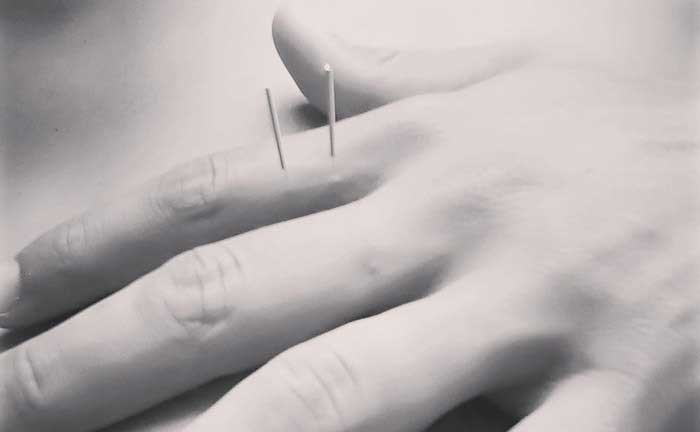
Acupuncture in 2026: How an Ancient Practice Became a Modern Power Tool for Women's Wellbeing and Leadership
Acupuncture, once perceived in much of the West as an enigmatic practice confined to traditional clinics in East Asia, has by 2026 firmly established itself as a sophisticated pillar of integrative healthcare and global wellness. From high-end retreats in Spain and Thailand to academic medical centers in the United States, United Kingdom, and Germany, acupuncture is now woven into pain management, fertility support, mental health care, cosmetic rejuvenation, and workplace wellness strategies. For the global community of HerStage readers, who are deeply engaged with women's health, leadership, lifestyle, and career resilience, acupuncture offers not only a therapeutic option but also a lens through which to understand how tradition, science, and empowerment can intersect in practical, life-changing ways.
Ancient Roots, Modern Relevance
The origins of acupuncture reach back more than 2,500 years to the foundations of Traditional Chinese Medicine (TCM), where health was conceived as a dynamic balance of forces within the body and between the individual and the environment. Classical texts such as the Huangdi Neijing describe a network of meridians through which qi-often translated as vital energy-circulates, and they detail how strategic stimulation of specific points using fine needles can restore harmony when illness or emotional strain disrupts that flow.
Although these early descriptions are embedded in Taoist cosmology and pre-modern medical theory, they also reflect centuries of empirical observation, pattern recognition, and refined clinical practice. This heritage is increasingly studied in contemporary scholarship; readers can learn more about the historical evolution of acupuncture and its philosophical foundations through resources such as Encyclopaedia Britannica's overview of acupuncture, which situates the practice within the broader history of medicine. For HerStage and its audience, this long arc of continuity underscores a key theme: practices that endure across millennia often do so because they adapt, respond, and remain relevant to changing human needs.
Acupuncture's Position in 2026 Healthcare Systems
By 2026, acupuncture is no longer confined to niche alternative clinics; it is embedded in mainstream health systems across North America, Europe, Asia, and increasingly Africa and South America. Institutions such as the World Health Organization (WHO) and the National Institutes of Health (NIH) acknowledge acupuncture as a valid component of integrative care for specific conditions, particularly chronic pain, migraine, and certain musculoskeletal disorders. Readers can explore how international health bodies now frame acupuncture within broader traditional and complementary medicine strategies through resources like WHO's traditional and complementary medicine pages.
In the United States, academic centers like Harvard Medical School and Johns Hopkins Medicine have dedicated research programs examining the neurobiological mechanisms and clinical outcomes of acupuncture, which has strengthened its credibility among physicians, insurers, and policymakers. In Germany and Switzerland, statutory health insurance schemes reimburse acupuncture for specific indications, reflecting an evidence-based policy shift. In China, it remains a core component of hospital-based care, integrated seamlessly with Western diagnostics and pharmaceuticals. This global institutional embrace has encouraged more women to consider acupuncture not as a last resort, but as an early, proactive element in their health strategy, aligning with the values highlighted in HerStage Health and HerStage Business, where preventive, sustainable approaches to wellbeing are increasingly prioritized.
How Acupuncture Works: From Qi to Neurobiology
The classical explanation for acupuncture is the modulation of qi along meridians, a framework that continues to guide many practitioners in China, Japan, Korea, and beyond. However, as acupuncture has entered biomedical institutions, a complementary explanatory layer has emerged. Modern research suggests that needling specific points can stimulate peripheral nerves, influence spinal cord signaling, and activate brain regions associated with pain modulation, emotional regulation, and autonomic balance.
Neuroimaging studies using fMRI and PET scans have demonstrated changes in activity within areas such as the limbic system and prefrontal cortex during and after acupuncture treatment, while biochemical investigations indicate shifts in endorphins, serotonin, and other neurotransmitters associated with analgesia and mood regulation. Readers interested in the physiological underpinnings can explore accessible summaries of these mechanisms through resources like Johns Hopkins Medicine's overview of acupuncture or clinical explanations of how acupuncture affects the nervous system.
For the HerStage audience, this dual framework-honoring traditional theory while understanding modern science-mirrors broader leadership and career realities, where intuition and data, heritage and innovation, must coexist. Acupuncture becomes not just a therapy, but an example of how apparently competing paradigms can be integrated for better outcomes.
Women's Health: From Menstrual Cycles to Menopause
Women's health has been one of the most dynamic and rapidly expanding domains of acupuncture in the last decade. Across fertility centers in the United States, United Kingdom, Canada, and Germany, acupuncture is now routinely offered alongside assisted reproductive technologies such as IVF. Emerging evidence suggests that acupuncture can enhance uterine blood flow, modulate stress responses, and potentially improve implantation rates, although results vary and ongoing research continues to refine best practices. For an evidence-oriented overview of acupuncture's role in reproductive medicine, readers can consult resources from organizations like The American Society for Reproductive Medicine.
Beyond fertility, acupuncture is widely used for menstrual irregularities, endometriosis-related pain, and premenstrual mood symptoms, providing a non-pharmaceutical option for women who prefer to minimize or complement hormonal treatments. During pregnancy, many obstetric units and doulas in Australia, France, and Scandinavia collaborate with licensed acupuncturists to manage nausea, pelvic discomfort, and anxiety, and to support labor preparation. In the menopausal transition, acupuncture offers relief for hot flashes, night sweats, insomnia, and mood shifts, particularly for women who cannot or choose not to use hormone therapy.
These applications resonate deeply with the themes explored on HerStage Women and HerStage Lifestyle, where autonomy, informed choice, and body literacy are central. Acupuncture, in this context, is not positioned as a miracle cure, but as a nuanced tool that allows women to participate actively in designing their own health journey.
Mental Wellbeing, Burnout, and Emotional Resilience
The global mental health landscape in 2026 is marked by heightened awareness of anxiety, depression, and burnout, especially among women juggling demanding careers, caregiving responsibilities, and personal aspirations. Against this backdrop, acupuncture has gained recognition as a supportive modality for emotional regulation and stress reduction. Clinical and observational studies indicate that regular acupuncture sessions can lower perceived stress, improve sleep quality, and, in some cases, reduce the need for higher doses of psychotropic medication when used as part of a comprehensive care plan.
Major medical centers and mental health organizations, including institutions referenced by Mayo Clinic's guidance on acupuncture, now describe acupuncture as a complementary option for patients experiencing anxiety or stress-related somatic symptoms such as tension headaches, palpitations, or digestive disturbances. For women engaged in a broader self-improvement journey, acupuncture can be paired with psychotherapy, coaching, and structured reflection to build resilience, enhance emotional clarity, and create space for more intentional decision-making.
On HerStage, where mindfulness, leadership, and mental fitness are treated as core competencies rather than optional extras, acupuncture becomes part of a toolkit for sustaining high performance without sacrificing health.
Cosmetic and Facial Acupuncture: Beauty, Glamour, and Integrity
In parallel with the rise of clean beauty and non-invasive aesthetics, cosmetic acupuncture-sometimes called facial rejuvenation acupuncture-has expanded rapidly in cities such as Paris, Milan, Seoul, London, and New York. Rather than paralyzing muscles or filling tissue, facial acupuncture uses ultra-fine needles to stimulate microcirculation, encourage collagen production, and support lymphatic drainage. Over a series of sessions, many clients report improvements in skin tone, elasticity, and radiance, as well as reductions in fine lines and puffiness.
Dermatologists and integrative practitioners increasingly acknowledge cosmetic acupuncture as a complement to conventional skincare, especially for clients seeking subtle, natural results aligned with long-term health. Readers interested in the specifics of facial acupuncture can find accessible explanations in resources such as WebMD's guide to acupuncture, which discuss cosmetic applications alongside general health uses.
This approach to beauty aligns closely with the values highlighted on HerStage Beauty and HerStage Glamour, where external aesthetics are framed as expressions of inner balance, confidence, and self-respect. Cosmetic acupuncture underscores the idea that glamour in 2026 is not about erasing age, but about supporting vitality at every stage of life.
Acupuncture and Global Wellness Tourism
Wellness tourism has transformed from a niche segment into a major global industry, with travelers from North America, Europe, Asia, and Oceania seeking destinations that combine medical expertise, cultural authenticity, and restorative environments. Within this landscape, acupuncture has become a signature offering in many high-end retreats and medical spas.
In Thailand, Bali, and Vietnam, resorts blend traditional Southeast Asian healing practices with Chinese acupuncture, yoga, and meditation to create immersive detox and rejuvenation programs. In Germany and Switzerland, renowned medical spa towns integrate acupuncture into evidence-based rehabilitation plans, particularly for musculoskeletal and stress-related conditions, attracting visitors from the Middle East, United States, and United Kingdom. The Global Wellness Institute provides insightful analysis of these trends and the economic impact of wellness tourism worldwide; readers can learn more about wellness tourism developments.
For HerStage readers who view travel as both lifestyle and leadership development, acupuncture-centered retreats offer an opportunity to step outside habitual patterns, reset nervous systems, and return to professional and personal responsibilities with renewed clarity.
Cultural Variations: One Practice, Many Expressions
Although acupuncture's origins lie in China, its global diffusion has led to multiple styles and interpretations that reflect local cultures, regulatory frameworks, and patient expectations. In Japan, for example, practitioners often favor extremely fine needles and shallow insertion, emphasizing subtle sensation and comfort; pediatric methods such as shonishin may use non-penetrating tools to gently stimulate points, making acupuncture accessible for children and needle-sensitive adults. In Korea, hand acupuncture has evolved into a distinct micro-system, where points on the hand are mapped to the entire body, offering a portable, focused approach.
In France and Germany, many acupuncturists are conventionally trained physicians who incorporate acupuncture into hospital and outpatient care, while in Brazil and South Africa, community health initiatives use acupuncture to address pain and stress in underserved populations at low cost. Scholarly reviews, such as those available through PubMed Central's articles on acupuncture practice worldwide, document how these different models coexist and cross-pollinate.
This diversity mirrors the global readership of HerStage, which spans North America, Europe, Asia, Africa, and South America. For women navigating multicultural careers and global teams, acupuncture's adaptability serves as a reminder that effective solutions can be universal in principle yet locally nuanced in application.
Nutrition, Lifestyle, and Acupuncture: A Holistic Matrix
In TCM, acupuncture is rarely practiced in isolation; it is part of a larger lifestyle ecosystem that includes nutrition, movement, sleep, and emotional balance. Foods are categorized not only by macronutrients but also by their energetic qualities-warming or cooling, drying or moistening-and dietary recommendations are tailored to individual constitutions and conditions. For instance, women experiencing chronic fatigue and sensitivity to cold might be advised to favor warming foods such as ginger, cinnamon, and slow-cooked stews, while those with inflammatory skin conditions may benefit from cooling, hydrating foods like cucumber, pears, and certain herbal teas.
Modern nutrition science increasingly intersects with these principles, especially regarding anti-inflammatory diets, gut health, and blood sugar regulation. Integrative practitioners often combine acupuncture with evidence-based nutritional counseling, drawing on resources such as Harvard T.H. Chan School of Public Health's nutrition guides to support their recommendations. For readers exploring healthier eating patterns on HerStage Food, acupuncture can provide an additional lever to regulate digestion, appetite, and stress-related cravings, making sustainable dietary changes more achievable.
Technology and Innovation: Electro-Acupuncture and Beyond
As healthcare technology advances, acupuncture has not remained static. Electro-acupuncture, which involves attaching small electrodes to needles to deliver controlled electrical stimulation, is now widely used in pain clinics and rehabilitation centers in Canada, Japan, Germany, and Singapore. This technique appears particularly promising for neuropathic pain, stroke rehabilitation, and certain types of musculoskeletal injury, and is the subject of ongoing research in journals indexed on platforms like ScienceDirect's electroacupuncture topic pages.
Beyond electro-acupuncture, digital tools are emerging to support both practitioners and patients. Wearable devices can track sleep, heart rate variability, and stress markers, allowing acupuncturists to refine treatment plans based on objective data. Telehealth consultations, which expanded dramatically during the early 2020s, now enable practitioners to guide patients in acupressure techniques and lifestyle adjustments between in-person sessions, making care more accessible to women in remote regions or with demanding schedules.
This convergence of ancient technique and modern technology reflects the innovation-driven mindset celebrated on HerStage Leadership and HerStage Career, where readers are often at the forefront of digital transformation in their own industries.
Women Leaders Shaping the Field
One of the most powerful developments in acupuncture and integrative medicine over the past two decades has been the rise of women as clinical, academic, and entrepreneurial leaders. While early practitioners in imperial China were predominantly male, the contemporary landscape in North America, Europe, Australia, and Asia features a strong presence of female acupuncturists, researchers, and educators.
Figures such as Dr. Claudia Citkovitz in the United States, who has advanced the use of acupuncture in obstetrics and labor support, and Angela Hicks in the United Kingdom, co-founder of the College of Integrated Chinese Medicine, exemplify how women are shaping standards of care, training curricula, and research agendas. Professional organizations and journals increasingly highlight gender-inclusive leadership, while mentorship networks encourage younger practitioners-many of them women-to pursue advanced degrees, publish research, and open multidisciplinary clinics. Readers interested in professional pathways can explore integrative health education offerings, such as those described by Pacific College of Health and Science, which illustrate how acupuncture training now combines classical theory with rigorous biomedical science.
For HerStage, which is dedicated to amplifying women's voices across sectors, these leaders embody the intersection of expertise, authority, and care. They demonstrate that health leadership today is not only about innovation and evidence, but also about empathy, cultural literacy, and patient empowerment.
Career Sustainability and Corporate Wellness
By 2026, conversations about career success have expanded to include sustainability, mental health, and physical resilience. In major business hubs such as New York, London, Singapore, Berlin, and Sydney, corporate wellness programs increasingly incorporate acupuncture alongside coaching, fitness, and mental health services. Employers recognize that chronic stress, musculoskeletal pain, and insomnia are not merely personal issues; they are organizational risks that affect productivity, retention, and innovation.
In some companies, on-site or nearby acupuncture services are offered as part of employee benefits, targeting common issues such as neck and back pain from prolonged screen time, tension headaches, and stress-related digestive problems. Research on workplace wellness, including studies referenced by organizations like The American Psychological Association, underscores the value of integrative approaches that address both body and mind.
For readers engaged with HerStage Career, acupuncture can be viewed as a strategic investment in long-term performance, much like executive coaching or leadership training. It supports the capacity to think clearly, make complex decisions, and lead teams effectively without sacrificing personal health.
Education, Regulation, and Trust
As demand for acupuncture grows, education and regulation have become central to public trust. In countries such as the United States, United Kingdom, Australia, and New Zealand, accredited degree programs in acupuncture and Chinese medicine require extensive training in anatomy, physiology, pathology, and clinical practice, alongside classical theory. Universities such as London South Bank University and specialized institutions like Pacific College of Health and Science have developed curricula that meet national accreditation standards and prepare graduates to collaborate with conventional healthcare providers.
Regulatory bodies in Canada, Australia, and several European countries maintain professional registers, set ethical guidelines, and mandate continuing education, which helps ensure patient safety and consistent quality of care. Prospective patients can consult resources like national health service directories in the UK or state licensing boards in the US to verify practitioner credentials.
For HerStage readers, who often make health decisions not only for themselves but also for families and sometimes employees, this regulatory landscape is crucial. It allows them to distinguish between well-trained professionals and unqualified providers, reinforcing the trustworthiness and professionalism that underpin all of HerStage's coverage of education and health-related careers.
Mindfulness, Meaning, and the Future of Acupuncture
Acupuncture's growing popularity coincides with a broader cultural turn toward mindfulness, contemplative practice, and purpose-driven living. Many women who incorporate acupuncture into their routines describe the sessions not only as physical treatments but also as structured pauses-a chance to disconnect from digital noise, tune into bodily sensations, and reflect on priorities. When combined with meditation or breathwork, acupuncture can deepen states of relaxation and introspection, complementing the practices explored on HerStage Mindfulness.
Looking ahead, the future of acupuncture will likely be defined by deeper scientific validation, smarter integration with digital health tools, and continued expansion into public health and community medicine. Artificial intelligence may assist practitioners in pattern recognition and treatment planning, while global collaborations across Europe, Asia, Africa, and the Americas will refine best practices that respect both tradition and contemporary evidence. Wellness tourism will continue to feature acupuncture as a core experience, from eco-retreats in New Zealand to urban sanctuaries in Tokyo and Toronto.
For the global HerStage community, acupuncture in 2026 stands as a compelling example of how ancient wisdom can be rigorously examined, respectfully adapted, and powerfully applied to modern life. It offers women worldwide a means to support health, enhance beauty, protect mental clarity, and sustain ambitious careers, all while honoring cultural heritage and personal agency. In a world defined by rapid change and constant demands, acupuncture invites a different rhythm-one of balance, intentionality, and resilience-at every stage of a woman's journey.
