
Solo Female Travel in Singapore in 2026: A HerStage Guide to Confident, Conscious Exploration
Solo travel in 2026 continues to evolve from a niche pursuit into a mainstream expression of independence, self-leadership, and intentional living, particularly for women who view their journeys as extensions of their personal and professional growth. For the global community of women who turn to HerStage for insight on lifestyle, leadership, and self-improvement, Singapore stands out as a destination that combines safety, sophistication, and depth, allowing solo travelers to explore the world on their own terms while nurturing ambition, wellbeing, and curiosity.
As more women from the United States, United Kingdom, Germany, Canada, Australia, France, Italy, Spain, Netherlands, Switzerland, China, Sweden, Norway, Singapore, Denmark, South Korea, Japan, Thailand, Finland, South Africa, Brazil, Malaysia, and New Zealand embrace solo journeys, Singapore's role as a secure, efficient, and culturally rich hub in Asia has only grown stronger. This article, written for the readers of HerStage and aligned with its focus on women, lifestyle, leadership, self-improvement, and career, examines how Singapore empowers solo female travelers in 2026, and how a thoughtfully planned trip can support long-term goals in business, wellbeing, and personal evolution.
Why Singapore Remains a Benchmark for Solo Female Travel
Singapore's reputation as one of the safest and most efficiently managed cities in the world is well-established, and by 2026, its position remains reinforced by data from global indices such as the Safe Cities Index produced by The Economist Intelligence Unit, as well as rankings from organizations like the World Economic Forum. For women traveling alone, this high level of governance and predictability provides a crucial foundation: it reduces background anxiety, allowing them to focus on the experience itself rather than constant risk management.
The city-state's low crime rates, visible policing, and extensive use of technology for public safety create an environment where a woman can walk along Marina Bay late at night, navigate Clarke Quay, or move between neighborhoods such as Little India, Kampong Glam, and Chinatown with a sense of security that is still rare in many global cities. Public spaces are generally well-lit, transportation hubs are staffed and monitored, and the broader culture emphasizes orderliness and respect for rules. Travelers who want to understand how Singapore has built this ecosystem of trust can explore resources from the Singapore Tourism Board and the Ministry of Home Affairs, which provide insight into the policies and infrastructure underlying the visitor experience.
For HerStage readers who prioritize empowerment through informed decision-making, this level of transparency and reliability matters. It means that solo travel in Singapore is not a reckless leap of faith but a calculated, confident choice supported by robust systems and a strong rule of law.
Infrastructure, Connectivity, and Ease of Movement
One of the defining strengths of Singapore for solo travelers is its seamless infrastructure. The Mass Rapid Transit (MRT) network, continually expanded and upgraded, remains the backbone of urban mobility, connecting residential districts, business hubs, cultural areas, and major attractions with an efficiency that rivals any city in the world. Stations are clean, air-conditioned, and clearly signposted in English and other languages, which benefits travelers from North America, Europe, Asia, and beyond. Visitors can explore route maps and fare systems in advance through the Land Transport Authority and plan journeys with real-time information via apps like Citymapper or Google Maps.
For women concerned about late-night returns or unfamiliar neighborhoods, ride-hailing services such as Grab offer an additional layer of convenience and security, with GPS tracking, digital payment, and driver ratings. Travelers who prefer structured transfers can pre-arrange airport pickups through platforms like Booking.com or Agoda, both of which have strong consumer protection frameworks and user review systems that reinforce trust. This combination of public and private options allows solo travelers to tailor their movement according to budget, comfort level, and schedule, reinforcing the autonomy that is central to the solo travel experience.
Digital connectivity further amplifies this sense of control. Singapore's high-speed internet, widespread public Wi-Fi, and reliable mobile networks from providers such as Singtel and StarHub make it easy to stay in touch with family and colleagues, manage remote work, or simply navigate the city safely. Travelers can review current connectivity options through sites like IMDA and regional telecom comparisons, ensuring they arrive prepared with the right SIM card or eSIM plan.
Cultural Diversity and Emotional Comfort for Global Women
For many women, especially those traveling solo for the first time, emotional comfort can be as important as physical safety. Singapore's multicultural fabric-rooted in Chinese, Malay, Indian, and Eurasian communities, and enriched by decades of global migration-creates an environment where difference is normalized and diversity is visible in daily life. This makes it particularly welcoming for women from varied ethnic, cultural, and religious backgrounds who may be cautious about how they will be perceived abroad.
In Little India, vibrant temples, spice shops, and sari boutiques coexist with modern cafés and co-working spaces, offering a sensory immersion that feels both traditional and contemporary. Kampong Glam blends Islamic heritage with a creative, design-driven scene, where the Sultan Mosque stands near independent fashion labels and concept stores. Chinatown reveals layers of history through temples, shophouses, and markets, while also housing some of the city's most dynamic dining and art spaces. Travelers interested in deepening their understanding of these districts can explore background material from the National Heritage Board and curated trails from the Singapore Tourism Board.
For women who see travel as a path to self-improvement, these neighborhoods provide more than photo opportunities; they invite reflection on identity, migration, resilience, and coexistence. The ease with which a solo traveler can move between mosques, temples, churches, and modern galleries in a single day underscores Singapore's role as a microcosm of global pluralism, and this lived exposure to difference strengthens cultural intelligence-a skill increasingly vital in international careers and leadership roles.
Preparing Strategically: Documentation, Health, and Financial Planning
In 2026, border regulations remain dynamic in parts of the world, but Singapore has maintained a reputation for clarity and efficiency in immigration procedures. Many travelers from regions such as the United States, United Kingdom, European Union, Australia, Japan, and other parts of Asia and the Americas can enter visa-free for short stays, while others benefit from streamlined e-visa systems. Up-to-date entry information is available on the Immigration & Checkpoints Authority website, which solo travelers should review carefully before departure to avoid last-minute complications.
Health preparedness is another essential dimension of responsible solo travel. Singapore is home to world-class medical institutions such as Singapore General Hospital and National University Hospital, and its healthcare system is widely studied by organizations like the World Health Organization. However, the high cost of private care underscores the importance of comprehensive travel insurance that covers medical emergencies, evacuation, and trip disruptions. Women who manage chronic conditions or specific health needs should confirm coverage details and compile digital copies of prescriptions and medical records before leaving home.
Budgeting for Singapore requires nuance. The city is more expensive than many neighboring destinations in Southeast Asia, yet it offers a spectrum of options that can be aligned with diverse financial realities. Solo travelers can stay in female-only hostel dorms, mid-range boutique hotels, or luxury properties like Marina Bay Sands or Capella Singapore, depending on their priorities. Food can range from affordable hawker center meals to Michelin-starred tasting menus. Financial planning resources from global platforms such as Numbeo and travel cost aggregators help women estimate realistic daily budgets, while local banking information from the Monetary Authority of Singapore can clarify currency, payment methods, and card security.
For HerStage readers who view travel as part of a broader lifestyle strategy rather than a one-off escape, this level of preparation is not about rigidity but about creating the financial and logistical confidence that makes spontaneous experiences feel safe rather than risky.
Food, Culture, and Identity: Dining Solo in a Culinary Capital
Food in Singapore is not merely a pleasure; it is a gateway to understanding history, migration, and social structure. The recognition of hawker culture by UNESCO as an element of intangible cultural heritage has reinforced local efforts to preserve these communal dining spaces, and by 2026, hawker centers remain central to daily life. Solo travelers can comfortably navigate iconic venues such as Maxwell Food Centre, Lau Pa Sat, and Newton Food Centre, sampling Hainanese chicken rice, laksa, char kway teow, and satay at modest prices.
Dining alone is normal in Singapore's fast-paced, urban professional culture, which means women traveling solo rarely feel conspicuous when eating by themselves, whether in a hawker center, café, or fine-dining restaurant. For those looking to explore the upper end of the culinary spectrum, restaurants like Odette and Burnt Ends feature prominently on global rankings such as The World's 50 Best Restaurants, while Candlenut continues to reinterpret Peranakan cuisine with refinement and respect. Reservations can be managed online, and many establishments are accustomed to solo diners, which can transform a meal into a quiet celebration of independence and self-worth.
Cafés and lifestyle dining spaces in neighborhoods like Tiong Bahru, Robertson Quay, and Joo Chiat cater to digital nomads, creatives, and entrepreneurs who blend work with travel. For HerStage readers balancing remote careers, side ventures, or creative projects, these venues provide atmospheres conducive to reflection, writing, and networking, aligning with themes explored on HerStage Business and HerStage Career. In this way, food and space become tools for designing a day that integrates nourishment, productivity, and pleasure.
Fashion, Beauty, and Glamour as Tools of Self-Expression
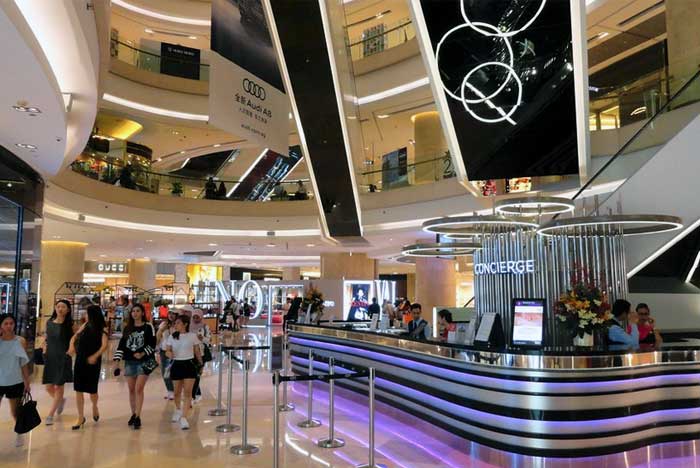
Singapore's reputation as a shopping destination remains intact in 2026, but for solo female travelers, the city's fashion and beauty landscape offers more than consumerism; it provides a safe arena for experimenting with identity and style. Orchard Road continues to host global luxury houses such as Chanel, Dior, and Gucci, alongside multi-brand concept stores and beauty flagships where women can explore skincare innovations and cosmetic trends emerging from both Western and Asian markets. Resources such as Vogue Singapore and Business of Fashion offer context on how the city fits into global fashion and beauty ecosystems.
Beyond the luxury corridor, districts like Kampong Glam and Haji Lane showcase independent designers and sustainable labels that resonate with women who want their wardrobes to reflect ethical and environmental values. Many of these brands emphasize upcycling, responsible sourcing, and small-batch production, aligning with global conversations about climate-conscious consumption that can be explored through platforms like the Ellen MacArthur Foundation. For HerStage readers interested in fashion, beauty, and glamour as forms of empowerment rather than conformity, Singapore offers a nuanced mix of high-end indulgence and mindful shopping.
Time spent browsing, trying on new silhouettes, or consulting with beauty experts can be deeply personal, especially when undertaken alone. Without external opinions, a solo traveler can listen more closely to her own instincts, discovering what truly aligns with her sense of self. In this way, an afternoon on Orchard Road or Haji Lane becomes an exercise in self-definition as much as a leisure activity.
Wellness, Mindfulness, and Green Spaces in an Urban State
Despite its dense skyline, Singapore has positioned itself as a model for biophilic urbanism, integrating nature into the built environment in ways that support physical and mental health. The iconic Gardens by the Bay, with its Supertree Grove and climate-controlled conservatories, symbolizes this commitment and has become a case study in sustainable design referenced by organizations such as the World Green Building Council. For solo female travelers, these green spaces offer safe, accessible environments for walking, contemplation, and photography.
The Singapore Botanic Gardens, a UNESCO World Heritage Site, provides quieter, more traditional parkland where women can journal, meditate, or simply observe daily life. Trails at MacRitchie Reservoir, the Southern Ridges, and East Coast Park allow for hiking, running, and cycling in secure, well-maintained settings. Travelers interested in structured wellness activities can explore yoga studios, meditation centers, and holistic clinics across the city; directories and reviews on platforms like Mindbody and local wellness guides help in selecting reputable providers.
Spa culture in Singapore continues to thrive, with destinations such as Auriga Spa at Capella Singapore and Remède Spa at The St. Regis offering treatments that blend Eastern and Western modalities. For HerStage readers who prioritize health and mindfulness as foundations for effective leadership and a sustainable lifestyle, scheduling time for massage, hydrotherapy, or guided meditation is not self-indulgent; it is a strategic investment in clarity, resilience, and emotional balance.
Solo Travel as Leadership Training and Career Catalyst
For many women in 2026, travel is inseparable from career development and leadership growth. The competencies required to navigate a foreign country alone-planning, adaptability, risk assessment, cultural sensitivity, communication-mirror those demanded of leaders in global organizations and entrepreneurial ventures. Singapore, as a major financial and innovation hub, amplifies this connection between travel and professional evolution.
Business districts such as Raffles Place and Marina Bay Financial Centre host regional headquarters of multinational corporations and fast-growing startups. Solo travelers who wish to observe or participate in this ecosystem can visit co-working spaces like The Hive or The Working Capitol, attend networking events listed on platforms such as Eventbrite or Meetup, and follow thought leadership from institutions like INSEAD Asia Campus and the National University of Singapore. This immersion in a high-performance environment can be particularly inspiring for women exploring new career directions, considering international moves, or building cross-border businesses.
HerStage's focus on leadership and career aligns naturally with this dimension of solo travel. Time spent alone in a foreign city creates space to reassess goals, challenge limiting beliefs, and test one's capacity to handle uncertainty. A missed train, a re-routed day, or a conversation with a stranger in a café becomes a low-stakes rehearsal for the ambiguity and complexity of modern professional life. Women often return from Singapore not just with photographs and souvenirs, but with sharpened self-awareness and a more global perspective on opportunity, competition, and collaboration.
Singapore as a Gateway to Regional and Global Exploration
Geographically and logistically, Singapore is one of the most efficient gateways to Asia and the broader world. Changi Airport, consistently ranked among the best globally by organizations such as Skytrax, connects travelers to major cities across Asia, Europe, Africa, North America, South America, and Oceania, making it an ideal base for multi-country itineraries. Low-cost and full-service carriers alike operate from Changi, enabling solo travelers to add destinations such as Bali, Bangkok, Tokyo, Seoul, Sydney, or Auckland to their journeys with minimal friction.
For women who view themselves as global citizens and follow world affairs closely, Singapore's role as a diplomatic, financial, and logistical hub offers additional interest. International conferences, art fairs, and industry summits frequently take place in the city, drawing participants from Europe, Asia, Africa, and the Americas. By timing a trip to coincide with such events, a solo traveler can integrate professional development, cultural exposure, and leisure in a single journey, reinforcing the HerStage philosophy that lifestyle, business, and self-improvement are interconnected rather than separate domains.
Designing a Personal Singapore Narrative in 2026
Every solo journey is, at its core, a narrative that a woman writes about herself: who she is, what she values, and how she responds to the world. Singapore, with its unique blend of safety, diversity, innovation, and serenity, offers an ideal setting for crafting such a story. A traveler might begin her day with a reflective walk in the Botanic Gardens, spend her afternoon exploring heritage streets and sampling hawker food, and close the evening with a performance at Esplanade - Theatres on the Bay or a quiet moment overlooking the Marina Bay skyline.
For some HerStage readers, the emphasis may be on self-improvement and emotional resilience; for others, on business insight, lifestyle design, health, or creative expression. Whatever the priority, Singapore's structure and spirit support a solo traveler's desire to explore without fear, to rest without guilt, and to experiment without judgment.
In 2026, as women around the world continue to push against barriers in boardrooms, classrooms, and public life, solo travel in Singapore becomes more than a holiday. It is a deliberate act of self-trust and self-investment, aligned with the values that HerStage champions: experience grounded in expertise, choices informed by authority and data, and journeys rooted in trust-trust in the destination, and, more importantly, trust in oneself.
