
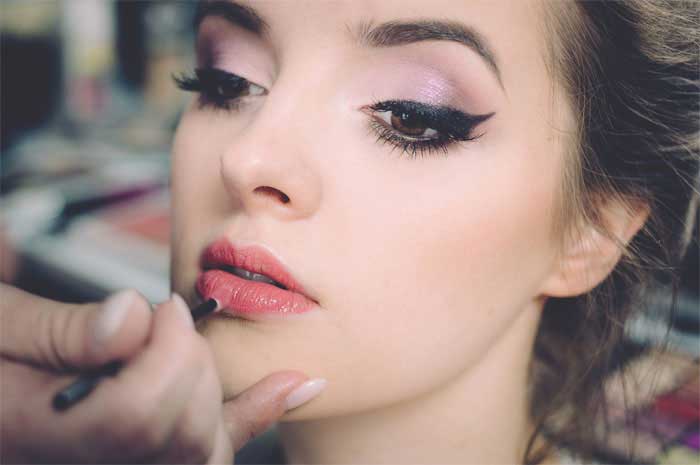
Daily Makeup in 2026: A Global Language of Confidence and Leadership
Makeup in 2026 is firmly established as far more than a beauty accessory; it has become a global language of confidence, authority, and self-expression that reflects how women live, work, and lead. Across major cities in the United States, United Kingdom, Germany, Canada, Australia, and throughout Europe, Asia, Africa, and South America, women are refining their daily makeup routines to align not only with their professional responsibilities but also with cultural identity, health priorities, and environmental awareness. On HerStage, where women come to explore perspectives on career, lifestyle, and beauty, daily makeup is viewed as a strategic tool that supports presence in boardrooms, classrooms, virtual meetings, and public platforms where first impressions carry lasting impact.
As the global beauty sector continues to integrate technology, sustainability, and inclusivity, the way women design their everyday looks has evolved substantially. Leading houses such as Gucci Beauty, Chanel, Dior, and Lancôme, alongside innovative platforms like Sephora, now operate in an environment where authenticity, performance, and ethical responsibility are no longer optional but central expectations. At the same time, independent and women-led brands are reshaping norms by centering diverse skin tones, age groups, and cultural narratives. For the HerStage audience, this moment represents a unique intersection of experience, expertise, and empowerment, where daily makeup routines are crafted to support ambition, wellbeing, and individuality.
Skincare as Strategy: Building a High-Performance Base
In 2026, skincare is no longer perceived as a separate prelude to makeup; it is the strategic foundation that determines how effectively daily makeup performs, how long it lasts, and how healthy the skin remains over time. Established companies such as Estée Lauder and Lancôme have expanded hybrid lines that merge active skincare ingredients with pigment, creating serums, moisturizers, and primers that deliver hydration, barrier support, and subtle coverage in a single step. These products respond to a growing body of dermatological research, summarized by institutions like the American Academy of Dermatology, which highlights the importance of barrier repair, sun protection, and gentle cleansing for long-term skin resilience.
Across climates as varied as humid Singapore, temperate London, and dry Denver, women are tailoring their daily routines to environmental conditions. Lightweight, non-comedogenic cleansers, hydrating toners with glycerin or hyaluronic acid, and antioxidant serums containing vitamin C or niacinamide have become standard. In regions with high UV exposure such as Australia, South Africa, and Spain, tinted sunscreens from brands like Shiseido or Supergoop! are widely used as both protection and a complexion-evening base, reflecting the guidance of organizations such as the Skin Cancer Foundation that daily SPF is non-negotiable for long-term skin health.
For HerStage readers who balance demanding careers with personal commitments, streamlined routines that combine skincare and makeup-such as serum foundations, tinted moisturizers with SPF, and nourishing primers-offer a way to maintain professional polish without sacrificing skin integrity. This approach aligns closely with the broader wellness perspective explored in HerStage's health coverage, where outward appearance is understood as a reflection of inner wellbeing and consistent habits.
Professional Base Makeup: Polished, Minimal, and Camera-Ready
The minimalist aesthetic that has influenced fashion, architecture, and lifestyle over the last decade is now deeply embedded in daily makeup routines. In financial centers like New York, London, Frankfurt, and Singapore, women in leadership roles often favor lightweight complexion products that deliver a "second-skin" finish rather than full-coverage masks. Tinted moisturizers, BB and CC creams, and serum foundations have become the default, supported by innovations in pigment dispersion and skincare actives that allow formulas to remain breathable while still evening tone.
Products such as luminous yet buildable bases from NARS, Charlotte Tilbury, and Dior are frequently chosen by executives, lawyers, consultants, and entrepreneurs who require looks that translate effectively both in person and on high-resolution video platforms used for hybrid work. Guidance from professional organizations like the Harvard Business Review increasingly acknowledges the role of visual presence in leadership communications, particularly in virtual environments where facial expressions and eye contact are central to building trust.
Rather than relying on heavy foundation layers, many professionals now adopt a targeted approach using high-coverage concealers only where needed-under the eyes, around the nose, or on localized discoloration-allowing natural skin texture to remain visible. This technique supports a perception of authenticity and approachability, key qualities for modern leadership highlighted frequently in HerStage's leadership insights. Setting sprays and finely milled powders are used sparingly to control shine while preserving radiance, creating a finish that feels refined rather than overly perfected.
Brows as Architecture: Defining Presence and Authority
Eyebrows continue to occupy a central role in daily makeup because they frame the face and significantly influence expressions of attentiveness, confidence, and authority. After the extremes of thin, over-plucked brows and ultra-sculpted "Instagram brows," 2026 has settled into a preference for softly structured, naturally full shapes. In style capitals such as Paris, Milan, and Tokyo, professionals and artists alike emphasize grooming techniques that enhance rather than erase natural brow patterns.
Services such as microblading, microshading, and brow lamination remain popular among women who seek low-maintenance structure that survives long workdays, travel, and workouts. For daily use, precision pencils and pens from brands like Anastasia Beverly Hills and Benefit Cosmetics remain standards of performance, allowing hair-like strokes that mimic natural growth. Light-tinted gels and waxes help keep brows in place without appearing overly rigid, a look that aligns with the contemporary preference for controlled yet effortless beauty.
From a communication standpoint, research featured by outlets such as the American Psychological Association underscores how facial cues, including brows, influence perceptions of credibility and emotional openness. For professionals featured on panels, leading teams, or pitching investors, a well-defined but not overdrawn brow can subtly enhance the perception of clarity and decisiveness. On HerStage, where women's leadership journeys are central, brows are increasingly viewed not only as a beauty detail but as part of a broader visual language of presence.
Eye Makeup in a Hybrid World: Elegant, Functional, and Adaptable
As hybrid work patterns and global collaboration remain the norm, eye makeup has adapted to serve both in-person and on-screen demands. Soft, neutral palettes from brands like Urban Decay, Huda Beauty, and Pat McGrath Labs dominate the daily routines of professionals who require looks that transition seamlessly from morning meetings to evening events. Taupes, soft browns, muted mauves, and champagne shimmers are favored because they add definition and depth without distracting from conversation or content.
In South Korea and Japan, the influence of K-beauty remains strong, with techniques such as brightening the inner corners and subtly emphasizing the under-eye area to create a youthful, approachable effect. At the same time, in North America and Western Europe, understated smoky eyes using matte neutrals remain popular for women in sectors such as law, finance, and consulting, where understated sophistication is expected. Smudge-proof and tubing mascaras from L'Oréal Paris, Maybelline, and emerging clean-beauty brands provide longevity that withstands long commutes, climate variations, and extended screen time.
For women in creative industries-from media and design to fashion and performing arts-graphic liners, color accents, and metallics are used more freely as tools of personal branding and artistic identity. Publications like Vogue and Allure frequently showcase how statement eye looks can coexist with otherwise minimal makeup, allowing women to signal creativity while maintaining professionalism. On HerStage's beauty section, this balance between practicality and expression is a recurring theme, especially for readers navigating careers that blend corporate expectations with individual style.
Lips as Signature: From Subtle Hydration to Strategic Color
Lip makeup in 2026 reflects a dual emphasis on comfort and impact. While classic bullet lipsticks from Chanel, Dior, and Yves Saint Laurent retain their status as symbols of elegance and heritage, daily routines increasingly rely on balmy tints, satin stains, and nourishing lip oils. In Scandinavian countries like Sweden, Norway, and Denmark, minimalist preferences favor sheer berry, rose, and nude tones that enhance natural lip color while supporting the understated aesthetic that characterizes much of Nordic design and lifestyle.
In cosmopolitan centers such as New York, Los Angeles, London, and Berlin, deeper reds, plums, and brick tones are making a considered return, particularly for key professional moments such as presentations, negotiations, or media appearances. Behavioral studies discussed by outlets like the BBC have long noted how red lips can be associated with confidence and decisiveness, and many women deploy bolder shades strategically for high-stakes scenarios. Long-wear formulas that remain comfortable and non-drying are now standard, reflecting improvements in pigment technology and emollient blends.
Lip oils and serum-infused glosses from brands such as Clarins and newer clean-beauty labels offer a bridge between skincare and makeup, delivering hydration with a polished finish. For HerStage readers who value both aesthetics and wellness, these products align with an integrated approach to beauty that is explored more broadly in the platform's lifestyle coverage, where self-care is framed as a foundation for sustained performance and resilience.
Subtle Sculpting: Modern Contour, Blush, and Highlight
The era of heavy, mask-like contouring has largely given way to a more refined approach that focuses on subtle sculpting and natural dimension. In 2026, contour and highlight are used to enhance bone structure rather than transform facial shape entirely. Cream and liquid formulas from Fenty Beauty, Rare Beauty, and Make Up For Ever are preferred for their blendability and skin-like finish, particularly in professional contexts where harsh lines can appear artificial under office or studio lighting.
Blush has experienced a renaissance as a key component of a healthy, vibrant look. Soft pinks, peaches, and terracotta shades are applied high on the cheekbones or across the cheeks and nose to emulate a natural flush, a technique popularized in both Western and Asian markets. Highlighters are now typically luminous rather than glittery, with fine, light-reflecting particles that create a gentle sheen on the high points of the face-the tops of the cheekbones, the bridge of the nose, and the cupid's bow. This approach ensures that women appear rested and energized rather than overly made up, an important distinction in sectors where gravitas and authenticity are valued.
Professional makeup artists contributing to platforms such as Into The Gloss and Byrdie consistently emphasize restraint in sculpting for daytime and corporate settings. On HerStage, similar guidance appears in the guide section, where readers are encouraged to tailor technique and intensity to context, recognizing that the most effective daily makeup enhances features without overshadowing expertise or message.
Conscious Beauty: Sustainability, Ethics, and Transparency
By 2026, sustainability is no longer a niche concern but a core expectation shaping purchasing decisions across the beauty industry. Consumers in Germany, Switzerland, Canada, and the Netherlands, alongside growing segments in China, Brazil, and South Africa, are scrutinizing not only ingredient lists but also supply chains, labor practices, and packaging. Luxury houses like Gucci Beauty and Chanel have expanded refillable lipstick and complexion systems, while major retailers such as Sephora and Douglas now dedicate prominent space to certified clean, vegan, and cruelty-free brands.
The term "clean beauty" has matured from marketing buzzword to a more structured standard, informed in part by regulatory shifts in regions such as the European Union, where authorities like the European Chemicals Agency maintain rigorous ingredient safety databases. Brands including Ilia Beauty, RMS Beauty, and a growing cohort of indie labels have built their reputations on non-toxic formulations, sustainable sourcing, and transparent communication. This evolution allows women to build daily makeup routines that align with both personal health priorities and climate-conscious values.
For HerStage readers who see their purchasing power as an extension of their leadership and social impact, beauty choices are increasingly aligned with the same ethical frameworks that guide investment, career, and lifestyle decisions. Articles across HerStage lifestyle and business coverage frequently explore how women are driving demand for circular packaging models, carbon-neutral logistics, and community-supportive sourcing, demonstrating that everyday products like foundation or mascara can be part of a broader strategy for responsible living.
Cultural Perspectives: How Regions Shape Daily Makeup
Daily makeup in 2026 reflects a rich tapestry of cultural influences, where traditional aesthetics and modern innovations intersect. In Japan and South Korea, the enduring appeal of glass-skin and gradient lips continues to shape routines that emphasize translucent bases, soft blush, and subtle eye definition. K-beauty and J-beauty brands have normalized multi-step skincare-makeup hybrids that prioritize luminosity and hydration, approaches that have since been adopted by consumers across North America and Europe through global retail and social media.
In France and Italy, the archetype of effortless chic remains powerful: a sheer or medium-coverage base, softly defined eyes, and a statement lip-often red-remain hallmarks of daily elegance. In India, Thailand, and parts of Southeast Asia, bolder eyeliners, kohl-rimmed eyes, and vibrant lip colors are common in everyday wear, reflecting long-standing beauty traditions and the influence of film industries such as Bollywood. Across Africa, there has been a visible expansion of shade ranges and undertone options, driven in large part by pioneers like Fenty Beauty and sustained by regional brands that understand the full spectrum of deeper skin tones.
Global connectivity means trends now travel rapidly. A professional in Toronto might integrate Ayurvedic-inspired oils into her skincare routine, while a creative director in Sydney experiments with Korean gradient blush techniques. Platforms like YouTube and TikTok have made it possible for techniques once confined to specific regions to reach audiences worldwide within hours. HerStage's world section often highlights these cross-cultural exchanges, underlining how makeup has become a shared language that still honors local context and heritage.
Technology, Personalization, and the Digital Beauty Ecosystem
The digital transformation of beauty, accelerated in the early 2020s, has matured into a sophisticated ecosystem by 2026. Augmented reality (AR) and artificial intelligence (AI) tools developed by companies such as L'Oréal and Sephora allow women to virtually test foundations, lip colors, and eyeshadows using smartphone cameras, significantly reducing guesswork and returns. Machine-learning algorithms can now analyze undertones, skin type, and even environmental factors such as pollution and humidity to recommend personalized product combinations.
E-commerce platforms, from global marketplaces to niche beauty sites, have made high-quality products accessible to consumers in regions once underserved by traditional retail. Women in New Zealand, Malaysia, Mexico, or Nigeria can order products from Chanel, Dior, or emerging indie labels with reliable shipping and localized customer support. Reviews, tutorials, and expert interviews published by outlets like Refinery29 and The Cut offer additional layers of guidance, allowing consumers to make informed choices grounded in both expertise and peer experience.
For HerStage readers, many of whom navigate demanding careers in tech, finance, education, and creative industries, digital tools offer time-efficient ways to refine their daily makeup strategies. Personalized routines that account for commute patterns, office lighting, and on-camera presence can be built in minutes, leaving more mental bandwidth for strategic work and personal growth. This alignment between technology and self-presentation echoes themes frequently explored in HerStage's self-improvement content, where intentional choices are framed as catalysts for confidence and performance.
Health, Nutrition, and the Skin-Makeup Connection
The understanding that healthy skin begins from within has become mainstream, and daily makeup in 2026 is increasingly supported by informed nutrition and lifestyle choices. Diets rich in antioxidants, omega-3 fatty acids, and vitamins A, C, and E-such as those characteristic of Mediterranean patterns in Italy, Spain, and Greece-are associated with improved skin texture and radiance, reducing reliance on heavy coverage products. Guidance from organizations like the World Health Organization and national health services continues to emphasize hydration, balanced diets, and adequate sleep as foundational to overall wellbeing, with visible benefits for the skin.
Supplements including collagen peptides, hyaluronic acid, and targeted blends for hair, skin, and nails have gained traction in markets from North America to Asia, supported by both clinical research and consumer testimonials. While responsible use and medical consultation remain essential, many women report that integrating these supplements allows them to adopt lighter, more breathable makeup on a daily basis. For professionals whose schedules involve frequent travel across time zones or irregular hours-such as executives, healthcare workers, and entrepreneurs-this synergy between internal care and external presentation is particularly valuable.
HerStage's health and food coverage often highlights how nutrition, movement, and stress management interact with skin health, reinforcing the idea that a polished appearance is most sustainable when it reflects robust underlying wellbeing. In this context, daily makeup becomes an enhancer rather than a mask, supporting the confidence that comes from feeling well rather than attempting to conceal fatigue or imbalance.
Looking Ahead: Personalization, Agency, and the Evolving Role of Makeup
As the beauty industry looks toward 2030, analysts anticipate even deeper personalization driven by AI, biotechnology, and data analytics. Companies are experimenting with devices that analyze skin microbiome, hormonal fluctuations, and environmental exposure to recommend or even dispense customized formulations at home. Research shared by organizations such as McKinsey & Company indicates that consumers, particularly women in North America, Europe, and Asia-Pacific, increasingly expect products and services tailored to their specific needs rather than one-size-fits-all offerings.
Sustainability is expected to further intertwine with innovation, with more brands adopting biodegradable packaging, refill stations, and closed-loop recycling systems. Women-led startups, many of which align closely with the values explored on HerStage's business pages, are likely to continue driving accountability and transparency, ensuring that progress in beauty is matched by progress in ethics and environmental responsibility.
Most importantly, the narrative around makeup is steadily shifting away from obligation and toward agency. For some women, a bold red lip remains a powerful ritual before a major presentation; for others, a bare face with only skincare signifies comfort and confidence. Across United States, United Kingdom, Germany, France, Japan, South Korea, Brazil, South Africa, and beyond, the defining feature of daily makeup in 2026 is choice-rooted in self-knowledge, informed by expertise, and aligned with personal values.
For HerStage, this evolution underscores a central message: makeup is not about conforming to an external ideal, but about equipping women to step onto their own stage-whether that stage is a boardroom, a classroom, a startup pitch, a creative studio, or a community initiative-with clarity, presence, and conviction. As readers explore women's stories, mindfulness, and career development across the platform, daily makeup emerges as one of many tools through which women shape how they are seen, heard, and remembered in a rapidly changing world.
