
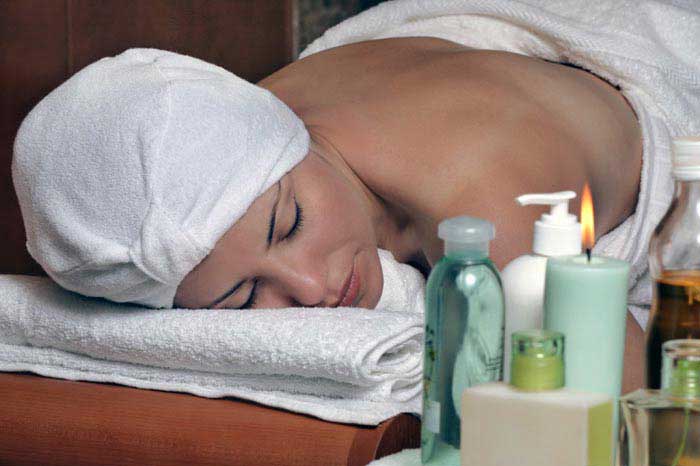
Aromatherapy in 2026: A Strategic Path to Women's Well-Being, Leadership, and Sustainable Living
Aromatherapy, the practice of using natural plant extracts and essential oils to support physical, emotional, and mental health, has moved far beyond its ancient roots and niche wellness image. In 2026, it stands at the intersection of science, lifestyle, leadership, and sustainable business, resonating strongly with the global community of women who look to HerStage for informed perspectives on health, beauty, career, and mindful living. No longer confined to spas and boutique wellness studios, aromatherapy is now embedded in hospital protocols, corporate well-being strategies, digital health platforms, and conscious consumer movements across North America, Europe, Asia, Africa, and beyond, making it a powerful lens through which to examine how modern women define holistic success.
For readers of HerStage, aromatherapy is not a passing trend or a purely indulgent ritual; it is part of a larger, evidence-informed shift toward integrated self-care, ethical consumption, and leadership grounded in well-being. As women in the United States, United Kingdom, Germany, Canada, Australia, France, Italy, Spain, the Netherlands, Singapore, South Korea, Japan, South Africa, Brazil, and other regions navigate increasingly complex personal and professional landscapes, aromatherapy offers both a practical toolkit and a symbolic reminder that sustainable achievement begins with internal balance and conscious choices.
From Ancient Rituals to a Global Wellness Strategy
The history of aromatherapy underscores its enduring relevance. Thousands of years before essential oils were packaged in recyclable glass bottles and marketed through e-commerce platforms, ancient civilizations in Egypt, China, and India used aromatic plants in medicine, ritual, and daily care. The Egyptians employed resins such as frankincense and myrrh in religious ceremonies and embalming, while aromatic woods and herbs played central roles in temple rituals and personal grooming. In traditional Chinese medicine, aromatic herbs were incorporated to modulate qi and restore balance in the body, and in Ayurveda, the classical Indian system of health, oils like sandalwood, tulsi, and jasmine were used to harmonize body, mind, and spirit.
As trade routes expanded through the Middle East into Europe, aromatics such as cinnamon, clove, and sandalwood became coveted commodities, valued both for their sensory appeal and their perceived protective properties. During the Middle Ages, Europeans burned herbs such as rosemary and thyme in attempts to purify air and ward off disease, illustrating how scent has long been linked to both luxury and survival. The Renaissance saw renewed interest in herbal medicine and distillation, laying the groundwork for more systematic extraction of essential oils and their use in early pharmacology and perfumery.
The modern term "aromatherapy" emerged in the early 20th century, when French chemist René-Maurice Gattefossé documented the healing properties of lavender oil on a burn he suffered in his laboratory. His work, followed by that of French physician Jean Valnet and biochemist Marguerite Maury, transformed the use of essential oils from folklore into a more structured therapeutic discipline. By integrating botanical chemistry, clinical observation, and massage techniques, they established aromatherapy as both a science and an art, a dual identity that continues to define the field in 2026.
Today, the global aromatherapy and essential oils sector forms a significant part of the broader wellness economy, which, according to the Global Wellness Institute, has surpassed earlier projections and continues to grow across regions such as Europe, Asia-Pacific, and North America. Readers interested in the economic and strategic dimensions of this growth can explore how wellness has become a core business theme on HerStage Business, where aromatherapy is frequently discussed as both a consumer trend and a leadership tool.
The Science of Scent: How Aromatherapy Affects Body and Mind
Modern aromatherapy is increasingly grounded in scientific understanding of how scent interacts with the brain and body. When essential oils are inhaled, volatile aromatic molecules travel through the nose to the olfactory epithelium, where they stimulate receptors connected to the limbic system, the region of the brain associated with emotion, memory, and motivation. This direct neural pathway explains why certain aromas can swiftly alter mood, trigger vivid memories, or influence stress responses, a phenomenon that neuroscientists continue to study in depth through institutions such as Harvard Medical School and Stanford Medicine, where research into olfaction and emotion is helping clarify why scent-based interventions can be so powerful.
Topical application operates through a different but complementary mechanism. When properly diluted in carrier oils, essential oils can be absorbed through the skin, entering local tissues and, in some cases, the bloodstream. Oils such as eucalyptus, when applied to the chest, can support respiratory ease, while chamomile or lavender in massage oils may help reduce muscle tension and perceived pain. Organizations like Johns Hopkins Medicine and the Mayo Clinic provide accessible overviews of integrative therapies, including how aromatherapy can be used safely in conjunction with conventional care, offering a bridge between traditional wisdom and contemporary evidence.
In 2026, more hospitals and clinics in the United States, United Kingdom, Germany, Canada, and Japan are incorporating aromatherapy into integrative care programs, particularly for anxiety reduction, sleep support, and quality-of-life improvement in chronic illness. Clinical aromatherapists work alongside physicians and nurses to design protocols that use specific oils-such as lavender for pre-surgical anxiety or peppermint for nausea relief-within carefully controlled settings. This evolution aligns with the broader movement toward patient-centered, holistic healthcare that HerStage Health readers can explore further at HerStage Health, where integrative approaches are evaluated through the lens of women's lived experiences and leadership in medicine.
Aromatherapy and Women's Health: A Holistic Lens on Life Stages
For women, aromatherapy is particularly compelling because it speaks to multiple dimensions of life at once: biological rhythms, emotional resilience, appearance, and identity. Across continents, women are using essential oils as part of daily routines that address stress, hormonal shifts, skin health, and sleep, often integrating these practices with mindfulness, nutrition, and movement.
Stress remains one of the most significant health challenges for professional women in cities. Oils such as bergamot, clary sage, and ylang-ylang are frequently used in diffusers or personal inhalers to support relaxation and emotional balance, with some studies suggesting that certain blends may help reduce markers of physiological stress. For women balancing leadership roles, caregiving responsibilities, and personal aspirations, such rituals can serve as micro-interventions throughout the day, reinforcing a sense of agency and calm. Readers interested in designing routines that integrate aromatherapy with broader lifestyle shifts can find inspiration on HerStage Lifestyle, where the focus is on sustainable, realistic habits rather than quick fixes.
Sleep quality is another area where aromatherapy has gained traction. Research summarized by organizations such as the National Institutes of Health and the Sleep Foundation has explored how lavender and other calming oils may influence sleep onset and perceived restfulness. Women experiencing insomnia due to work stress, caregiving, perimenopause, or long-haul travel often turn to bedtime diffusion, pillow sprays, or warm baths infused with chamomile or sandalwood blends as part of structured sleep hygiene. When combined with practices such as consistent bedtimes, reduced screen exposure, and mindfulness exercises, aromatherapy can contribute to a restorative sleep environment that supports cognitive performance and emotional stability the next day.
Hormonal transitions-from adolescence to postpartum recovery to perimenopause and menopause-represent another domain where aromatherapy is widely explored. While essential oils are not a replacement for medical treatment, many women use oils like clary sage, geranium, and fennel in massage blends or compresses to ease menstrual discomfort, support emotional equilibrium, or create comforting rituals during phases of change. As always, responsible use requires consultation with qualified health professionals, particularly when pregnancy, complex medical histories, or medications are involved. The reflective, self-directed aspect of these practices aligns closely with themes discussed on HerStage Self-Improvement, where self-knowledge and informed experimentation are emphasized over one-size-fits-all solutions.
Beauty, Glamour, and Skin Health: Nature-Driven Elegance
In the beauty and skincare landscape, aromatherapy has moved from the margins to the core of many product lines. Consumers in the United States, United Kingdom, France, South Korea, and Australia, among other markets, increasingly look for formulations that combine sensory pleasure with clean, transparent ingredient lists. Essential oils such as tea tree, lavender, frankincense, rose, and neroli feature prominently in serums, cleansers, and facial oils designed to address acne, sensitivity, aging, and dullness.
Brands including Neal's Yard Remedies, L'Occitane, and Aesop, alongside numerous women-led indie labels, have demonstrated that it is possible to unite botanical science, aromatherapeutic benefits, and refined aesthetics in a single product. Dermatology resources such as the American Academy of Dermatology provide guidance on safe use of essential oils on the skin, emphasizing dilution, patch testing, and awareness of potential sensitivities, which are crucial considerations for any woman building an aromatherapy-enhanced skincare regimen.
For the HerStage Beauty and HerStage Glamour audience, accessible at HerStage Beauty and HerStage Glamour, aromatherapy aligns with a broader vision of glamour that prioritizes authenticity, health, and long-term skin integrity over short-term, aggressive interventions. The ritual of applying a rose-infused facial oil, inhaling its scent, and taking a mindful pause before a demanding day or after a late meeting becomes more than cosmetic; it becomes a micro-practice of self-respect and grounding.
Aromatherapy in Leadership, Career, and Corporate Culture
As workplace well-being has become a strategic priority across industries, aromatherapy has quietly entered boardrooms, co-working spaces, and remote work setups from Silicon Valley to Stockholm, Singapore to Sydney. Global organizations such as Google and Unilever have experimented with multi-faceted wellness programs that include meditation spaces, flexible work policies, and environmental design elements that sometimes incorporate scent to shape atmosphere and mood. While aromatherapy is only one component of such initiatives, its presence signals a recognition that sensory environments influence focus, creativity, and emotional climate.
For women in leadership positions, aromatherapy can serve both as a personal resilience tool and as an element of inclusive culture design. A diffuser with a subtle, uplifting citrus or woody blend in a home office may help create a mental boundary between personal and professional roles, particularly for hybrid workers. In physical offices, carefully chosen, hypoallergenic scents used in communal wellness rooms can support decompression and reflection, provided they are introduced thoughtfully with clear communication and respect for sensitivities.
Leadership research from institutions like INSEAD, London Business School, and MIT Sloan has highlighted the importance of emotional intelligence, self-regulation, and psychological safety in high-performing teams. While these qualities are cultivated through mindset and behavior, sensory cues, including scent, can reinforce environments where people feel calmer, more focused, and more present. On HerStage Leadership and HerStage Career, aromatherapy is increasingly discussed as part of a broader toolkit that includes coaching, reflective journaling, and mindfulness, supporting women who aim to lead with clarity and empathy rather than chronic overextension.
Sustainability, Ethics, and the Future of Responsible Aromatherapy
The rapid expansion of the aromatherapy market has brought with it serious questions about environmental and social responsibility. Essential oils require significant plant material for relatively small quantities of extract, and certain species-such as sandalwood and frankincense-have been subject to overharvesting, habitat loss, and complex supply chain issues. In regions including India, Madagascar, Somalia, and parts of Southeast Asia, where many aromatic plants are cultivated or wild-harvested, the livelihoods of smallholder farmers and local communities are directly affected by global demand.
Sustainability-focused organizations such as the FairWild Foundation and Rainforest Alliance are working to promote ethical wildcrafting, biodiversity protection, and fair compensation, while initiatives from bodies like the United Nations Environment Programme and World Wildlife Fund highlight the broader ecological stakes of irresponsible sourcing. Conscious consumers in Europe, North America, and Asia are increasingly seeking traceability, certifications, and transparent storytelling from brands, and many women entrepreneurs in the aromatherapy sector have placed regenerative agriculture, fair trade, and low-impact packaging at the center of their business models.
For readers of HerStage World, the ethics of aromatherapy intersect with wider concerns about climate change, deforestation, and social justice. Choosing a responsibly sourced essential oil becomes not only a personal wellness decision but also a small act of global citizenship. This awareness is reshaping purchasing criteria: efficacy and sensory appeal remain important, but they now sit alongside questions such as whether the oil supports community development in Madagascar, protects endangered trees in India, or aligns with broader commitments to sustainable business practices. Learn more about sustainable business practices through resources offered by organizations like the World Economic Forum, which regularly analyzes how environmental, social, and governance (ESG) priorities are reshaping consumer industries.
Everyday Integration: Home, Food, and Mindful Rituals
In 2026, aromatherapy is increasingly woven into daily living in subtle, personalized ways. Smart home ecosystems in cities like Toronto, Amsterdam, Seoul, and Melbourne now integrate with app-controlled diffusers, allowing users to schedule energizing citrus scents for morning routines, grounding woody notes for deep work sessions, and gentle floral or herbal blends for evening wind-downs. For families, seasonal use of oils such as eucalyptus or thyme in diffusers-used appropriately and cautiously-can help create an atmosphere of comfort during cold and flu seasons, while chamomile or lavender may support more peaceful bedtime rituals for both adults and children.
In the culinary world, chefs and nutrition-focused entrepreneurs in hubs such as Singapore, Los Angeles, and London are experimenting with food-grade essential oils like peppermint, lemon, and ginger to enhance beverages, desserts, and wellness-focused menus. While strict safety guidelines apply and not all essential oils are suitable for ingestion, this intersection of gastronomy and aromatherapy reflects a broader interest in multi-sensory, health-conscious experiences. Readers curious about how aromatics intersect with nutrition and culinary creativity can explore related themes at HerStage Food, where flavor, culture, and well-being converge.
Aromatherapy also aligns naturally with mindfulness practices that many women use to navigate demanding careers and complex personal lives. Meditation and yoga practitioners in the United States, Germany, Sweden, Norway, Thailand, and New Zealand often incorporate oils such as frankincense, sandalwood, or cedarwood into their sessions to signal a shift into reflective space and to deepen focus. Simple rituals-such as placing a drop of grounding oil on the wrists before journaling, or diffusing a favorite blend during a morning intention-setting practice-help anchor the mind and body in the present moment. For those exploring or deepening contemplative practices, HerStage Mindfulness offers perspectives on how scent, breath, and attention can work together to build resilience and clarity.
Education, Digital Innovation, and the Next Chapter of Aromatherapy
As aromatherapy has grown more popular, education has become critical. Misuse-such as applying undiluted oils directly to the skin, using contraindicated oils during pregnancy, or ingesting non-food-grade oils-can lead to adverse reactions. Recognized bodies such as the National Association for Holistic Aromatherapy (NAHA) and the International Federation of Aromatherapists (IFA) provide guidelines, professional standards, and training pathways that support safer practice. Women interested in deepening their expertise, whether for personal use or as a career pivot into wellness entrepreneurship, are increasingly enrolling in accredited aromatherapy programs and complementary health courses, often delivered online and accessible from regions as diverse as the United States, France, Brazil, and South Africa.
Digital innovation is also reshaping how aromatherapy is experienced and personalized. Artificial intelligence-driven wellness platforms now analyze data from wearables, sleep trackers, and mood logs to recommend tailored essential oil blends and diffusion schedules. Smart diffusers can adjust scent intensity based on room occupancy, time of day, or even biometric signals captured by connected devices. Technology and health organizations such as Cleveland Clinic and World Health Organization continue to explore how digital health tools can support mental well-being, and aromatherapy is increasingly included as one of several lifestyle-oriented options within broader mental health and stress management ecosystems.
For women at the forefront of business, technology, and education, these developments open new opportunities. Aromatherapy can be part of forward-looking curricula in wellness coaching, hospitality, holistic nursing, or even sustainable product design, and it dovetails with broader conversations on HerStage Education about how to prepare for careers that integrate science, empathy, and environmental awareness. It also offers a fertile space for innovation in branding, e-commerce, and community-building, areas where women entrepreneurs are already demonstrating strong leadership.
Aromatherapy as Empowerment: The HerStage Perspective
In 2026, aromatherapy stands as more than a wellness accessory; it is a multifaceted practice that reflects how women around the world are redefining power, success, and self-care. It invites a slower, more intentional relationship with the body and emotions in cultures that often reward constant acceleration. It offers practical tools to navigate stress, hormonal changes, and skin concerns without relinquishing agency to purely external solutions. It challenges businesses to consider the environmental and social impact of their products, and it encourages leaders to design workplaces that honor human complexity rather than treating people as purely cognitive resources.
For the HerStage community, aromatherapy encapsulates the platform's core themes: it touches lifestyle and beauty, speaks directly to health and self-improvement, intersects with business strategy and leadership, and raises questions about global responsibility and education. Whether a reader is a CEO in New York, a creative professional in Berlin, a health practitioner in Toronto, a student in Tokyo, or an entrepreneur in Cape Town, the decision to integrate aromatherapy-thoughtfully and safely-into daily life can become a quiet but powerful act of self-definition.
As the world continues to navigate uncertainty, technological disruption, and social change, aromatherapy offers a reminder that progress need not come at the cost of inner equilibrium. It suggests that innovation can coexist with ancient wisdom, that economic growth can align with ethical sourcing, and that personal success is most sustainable when it is rooted in genuine well-being. For women who turn to HerStage for insight, inspiration, and practical guidance, aromatherapy is not simply a subject of interest; it is one of many pathways toward living, leading, and thriving with clarity, compassion, and purpose.
