
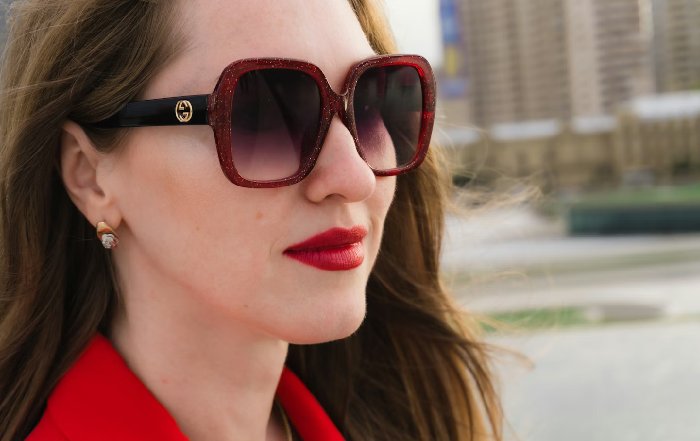
The Confidence Behind a Perfect Red Lip
Red Lipstick as a Global Language of Confidence
The perfect red lip has evolved far beyond a simple cosmetic choice; it has become a global shorthand for confidence, self-definition and visibility, particularly for women who are navigating demanding careers, complex social expectations and rapidly changing cultural norms. Across boardrooms in the United States, creative studios in the United Kingdom, technology hubs in Germany and Singapore, fashion houses in France and Italy, and entrepreneurial ecosystems in South Africa and Brazil, the decision to wear a red lip now carries layered meaning about identity, ambition and autonomy. On HerStage, where women's stories of leadership, lifestyle and self-expression intersect, the red lip is not treated as a superficial flourish but as a visible marker of inner resolve and a daily micro-ritual that can align appearance with purpose.
This transformation of a single shade into a powerful psychological and cultural tool reflects broader changes in how women claim space in public life. As more women step into leadership roles in business, politics, technology, media and the arts, the red lip has become an aesthetic form of punctuation, signaling when a woman is ready to be seen, heard and taken seriously on her own terms. Research on color psychology from institutions such as Harvard University and Stanford University has long highlighted the association between red and perceptions of power, energy and status, and many women now consciously harness this association to shape first impressions in high-stakes environments. Learn more about how color influences perception and decision-making at Harvard Business Review and explore broader psychological perspectives at the American Psychological Association.
A Century of Red: From Rebellion to Professional Signature
To understand the confidence behind a perfect red lip in 2026, it is necessary to look back over a century of cultural evolution in which red lipstick moved from the margins of acceptability to the center of mainstream professionalism. In the early twentieth century, when suffragettes in the United Kingdom and the United States adopted red lipstick as a subtle act of defiance against restrictive gender norms, they were already recognizing its symbolic power as a visible declaration of presence in spaces that had historically excluded them. Historians at the Smithsonian Institution and the British Library have documented how cosmetics, and red lipstick in particular, were woven into broader movements for women's rights and public participation.
By the mid-twentieth century, Hollywood icons such as Marilyn Monroe, Dorothy Dandridge and Sophia Loren turned the red lip into a glamorous ideal, while post-war advertising in North America and Europe encouraged women to adopt it as part of a polished, modern femininity. Over time, major beauty houses like Estée Lauder, Chanel, Dior and Revlon codified red lipstick as a staple of the professional woman's makeup wardrobe, especially in urban centers from New York to Paris, London, Milan and Tokyo. As global markets opened and beauty trends traveled more quickly, red lipstick became increasingly accessible and culturally adaptable, appearing in K-beauty looks in South Korea, bold editorial styling in Sweden and Norway, and sophisticated corporate aesthetics in Canada, Australia and Singapore. For those interested in the historical interplay between beauty and culture, resources such as the Victoria and Albert Museum and the Fashion Institute of Technology provide deeper context.
On HerStage, which regularly explores the intersection of beauty, identity and ambition in its dedicated beauty coverage and fashion features, the red lip is understood as part of a long lineage of women using visual cues to negotiate power. This historical awareness shapes how contemporary readers across Europe, Asia, Africa, North America and South America interpret the red lip not merely as a trend but as a continuing conversation between personal choice and social expectation.
The Psychology of Wearing Red: Power, Presence and Performance
Beyond aesthetics, the confidence associated with a perfect red lip is grounded in well-documented psychological dynamics. Studies in social and behavioral science have repeatedly shown that wearing red can amplify perceptions of dominance, attractiveness and competence, while also influencing the wearer's own sense of self-efficacy. Research summarized by organizations such as the American Psychological Association and academic journals accessible through Google Scholar indicates that color can shape both internal states and external judgments in subtle but meaningful ways.
For many women in leadership or high-visibility roles, this psychological boost is not trivial. Executives in financial centers like London, Frankfurt, Zurich and New York, founders in emerging technology ecosystems in Bangalore, Shenzhen and São Paulo, and policymakers in capitals from Ottawa to Canberra often describe the red lip as a personal armor that helps them transition into performance mode. The ritual of applying a precise red shade before a keynote address, investor pitch or critical negotiation can act as a cognitive cue, signaling the brain to move from preparation into execution. This aligns with broader research on "enclothed cognition," which suggests that what people wear can influence their psychological processes; readers can explore this concept further through analyses published by outlets such as Scientific American and Psychology Today.
On HerStage, where leadership insights and career guidance are central pillars, the red lip is frequently discussed in the same breath as executive presence, personal branding and negotiation strategy. Articles emphasize that while competence, expertise and preparation are always foundational, the way a woman chooses to present herself visually can reinforce the authority she has already earned. The red lip becomes one element within a broader toolkit of self-presentation that includes posture, vocal clarity, wardrobe choices and digital communication habits.
Expertise, Precision and the Craft of the Perfect Red
While many people perceive red lipstick as a simple swipe of color, professionals in the beauty industry understand that achieving the perfect red lip is a technical craft that demands expertise, precision and product knowledge. Elite makeup artists working for global brands and luxury fashion houses invest considerable time in mastering undertones, textures, finishes and application techniques that flatter a diverse range of skin tones and face shapes across continents from Asia to Africa and Europe to South America. Institutions such as the Makeup Designory (MUD) and the Academy of Freelance Makeup have formalized this expertise into curricula that train artists to consider lighting conditions, camera technology and cultural expectations when selecting a red shade for a client.
In 2026, advances in cosmetic formulation have further elevated this craft. Many leading brands now integrate skincare ingredients such as hyaluronic acid, ceramides and botanical oils into long-wear red lipsticks, allowing women to maintain comfort during extended workdays, international flights and back-to-back meetings. Regulatory bodies like the U.S. Food and Drug Administration and the European Medicines Agency oversee safety standards, while independent organizations such as the Environmental Working Group offer databases for consumers who wish to understand ingredient profiles in more depth.
For the HerStage audience, who often balance demanding careers with an interest in wellness and mindful consumption, the technical aspects of a perfect red lip intersect with broader lifestyle considerations. In the platform's lifestyle section and health coverage, writers highlight how hydration, nutrition and stress management can affect lip texture and overall skin condition, thereby influencing how confidently a bold color can be worn. Many dermatologists and estheticians advise that regular exfoliation, UV protection and balanced diets rich in essential fatty acids and antioxidants are crucial for maintaining a smooth, even canvas on which a red lip can truly shine; readers can explore complementary wellness guidance through reputable sources such as the Mayo Clinic and the World Health Organization.
Red Lipstick and Professional Identity in a Hybrid World
The shift toward hybrid and remote work models, accelerated in the early 2020s and now normalized across sectors in 2026, has also reshaped how and when women deploy the red lip as a tool of confidence. In virtual meetings that span time zones from New York to London, Berlin, Johannesburg, Dubai, Singapore, Seoul and Sydney, facial framing has become more important than full-body styling, and a well-executed red lip can serve as a focal point that communicates alertness, clarity and intention through a screen. Many leadership coaches and communication experts now discuss on-camera presence as a core professional skill, encouraging women to think strategically about how lighting, background, posture and makeup choices contribute to perceived authority and engagement. For further reading on digital presence and communication strategies, business professionals often consult resources like McKinsey & Company and Deloitte Insights.
On HerStage, where business analysis and world perspectives are tailored for a global female audience, the red lip frequently appears in discussions of how women present themselves in cross-cultural contexts. In some corporate environments in Asia, for example, a softer red may be favored for its balance between professionalism and subtlety, while in creative industries in cities like Los Angeles, London or Stockholm, a more saturated or matte red may align with a bolder aesthetic. The platform's guide section often explores how women can adapt the intensity and finish of their red lip to different industries, from law and finance to technology, media, hospitality and education, without compromising their sense of authenticity.
This adaptability is especially important for women who operate across multiple cultural and professional spheres, such as consultants who travel between Europe and Asia, academics who lecture internationally, or entrepreneurs seeking investment in both North American and Middle Eastern markets. In such scenarios, the red lip can function as a consistent personal signature that anchors identity amid changing contexts, while still allowing for nuanced adjustments that respect local norms and expectations. Organizations like the World Economic Forum and the International Labour Organization provide valuable background on the evolving landscape of women's work globally, helping readers situate their personal style choices within broader economic and social trends.
Red Lipstick, Feminism and Agency in 2026
The confidence behind a perfect red lip cannot be separated from ongoing debates about feminism, representation and the politics of appearance. In the past, some critics argued that makeup, including red lipstick, reinforced restrictive beauty standards or distracted from women's professional achievements. However, many contemporary feminist scholars and activists now frame the red lip as a site of agency, where women can consciously choose how they wish to be seen in a world that still often scrutinizes their appearance more intensely than men's. Academic work archived by platforms such as JSTOR and discussions facilitated by organizations like UN Women highlight how personal style can intersect with autonomy, identity and resistance.
For women in regions where gender norms remain particularly rigid, from parts of Asia and Africa to segments of Europe and South America, the decision to wear a bold red lip can be quietly radical, signaling a refusal to fade into the background. Conversely, in highly liberal urban environments, the same red lip might be interpreted less as rebellion and more as a sophisticated tool of personal branding. On HerStage, the nuance of these experiences is reflected in its women-focused content, where contributors from diverse cultural backgrounds share how they navigate expectations around modesty, professionalism and self-expression.
This multiplicity of meanings underscores that the red lip is not inherently empowering or constraining; its impact depends on who is choosing it, in what context and for what purpose. When a woman in Tokyo selects a crisp blue-red lipstick before presenting a product launch, or a lawyer in Madrid applies a deep brick red before a court appearance, they are often making a deliberate calculation about visibility, impact and self-alignment. The confidence that emerges from this process is not merely about surface appearance but about the alignment between inner intent and outward signal.
Mindfulness, Ritual and the Inner Experience of a Red Lip
Beyond external perception, the confidence associated with a perfect red lip is also deeply connected to inner experience, ritual and mindfulness. In a world where professional women juggle demanding schedules, cross-continental travel, caregiving responsibilities and constant digital connectivity, the act of taking a few minutes to apply lipstick with care can function as a grounding micro-practice. This small ritual invites a pause in which attention is brought back to the body, the breath and the present moment, creating a bridge between inner composure and outward readiness.
Psychologists and mindfulness teachers have increasingly recognized the value of such everyday rituals in managing stress and enhancing emotional resilience. Organizations like the Greater Good Science Center at UC Berkeley and the Mind & Life Institute have published research and commentary on how intentional routines can support mental well-being. On HerStage, the mindfulness section explores how beauty and self-care practices, including the deliberate application of a red lip, can become opportunities for self-connection rather than obligations imposed by external standards.
For many women, especially those in high-pressure careers in finance, law, medicine, technology or academia, this mindful approach transforms the red lip from a rushed finishing touch into a moment of self-affirmation. Looking into the mirror before a crucial presentation or negotiation, they may use the ritual to silently rehearse key messages, reconnect with their values or simply acknowledge the effort that has brought them to this point. The resulting confidence is not only visual but somatic, rooted in a felt sense of readiness and self-respect.
Education, Mentorship and the Future of Red-Lip Confidence
As younger generations of women in countries from the United States, Canada and the United Kingdom to India, China, South Korea, Nigeria, Brazil and beyond enter the workforce, the meaning of a perfect red lip continues to evolve. Gen Z and emerging Gen Alpha professionals often approach beauty with a strong emphasis on inclusivity, sustainability and authenticity, seeking products and practices that align with their ethical and environmental values. Many are informed by resources such as the United Nations Sustainable Development Goals and sustainability reports from major corporations, and they expect beauty brands to demonstrate transparency, diversity and social responsibility.
Within this context, the red lip remains a potent symbol but is now often integrated into broader conversations about conscious consumption, representation and mental health. Educational institutions and career development organizations increasingly invite speakers and mentors who address not only technical skills and leadership competencies but also the role of personal style and self-presentation in professional success. Platforms like HerStage, with its education coverage and self-improvement content, serve as bridges between formal training and lived experience, offering nuanced guidance on how young women can craft a visual identity that supports their ambitions without compromising their individuality.
Mentorship plays a crucial role in this process. When senior leaders in multinational corporations, startups, NGOs and public institutions model how they use elements like a red lip to reinforce their executive presence, they implicitly grant permission for younger colleagues to experiment with their own expressions of confidence. This intergenerational exchange, whether it takes place in offices in London and Berlin, co-working spaces in Amsterdam and Copenhagen, or virtual communities spanning time zones, helps normalize the idea that professionalism does not require erasing femininity or personal style. It instead encourages women to view tools like the red lip as assets that can be calibrated to context and audience.
Integrating the Red Lip into a Holistic Vision of Success
The confidence behind a perfect red lip is best understood as part of a holistic vision of success that integrates appearance, health, mindset, relationships, learning and purpose. On HerStage, where food and nutrition insights, glamour and style stories and career development articles coexist within a single ecosystem, the red lip is consistently framed within this broader matrix. It is celebrated not as a requirement or a universal solution, but as a powerful option that women can choose to adopt or set aside depending on their personal preferences and professional contexts.
For some, the perfect red lip will be reserved for milestone moments: a promotion announcement in Toronto, a keynote address in Johannesburg, a book launch in Paris or a diplomatic reception in Tokyo. For others, it will be a daily signature, worn on commutes through New York, London or Berlin, in co-working spaces in Barcelona or Stockholm, or in home offices in Wellington, Cape Town or São Paulo. In every case, the underlying principle remains the same: confidence arises when external presentation aligns with internal conviction, when a woman recognizes that she is the author of her own story and the curator of her own image.
As global conversations about gender, work, well-being and identity continue to evolve, the red lip will undoubtedly acquire new layers of meaning. Yet its enduring appeal lies in its simplicity and versatility: a single stroke of color that can signal readiness, courage, joy, defiance or determination, depending on the wearer's intention. For the readers of HerStage, who navigate diverse careers and cultures from North America and Europe to Asia, Africa and South America, the perfect red lip will remain a potent symbol of self-possessed visibility, a reminder that confidence is both an inner state and an outward choice, crafted moment by moment in front of the mirror and carried into the world with every word spoken and every step taken.
