
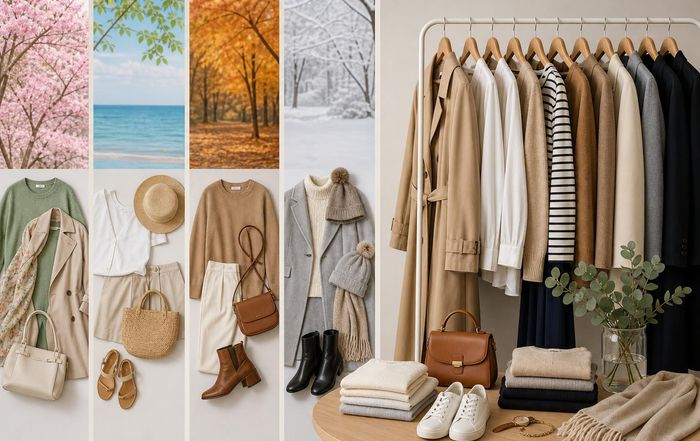
Capsule Wardrobe Planning for Four Distinct Seasons
Designing a capsule wardrobe is challenging enough; doing it for four very different seasons can feel like a logic puzzle with your body, lifestyle, and climate as the variables. Yet for women who want to feel polished without drowning in clothes, a season-spanning capsule can be one of the most powerful tools for simplifying life, cutting decision fatigue, and aligning style with values such as sustainability and mindful consumption.
This fun and simple guide walks through how to build a flexible, realistic capsule wardrobe when you live somewhere with true winter, spring, summer, and autumn. It focuses on strategy rather than strict rules, so it can work whether you're in a cold North American city, a rainy European climate, or a hotter region where "winter" is more about wind and rain than snow.
Start with climate, not Pinterest
Before thinking about colors or silhouettes, it helps to get honest about the actual weather you live in and how you spend your time. Many capsule wardrobe frustrations come from building for an imagined lifestyle instead of the real one.
A practical first step is to map your year by answering a few questions in a style notebook or on your phone. How cold does winter truly get where you live, and for how long? Do summers involve dry heat, heavy humidity, or cool evenings? Are spring and autumn short transitions or full seasons in their own right? Government meteorological agencies like the US National Weather Service at https://www.weather.gov/ or the UK Met Office at https://www.metoffice.gov.uk/ can help you understand temperature ranges, rainfall, and typical seasonal patterns over the year, which is far more useful than just "it feels cold."
Equally important is an honest look at your lifestyle. A woman who works in a corporate office, commutes on public transport, and enjoys dinners out will need a different capsule than a freelancer who works from home and spends weekends hiking. Noting how many days each week you dress for work, exercise, parenting, social events, or travel will keep your capsule grounded in reality. This is also a good moment to reflect on how you want clothes to support your broader goals around self-improvement, confidence, and leadership presence, rather than just following trends.
Define your year in "style seasons," not just weather seasons
Traditional capsule advice often recommends a single year-round wardrobe or separate capsules for spring/summer and autumn/winter. In climates with four distinct seasons, this can be too blunt. A more nuanced approach is to define your own "style seasons" based on both weather and mood shifts.
For many women, this means four overlapping capsules that share a strong common core: deep winter, light spring, high summer, and rich autumn. Winter and summer will likely be the most distinct in terms of fabric weight and footwear, while spring and autumn share many pieces but differ in color, layering, and outerwear. Thinking in style seasons allows you to reuse more items while still honoring how different each part of the year feels.
Color psychology research from institutions such as Pantone at https://www.pantone.com/ and design schools like Parsons School of Design at https://www.newschool.edu/ shows that people often gravitate toward lighter, clearer colors in longer-day seasons and richer, deeper tones in darker months. You can use this insight to shift your color accents with the seasons while keeping a stable base of neutrals. For example, a navy-white-camel core might be accented with soft blush and sage in spring, bright coral in summer, rust and forest green in autumn, and deep burgundy in winter.
Build a stable all-season core first
A common mistake is to build four separate wardrobes. Instead, think of one strong all-season core that stays in rotation most of the year, with seasonal "modules" that plug in and out as temperatures and activities change.
This core will typically include your most versatile neutrals, everyday denim or trousers, foundational tops, and a few dresses or jumpsuits that can be layered up or down. These are the items you reach for regardless of weather: the black trousers that work with everything, the dark-wash jeans, the crisp white shirt, the striped tee, the simple knit dress you can wear with sandals in summer or tights and boots in winter.
From a sustainability perspective, organizations like the Ellen MacArthur Foundation at https://www.ellenmacarthurfoundation.org/ emphasize the environmental impact of extending the life of garments. A strong core that you wear across multiple seasons supports this, reducing the need for constant replacements and impulse buys. It also aligns with a more mindful approach to lifestyle and consumption.
Your all-season core might include, for example:
2-3 pairs of trousers or jeans in neutral colors
3-4 tops that work alone or under layers (shirts, blouses, elevated tees)
1-2 dresses or jumpsuits that can be dressed up or down
1 lightweight cardigan or blazer
1 pair of all-season shoes (loafers, sneakers, or ankle boots depending on your climate and style)
The exact numbers matter less than the versatility and quality of each piece. Choose fabrics that can bridge seasons, such as mid-weight cotton, Tencel, and fine merino wool, which offers breathability and odor resistance according to organizations like The Woolmark Company at https://www.woolmark.com/.
Layering strategy: the secret to four-season dressing
When you live with four distinct seasons, layering is not just a style choice; it is a survival strategy. A smart layering system lets you adapt to sudden weather changes, air-conditioned offices, and overheated public transport without carrying your entire wardrobe in a tote bag.
Think in three layers: base, mid, and outer. Base layers sit next to the skin and regulate temperature and moisture. In winter, that might mean a merino long-sleeve top or thermal tights; in summer, a breathable cotton or bamboo tank. Mid layers provide warmth and shape: cardigans, light sweaters, blazers, shirt-jackets. Outer layers protect against wind, rain, or snow: trench coats, wool coats, puffer jackets, or waterproof shells.
Health organizations such as the World Health Organization at https://www.who.int/ and national health services like NHS UK at https://www.nhs.uk/ regularly highlight the importance of appropriate clothing in extreme temperatures to prevent issues like hypothermia or heat exhaustion. A well-planned layering system can help maintain comfort and safety without needing an excessive number of individual garments.
For women balancing professional and personal roles, layering also supports a more seamless transition between environments. A blazer over a sleeveless top, for example, can move from a warm commute to a cool office and then to an evening event simply by removing or adding a scarf or swapping shoes. This is where your wardrobe intersects with career and leadership goals: consistent, adaptable outfits support a calm, prepared presence.
Winter capsule: warmth, structure, and texture
In a true winter, the priority is warmth without bulk and outfits that hold their shape under coats and scarves. Focus on a small set of high-performing pieces rather than many thin, underused items.
A winter capsule might center on:
A wool or insulated coat appropriate for your climate
1-2 pairs of lined or heavier-weight trousers or jeans
2-3 warm knitwear pieces (merino, cashmere, or quality blends)
A base-layer system (thermal tops, tights or leggings if needed)
Weather-appropriate boots and warm socks
Accessories: hats, gloves, scarves that complement your core colors
Investing in outerwear and footwear is especially important in winter. Consumer guides from bodies like Consumer Reports at https://www.consumerreports.org/ and REI Co-op at https://www.rei.com/ often emphasize checking for insulation type, water resistance, and traction. While you may not need technical gear for city life, borrowed principles from outdoor brands-like layering and moisture management-can dramatically improve daily comfort.
Texture plays a bigger role in winter style, too. Mixing smooth wool, chunky knits, leather, and soft scarves adds visual interest to a relatively limited color palette. If your overall wardrobe leans minimalist, winter is a good season to introduce subtle glamour through accessories, linking to interests in glamour and beauty without compromising practicality.
Spring capsule: transition, lightness, and flexibility
Spring can be the trickiest season: cold mornings, warm afternoons, sudden rain, and the emotional desire to dress "lighter" even when temperatures disagree. A spring capsule is essentially your all-season core plus strategic layers and color shifts.
Key spring pieces might include:
A trench coat or lightweight waterproof jacket
A mid-weight cardigan or blazer that works over dresses and trousers
1-2 lighter-colored bottoms (chinos, jeans, skirts)
Tops in softer or clearer colors to signal the seasonal shift
Waterproof or water-resistant shoes for rain, plus one lighter shoe for dry days
From a mental health perspective, many women find that moving toward lighter colors and fabrics in spring lifts mood after darker winter months. Organizations like Mind, the UK mental health charity at https://www.mind.org.uk/, note that seasonal changes can affect energy levels and wellbeing. While clothing is not a cure-all, dressing in a way that feels in sync with the season can support broader mindfulness practices and self-care rituals.
Spring is also an ideal time to reassess fit and comfort. As you rotate items back into your wardrobe, notice which pieces you are excited to wear and which you avoid. This reflection can guide more intentional shopping and decluttering, aligning your wardrobe with your evolving lifestyle and body rather than old expectations.
Summer capsule: breathability, simplicity, and sun protection
In hot or humid summers, the capsule priority shifts to keeping cool while still feeling put-together. This is where fabric choice matters more than almost anything else. Natural fibers like linen, cotton, and some viscose and Tencel blends tend to breathe better than many synthetics, reducing overheating and skin irritation. The Environmental Working Group at https://www.ewg.org/ and dermatology organizations such as the American Academy of Dermatology at https://www.aad.org/ also highlight the importance of sun-protective clothing alongside sunscreen for skin health.
A practical summer capsule might revolve around:
2-3 breathable dresses or jumpsuits that can go from day to evening
Lightweight shorts, skirts, or wide-leg trousers
A few sleeveless or short-sleeve tops in natural fabrics
Sandals or breathable sneakers with good support
A hat and sunglasses for sun protection
A very light layer for air-conditioned interiors (linen shirt, thin cardigan)
Minimalism can be especially liberating in summer. Many women find that a smaller number of well-chosen outfits-perhaps a signature dress shape in different colors-reduces morning decisions and encourages more time outdoors, socializing, or focusing on health and movement rather than wardrobe stress. This season also invites playful color and print, which can coexist with a capsule approach if you keep silhouettes consistent and ensure each piece works with at least two others.
Autumn capsule: depth, layering, and refinement
Autumn often feels like a fresh start, particularly in cultures where the academic and corporate year ramp up after summer. It is a natural time to refine style, experiment with richer colors, and reintroduce structure after looser summer silhouettes.
An autumn capsule often blends elements from spring and winter:
A mid-weight coat or jacket (blazer, leather jacket, wool coatigan)
1-2 pairs of trousers or jeans in darker washes or warmer tones
Long-sleeve tops and light knits for layering
Closed-toe shoes or ankle boots
Accessories in autumnal tones: scarves, belts, bags
Because autumn is closely tied to professional re-entry-new projects, conferences, networking-it can be a good moment to align your wardrobe with your career ambitions. Research from organizations like McKinsey & Company at https://www.mckinsey.com/ and Lean In at https://leanin.org/ on women in leadership often touches on presence and confidence; while clothes are only one factor, having a small set of reliable, well-fitting outfits for presentations, interviews, or client meetings can reduce cognitive load and allow you to focus on substance.
Autumn is also the season to check your winter gear early. Trying on coats, boots, and knitwear in advance gives you time to repair, clean, or replace thoughtfully rather than in a last-minute panic during the first cold snap.
Organizing your wardrobe by season without losing the big picture
A four-season capsule works best when the physical organization of your clothes matches the mental system. Instead of hiding entire seasons in deep storage, consider a rotation method that keeps your all-season core visible year-round and moves seasonal modules in and out of prime space.
One practical approach is to designate prime wardrobe space for current and core items, and secondary space (high shelves, under-bed storage, or a separate rail) for off-season modules. As the season shifts, you swap modules while leaving the core untouched. This reduces visual clutter and makes it easier to "shop your own closet" before feeling tempted by new purchases.
When storing off-season items, simple care guidelines from textile experts and museums-such as those shared by the Victoria and Albert Museum at https://www.vam.ac.uk/-emphasize cleaning garments first, using breathable storage (cotton bags rather than plastic), and protecting from moths and moisture. This not only preserves clothes but also supports a more sustainable, lower-waste lifestyle.
Digitally, some women find it useful to maintain a wardrobe inventory in a notes app or dedicated wardrobe app. The goal is not perfection but awareness: understanding what you own, which pieces earn their place across multiple seasons, and where genuine gaps exist.
Shopping and editing with intention
A four-season capsule is not built in one weekend; it evolves. The most powerful habit is shifting from reactive, trend-driven shopping to intentional, gap-focused decisions. Before buying anything, ask: in which seasons will this realistically work, and with which existing pieces? Does it solve a recurring problem, such as "I'm always cold in the office" or "I never have shoes that work for rain and workwear"?
Consumer and sustainability organizations like Fashion Revolution at https://www.fashionrevolution.org/ and Good On You at https://goodonyou.eco/ encourage checking brand transparency, labor practices, and material choices where possible. While it is not always feasible to buy from the most ethical or premium labels, being informed can help align your wardrobe with your broader values around climate, fairness, and conscious business.
Editing is as important as acquiring. A seasonal review-perhaps at the end of each quarter-can be part of a broader self-improvement practice. Ask which items were worn heavily, which sat untouched, and why. Sometimes the issue is fit or comfort; sometimes it is that a piece no longer aligns with your identity or daily life. Letting go of those items, via resale, donation, or responsible recycling, makes room for a wardrobe that supports who you are now.
Making it personal: style, body, and life changes
Finally, a four-season capsule wardrobe is not a static puzzle to be solved once and for all. Women's bodies, roles, and priorities change: pregnancy, perimenopause, health shifts, career transitions, or moves to new countries all affect what "works." A capsule system should be flexible enough to adapt.
Rather than chasing a perfect, fixed number of items, treat your capsule as a living framework that supports your current season of life. For some women, that might mean a slightly larger wardrobe to accommodate weight fluctuations; for others, a very tight edit that fits in a small apartment. Cultural context also matters: what feels appropriate for an office in Berlin may differ from expectations in Singapore or São Paulo, and your capsule should respect local norms while still reflecting your personality.
Using your wardrobe as a site of gentle experimentation rather than self-criticism can be surprisingly empowering. Planning outfits for the week ahead, creating a small "power rail" of go-to looks, or setting a three-month no-buy period to reconnect with what you already own can all become part of a broader guide to living with more intention and less noise. For more inspiration on aligning outer presentation with inner growth, pages on women, fashion, and guide content can offer additional perspectives.
A thoughtful, four-season capsule wardrobe will not solve every morning's challenges, but it can turn getting dressed from a daily stressor into a quiet, supportive ritual-one that respects your time, your body, your ambitions, and the world you move through.
