
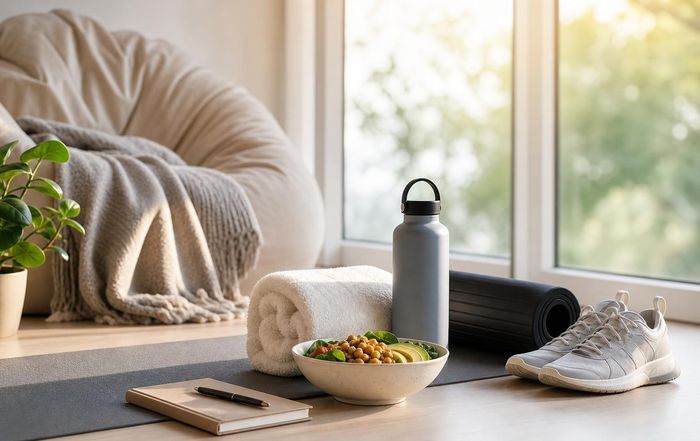
Why Rest Days Matter In A Fitness Plan (Especially For Women)
Many people treat rest days as optional, or even as a sign of "slacking." In reality, strategic recovery is as essential to progress as your hardest workout. For women balancing work, family, and social demands, understanding how and why to rest can be the difference between sustainable strength and constant burnout.
This super guide explores what really happens in the body on rest days, why women in particular need to pay attention to recovery, and how to design a fitness plan that includes rest without losing momentum.
What Your Body Is Actually Doing On a Rest Day
A rest day is not a day when "nothing" happens. It is when most of the adaptations you want from training actually occur. When you lift weights, run, or do high-intensity intervals, you create controlled stress: microscopic muscle damage, depletion of energy stores, and nervous system fatigue. According to organizations like the American College of Sports Medicine (ACSM) and the National Strength and Conditioning Association (NSCA), it is during recovery that the body repairs this damage, replenishes glycogen, and strengthens tissues so they can handle more next time.
On a physiological level, satellite cells in muscle tissue are activated to repair tiny tears in muscle fibers, leading to hypertrophy (muscle growth) over time. Meanwhile, the cardiovascular system adapts by improving oxygen delivery and utilization. Hormones such as growth hormone and testosterone pulse during deep sleep, supporting tissue repair, while cortisol levels ideally drop back from the elevated state created by intense training and daily life stress. Without sufficient rest, these processes are incomplete, and the next workout simply piles more stress on top of an already overloaded system.
The nervous system is also deeply involved. Heavy lifting, sprinting, and complex movements rely on efficient communication between brain and muscles. This neuromuscular system fatigues just as much as muscles do. A rest day allows the central nervous system to recalibrate so you can generate power, coordination, and focus instead of feeling clumsy or "flat." In short, rest days are active rebuilding days at the microscopic and systemic level, even if you are just walking the dog and making a nice meal.
Why Rest Is Especially Important For Women
Women are not smaller men, and recovery can be influenced by hormonal rhythms, iron status, and social pressures that encourage constant productivity. Research summarized by organizations such as Women's Health Concern (womens-health-concern.org) and the Office on Women's Health in the U.S. (womenshealth.gov) suggests that hormonal fluctuations across the menstrual cycle can affect perceived exertion, inflammation, and even ligament laxity.
In the late luteal phase and during menstruation, some women experience higher fatigue, more soreness, or mood changes. Ignoring these signals and insisting on maximal effort every day can increase the risk of overuse injuries or simply make training feel unsustainably hard. On the other hand, estrogen-dominant phases are often associated with slightly better recovery and higher tolerance for volume, which some athletes use to schedule more intense sessions. Rest days give room to adjust training to these natural rhythms instead of fighting them.
Women are also more likely to experience iron deficiency, particularly if they have heavy periods or follow a vegetarian or vegan diet. Low iron can worsen fatigue and make workouts feel disproportionately difficult. Including rest days, and using some of that time to focus on nutrition and perhaps check in with a healthcare professional, can be crucial. Finally, women are often socialized to "do it all"-work, caregiving, fitness, and emotional labor-which can lead to chronic stress. A thoughtful rest strategy acknowledges mental and emotional load as part of recovery, not as something separate from physical training.
For readers interested in broader wellbeing, exploring resources on mindfulness and stress can complement physical recovery and help regulate the nervous system between training days.
The Science of Adaptation: Stress + Rest = Progress
Every fitness plan is built on the principle of progressive overload: gradually increasing the challenge so the body adapts. But overload without rest is not progress; it is just stress. Sports science and bodies like the World Health Organization (WHO) and Centers for Disease Control and Prevention (CDC) consistently emphasize that adults need regular physical activity alongside adequate sleep and recovery to see lasting health benefits.
When rest is built into a plan, the body responds by:
Increasing muscle size and strength after resistance training.
Improving cardiovascular efficiency and endurance after aerobic sessions.
Strengthening tendons, ligaments, and bones, particularly important for women concerned about osteoporosis.
Refining motor patterns, so movements become more efficient and less injury-prone.
Without this rest, the same training load can push the body toward overreaching and, eventually, overtraining syndrome, which is associated with persistent fatigue, performance decline, sleep disruption, mood changes, and higher injury risk. The paradox is that more effort can produce worse results if the recovery side of the equation is neglected. For women balancing careers and caregiving, this can show up as hitting a plateau despite working "harder than ever," or feeling exhausted by workouts that used to feel energizing.
Readers exploring self-development and health may find it helpful to think of rest as a performance tool rather than a reward. Just as career growth benefits from pauses and reflection, physical progress requires deliberate downtime. Our sections on self-improvement and health offer broader perspectives on this idea of strategic recovery.
Signs You Might Not Be Resting Enough
Understanding the warning signs of insufficient recovery can prevent minor issues from becoming long-term setbacks. Sports medicine organizations such as the American Orthopaedic Society for Sports Medicine (sportsmed.org) and the Mayo Clinic (mayoclinic.org) highlight several red flags.
Common indicators include persistent soreness that does not resolve within a few days, especially in joints or tendons rather than muscles. Sleep may become restless or shallow, with frequent waking or difficulty falling asleep despite feeling tired. Resting heart rate may creep higher than usual, or you may feel unusually breathless or weak at intensities that used to feel manageable. Mood changes are also significant: irritability, anxiety, loss of motivation to train, or a sense of dread before workouts can all signal that your system is overwhelmed.
For women, additional clues may appear in menstrual health. Very intense training combined with inadequate fuel and rest can contribute to irregular or missing periods, part of what sports scientists describe as Relative Energy Deficiency in Sport (RED-S). The International Olympic Committee (olympics.com) and other elite sport bodies have raised awareness of this condition, which can affect bone health, fertility, and long-term wellbeing. Even if you are not an elite athlete, chronic under-recovery plus under-eating can nudge you in this direction.
If you recognize several of these signs, it can help to step back and reevaluate your plan rather than pushing harder. A short phase of reduced training volume, more sleep, and supportive nutrition often restores energy and motivation far more effectively than another week of intense sessions.
Different Types of Rest: It Is Not Just "Do Nothing"
Rest days do not all have to look the same. Understanding the options makes it easier to choose what suits your body and life.
Complete rest means no structured exercise-just daily movement such as walking around the house, commuting, or light chores. This kind of rest is especially useful after very intense sessions, competitions, or if you are coming back from illness. For many women with high stress levels, a true off day can be psychologically valuable, allowing time for family, hobbies, or simply catching up on sleep without feeling guilty.
Active recovery, on the other hand, involves gentle movement that keeps blood flowing without adding significant stress. Examples include an easy walk, light cycling, restorative yoga, or a relaxed swim. The American Heart Association (heart.org) notes that low-intensity activity can help circulation and joint mobility, potentially easing stiffness and supporting recovery. On these days, intensity should feel comfortable enough that you could chat easily throughout-if you are gasping for breath, it is not recovery.
There is also mental and emotional rest, which is often overlooked. Scrolling fitness content, tracking macros obsessively, or constantly analyzing performance data can keep the brain in "training mode" even on rest days. Building in time away from screens, practicing breathing exercises, or journaling can downshift your nervous system. Readers interested in leadership and high performance may recognize that this mirrors how effective leaders schedule thinking time and breaks to avoid burnout-principles that apply equally to the body.
If you are exploring broader lifestyle changes, our lifestyle and guide sections offer ideas on routines and rituals that can support deeper rest beyond the gym.
How Many Rest Days Do You Really Need?
There is no single formula that works for everyone, but public health guidelines and sports science offer helpful ranges. The World Health Organization recommends at least 150-300 minutes of moderate-intensity aerobic activity or 75-150 minutes of vigorous activity per week for adults, plus muscle-strengthening activities on two or more days. Within that framework, most non-elite exercisers do well with at least one to three rest or active recovery days per week, depending on intensity and experience.
Beginners, or those returning after a long break, typically benefit from more frequent rest-often training two to four days per week with rest days in between. This allows muscles, joints, and connective tissues time to adapt to new demands. Intermediate exercisers might train four to five days per week, mixing higher-intensity sessions with lighter ones and at least one full rest day. Advanced athletes may train more frequently but usually still include lighter days, deload weeks, and structured off-seasons under professional guidance.
Women with demanding jobs, caregiving responsibilities, or irregular sleep may need to be especially flexible. A plan that looks balanced on paper can become overwhelming when combined with late nights, travel, or emotional stress. It can be more sustainable to set a minimum number of weekly workouts and then adjust based on how you actually feel, rather than forcing a rigid schedule. Checking in with your energy levels, mood, and sleep quality can guide when to take an extra rest day, just as you might adjust work tasks when you are ill or overloaded.
If you are also working toward career or business goals, it can help to think of your fitness like a long-term project: consistency matters more than intensity in any single week. Our career and business coverage frequently highlights the value of pacing and sustainability, principles that apply just as much in the gym.
Rest, Body Image, and the Pressure to "Earn" Your Worth
The way rest days are perceived is often shaped by culture, social media, and internalized expectations. Fitness culture can subtly imply that constant grind is admirable and that rest must be "earned" through extreme effort or restricted eating. For women already navigating body image pressures, this can turn rest days into a source of anxiety: worries about gaining weight, losing progress, or being seen as "lazy" can overshadow the real purpose of recovery.
Psychologists and organizations like the American Psychological Association (apa.org) emphasize that a perfectionistic, all-or-nothing mindset is associated with burnout and disordered exercise patterns. Learning to see rest as part of the training process-not a break from it-can reduce guilt and support a healthier relationship with movement. That might mean reframing rest days as "adaptation days" or "rebuild days," or focusing on what they enable: better strength, more energy for family and work, and a more resilient mood.
Body image concerns can also be eased by paying attention to non-scale victories: improved sleep, fewer aches, more ease with daily tasks, or better concentration at work. These benefits often become more noticeable when rest is respected. Our sections on women, beauty, and glamour frequently explore how confidence and wellbeing are shaped by more than aesthetics, which can be a helpful lens when thinking about why you move your body in the first place.
Making Rest Days Work For You: Practical Strategies
Turning the theory of rest into a real habit requires intentional choices. A simple starting point is to schedule rest days just as you would workouts, meetings, or family commitments. Putting them in your calendar signals that they are non-negotiable parts of your plan, not optional extras. If you like structure, you might choose consistent days each week; if your life is more unpredictable, you might instead plan rest based on the intensity and timing of your last few sessions.
Nutrition and hydration are also key components of effective rest. On recovery days, it can be tempting to under-eat out of fear of "wasting" calories, but the body still needs protein, carbohydrates, healthy fats, and micronutrients to repair tissues and replenish energy stores. Institutions like Harvard T.H. Chan School of Public Health (hsph.harvard.edu) highlight the importance of whole foods, adequate protein, and iron-rich choices for active women. Rest days are a good time to prioritize balanced meals, perhaps with an emphasis on colorful vegetables, quality protein sources, and iron (from foods like lentils, beans, meat, or fortified cereals, depending on your diet).
Sleep may be the most underrated recovery tool. The National Sleep Foundation (sleepfoundation.org) recommends seven to nine hours for most adults, and athletes often benefit from more. On rest days, creating a consistent wind-down routine-dimming lights, limiting screens before bed, and perhaps using gentle stretching or breathing exercises-can enhance both sleep quality and overall recovery. This is particularly relevant for women whose sleep is disrupted by hormones, stress, or caregiving duties.
Finally, use rest days to zoom out and reflect on your broader wellbeing. Are your workouts aligned with your values and goals, or are you chasing numbers that do not really matter to you? Are you moving in ways you enjoy, or only in ways you think you "should"? This kind of reflection can prevent you from drifting into patterns that feel punishing rather than empowering. Exploring content on world and education can also broaden perspectives on how different cultures and experts think about balance, performance, and health.
Integrating Rest Into a Sustainable, Empowering Fitness Life
A powerful fitness plan is not defined only by how hard you can push, but by how wisely you can balance effort with recovery. Rest days are when muscles rebuild, hormones recalibrate, and motivation quietly renews itself. For women juggling multiple roles, honoring rest is an act of self-leadership: it protects health, supports long-term progress, and models a more humane approach to achievement.
Instead of asking, "How little rest can I get away with?" it can be more helpful to ask, "How much recovery do I need to feel strong, focused, and present in my life?" When rest is treated as a strategic tool rather than a guilty pleasure, fitness stops being a battle against your body and becomes a partnership with it-one that leaves you with more energy to take center stage in every other area that matters.
