
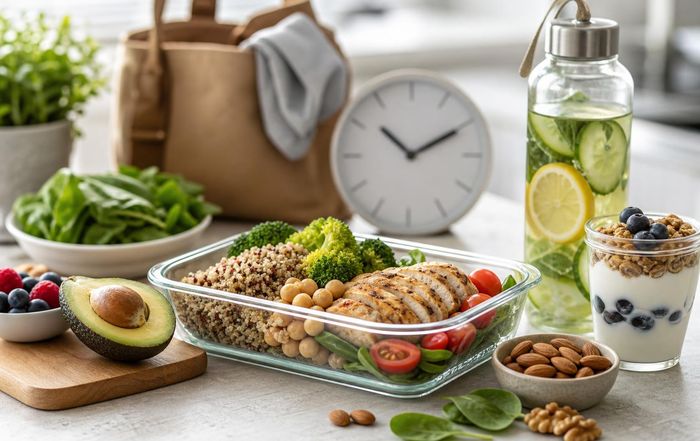
Simple Nutrition Upgrades for Busy Lives in 2026
Reframing Nutrition for the Modern, Fast-Paced Woman
In 2026, women across the world are navigating unprecedented demands on their time and attention, balancing careers, caregiving, entrepreneurship, education, and community leadership, often across multiple time zones and digital platforms, and yet one constant remains: the body still needs consistent, thoughtful nourishment to sustain performance, resilience, and long-term health. On HerStage, nutrition is no longer framed as a restrictive project or a fleeting wellness trend, but as a practical, strategic asset that supports women's leadership, creativity, and emotional stability in a world that rarely slows down. While many women in the United States, the United Kingdom, Germany, Canada, Australia, France, and beyond feel they "know" what healthy eating looks like, the real challenge lies in translating that knowledge into daily choices that fit within an already crowded schedule and a demanding mental load.
This is where simple, intelligent nutrition upgrades become powerful. Rather than overhauling an entire diet or committing to unsustainable rules, women are increasingly adopting small, evidence-aligned adjustments that compound over time, improving energy, focus, and metabolic health without adding complexity to their day. Global organizations such as the World Health Organization highlight that most adults still fall short on fruits, vegetables, and fiber, while consuming excess sugar and ultra-processed foods, which is particularly concerning for women who are already at higher risk of iron deficiency, autoimmune conditions, and stress-related disorders. Readers who engage with the women-focused insights on HerStage Women are seeking more than generic guidance; they want practical, trustworthy strategies that work in boardrooms, classrooms, home offices, and airports alike, and that reflect the realities of modern female leadership.
The Science of Small Changes: Why Micro-Choices Matter
Nutrition research over the last decade, from bodies such as the Harvard T.H. Chan School of Public Health, has consistently shown that eating patterns over time matter more than any single meal, which means that small, repeatable upgrades-like adding vegetables to breakfast, swapping sugary drinks for water, or including a source of protein at every meal-can have a meaningful impact on blood sugar regulation, weight management, and cardiovascular health. Learn more about healthy eating patterns through the lens of long-term disease prevention on the Harvard nutrition resources. For women balancing leadership roles and caregiving, this perspective is liberating: perfection is not required, but consistency is powerful, and the cumulative effect of modest improvements may be greater than occasional bursts of strict dieting.
Researchers at institutions such as Mayo Clinic and Cleveland Clinic have emphasized that nutritional shifts that are too restrictive or complicated tend to fail over time, leading to cycles of guilt and rebound behaviors that can undermine both mental and physical health. By contrast, habits that integrate seamlessly into existing routines-such as preparing one extra portion of vegetables at dinner for the next day's lunch, or keeping protein-rich snacks in the office or car-reduce the cognitive burden of decision-making and therefore are more likely to stick. Readers who explore self-development insights on HerStage Self-Improvement will recognize this behavior-change principle: sustainable transformation is built on systems, not willpower, and nutrition is no exception.
In Europe, Asia, North America, and beyond, cultural norms around food vary widely, yet the underlying physiology of blood sugar, inflammation, and hormonal balance remains similar, which is why global health bodies such as the European Food Safety Authority and the U.S. Department of Agriculture converge on key recommendations: more whole foods, more fiber, less added sugar, and better-quality fats. Women who understand this global consensus can navigate conflicting trends on social media with greater confidence, recognizing that while details may differ, the foundational principles are remarkably stable and can be adapted to local cuisines in Italy, Japan, South Africa, Brazil, or Singapore without sacrificing cultural identity or enjoyment.
Breakfast Reimagined: Energy, Focus, and Hormonal Balance
For busy women, breakfast is often the first casualty of a hectic morning, yet it remains a pivotal opportunity to stabilize energy, support cognitive performance, and reduce mid-morning cravings. Studies summarized by NHS UK and Health Canada show that balanced breakfasts that combine protein, fiber, and healthy fats are associated with improved concentration and better appetite control throughout the day, particularly in women who juggle complex tasks and decision-making responsibilities. Learn more about balanced breakfast guidance through NHS healthy eating advice. In 2026, the conversation has shifted from "eat breakfast or skip it" to "if you eat breakfast, make it work for you," acknowledging that some women thrive with early meals, while others prefer a later eating window due to personal preference, digestive comfort, or cultural patterns.
Simple upgrades might include replacing sugary cereals with plain yogurt topped with fruit, nuts, and seeds, or choosing whole-grain toast with avocado and boiled eggs instead of pastries or sweetened coffee drinks. In Asian cities such as Singapore, Tokyo, and Seoul, traditional breakfasts like miso soup, rice, and grilled fish can be slightly adjusted by increasing vegetable portions and moderating sodium intake, while in Mediterranean regions like Spain and Greece, women can elevate the classic bread-and-cheese breakfast by adding tomatoes, olives, and a small portion of protein. Readers exploring HerStage Health will recognize how these minor modifications, repeated daily, can contribute to more stable mood, reduced afternoon slumps, and better hormonal resilience across menstrual cycles, perimenopause, and beyond.
Organizations such as the American Heart Association emphasize that breakfast can also be an opportunity to meet daily fiber targets, which are rarely achieved in Western diets and are crucial for heart health, cholesterol management, and gut microbiome diversity. Learn more about daily fiber recommendations and cardiovascular health via the American Heart Association. By adding berries, chia seeds, or whole grains to the morning meal, women can begin the day with a foundation that supports not just physical vitality but also the mental clarity needed for leadership, negotiation, and creative problem-solving.
Smart Snacking: From Mindless Munching to Strategic Fuel
As hybrid work, global collaboration, and digital communication intensify, many women find themselves snacking more frequently, often in response to stress, screen fatigue, or emotional triggers rather than true hunger. Instead of framing snacking as a failure of discipline, nutrition experts at organizations such as Johns Hopkins Medicine suggest reframing it as a strategic opportunity to stabilize blood sugar, protect against overeating at main meals, and support brain function during long stretches of focused work. Learn more about healthy snacking strategies through Johns Hopkins nutrition guidance. The key lies in planning, not perfection, and in aligning snack choices with personal energy patterns and professional demands.
Simple nutrition upgrades for snacks include pairing carbohydrates with protein or healthy fats, such as fruit with nuts, hummus with vegetables, or whole-grain crackers with cheese or tofu. In countries like Germany, Sweden, and the Netherlands, where bread and dairy are common, small adjustments like choosing whole-grain varieties and adding vegetables can significantly improve the nutrient density of mid-morning or afternoon breaks. On HerStage Lifestyle, readers are encouraged to treat snacks as "mini-meals" that deserve the same thoughtful attention as lunch or dinner, particularly for women who are on the move between meetings, childcare responsibilities, and social commitments.
The psychological dimension of snacking is equally important. Research shared by The American Psychological Association highlights how stress and emotional strain can drive cravings for high-sugar, high-fat foods, which may temporarily soothe but ultimately contribute to energy crashes and mood swings. Learn more about the connection between stress and eating behavior via the American Psychological Association. By keeping satisfying, nutrient-dense options within reach-such as in handbags, office drawers, or car glove compartments-women can reduce reliance on vending machines, airport kiosks, or late-night delivery apps, thereby creating a more controlled environment that supports their long-term goals without requiring constant vigilance.
Hydration as a Performance Tool, Not an Afterthought
Hydration is one of the simplest, yet most underestimated, nutrition upgrades available to busy women around the world. Organizations like the Centers for Disease Control and Prevention and World Health Organization consistently emphasize the importance of adequate fluid intake for cognitive function, physical performance, and overall health, noting that even mild dehydration can impair concentration, memory, and mood. Learn more about the impact of hydration on everyday performance on the CDC hydration resources. For women in leadership, whether in corporate environments in New York and London or entrepreneurial ecosystems in Nairobi and São Paulo, this translates into a tangible competitive advantage: a well-hydrated brain simply performs better.
Simple hydration upgrades may include starting the day with a glass of water before coffee or tea, keeping a reusable bottle visible on the desk, or linking water intake to existing habits such as meetings, email checks, or commute segments. For women in hotter climates like Thailand, Malaysia, or South Africa, where fluid loss through perspiration is higher, adding electrolyte-rich options such as lightly salted foods, coconut water, or diluted fruit juices can help maintain balance without excessive sugar intake. On HerStage Guide, hydration is framed as a foundational practice that supports not only physical health but also skin appearance, digestion, and cognitive agility, all of which are highly relevant for women who wish to sustain high performance over decades, not just years.
Healthcare institutions such as Cleveland Clinic further highlight that many women confuse thirst with hunger, leading to unnecessary snacking or overeating, which can be mitigated by simply pausing to drink water and reassess bodily signals. Learn more about distinguishing thirst from hunger and its impact on weight management through Cleveland Clinic wellness resources. By turning hydration into an intentional practice rather than an afterthought, women can support their metabolism, improve digestion, and enhance the effectiveness of every other nutrition upgrade they adopt.
Building Better Plates: Protein, Plants, and Practical Portions
Across continents-from North America and Europe to Asia, Africa, and South America-public health agencies consistently recommend a balance of macronutrients and abundant plant foods, yet the details of plate composition often feel confusing amid conflicting diet trends. Institutions such as Dietary Guidelines for Americans and Public Health England suggest that a balanced plate typically includes a substantial portion of vegetables, a moderate serving of quality protein, whole grains or starchy vegetables, and a small amount of healthy fats. Learn more about practical plate models through the USDA MyPlate guidance. For busy women, the practical question is not how to design the "perfect" plate, but how to make small, realistic adjustments to what they already eat at home, in canteens, or in restaurants.
One effective upgrade involves prioritizing protein at each meal, which supports muscle maintenance, satiety, and metabolic health, particularly important for women as they age or experience hormonal transitions. This does not require extreme protein targets; rather, it can mean choosing grilled fish instead of fried options, adding beans or lentils to soups and salads, or including tofu or tempeh in stir-fries. For women in Italy, Spain, and France, traditional dishes like grilled seafood, legumes, and vegetable-based stews already offer a strong foundation that can be enhanced by moderating portion sizes of refined carbohydrates and increasing non-starchy vegetables. Readers exploring HerStage Food will find that the most sustainable upgrades often come from rebalancing familiar meals rather than abandoning them.
Another essential upgrade is increasing the variety and volume of plant foods-vegetables, fruits, whole grains, nuts, seeds, and legumes-which contribute fiber, antioxidants, and phytonutrients that support heart health, gut microbiome diversity, and cancer prevention. Organizations such as the World Cancer Research Fund emphasize that diets rich in minimally processed plant foods are associated with lower risk of several major cancers, a particularly important message for women with family histories of breast, ovarian, or colorectal cancer. Learn more about plant-rich diets and cancer prevention on the World Cancer Research Fund. Rather than fixating on single "superfoods," the more impactful strategy is to gradually expand the range of colors and textures on the plate, integrating local and seasonal produce from markets in cities such as Berlin, Toronto, Sydney, or Cape Town.
Navigating Eating Out, Travel, and Social Commitments
For many women in leadership roles or globally mobile careers, meals are frequently consumed outside the home, whether in restaurants, hotel buffets, airport lounges, or catered events. This reality can create anxiety for those trying to improve their nutrition, yet with a few strategic upgrades, it is entirely possible to maintain balance without feeling restrictive or socially isolated. Organizations such as Academy of Nutrition and Dietetics advise focusing on what can be added-such as extra vegetables, water, or lean proteins-rather than solely on what should be avoided, thereby shifting the mindset from deprivation to empowerment. Learn more about making healthier choices when eating out on the Academy of Nutrition and Dietetics. On HerStage Leadership, this approach resonates strongly with women who are accustomed to making strategic trade-offs in business and understand that flexibility, not rigidity, is the key to long-term success.
Simple upgrades when eating out include starting meals with a salad or vegetable-based soup, choosing grilled or baked options over fried, requesting dressings and sauces on the side, and sharing desserts rather than consuming large individual portions. In Asian hubs like Bangkok, Tokyo, or Seoul, where communal dining is common, women can subtly shape the table by ordering an extra plate of vegetables or a tofu dish, thereby influencing the overall balance without drawing attention to their personal choices. In European cities such as Paris or Amsterdam, where bread and wine are integral to social dining, small adjustments like alternating alcoholic drinks with water or choosing one indulgence per meal-a dessert or a drink, but not both-can maintain enjoyment while moderating excess.
Travel adds another layer of complexity, with time zone shifts, disrupted routines, and limited options, yet even here, micro-upgrades can make a difference. Packing portable snacks like nuts, seeds, protein bars with simple ingredients, or dehydrated fruit, and prioritizing hydration on flights can help women arrive with more stable energy and digestion. Readers who explore HerStage World often operate across continents and understand that resilience on the road is built not only from sleep and movement but also from the quality of fuel they provide their bodies in airports, hotels, and conference centers.
Mindful Eating in a Hyper-Connected World
In an era dominated by screens, notifications, and constant information flow, how women eat can be just as important as what they eat. Mindful eating, grounded in psychological and behavioral science, encourages individuals to slow down, notice hunger and fullness cues, and fully experience the sensory aspects of food, thereby reducing overeating and emotional eating. Institutions such as Harvard Medical School and University of California, Berkeley have highlighted how mindfulness practices can support better food choices and improve digestion by engaging the parasympathetic nervous system. Learn more about mindful eating practices through Harvard Health Publishing. On HerStage Mindfulness, this topic is explored as a crucial dimension of self-leadership, particularly for women who are frequently multitasking and may barely register their meals between video calls.
Simple mindful upgrades do not require extended meditation sessions; instead, they can include small rituals such as taking three slow breaths before eating, putting down cutlery between bites, or dedicating at least one meal per day to being screen-free. These practices help women reconnect with their bodies' signals, which can be especially valuable for those navigating hormonal fluctuations, chronic stress, or recovery from diet culture. Research summarized by National Institutes of Health suggests that mindful eating can reduce binge episodes and improve metabolic markers in certain populations, reinforcing its relevance as a practical, low-cost intervention. Learn more about the evidence behind mindful eating through the NIH resources.
For women in high-pressure roles in New York, London, Singapore, or Johannesburg, mindful eating can also serve as a micro-break, a moment to reset the nervous system and step out of constant productivity mode. This is not a luxury but a strategic pause that can enhance decision quality, emotional regulation, and interpersonal presence, aligning closely with the leadership and self-improvement themes that define HerStage and its commitment to supporting women's holistic success.
Aligning Nutrition with Beauty, Confidence, and Long-Term Well-Being
While the modern nutrition conversation rightly emphasizes health and function, many women are also motivated by visible outcomes such as skin clarity, hair strength, and body composition, which intersect with confidence and professional presence. Dermatology and nutrition research from organizations such as American Academy of Dermatology indicate that diets rich in antioxidants, healthy fats, and adequate protein support skin integrity, reduce inflammation, and may contribute to a more youthful appearance over time. Learn more about the connection between diet and skin health on the American Academy of Dermatology. On HerStage Beauty and HerStage Fashion, this connection is explored not through the lens of unrealistic perfection, but as part of a broader narrative of self-respect and self-expression.
Simple nutrition upgrades that support both health and appearance include increasing omega-3 fatty acids through fatty fish, flaxseeds, or walnuts; choosing colorful fruits and vegetables rich in vitamins A, C, and E; and moderating high-sugar, highly processed foods that can aggravate inflammation and glycemic variability. For women in climates with strong sun exposure, such as Australia, South Africa, or Brazil, dietary antioxidants complement, but never replace, external sun protection, forming a more comprehensive strategy for skin longevity and vitality. On HerStage Glamour, readers are reminded that radiance is not merely topical; it is built from within, through daily choices that nourish cells, stabilize hormones, and support restful sleep.
Beyond aesthetics, long-term well-being is increasingly at the center of women's career and life planning. As more women in Canada, Scandinavia, and East Asia extend their working lives and take on senior leadership roles, they recognize that cognitive sharpness, cardiovascular health, and metabolic stability are indispensable assets. Organizations such as Alzheimer's Association and World Obesity Federation highlight the role of nutrition in reducing risk factors for dementia, diabetes, and heart disease, conditions that disproportionately affect women in later life. Learn more about nutrition and brain health through the Alzheimer's Association. Nutrition upgrades, therefore, are not short-term "fixes," but strategic investments in a future where women can continue to lead, mentor, and create on their own terms.
HerStage as a Trusted Ally in Everyday Nutrition
As the pace of life accelerates across continents and industries, women are seeking not just information, but trustworthy curation and context that respect their intelligence, time, and lived experience. HerStage is uniquely positioned to serve as that ally, weaving together insights from health, leadership, lifestyle, and personal development into a coherent narrative that honors the complexity of women's lives. On HerStage Business and HerStage Career, nutrition is framed as a performance tool; on HerStage Education, it is explored as a lifelong learning journey; and on the HerStage homepage at herstage.com, it is integrated into a broader ecosystem of content that champions women's ambitions and well-being.
In 2026, simple nutrition upgrades for busy lives are less about chasing perfection and more about designing a way of eating that is aligned with personal values, cultural identity, professional aspirations, and long-term health. Whether a woman is leading a startup in Berlin, managing a household in Toronto, teaching in Johannesburg, or building a creative career in Seoul, the same principles apply: prioritize whole, minimally processed foods when possible, plan small but strategic upgrades, stay hydrated, eat mindfully, and treat nutrition as an act of self-leadership rather than self-criticism. By integrating these practices into daily routines, women not only enhance their physical and mental resilience, but also model a new standard of success-one in which high achievement and deep nourishment are not in conflict, but in partnership.
From breakfast tables to boardrooms, from local markets to international airports, the choices women make around food send a powerful message about how they value their bodies, their futures, and their impact. HerStage stands alongside them in that journey, offering guidance, inspiration, and evidence-based insight that respects both the urgency of their schedules and the depth of their potential.
