
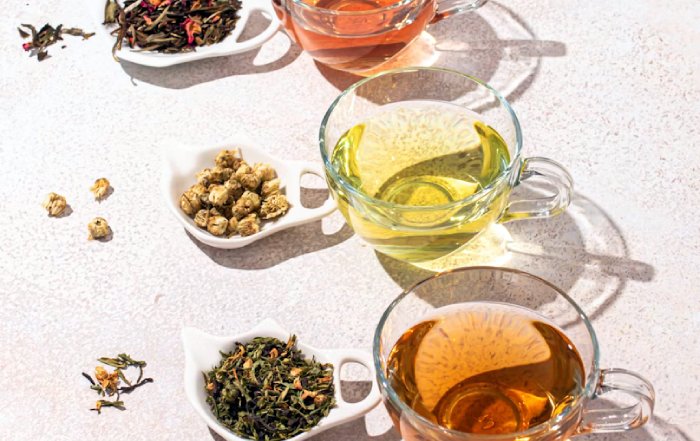
Herbal Infusions and Teas for Health and Harmony
The Global Renaissance of Herbal Tea Culture
Herbal infusions and teas have moved from the fringes of wellness culture into the center of global conversations about health, performance, and sustainable living, and nowhere is this shift more visible than in the stories, preferences, and aspirations of the women who make up the community of HerStage. Across North America, Europe, Asia, Africa, and South America, herbal teas are no longer perceived simply as comforting hot drinks; they are increasingly understood as daily rituals that support physical health, emotional balance, mental clarity, and a sense of personal agency over one's wellbeing, and this evolution reflects a broader movement toward mindful lifestyles, informed self-care, and evidence-based natural health practices that align closely with the themes explored on HerStage's lifestyle hub.
The global tea and herbal infusion market has expanded significantly in the last decade, driven by rising awareness of chronic stress, sleep disruption, metabolic disorders, and mental health challenges, particularly among women who often juggle demanding careers, caregiving responsibilities, and personal ambitions. Reports from organizations such as the World Health Organization highlight growing concern about lifestyle-related conditions and the need for accessible, culturally adaptable interventions, and herbal infusions have emerged as one of the most approachable tools for individuals seeking small, sustainable changes that can be integrated into daily routines without the complexity or stigma sometimes associated with more clinical interventions. As a result, herbal teas now sit at the intersection of health, beauty, career resilience, and mindful living, topics that are deeply embedded in the editorial vision of HerStage's sections on health, career, and self-improvement.
From Tradition to Evidence: The Science Behind Herbal Infusions
While herbal infusions have been used for centuries in traditional systems such as Traditional Chinese Medicine, Ayurveda, and various European and African folk practices, the 2020s have seen an acceleration of scientific interest in their active compounds and potential health benefits, with researchers exploring how botanicals such as chamomile, peppermint, ginger, hibiscus, and rooibos interact with human physiology. Institutions including Harvard T.H. Chan School of Public Health and Mayo Clinic have contributed to a more nuanced understanding of how polyphenols, flavonoids, and other phytochemicals influence inflammation, oxidative stress, vascular function, and metabolic pathways, and this growing evidence base has helped move herbal teas from anecdotal remedies into the realm of integrative health strategies that professionals can discuss with greater confidence.
For women balancing demanding roles in business, education, and caregiving, this convergence of tradition and science offers both reassurance and empowerment, as it allows them to engage with herbal infusions as informed decision-makers rather than passive consumers of wellness trends. Resources such as National Institutes of Health and Cleveland Clinic now provide accessible overviews of common herbs, their known interactions, and safety considerations, enabling individuals to ask more precise questions and to align their choices with personal health histories, medications, and life stages. At the same time, this scientific lens does not erase the cultural and emotional resonance of traditional tea ceremonies in countries such as Japan, China, and Morocco, but instead invites a respectful dialogue between ancestral wisdom and modern research, a dialogue that aligns with the global, cross-cultural perspective cultivated across HerStage's world section.
Herbal Teas as Daily Rituals for Women's Health
For the audience of HerStage, herbal teas are particularly compelling because they offer a gentle, customizable way to support core dimensions of women's health across different ages and geographies, including hormonal balance, digestive comfort, immune resilience, and emotional regulation. Many women in the United States, United Kingdom, Germany, Canada, Australia, and beyond have integrated chamomile or lavender infusions into their evening routines to promote relaxation and more restorative sleep, while others rely on ginger, peppermint, or fennel teas to ease digestive discomfort linked to stress, travel, or hormonal fluctuations. Health authorities such as NHS UK and Health Canada increasingly recognize lifestyle factors in managing conditions such as premenstrual syndrome, perimenopausal symptoms, and stress-related insomnia, and herbal infusions can serve as a low-barrier complement to broader strategies that include nutrition, movement, and stress management.
In regions such as France, Italy, Spain, and the Netherlands, where café culture and social dining are integral to daily life, herbal teas offer a non-alcoholic, low-sugar alternative that aligns with evolving preferences for lighter, more health-conscious beverages, especially among women who are mindful of metabolic health and long-term cardiovascular risk. Research from organizations such as the American Heart Association indicates that diets rich in plant-based compounds and low in added sugars can support heart health, and herbal infusions, when consumed without excessive sweeteners, fit naturally into this framework. For women in fast-paced cities from Singapore and Tokyo to New York and London, carrying a thermos of herbal tea has become a subtle but powerful act of self-care, a reminder to pause, breathe, and hydrate amidst back-to-back meetings, childcare responsibilities, and digital overload, and this simple ritual reflects the broader themes of intentional living and mindful productivity explored on HerStage's mindfulness pages.
Emotional Harmony and Mindfulness in a Hyperconnected World
In 2026, the mental and emotional dimensions of herbal tea consumption have become as significant as the physical benefits, particularly as women around the world navigate the psychological impact of hybrid work, economic uncertainty, and social media saturation. The act of preparing an infusion-selecting a blend, boiling water, steeping leaves, and waiting-introduces a deliberate pause into otherwise fragmented days, and this pause can function as a micro-practice of mindfulness that supports emotional regulation and cognitive clarity. Mental health organizations such as Mental Health America and Mind in the United Kingdom encourage individuals to incorporate small, repeatable rituals into daily life as a means of grounding attention and reducing perceived stress, and herbal tea ceremonies, whether simple or elaborate, lend themselves naturally to this approach.
For the HerStage audience, many of whom are leaders, entrepreneurs, or ambitious professionals, these rituals can become anchors that mark transitions between roles, such as moving from intense work focus to family time, or from digital engagement to personal reflection. A mid-afternoon cup of lemon balm or tulsi (holy basil) tea, for example, can become a symbolic and physiological reset, signaling the nervous system to shift from high alert toward a more balanced state. This integration of herbal infusions into emotional self-regulation is deeply aligned with the content on HerStage's leadership and self-improvement sections, which emphasize sustainable performance, emotional intelligence, and resilience rather than short-term productivity hacks. In countries such as Sweden, Norway, Denmark, and Finland, where concepts like lagom and hygge have shaped global conversations about balance and contentment, herbal teas are woven into cozy, connection-oriented environments, reinforcing the idea that emotional wellbeing is built from everyday choices rather than occasional grand gestures.
Herbal Infusions in the Modern Workplace: Leadership, Performance, and Culture
The evolving role of herbal teas in workplace culture reflects broader shifts in leadership and organizational priorities, particularly in sectors where women are increasingly visible in senior roles across North America, Europe, and Asia. Progressive companies in the United States, United Kingdom, Germany, and Singapore are rethinking traditional office beverage offerings, replacing or supplementing sugar-heavy sodas and high-caffeine options with curated herbal and functional tea stations that support sustained energy, hydration, and cognitive clarity without contributing to afternoon crashes or sleep disruption. Business and management schools, including institutions such as INSEAD and London Business School, have highlighted the connection between wellbeing and leadership effectiveness, and herbal tea rituals are being incorporated into leadership retreats, offsites, and coaching programs as tangible expressions of a more humane, health-oriented work culture.
For women in leadership positions, the choice to introduce herbal infusions into team settings can signal a commitment to inclusive, health-conscious environments that recognize diverse needs, including pregnancy, breastfeeding, caffeine sensitivity, and religious or cultural preferences. This form of leadership extends beyond policy into the micro-cues of daily life, such as offering a calming herbal blend before a difficult conversation or providing caffeine-free options during late-afternoon strategy sessions to support better sleep and long-term resilience. The intersection of workplace wellbeing, inclusive leadership, and personal rituals is a recurring theme on HerStage's business pages, where stories of women executives and founders often highlight how small, intentional choices-such as replacing a third coffee with a rooibos or hibiscus infusion-can shape not only personal performance but also team dynamics and organizational norms.
Beauty, Glamour, and the Inner Glow of Herbal Wellness
The beauty and glamour industries have also embraced herbal infusions as part of a broader turn toward holistic, inside-out approaches to radiance, a shift that resonates strongly with the HerStage community's interest in beauty, glamour, and fashion that reflects both style and substance. Dermatologists and cosmetic scientists, including those associated with organizations such as the American Academy of Dermatology, have long emphasized the role of hydration, antioxidant intake, and inflammation control in maintaining skin health, and herbal teas rich in polyphenols and vitamin C, such as hibiscus, rosehip, and green rooibos blends, have become popular as complementary tools for supporting a healthy complexion from within.
Beauty brands in markets from South Korea and Japan to France and the United States increasingly integrate herbal ingredients both into topical formulations and into branded wellness rituals that include recommended infusions, positioning tea time as part of a comprehensive beauty regimen rather than a separate, purely culinary experience. This convergence is particularly visible in the rise of "beauty bars" and concept stores where customers can learn about the synergy between diet, stress management, sleep, and skin health, drawing on guidance from resources such as DermNet NZ and Johns Hopkins Medicine that explain how lifestyle factors influence conditions like acne, rosacea, and premature aging. For many women, incorporating a daily herbal infusion becomes an accessible way to align beauty routines with values of sustainability, authenticity, and long-term health, themes that are consistently highlighted across HerStage's lifestyle and guide content.
Food, Culture, and Herbal Pairings: A Global Culinary Perspective
Herbal infusions also occupy an increasingly prominent place at the intersection of food culture, hospitality, and wellness, reflecting a global shift toward more nuanced, plant-forward dining experiences that resonate with health-conscious audiences. Chefs in cities such as New York, London, Berlin, Toronto, Melbourne, Paris, and Barcelona are experimenting with herbal teas not only as beverages but also as culinary ingredients, using concentrated infusions to flavor broths, desserts, marinades, and mocktails that align with the growing demand for sophisticated non-alcoholic options. Culinary institutions like the Culinary Institute of America and food-focused organizations such as Slow Food International have drawn attention to the role of botanicals in both traditional and contemporary gastronomy, encouraging a rediscovery of local herbs and their cultural stories.
For the HerStage community, which engages deeply with food and lifestyle content, this culinary evolution offers an opportunity to explore herbal teas as part of a broader sensory and cultural journey rather than as isolated wellness products. In Mediterranean countries such as Italy and Spain, for example, post-meal herbal infusions featuring fennel, mint, or lemon verbena are being reinterpreted in modern restaurants as elegant digestive experiences that honor tradition while aligning with present-day health awareness. In South Africa, rooibos continues to gain international recognition not only as a caffeine-free alternative but also as a versatile ingredient in baking and savory dishes, while in Thailand, lemongrass and pandan infusions are celebrated for their aromatic qualities and integration into both street food culture and contemporary fine dining. This global culinary tapestry reinforces the idea that herbal infusions are not confined to wellness niches but are woven into the everyday pleasures and cultural expressions that HerStage seeks to showcase for a worldwide audience.
Education, Literacy, and Informed Herbal Choices
As herbal teas become more mainstream, the need for accessible, high-quality education about their benefits and limitations has grown, and this is an area where HerStage plays a crucial role by translating complex information into practical, trustworthy guidance for its readers. Health literacy organizations and public health agencies, including Centers for Disease Control and Prevention and European Food Safety Authority, emphasize that even natural products can interact with medications or underlying health conditions, and that informed decision-making requires clear, non-alarmist communication. For women in diverse regions-from the United States and Canada to Brazil, South Africa, Malaysia, and New Zealand-navigating conflicting online advice about detox teas, extreme cleansing regimens, or unverified claims can be confusing and potentially risky.
By curating expert insights, interviewing qualified professionals, and connecting readers to reputable external resources such as MedlinePlus and Mayo Clinic, HerStage supports a culture of critical thinking and empowerment around herbal infusions, encouraging its audience to ask informed questions, to recognize red flags in marketing language, and to prioritize long-term balance over quick fixes. This educational mission aligns with the platform's broader commitment to education and self-development, reinforcing the idea that wellness is not merely about consuming the right products but about cultivating the knowledge, discernment, and confidence to make choices that align with one's unique body, values, and circumstances. In this sense, herbal tea literacy becomes a microcosm of a larger movement toward informed, values-driven consumption that spans health, fashion, beauty, and career decisions.
Sustainability, Ethics, and the Future of Herbal Sourcing
The rising global demand for herbal infusions has also raised complex questions about sustainability, ethical sourcing, and climate resilience, particularly as climate change affects growing regions in Asia, Africa, and South America that supply many of the world's most popular botanicals. Organizations such as Fairtrade International and Rainforest Alliance have highlighted the importance of transparent supply chains, fair labor practices, and biodiversity protection in the tea and herbal sectors, and conscious consumers-many of them women who lead purchasing decisions for households and businesses-are increasingly seeking products that align with their environmental and social values. Learn more about sustainable business practices through resources provided by UN Environment Programme, which emphasize the role of responsible agriculture and consumption in achieving global sustainability goals.
For the HerStage audience, sustainability is not an abstract concept but a practical consideration that influences how they choose brands, support local producers, and integrate herbal rituals into daily life. In Europe, North America, and parts of Asia-Pacific, there is a growing movement toward regionally grown herbs such as mint, chamomile, lemon balm, and nettle, which can reduce transportation emissions and support local farming communities, while in countries such as Kenya, Sri Lanka, and India, initiatives are underway to improve working conditions and environmental practices in tea estates. By highlighting these stories and providing guidance on recognizing credible certifications and responsible brands, HerStage helps readers align their herbal tea habits with broader commitments to climate-conscious living, ethical fashion, and mindful consumption that are echoed across HerStage's lifestyle and world coverage.
Integrating Herbal Infusions into a Holistic Life Strategy
Ultimately, the growing prominence of herbal infusions and teas reflects a deeper shift in how women around the world conceptualize health, success, and fulfillment, moving away from fragmented, crisis-driven approaches toward integrated, preventive, and value-aligned strategies. For the readers of HerStage, herbal teas are not magic solutions but meaningful tools that can be woven into a broader tapestry of habits that include balanced nutrition, regular movement, restorative sleep, emotional self-awareness, and continuous learning. Resources such as World Health Organization and Global Wellness Institute underscore that sustainable wellbeing is multidimensional, encompassing physical, mental, social, and environmental factors, and herbal infusions can play a supportive role across all of these domains when approached with clarity and intention.
As women in the United States, United Kingdom, Germany, Canada, Australia, France, Italy, Spain, Netherlands, Switzerland, China, Sweden, Norway, Singapore, Denmark, South Korea, Japan, Thailand, Finland, South Africa, Brazil, Malaysia, New Zealand, and beyond navigate evolving careers, family structures, and societal expectations, the quiet act of preparing and savoring an herbal tea can become a daily affirmation of self-worth, agency, and alignment. On HerStage's homepage, this philosophy is reflected in the interplay of content on health, career, beauty, education, and mindfulness, inviting readers to see each cup not only as a beverage but as a deliberate moment of connection-to themselves, to their communities, and to a global movement toward more conscious, compassionate ways of living and leading. In this sense, herbal infusions are both ancient and distinctly modern, offering a bridge between heritage and innovation, individual care and collective responsibility, and it is on this bridge that HerStage continues to walk with its audience, cup in hand, toward a future defined by health, harmony, and purposeful living.
