
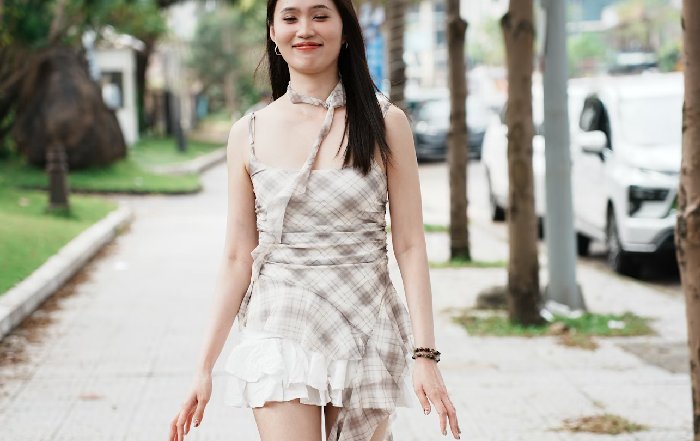
Fashion Forward: Interpreting Runway Trends for Real Life
The New Runway Reality: From Exclusive Spectacle to Everyday Influence
The global fashion calendar has evolved into a hybrid ecosystem of physical shows, digital experiences and immersive technologies, and the traditional distance between runway fantasy and everyday wardrobes has narrowed in ways that would have seemed unlikely a decade ago. Where once the catwalks of Paris, Milan, New York and London projected largely aspirational images designed for insiders, the current era is defined by a more interactive, data-aware and consumer-conscious model, in which designers, editors, buyers and audiences engage in an ongoing dialogue about what fashion should look like in real life. This shift is particularly visible among women who see style not as an isolated pursuit but as part of a holistic lifestyle that integrates career, wellbeing, culture and self-expression, a perspective that aligns closely with the editorial lens of HerStage.
The democratization of fashion has been supported by the rapid expansion of digital platforms, real-time social media coverage and accessible analysis from industry authorities such as Vogue and the Business of Fashion, making it easier to understand how runway concepts might translate into practical outfits for diverse contexts and body types. As leading institutions like the Council of Fashion Designers of America and the British Fashion Council continue to promote more inclusive and sustainable practices, the runway has become not only a showcase of aesthetics but also a barometer of cultural change, reflecting shifting attitudes toward work, gender, climate, technology and identity.
For the readers of HerStage Business and HerStage Career, the central question is no longer whether runway trends are relevant to their lives, but how to interpret them intelligently, selectively and sustainably, ensuring that fashion serves their ambitions rather than distracting from them. In this environment, understanding the mechanics of trend translation-how a bold silhouette, experimental fabric or conceptual styling cue can be distilled into something wearable-has become a strategic skill as much as a creative one.
Understanding the Runway: Why It Looks Exaggerated and Why That Matters
Runway shows are often misunderstood as purely extravagant or impractical, yet in professional terms they operate more like a visual language in which designers communicate themes, narratives and directions for the seasons ahead. Exaggerated shoulders, extreme hemlines or theatrical layering are rarely meant to be copied literally; instead, they signal the mood of a collection and highlight the key elements that will eventually filter into more accessible lines, ready-to-wear pieces and high-street interpretations. Fashion authorities such as Anna Wintour at Vogue and analysts at the Business of Fashion have long emphasized that what appears on the catwalk is a starting point for an industry-wide conversation rather than a finished consumer product.
To decode these signals effectively, it is useful to view runway looks as a combination of silhouette, color, texture, proportion and styling, each of which can be separated and reassembled in a more realistic way. A voluminous gown at Paris Fashion Week, for example, might translate into a softly structured midi dress for the office, while a dramatic metallic trench from a London Fashion Week show could inspire a subtle shimmering blazer or accessory that fits within a professional wardrobe. Resources such as Vogue Runway and the Business of Fashion provide detailed breakdowns of collections, enabling readers to identify recurring patterns and understand which elements are likely to have staying power.
This interpretive mindset is particularly valuable for women navigating demanding careers, cross-border opportunities and hybrid work arrangements, where clothing must perform across different environments and cultural expectations. By approaching the runway as a conceptual lab rather than a shopping list, the readers of HerStage Leadership can make informed decisions about which trends align with their personal brand, which support their professional goals and which are best appreciated from a distance as creative spectacle.
Key Runway Themes in 2026 and Their Everyday Translations
The 2026 fashion cycle has consolidated several themes that have been developing over the past few years: quiet luxury and elevated basics, digital-inspired futurism, sustainable craftsmanship, gender-fluid tailoring and a renewed interest in historical references reimagined for modern life. Each of these themes offers opportunities for real-world adaptation across different regions, from the corporate towers of New York and London to the creative hubs of Berlin, Seoul and São Paulo, and the rapidly evolving fashion scenes in Johannesburg, Bangkok and Singapore.
Quiet luxury, which gained momentum in the early 2020s, continues to dominate collections from houses such as The Row, Loro Piana and Hermès, with an emphasis on impeccable materials, refined cuts and understated branding. For everyday wardrobes, this translates into investment pieces such as well-cut blazers, cashmere knits, tailored trousers and minimalist leather accessories that can be worn repeatedly without appearing dated. Readers interested in building such a wardrobe can explore broader lifestyle strategies on HerStage Lifestyle, where fashion is positioned as one component of a thoughtful, long-term approach to consumption.
At the other end of the spectrum, designers influenced by gaming, augmented reality and digital art, including Balenciaga and Louis Vuitton, have introduced high-shine fabrics, sculptural footwear and bold neon palettes, elements that might seem intimidating in full runway form. However, in practice, these can be distilled into single statement pieces, such as a metallic bag, a pair of futuristic sunglasses or a color-saturated sneaker, that inject personality into otherwise neutral outfits. For readers curious about how technology and culture intersect with fashion, institutions like the MIT Media Lab and the Fashion Institute of Technology offer valuable perspectives on emerging materials and design processes.
Sustainable craftsmanship remains a defining theme, with brands such as Stella McCartney and Gabriela Hearst leading the conversation around traceable supply chains, regenerative agriculture and circular design. The runway's emphasis on recycled fabrics, plant-based leathers and artisanal techniques can be translated into conscious shopping habits, including researching brands' sustainability reports, choosing quality over quantity and supporting local designers who prioritize ethical production. Those seeking to deepen their understanding of responsible fashion can learn more about sustainable business practices through organizations like the Ellen MacArthur Foundation and the UN Environment Programme.
Building a Runway-Inspired Wardrobe for Professional Life
For women balancing leadership roles, entrepreneurship and ambitious career paths, the runway's most valuable contributions often lie in its reimagining of power dressing. The rigid suits of previous decades have given way to more fluid, inclusive and culturally sensitive interpretations of authority, with designers across New York, Milan and Tokyo exploring relaxed tailoring, modular layers and hybrid garments that transition smoothly from boardroom to remote work environments.
In 2026, tailored separates remain central, but proportions have shifted: blazers are slightly softer at the shoulder, trousers offer more room through the leg and skirts are designed with movement and comfort in mind. On the runway, these looks may be styled with dramatic boots or avant-garde accessories, yet for real life they pair effectively with classic pumps, low-heeled boots or sleek loafers, allowing women to maintain a polished presence while accommodating long days and travel. Readers can find complementary guidance on professional presence and communication in HerStage Self-Improvement, where personal development and visual presentation are treated as interconnected aspects of leadership.
Color is another area where runway trends can be adapted strategically. While collections might feature head-to-toe monochrome in saturated hues, a more practical approach for corporate settings is to introduce these colors through a single garment or accessory, such as a cobalt blouse under a navy suit or a deep green handbag that refreshes a neutral ensemble. Resources like the Pantone Color Institute provide insights into seasonal color directions, helping professionals anticipate which shades will appear in stores and how they can be integrated into existing wardrobes without compromising a company's dress code.
For women working in more creative industries, from media and design to technology and the arts, runway styling offers bolder possibilities, including unexpected layering, mixed textures and asymmetric silhouettes that communicate originality while remaining functional. The key lies in balancing one statement element-a sculptural jacket, an architectural skirt, an artistic print-with grounding pieces that maintain coherence. This strategic approach allows fashion to become a subtle yet powerful form of personal branding, reinforcing the messages conveyed through work, communication and leadership style.
Lifestyle, Health and Mindfulness: Fashion as a Holistic Practice
The readers of HerStage Health and HerStage Mindfulness increasingly view fashion not only as an external expression but also as an extension of wellbeing, and this holistic perspective is reflected in recent runway trends that prioritize comfort, adaptability and emotional resonance. Designers have responded to global conversations about mental health, work-life balance and social connection by incorporating softer fabrics, calming palettes and versatile silhouettes that can accommodate fluctuating routines and energy levels.
The rise of elevated loungewear and athleisure, once considered a temporary response to remote work, has matured into a permanent category that bridges the gap between performance and elegance. Brands like Lululemon, Alo Yoga and Nike have expanded their offerings to include pieces that can move from a morning yoga session to an informal meeting, while luxury houses have introduced cashmere joggers, knit dresses and refined hoodies styled with tailored outerwear on the runway. For real life, this means that a capsule of high-quality, breathable pieces can serve as the foundation of a wardrobe that supports both physical comfort and psychological ease, especially in fast-paced urban centers from Los Angeles to Shanghai.
Mindfulness also influences purchasing decisions, as more women seek to align their wardrobes with their values and long-term goals. Learning how to build a more intentional closet, one that reflects personal priorities and reduces decision fatigue, can have a direct impact on daily stress levels and time management. Organizations such as the Greater Good Science Center at UC Berkeley and the American Psychological Association have highlighted the benefits of simplifying routine choices, and applying these principles to fashion can transform dressing from a source of anxiety into a supportive ritual. Within this context, runway trends become a menu of possibilities rather than obligations, and each new season is an opportunity to refine rather than overhaul one's style.
Beauty, Glamour and the Subtle Power of Styling
Runway shows have always been laboratories for beauty innovation, and in 2026, hair and makeup trends continue to play a crucial role in shaping how fashion is perceived and adapted. While editorial looks may feature graphic eyeliner, experimental hair colors or exaggerated contouring, the underlying ideas often translate into more wearable techniques that can enhance everyday presence in professional and social settings. Readers interested in connecting these aesthetics with their personal routines can explore complementary content on HerStage Beauty and HerStage Glamour, where beauty is treated as both an art form and a tool for confidence.
The current cycle emphasizes healthy, luminous skin, softly defined features and adaptable hairstyles that withstand long days and varied climates. Skincare-led beauty, promoted by dermatologists and experts at organizations such as the American Academy of Dermatology, focuses on barrier support, sun protection and targeted treatments, ensuring that makeup becomes an enhancement rather than a mask. On the runway, this translates into models with naturally glowing complexions, minimal foundation and strategic highlights, a look that can be recreated with a concise selection of products suitable for different skin tones and ages.
Glamour has also been redefined, shifting away from purely high-drama evening looks toward a spectrum that includes subtle daytime polish, cocktail elegance and red-carpet-level impact. Sequins, metallics and embellishments, which appear in abundance in shows from Milan and Paris, can be incorporated into real life through a single standout piece-a beaded top, a shimmering clutch, a pair of statement earrings-balanced with more restrained garments. This approach is particularly relevant for women navigating social events, networking functions and public speaking engagements, where visual presence can reinforce authority while still expressing individuality.
Global Perspectives: Regional Nuances in Adapting Runway Trends
Fashion is inherently global, yet its expression is deeply shaped by regional cultures, climates and social norms. In North America, especially in the United States and Canada, there is a strong emphasis on versatility and comfort, with runway trends often filtering into high-quality basics and activewear-inspired pieces that support mobile, tech-driven lifestyles. In the United Kingdom, tailoring and heritage fabrics remain influential, and runway trends frequently manifest as modern twists on classic trench coats, tweeds and knitwear suitable for variable weather and formal office environments.
Across Europe, from France and Italy to Spain, Germany, the Netherlands and Switzerland, there is a continued appreciation for craftsmanship and subtle sophistication, with consumers often favoring fewer, better pieces that can be worn across seasons. Resources such as the European Fashion Heritage Association offer insight into the historical foundations that inform contemporary European style, helping readers understand why certain silhouettes and materials recur on the runway and in stores.
In Asia, cities such as Tokyo, Seoul, Shanghai, Bangkok and Singapore are at the forefront of experimental street style and technological innovation, making them fertile ground for more daring runway translations, including bold color combinations, layered streetwear and gender-fluid silhouettes. At the same time, local cultural norms and climate considerations-such as heat and humidity in Southeast Asia or seasonal extremes in Japan and South Korea-necessitate practical adaptations in fabric choice and layering. Organizations like the Asia Fashion Federation highlight regional designers who are redefining how global trends are localized.
In Africa and South America, from South Africa and Nigeria to Brazil and Argentina, vibrant prints, artisanal textiles and strong color stories are central to both runway and everyday fashion, with designers integrating global trends into locally resonant narratives. As global audiences become more aware of these perspectives through platforms such as the African Fashion Foundation and major events like São Paulo Fashion Week, the conversation around runway trends becomes more inclusive and nuanced, offering HerStage readers a richer palette of references to draw from.
Strategic Shopping: From Trend Forecast to Smart Investment
Interpreting runway trends for real life ultimately comes down to decision-making: what to buy, when to invest and how to balance novelty with longevity. In an era where sustainability, inflation and digital transparency shape consumer behavior, strategic shopping has become a core competence for fashion-conscious professionals. Forecasting agencies such as WGSN and institutions like the Fashion Institute of Technology provide industry-level insight into which trends are likely to endure, but for the individual consumer, the key is to align purchases with personal priorities, lifestyle demands and financial plans.
One effective approach is to build a stable foundation of timeless pieces-tailored trousers, neutral blazers, versatile dresses, quality denim, classic outerwear-and then use each new season's runway trends to select a limited number of accent items that refresh the overall look. This might include a color of the year accessory, a trend-driven shoe shape or a contemporary print that can be paired with existing garments. By focusing on adaptability and cost-per-wear, women can enjoy fashion's creative energy without contributing to unnecessary waste or experiencing buyer's remorse. Readers seeking broader guidance on intentional living and decision-making can explore relevant articles on HerStage Guide, where fashion is integrated into a larger framework of purposeful choices.
Digital tools have also transformed how runway trends reach consumers, with many brands offering virtual try-on experiences, detailed size guides and transparent material information on their websites. Independent reviews from trusted sources such as Consumer Reports and educational resources like the Sustainable Apparel Coalition help buyers assess quality, ethics and value before committing to a purchase. In this environment, knowledge becomes a form of power, enabling women to navigate the global fashion marketplace with confidence and clarity.
Fashion as a Vehicle for Identity, Ambition and Connection
At its most meaningful, the translation of runway trends into real life is not about chasing novelty but about articulating identity, supporting ambition and fostering connection. For the HerStage audience, which spans continents and professions yet shares a commitment to growth, leadership and self-knowledge, fashion can serve as a daily reminder of personal values and long-term aspirations. A carefully chosen blazer might symbolize a new chapter in a career; a bold dress could mark a moment of self-acceptance; a pair of well-worn boots might carry the memory of cities visited and goals achieved.
Educational institutions such as the Parsons School of Design and cultural organizations like the Metropolitan Museum of Art's Costume Institute continue to emphasize fashion's role as a cultural and historical document, capturing the evolution of women's roles in society. In 2026, as more women occupy positions of influence across business, politics, technology and the arts, the way they dress on and off the runway becomes part of a larger narrative about visibility, authority and freedom.
For HerStage, interpreting runway trends for real life is therefore not a matter of superficial styling but a form of storytelling that honors experience, expertise, authoritativeness and trustworthiness. By connecting global fashion developments with the practical realities of women's lives-health, education, work, family, creativity and rest-the platform invites its readers to see every garment as both a personal choice and a contribution to a shared global conversation. Those who wish to explore this conversation across different dimensions can navigate the full spectrum of content on HerStage Women, HerStage Fashion, HerStage World and the HerStage homepage, where fashion is always considered in relation to the world it inhabits.
In the end, being fashion forward in 2026 does not require following every trend or owning an extensive wardrobe; it requires clarity about who one is, where one is going and how clothing can support that journey. The runway will continue to evolve, reflecting technological innovation, cultural shifts and artistic experimentation, but its most enduring legacy lies in the women who interpret its ideas with intelligence, creativity and purpose, transforming high-concept visions into lived realities-one considered outfit at a time.
