
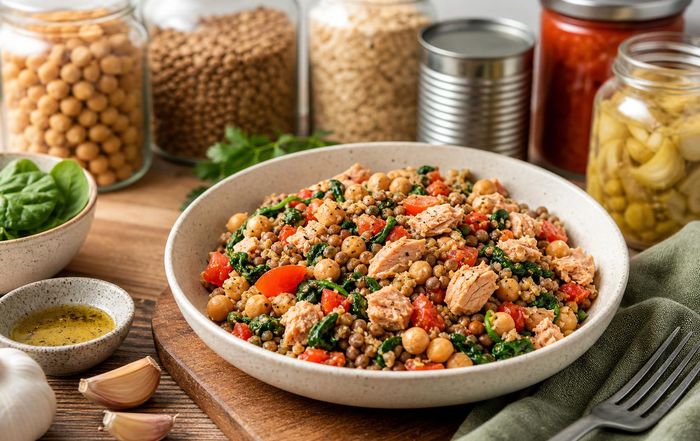
Easy High-Protein Dinners Using Pantry Staples
When energy is low, time is short, and the fridge looks uninspiring, dinner often becomes an afterthought. Yet many cupboards quietly hold the building blocks of balanced, high-protein meals that come together in under 30 minutes. With a few smart combinations and a basic understanding of how to boost protein using shelf-stable ingredients, it becomes easier to eat in a way that supports strength, focus, and hormone health without elaborate planning or daily grocery trips.
Sit down, get comfy, join as we investigate and focus on realistic weeknight cooking, using ingredients that many households already keep on hand: canned beans, lentils, tuna, frozen vegetables, grains, eggs, and long-life dairy or plant-based options. It is designed with busy women in mind-whether they are leading teams, caring for families, studying, or juggling all three-who want dinners that are nourishing but not complicated.
How much protein do you actually need at dinner?
Before pulling out cans and jars, it helps to know what "high protein" realistically means. Protein needs vary by age, body size, activity level, and health status, but several expert bodies provide useful reference points. The World Health Organization and many national health agencies base minimum daily protein intake on body weight, often around 0.8 g per kilogram for adults. For women who are active, trying to maintain or build muscle, or over 40 (when muscle loss accelerates), many sports nutrition and clinical guidelines suggest a higher daily range, often around 1.2-1.6 g per kilogram, divided across meals.
Practically, many dietitians encourage aiming for roughly 20-30 grams of protein per main meal to support satiety and muscle maintenance. That might look like a can of tuna, a generous serving of lentils, or a couple of eggs paired with beans and whole grains. Organizations such as the Academy of Nutrition and Dietetics and the British Nutrition Foundation offer accessible overviews of protein needs and sources, while public-health agencies like the U.S. Department of Agriculture and NHS in the UK outline recommended patterns for balancing protein with vegetables, whole grains, and healthy fats. These are useful resources if someone has specific health concerns or is adjusting intake during pregnancy, menopause, or heavy training.
The key takeaway is that "high protein" does not require a bodybuilder's diet or specialty products. A pantry-based dinner that reaches around 20-30 grams of protein, paired with fiber-rich carbohydrates and some fat, can be enough to keep energy steadier into the evening and reduce late-night snacking.
Building blocks: pantry proteins worth stocking
High-protein dinners start with what is already in the cupboard or freezer. A few categories of ingredients make everything easier, especially on nights when cooking feels like one more task on a long to-do list.
Canned beans and lentils are among the most versatile options. Chickpeas, black beans, kidney beans, cannellini beans, and lentils can all deliver around 7-9 grams of protein per cooked half cup, along with fiber and minerals. They can be turned into stews, curries, salads, or blended dips. Rinsing canned beans under water can reduce sodium, which can be helpful for people watching their blood pressure, as highlighted by organizations such as the American Heart Association. For readers who enjoy learning more about plant-based eating patterns, institutions like Harvard T.H. Chan School of Public Health offer evidence-based guidance on how pulses support long-term health.
Canned fish such as tuna, salmon, sardines, and mackerel provide around 20-25 grams of protein per 100 grams, plus omega-3 fats that support heart and brain health. They are also long-lasting and relatively affordable in many markets. It is worth paying attention to sustainability labels or checking resources such as the Marine Stewardship Council to understand which fish options are more environmentally responsible. For those who do not eat fish, shelf-stable tofu, vacuum-packed tempeh, or textured soy protein can fill a similar role, especially in Asian-inspired dishes.
Eggs are another compact protein source that many households keep on hand. They cook quickly, can be used in everything from fried rice to frittatas, and provide about 6-7 grams of protein per egg. National health bodies such as Health Canada and the NHS now generally consider eggs safe to eat regularly for most people, within an overall balanced diet, making them a practical part of a high-protein pantry strategy.
Dry or frozen staples round out the picture: quinoa, wholegrain couscous, farro, and higher-protein pastas made from lentils or chickpeas can add 7-13 grams of protein per serving. Frozen edamame, peas, and mixed vegetables add small but meaningful amounts of protein and fiber, and they avoid the problem of fresh produce going limp in the fridge. For readers interested in broader lifestyle and nutrition ideas, the health and food sections of this site offer more ways to weave these ingredients into everyday routines: health, food, and lifestyle coverage frequently explores practical approaches to eating well under time pressure.
Strategy first: how to turn random cans into real dinners
The most stressful part of cooking from the cupboard is often not the cooking itself but the decision-making. One way to reduce that friction is to think in terms of simple templates rather than recipes: "beans + grain + flavoring," "eggs + vegetables + starch," or "canned fish + pasta + something green." Once those patterns become familiar, it is easier to improvise with whatever is on hand.
A straightforward starting point is to choose a protein anchor, then add a base, vegetables, and a flavor "bridge." The anchor might be a can of chickpeas, a tin of tuna, or a block of tofu. The base could be rice, pasta, couscous, or even toasted bread. Vegetables can be fresh, frozen, or canned; frozen spinach, peas, or mixed vegetables are particularly forgiving. Finally, the flavor bridge might be a jarred sauce, curry paste, miso, soy sauce, mustard, or simply olive oil with garlic and dried herbs. This four-part approach makes it easier to assemble a meal even when tired, because it narrows decisions to a few simple choices.
Another helpful strategy is to keep a small "emergency shelf" dedicated to fast dinners: a couple of cans of beans, a jar of tomato passata, a pack of wholegrain pasta, a tin of salmon, a carton of eggs in the fridge, and a bag of frozen vegetables in the freezer. With those alone, it is possible to create several high-protein options. Readers who enjoy planning might also appreciate creating a short list of three or four go-to combinations and keeping it on the fridge; this can reduce the mental load at the end of the day. For more ideas on organizing meals around busy schedules, the self-improvement and career sections often explore time-saving habits that support work and home life.
7 high-protein dinner ideas using common pantry staples
The following ideas are not rigid recipes; they are flexible frameworks that can be adapted to different tastes, dietary needs, and cultural preferences. Protein estimates are approximate and will vary by brand and portion size, but each combination is designed to land in the 20-30 gram range per serving.
1. One-pot chickpea tomato stew with greens
A can of chickpeas, a can of tomatoes, and some leafy greens (fresh or frozen) can become a satisfying stew in about 20 minutes. Start by softening onion and garlic in oil if available; if not, go straight to simmering chickpeas and tomatoes with a little water or stock cube. Add dried herbs, chili flakes, or a spoonful of curry paste for depth. Stir in frozen spinach or kale near the end and finish with a spoonful of yogurt, tahini, or a drizzle of olive oil.
A generous bowl of this stew over brown rice or quinoa can easily reach 20 grams of protein, particularly if a dollop of Greek yogurt or a sprinkle of grated cheese is added. Lentils can replace chickpeas, and coconut milk can stand in for yogurt if a dairy-free version is preferred. This type of meal aligns closely with Mediterranean-style eating patterns that organizations like Harvard T.H. Chan School of Public Health and the American Heart Association often highlight for cardiovascular and metabolic benefits, emphasizing legumes, vegetables, and healthy fats.
2. Tuna and white bean lemon pasta
Canned tuna and cannellini beans transform a simple bowl of pasta into a protein-rich dish. While wholegrain or legume-based pasta cooks, mix drained tuna, rinsed white beans, olive oil, lemon juice, garlic (fresh or powdered), and a pinch of chili flakes in a bowl. Add capers or chopped olives if available. When the pasta is ready, toss everything together with a splash of the starchy cooking water to create a light sauce and finish with herbs or black pepper.
Between the tuna, beans, and pasta, a typical serving can offer 25-30 grams of protein, depending on portion sizes. Using tuna packed in olive oil adds richness and some extra healthy fat, while tuna in water keeps the dish lighter. For those concerned about mercury exposure, especially during pregnancy, agencies such as the U.S. Food and Drug Administration and European Food Safety Authority publish guidance on how often different fish species can be eaten safely; canned light tuna generally falls into the "best choices" category in many of these recommendations.
3. Lentil coconut curry over rice
Canned or dried red lentils can become a creamy curry with a can of tomatoes or coconut milk and some spices. If using dried lentils, they usually cook within 15-20 minutes; canned lentils require only warming. Sauté onion, garlic, and ginger if available, then add curry powder, garam masala, or a curry paste, along with lentils, tomatoes or coconut milk, and some water. Simmer until thickened, adding frozen peas or mixed vegetables near the end for color and extra nutrients. Serve over rice, quinoa, or even toasted flatbread.
A bowl of lentil curry with rice can provide 18-25 grams of protein, again depending on portion sizes and whether extra lentils are added. This kind of dish is a staple in many South Asian households, and resources such as The Spices Board of India and public-health agencies across Asia have long highlighted lentils and pulses as affordable, nutrient-dense proteins. For readers who enjoy exploring global flavors and women-led food traditions, the world and food sections often feature culinary stories that go beyond basic recipes.
4. Pantry shakshuka or tomato-egg skillet
Eggs and canned tomatoes can quickly become a skillet meal that works for breakfast, lunch, or dinner. Cook onions and peppers if they are on hand; otherwise, heat garlic and spices such as cumin, paprika, or chili in oil, then add canned tomatoes and simmer until slightly thickened. Make small wells in the sauce and crack eggs into them, then cover and cook until the whites are set but the yolks are still runny, or to preferred doneness. Serve with crusty bread, toasted flatbread, or spooned over leftover grains.
Two to three eggs per person, combined with the tomato base, deliver 12-20 grams of protein, which can be increased with sides like hummus, Greek yogurt, or a sprinkle of feta. This type of dish appears in various forms across North Africa and the Middle East, and many nutrition organizations, including Health Canada and the NHS, now recognize eggs as a nutrient-dense part of a balanced diet, providing high-quality protein, choline, and several vitamins.
5. Black bean and corn skillet with quick toppings
A can of black beans, a can of corn, and some spices can become a fast, flexible base for bowls, tacos, or stuffed sweet potatoes. In a pan, warm oil with cumin, smoked paprika, and garlic, then add drained beans and corn. Mash some of the beans with the back of a spoon to thicken the mixture. Add a splash of salsa, canned tomatoes, or even just water to create a saucy consistency. Serve over rice or quinoa, in tortillas, or on top of roasted potatoes, and finish with whatever toppings are available: shredded cheese, yogurt, avocado, pickled onions, or hot sauce.
This combination can reach 20 grams of protein per serving, especially when paired with cheese or yogurt and a generous portion of beans. It also delivers fiber, which helps with fullness and blood-sugar stability. The Academy of Nutrition and Dietetics and many diabetes organizations emphasize the role of beans and other pulses in supporting glycemic control and digestive health, making this kind of meal a useful option for readers managing energy dips during long workdays. Those interested in broader wellness practices, including mindfulness around eating and stress, may appreciate exploring the site's mindfulness and health coverage.
6. Salmon and vegetable couscous bowl
Couscous cooks in minutes and pairs well with canned salmon or mackerel. Prepare couscous according to package instructions, using stock if available. Fluff with a fork and stir in drained canned salmon, a handful of frozen peas or mixed vegetables (thawed in boiling water or microwaved), and a quick dressing made from olive oil, lemon juice, mustard, and dried herbs. Add nuts or seeds if they are in the cupboard.
Salmon and couscous together can easily provide 25 grams of protein per serving, plus omega-3 fats. For those who avoid fish, chickpeas or white beans can stand in for the salmon while still offering a respectable protein content. Heart-health organizations such as the American Heart Association and British Heart Foundation regularly highlight oily fish like salmon and mackerel for their cardiovascular benefits, but they also underline the value of plant proteins for those who prefer a vegetarian pattern.
7. High-protein fried rice with eggs and edamame
Leftover rice, eggs, and frozen edamame or peas can become a fast stir-fry. Start by scrambling eggs in a hot pan, then remove them and set aside. In the same pan, sauté garlic, ginger, and any chopped vegetables (fresh or frozen), add the rice, and stir-fry with soy sauce, a little oil, and optional sesame seeds. Add the eggs back in along with shelled edamame or peas and cook until heated through. Finish with chili sauce or sliced spring onions if available.
Between the eggs, edamame, and rice, a serving can provide 20-30 grams of protein, particularly if extra edamame is added. Edamame is a complete plant protein, and soy foods in general have been extensively studied for their effects on heart health, bone density, and menopausal symptoms. Organizations like the American Heart Association and World Cancer Research Fund have reviewed the evidence around soy and generally consider moderate intakes safe and potentially beneficial for most people, including women, though anyone with a history of hormone-sensitive cancers should consult their clinician for individual advice.
Making pantry dinners feel fresh, not repetitive
Even the most practical high-protein pantry meal can become dull if it tastes identical every week. A few small tweaks can keep things interesting without increasing workload. One is to vary the flavor profile rather than the core ingredients. Chickpeas, lentils, and beans can move through several "world tours" with different spice blends: cumin and coriander for a Middle Eastern feel, curry powders or pastes for South Asian-inspired dishes, smoked paprika and oregano for a Spanish or Latin American direction, or soy sauce and sesame oil for East Asian-style bowls. Dried herbs, spice mixes, and condiments like harissa, gochujang, or miso paste are compact ways to shift a dish's personality.
Texture matters as well. Adding crunchy elements-such as toasted seeds, nuts, croutons, or even crushed crackers-on top of soft stews or curries can make a meal feel more satisfying. A simple yogurt sauce or tahini drizzle can add creaminess and extra protein without much effort. For those who enjoy exploring beauty and wellness from the inside out, the site's beauty and glamour sections occasionally touch on how nutrition and lifestyle choices intersect with skin, hair, and overall vitality, which can add another layer of motivation to keep dinners varied and nutrient-dense.
Another way to keep pantry cooking interesting is to rotate formats. The same black bean mixture, for example, can appear one night in tacos, another night over rice bowls, and later as a topping for baked potatoes. Tuna and white beans can be tossed with pasta, piled onto toast, or mixed with chopped vegetables for a salad. This approach reduces the feeling of eating leftovers while still making full use of what is already open in the fridge.
Smart shortcuts for busy evenings
High-protein dinners do not have to be elaborate to be nourishing. A few small habits can transform pantry staples into a reliable safety net on demanding days. One is to batch-cook a base grain such as brown rice, quinoa, or barley on weekends or quieter evenings, then freeze it in portions. Reheating takes only a few minutes and instantly turns canned beans or eggs into a full meal. Another is to pre-chop onions, garlic, and ginger and freeze them in small containers; this makes flavor-building faster when time and energy are limited.
Keeping an eye on sodium and added sugars is worthwhile when relying heavily on packaged foods. Choosing low-sodium canned beans and tomatoes, rinsing beans, and diluting salty sauces with water or unsalted stock can help. Major health bodies such as the World Health Organization and national heart associations routinely encourage reducing excess salt intake to lower blood pressure risk, while recommending herbs, spices, citrus, and vinegar for flavor. These principles are easy to apply to pantry dinners: a squeeze of lemon, a splash of vinegar, or a handful of herbs can brighten a dish without extra salt.
Finally, it can be helpful to view pantry cooking not as a fallback but as a skill set that supports autonomy and resilience. Knowing how to turn a few humble cans into a satisfying meal is a form of self-care that fits alongside other leadership and life skills. It frees up mental space and money for other priorities, supports consistent energy for demanding days, and creates a bit of calm at the end of long afternoons. For readers interested in deepening that broader toolkit-from time management to stress reduction and career growth-the leadership, business, and guide sections offer further practical perspectives.
With a stocked cupboard, a few basic templates, and some flavor tricks, high-protein dinners can move from "aspirational" to automatic-even on the nights when the only thing anyone wants is something easy, fast, and genuinely satisfying.
