
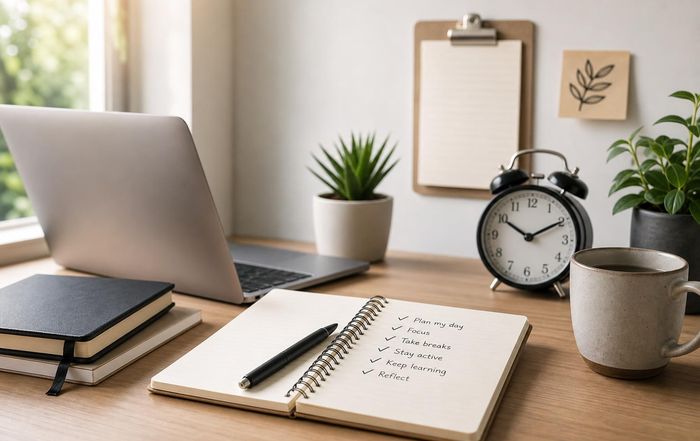
Creating Better Work Habits Every Day: A Hopefully Helpful Guide for Women :)
You know as hybrid work models, intelligent automation and global collaboration reshape every industry, the women who thrive are not simply working harder; they are working more intentionally. Across boardrooms in New York and London, tech hubs in Berlin and Singapore, creative studios in São Paulo and Cape Town, and entrepreneurial ecosystems from Sydney to Seoul, a new discipline is emerging: the deliberate design of daily work habits that align performance, wellbeing and purpose. For the hip and happy individuals, who balance ambition with a desire for a meaningful, healthy and sustainable life, creating better work habits every day is no longer a peripheral self-help topic; it is a strategic career and leadership imperative.
Why Daily Work Habits Now Define Long-Term Success
The post-pandemic decade has made it clear that structural change in the workplace is permanent. Hybrid schedules, distributed teams and AI-enabled workflows have transformed not only where people work but how they think about focus, rest and productivity. Research from organizations such as McKinsey & Company and the World Economic Forum shows that roles are evolving faster than traditional job descriptions can keep pace, which means that the ability to continuously adapt through small, daily behavioral changes has become a decisive advantage rather than a soft skill. Learn more about future-of-work trends from the World Economic Forum.
For women in leadership or on the path to leadership, this shift intersects with persistent structural challenges, from unequal caregiving expectations to underrepresentation in senior roles. Reports from Catalyst and LeanIn.Org highlight that women, particularly women of color, are still more likely to shoulder invisible work, experience burnout and be overlooked for stretch assignments. Understanding these dynamics is essential to designing work habits that protect energy, amplify visibility and reinforce authority. Explore broader perspectives on women's advancement in the workplace through UN Women.
On HerStage, this conversation sits at the intersection of women's stories and ambitions, leadership development and career growth, recognizing that better work habits are not merely about getting more done, but about building a life and legacy that reflect each woman's values, strengths and aspirations.
Habit Design as a Leadership Skill, Not a Personal Fix
Too often, the language of productivity frames habit-building as a personal remedy for systemic problems, implying that if individuals simply wake earlier, plan better or "lean in" harder, they can overcome organizational bias, poor management or unrealistic workloads. A more mature and authoritative view understands habit design as a leadership skill: the capacity to structure one's time, attention and energy in ways that influence teams, shape culture and model sustainable performance.
This perspective is supported by behavioral science research from Stanford University, MIT and University College London, which has shown that habits are context-dependent and reinforced by environmental cues, social norms and reward structures. Rather than treating daily routines as isolated acts of willpower, effective leaders examine the systems around them, from meeting norms to communication channels, and adjust their personal behaviors to both navigate and, where possible, reshape those systems. Readers interested in the science of behavior change can explore insights from Harvard Business Review on habit formation and leadership.
For women operating in demanding roles in the United States, Europe, Asia-Pacific and beyond, this means that creating better work habits involves both introspection and negotiation: understanding one's cognitive rhythms and emotional triggers, while also setting boundaries, clarifying expectations and advocating for structures that enable deep work and recovery. On HerStage, this dual lens is echoed in the platform's focus on self-improvement and business, recognizing that personal growth and organizational impact are intertwined.
Designing the First and Last Hour of the Workday
One of the most reliable ways to upgrade work habits is to focus on the "bookends" of the day: the first and last hour of work. These periods exert an outsized influence on cognitive performance, emotional regulation and the sense of control that carries through the day.
In the morning, research from University of California, Berkeley and the National Institutes of Health indicates that attention is particularly vulnerable to digital distraction. When professionals begin their day in reactive mode, diving immediately into email, messaging apps and social feeds, they allow external demands to set the agenda, which can fragment focus and increase stress. By contrast, leaders who deliberately reserve the first 30 to 60 minutes for high-value thinking tasks-such as strategic planning, writing, complex analysis or creative ideation-often report greater clarity and reduced cognitive fatigue. Readers can explore additional insights into cognitive performance and work patterns through The Greater Good Science Center.
Similarly, the final hour of the day is an opportunity to transition from execution to reflection. Instead of working until the last possible minute or scrolling through notifications, professionals who pause to review progress, capture loose ends and define the top three priorities for the following day create a psychological "shutdown" ritual that reduces rumination and improves sleep quality. This aligns with evidence from Sleep Foundation and Mayo Clinic that structured evening routines support better rest, which in turn enhances decision-making and emotional resilience. Learn more about sleep and performance from the Sleep Foundation.
For women balancing global roles and caregiving responsibilities in cities like Toronto, Paris, Tokyo or Johannesburg, these bookend rituals may need to be shorter but can still be powerful: a 10-minute morning planning session with pen and paper before opening a laptop, or a brief evening review where the next day's calendar is adjusted to protect time for deep work and health-related commitments. The broader themes of wellbeing and routine are explored across HerStage sections on health and lifestyle, emphasizing that high performance rests on consistent, humane rhythms.
Building Focus in a Distracted, Always-On Environment
In 2026, the proliferation of AI tools, collaborative platforms and real-time messaging has intensified the pressure to be constantly available. While these technologies enable flexible work and global collaboration, they also erode sustained concentration if left unmanaged. Studies from Microsoft's WorkLab and Carnegie Mellon University show that frequent task-switching can significantly reduce effective IQ and increase error rates, which has direct implications for leaders managing complex projects or high-stakes negotiations.
Creating better work habits in this context requires a deliberate approach to attention management. Many executives across New York, London, Berlin and Singapore have adopted "focus blocks," protected intervals of 60 to 120 minutes during which notifications are silenced, inboxes are closed and only a single priority task is addressed. This practice is not about rigidly following a particular productivity methodology, but about signaling to colleagues and teams that deep work is valued and necessary. Those interested in the concept of deep work can explore further through resources such as Cal Newport's work on focus.
For women in mid-career roles, where expectations from senior leaders and teams converge, negotiating for these focus blocks can be an act of leadership. It involves articulating the business case-fewer errors, faster high-quality outputs, clearer thinking-rather than framing the request as a personal preference. Over time, these habits can influence team norms, encouraging colleagues in Stockholm, Sydney or São Paulo to adopt similar practices and thereby raising the collective standard of work.
Mindfulness-based practices also play a role in attention regulation. Short, structured breathing exercises or brief guided meditations have been shown in research from University of Oxford and Monash University to improve concentration and reduce stress. Readers interested in integrating these tools into their workday can explore additional perspectives on mindfulness and daily life, recognizing that mental training, like physical training, benefits from consistent, incremental practice.
Integrating Health, Nutrition and Movement into Work Habits
Performance at work is inseparable from physical health, yet many professionals still treat exercise, nutrition and rest as optional extras to be squeezed into the margins of an overloaded schedule. A more strategic view, supported by the World Health Organization, Cleveland Clinic and Harvard T.H. Chan School of Public Health, recognizes that daily micro-habits related to movement, hydration and food quality have measurable effects on cognitive performance, mood and resilience. Learn more about the relationship between nutrition and productivity from Harvard T.H. Chan School of Public Health.
In busy corporate environments across the United States, United Kingdom, Germany, Canada and beyond, women often report skipping meals, relying on caffeine and working through breaks, which may provide short-term output but undermines long-term effectiveness. Simple, sustainable changes-such as scheduling a 15-minute walking meeting, keeping nutrient-dense snacks available, or setting a reminder to drink water every hour-can accumulate into significant benefits over months and years. For readers seeking inspiration on food and wellbeing, HerStage offers additional ideas and perspectives through its focus on food and nourishment and health.
Movement habits are particularly critical for remote and hybrid workers in cities like Amsterdam, Zurich, Seoul or Melbourne, where long hours at a desk can lead to musculoskeletal strain and reduced energy. Guidance from organizations such as NHS UK and Mayo Clinic suggests that even brief, regular movement breaks can improve circulation and reduce the risk of chronic issues. Those interested in practical strategies for active workdays can explore resources from Mayo Clinic on sitting, posture and movement.
Sleep remains a foundational habit that many high-achieving women deprioritize, especially when balancing career progression with caregiving and personal commitments. Reports from Centers for Disease Control and Prevention and Sleep Foundation warn that chronic sleep deprivation impairs judgment and increases the risk of burnout. Designing work habits that protect at least seven hours of sleep-by setting a firm "shutdown" time, avoiding late-night email and limiting blue light exposure-is not indulgent; it is a professional responsibility for anyone making consequential decisions. Broader conversations on holistic wellbeing and daily routines can be found across HerStage lifestyle content.
Continuous Learning as a Daily Practice, Not an Occasional Event
In an era where AI, automation and digital platforms are reshaping industries from finance and healthcare to fashion and media, continuous learning has become a core work habit rather than an optional development activity. Analyses from OECD, LinkedIn Learning and World Economic Forum highlight that critical thinking, emotional intelligence and technological literacy are among the most in-demand skills, yet many professionals struggle to allocate time for structured learning amid daily pressures. Learn more about reskilling and the future of work from the OECD.
For women seeking to maintain or accelerate their careers in markets such as the United States, United Kingdom, Singapore, Japan and South Africa, integrating micro-learning into the workday is a pragmatic approach. This might involve dedicating 20 minutes each morning to reading a high-quality industry publication, completing a module on a learning platform, or reviewing case studies from peers in similar roles. Resources from institutions like MIT OpenCourseWare, Coursera and edX provide accessible entry points for deepening expertise in areas ranging from data literacy and sustainability to leadership and negotiation. Those interested in structured pathways can explore broader themes of growth and knowledge on HerStage through its focus on education and self-improvement.
Crucially, learning habits should be aligned with strategic career goals rather than driven by fear of obsolescence. A senior marketing leader in Paris, for example, might prioritize analytics and privacy regulation, while a healthcare entrepreneur in Nairobi might focus on digital health and regulatory frameworks. By articulating a clear skills roadmap and then embedding small, daily learning actions into the calendar, women can maintain a sense of agency and direction in volatile environments.
Visibility, Communication and Relationship-Building as Everyday Habits
Better work habits are not limited to individual performance; they also encompass how professionals show up in relationships and networks. For women in global organizations, visibility and influence often hinge on consistent, intentional communication rather than occasional high-profile presentations. Research from Center for Creative Leadership and McKinsey & Company underscores that sponsorship, informal networks and cross-functional relationships play a critical role in advancement, yet women are frequently excluded from or underrepresented in these spaces.
Creating daily habits that support visibility might involve sharing brief progress updates with key stakeholders, contributing thoughtfully in virtual meetings, or scheduling regular one-on-one conversations with mentors and peers across regions such as North America, Europe and Asia-Pacific. Rather than viewing these actions as self-promotion, they can be reframed as part of responsible leadership: ensuring that work is understood, aligned and connected to broader organizational goals. Readers can explore more nuanced perspectives on leadership presence and influence through HerStage's leadership coverage.
Digital platforms also offer opportunities to build professional reputation beyond one's immediate organization. Consistently posting insights on LinkedIn, contributing to industry forums or writing short reflections on lessons learned can gradually establish authority in fields ranging from technology and finance to fashion and sustainability. Guidance on strategic networking and digital presence is available from sources such as LinkedIn's career blog and Forbes Women, which highlight how senior women leaders around the world have leveraged online platforms to extend their impact.
Aligning Work Habits with Identity, Style and Personal Brand
While discussions of productivity often focus on schedules and tools, truly sustainable work habits are rooted in identity: how individuals see themselves as leaders, professionals and women navigating complex cultural and organizational landscapes. For many readers of HerStage, this identity is expressed not only through achievements and titles but also through aesthetics, values and personal narrative.
The way a professional dresses for a virtual board meeting in Zurich, an in-person client presentation in New York or a startup pitch in Nairobi can influence confidence and perception. Thoughtful choices in clothing, grooming and presentation-aligned with the norms of specific industries and regions-can become part of a daily ritual that signals readiness and authority. Those interested in the intersection of style and professional identity can explore insights across HerStage sections on fashion, beauty and glamour, recognizing that external presentation is not superficial but can reinforce internal clarity and presence.
Equally important is the alignment between daily actions and core values. Professionals in sustainability, social impact, education, health or technology may find that their work habits feel more energizing when they can see direct connections between tasks and the outcomes they care about. Organizations such as B Lab, UN Global Compact and Ellen MacArthur Foundation provide frameworks for understanding how individual roles contribute to larger systems change. Learn more about sustainable business practices through the UN Global Compact.
By regularly reflecting on questions such as "What kind of leader am I becoming through my daily choices?" and "How do my work habits express my values?", women can ensure that incremental improvements in efficiency are not pursued at the expense of authenticity or purpose.
Adapting Work Habits Across Cultures and Life Stages
HerStage's audience spans continents, cultures and life stages, from early-career professionals in Bangkok and Berlin to senior leaders in New York and Nairobi, and entrepreneurs in Lagos, São Paulo and Stockholm. Creating better work habits every day therefore requires sensitivity to context: what is possible, acceptable and effective varies across countries, industries and personal circumstances.
In some cultures, for example, long hours at the office remain a visible symbol of dedication, while in others, output and outcomes are more heavily emphasized. Women in Japan or South Korea may need to navigate deeply ingrained expectations around presenteeism, while their counterparts in Denmark or the Netherlands may find more structural support for work-life integration. Global research from OECD, ILO and World Bank highlights these differences in working hours, labor policies and gender norms, which influence the feasibility of certain habits. Readers interested in comparative perspectives on work and gender can explore resources from the International Labour Organization.
Life stage also shapes habit design. A woman returning from parental leave in Toronto or Paris might focus on re-establishing boundaries and rebuilding confidence, while a mid-career professional in Mumbai or Madrid may prioritize strategic networking and skills upgrades, and a late-career leader in London or Cape Town might emphasize mentoring and legacy-building. Across these stages, the principle remains consistent: small, intentional adjustments in daily behavior, repeated over time, accumulate into career-defining shifts.
Online here today, these nuances are reflected in its original reporting of career, world and guide content, offering readers a mosaic of perspectives that can be adapted to their own realities rather than prescribing a single universal formula.
Making Habit Change Realistic, Compassionate and Sustainable
Finally, any discussion of creating better work habits must address the emotional dimension of change. Ambitious professionals often set unrealistic standards, attempting to overhaul their entire routine at once, only to experience guilt and self-criticism when they inevitably fall short. Behavioral scientists at University College London and Duke University emphasize that sustainable habit change is gradual, context-aware and supported by self-compassion rather than perfectionism. Learn more about the psychology of habit formation from resources at Duke University's Center for Advanced Hindsight.
For women juggling multiple roles across continents-from executives in New York and Frankfurt to founders in Lagos and Kuala Lumpur-this means choosing a small number of high-leverage habits to focus on each quarter, tracking progress lightly and adjusting in response to real-world constraints. It also means recognizing that setbacks are information, not failure, and that rest, play and connection are legitimate components of a high-performance life.
HerStage's commitment to portraying women as whole, complex individuals-leaders, caregivers, creators, partners and friends-underpins its approach to topics like daily work habits. Across its pages on women, self-improvement, health and lifestyle, the platform invites readers to see habit-building not as a rigid optimization project, but as an ongoing, creative act of self-authorship.
In 2026 and beyond, the women who shape industries, communities and cultures will not be defined solely by their titles or achievements, but by the quiet, consistent choices they make each day: how they start their mornings, how they protect their focus, how they nourish their bodies, how they learn, how they connect and how they close their laptops at night. By treating daily work habits as a strategic, values-driven practice, they are not only enhancing their own careers, but also modeling a more humane, equitable and sustainable way of working for the generations that follow. For those ready to refine their own routines, HerStage remains a dedicated companion, offering stories, insights and guidance at herstage.com as they design the work-and the lives-that they truly want.
